13 things poor people do to survive that rich people hardly think about
Millions of families are quietly rewriting the rules of survival as rising costs turn everyday choices into impossible calculations.
Living paycheck to paycheck changes how a person sees everyday life and the choices they make. Wealthy individuals simply cannot fathom the mental gymnastics required to stretch a handful of dollars until Friday.
The constant pressure of poverty forces people to develop incredibly creative habits just to keep their heads above water. Let us explore thirteen specific habits that keep families afloat when the bank account hits zero.
Watering Down Soap And Shampoo
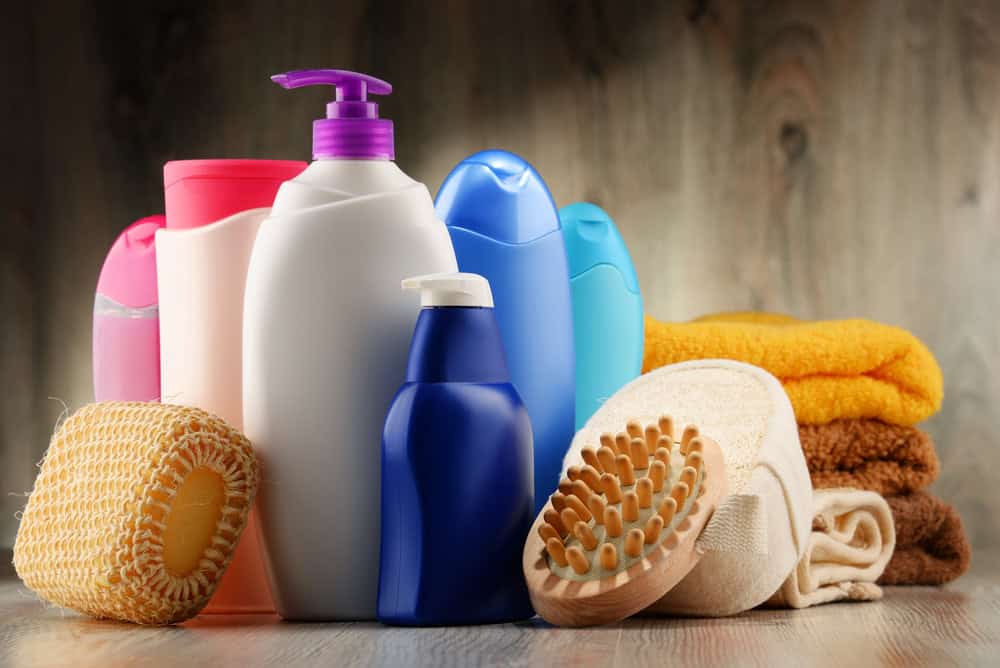
Every last drop of hygiene product counts when the grocery budget is entirely depleted. Adding water to the bottom of a shampoo bottle stretches its lifespan for another week. People who have plenty of cash simply throw the bottle away without a second thought.
Body wash gets the same treatment until the bubbles completely disappear down the drain. It might sound silly, but saving five dollars on soap means buying milk for the kids. These tiny sacrifices add up significantly over the course of a difficult month.
Ignoring Medical Issues Completely

A simple toothache or strange rash gets ignored because a doctor visit costs too much. Over-the-counter painkillers become a substitute for professional medical care and proper prescription treatments. A 2023 Federal Reserve report found that 27 percent of adults went without some form of medical care because of cost.
Rich people schedule appointments immediately at the very first sign of physical discomfort. For struggling families, hoping the pain goes away naturally is the only affordable healthcare plan. They cross their fingers and pray that a minor issue does not turn into a deadly emergency.
Walking Long Distances To Save Gas

Cars require expensive fuel and constant maintenance that empty wallets simply cannot support. Families often choose to walk miles to the store just to save a gallon of gas. This physical toll exhausts workers before they even arrive at their demanding shift.
Wealthy individuals complain about traffic from the comfort of their heated leather seats. CNBC says a recent LendingClub report from 2023 showed that 62 percent of adults live paycheck to paycheck. That financial strain means walking in the freezing rain is sometimes the only transportation option.
Skipping Meals So Children Can Eat

Parents quietly give up their own dinner portions so their growing kids feel full. They drink a large glass of tap water to trick their stomachs into feeling satisfied. This silent sacrifice happens nightly at kitchen tables across the entire country.
The wealthy debate the health benefits of intermittent fasting while the poor starve by necessity. Feeding America says that, according to the USDA in 2022, 44.2 million Americans lived in food-insecure households. Parents hide their hunger pangs behind a warm smile and a fake excuse about a late lunch.
Reusing Disposable Goods Repeatedly
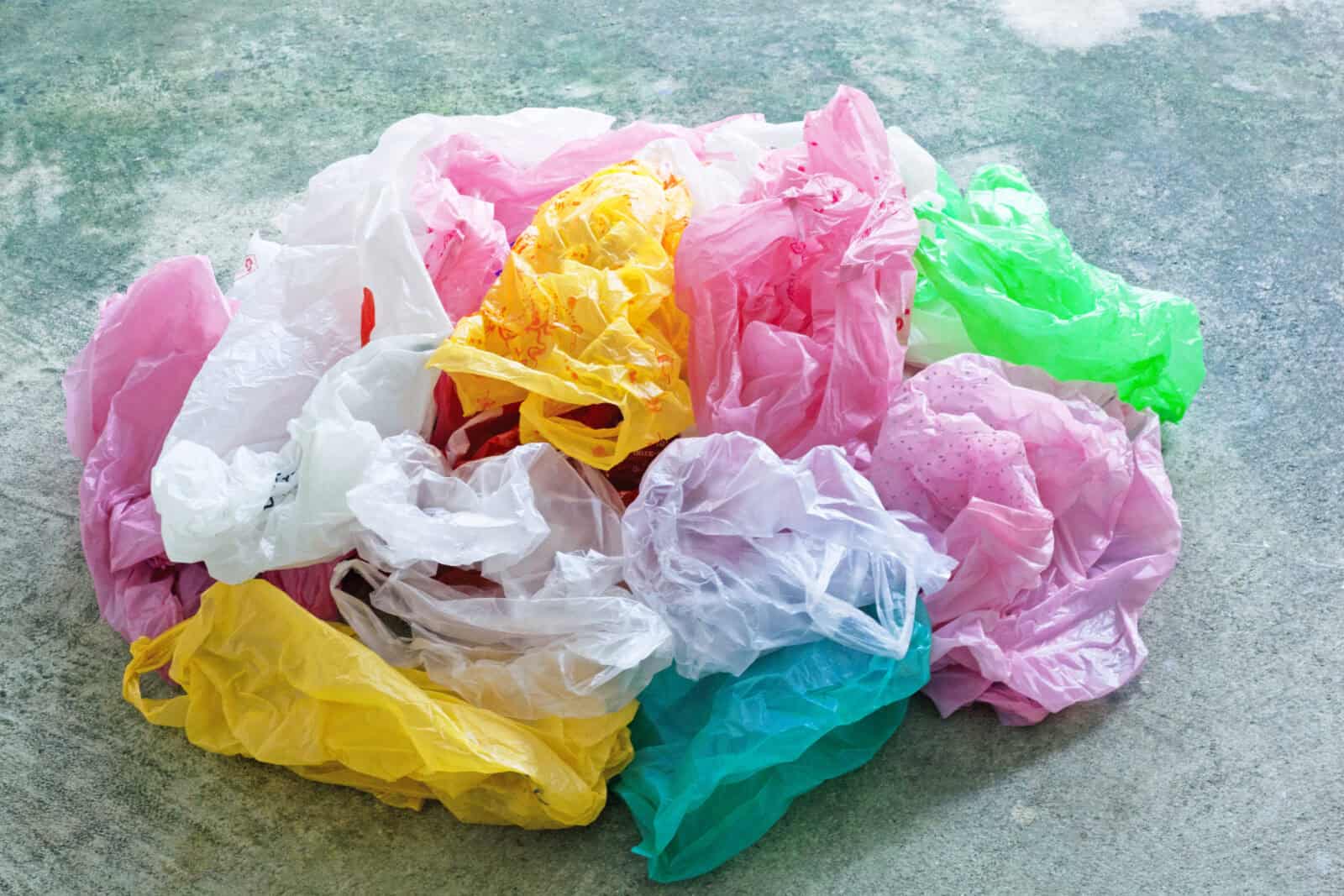
Items meant for the trash bin find a second and third life in a low-income household. Plastic zip bags get washed in the sink and hung up to dry for the next sandwich. Aluminum foil is carefully wiped down and folded neatly into a kitchen drawer.
People with disposable income buy bulk packs and throw everything away after a single use. Saving small items provides a tiny sense of control over a chaotic financial situation. These micro habits create a buffer against the constant fear of running out of supplies.
Avoiding The Mailbox For Weeks
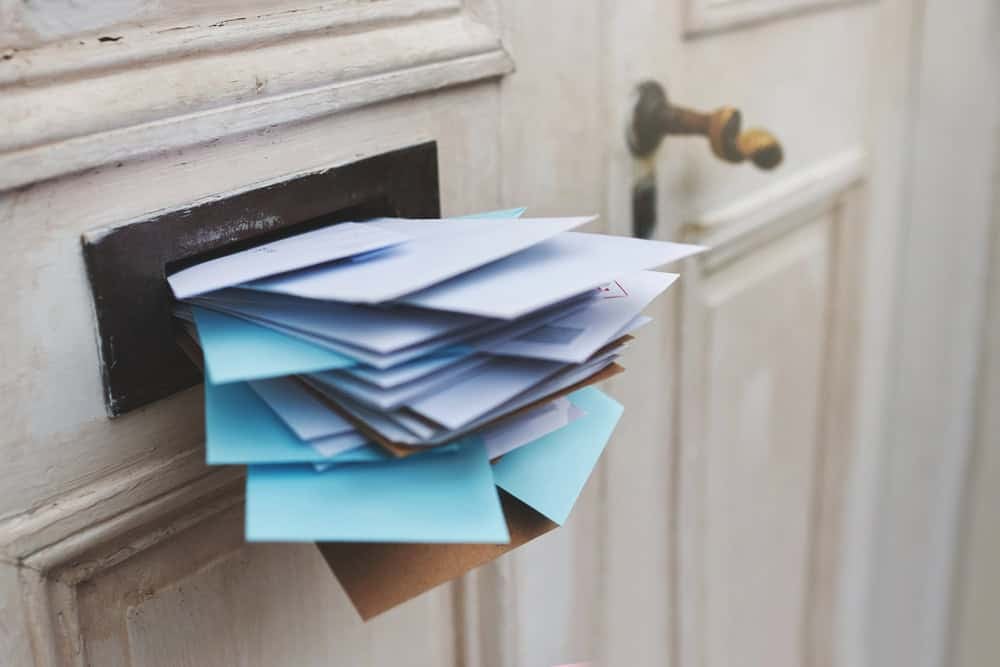
Opening the mailbox brings overwhelming anxiety when you know past-due notices are waiting inside. Ignoring the physical letters feels like hitting the pause button on mounting debt collection. The bright red envelopes sit unopened on the counter while families try to scrape money together.
Wealthy families look forward to receiving packages and pleasant letters from friends. The Consumer Financial Protection Bureau notes that overdraft and non-sufficient fund fees cost Americans billions. Fear of seeing another penalty charge makes the metal mailbox feel like a ticking bomb.
Wearing Clothes Until They Fall Apart

A small hole in a sock is not a good enough reason to throw it away. Struggling folks break out the needle and thread to repair garments until the fabric simply dissolves. Shoes get held together with strong glue or duct tape to survive another harsh winter.
Rich people replace their entire wardrobe every season to keep up with current fashion trends. The idea of throwing away a functional jacket just because it looks old is completely foreign. Every item of clothing is worn until it literally cannot provide warmth or cover anymore.
Heating Only One Room In Winter

Keeping an entire house warm costs a fortune that many working families do not possess. Everyone gathers in the living room and blocks the doors with rolled towels to trap the heat. The rest of the house feels like an icebox while the family huddles under blankets.
The wealthy adjust their smart thermostats without giving the monthly utility bill a single thought. The Conversation recently noted that nearly one-third of households struggle to pay energy bills. Freezing in your own bedroom is a harsh reality for millions of hardworking citizens.
Calculating Grocery Totals While Shopping

Shopping for food requires intense mental math to avoid the embarrassment of a declined card. Shoppers keep a running tally in their heads and put items back if they get too close to the limit. There is absolutely no room for spontaneous treats or fun snacks in the shopping cart.
Affluent buyers toss whatever they want into their baskets and casually tap their credit cards. A 2026 Bankrate survey revealed that only 30 percent of Americans have the savings to cover a thousand-dollar emergency. A miscalculation at the checkout register could easily trigger a devastating spiral of bank fees.
Selling Personal Belongings For Cash

Pawn shops and online marketplaces become lifelines when the electricity is about to be shut off. People part with cherished family heirlooms or electronics just to keep the lights on. It is a heartbreaking process that trades long-term sentimental value for short-term survival.
Rich individuals hire professional organizers to casually declutter their massive homes for aesthetic reasons. For those struggling financially, selling a television pays for a week of essential groceries. They watch their possessions slowly disappear until the house is almost completely bare.
Making One Large Meal Last Days
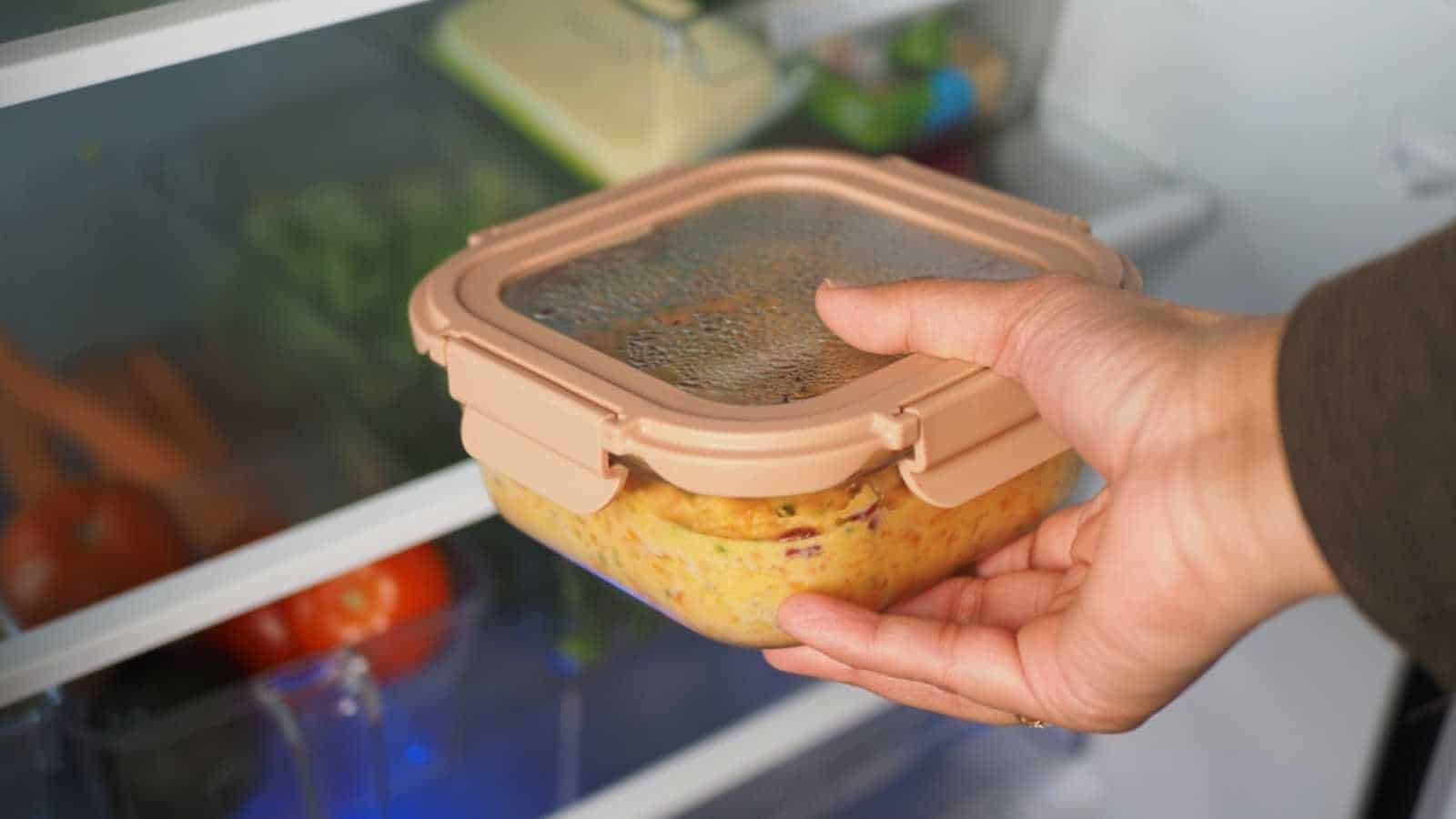
A giant pot of cheap rice and beans becomes breakfast, lunch, and dinner for the entire week. Eating the same flavorless leftovers requires swallowing your pride along with the food. Spices and extra ingredients are considered luxury items that simply do not make the cut.
Wealthy families hire private chefs or eat at fancy restaurants to experience culinary variety. Poor families focus purely on the caloric value needed to survive another grueling workday. The repetition of the meals serves as a constant reminder of their tight financial constraints.
Delaying Necessary Home Repairs

A leaking roof or a broken refrigerator stays broken because fixing it costs too much money. Buckets catch the rainwater and coolers replace the fridge until a solution can be afforded. The house slowly falls into disrepair while the inhabitants focus entirely on buying food.
Those with plenty of cash simply call a professional contractor to fix problems immediately. Living with broken appliances adds immense daily stress to an already difficult existence. The constant visual reminder of poverty chips away at a person’s mental health over time.
Working Multiple Exhausting Jobs

An eight-hour shift is never enough to cover rent, utilities, and basic human needs. People finish their day job only to put on a different uniform for their night shift. Sleep becomes a rare luxury that is squeezed into short naps on the public bus.
Wealthy individuals prioritize a healthy work-life balance and take frequent luxury vacations to recharge. Working eighty hours a week leaves zero time for hobbies, family, or personal growth. The endless grind turns human beings into survival machines just trying to reach the next payday.
More articles you might like:
- 12 Signs America’s Class Divide Is Growing Bigger Than Ever
- Which Grocery Store Helps SNAP Benefits Go The Furthest? Here’s What Experts Suggest
- 12 States That Could Be Hit Hardest By Social Security And Medicaid Cuts