12 condiments you may be storing in the fridge by mistake
If your fridge is overflowing with sauces, you might be chilling a lot of things that belong in the pantry instead.
Your refrigerator door may hold a small army of sauces that never needed cold storage in the first place. That matters because U.S. households waste about 73 kilograms of food per person each year, while an average family of four spends roughly $1,500 on food that nobody eats.
Americans also keep buying more flavor boosters: 3 in 5 consumers show interest in restaurant signature sauces, condiments, or dressings. Before you reclaim that crowded shelf, follow the FDA’s simplest expert advice: “Check storage directions on labels,” because formulas vary and your refrigerator should stay at 40°F or below.
Honey prefers the pantry
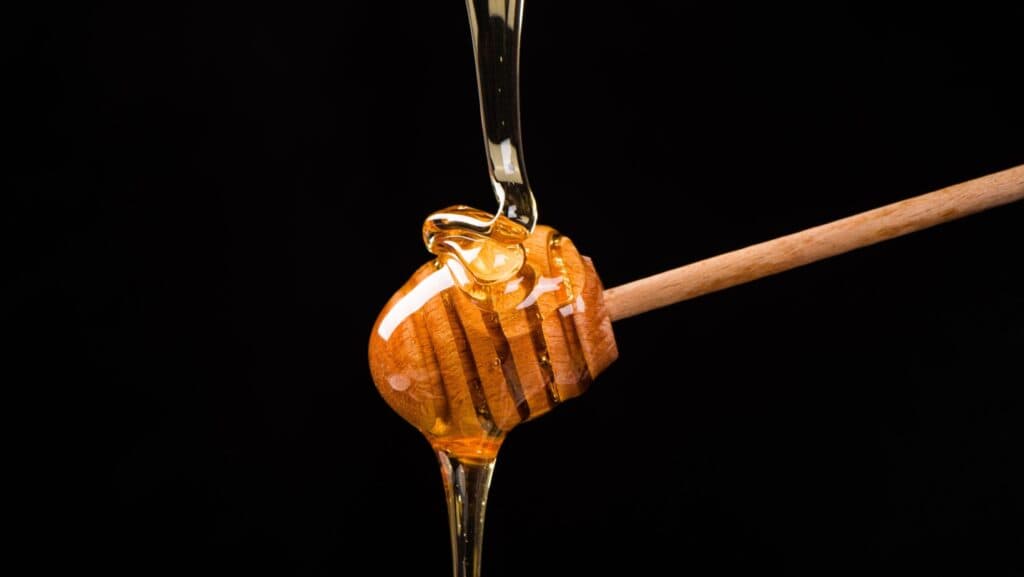
Honey needs a tight lid and a cool cupboard, not a front-row seat beside the milk. Penn State Extension says honey can remain good “indefinitely” because its low water content and heavy sugar concentration create an unfriendly environment for spoilage; many storage charts still use a conservative 12-month quality window.
Cold air creates the problem most people blame on age: crystallization. Penn State puts the advice plainly: “honey basically is good indefinitely,” while cooler temperatures speed that grainy change. Keep crumbs and wet spoons out, close the lid, and warm a crystallized jar gently in hot water when needed. Honestly, why turn pourable honey into sweet construction paste on purpose?
Commercial peanut butter stays spreadable outside
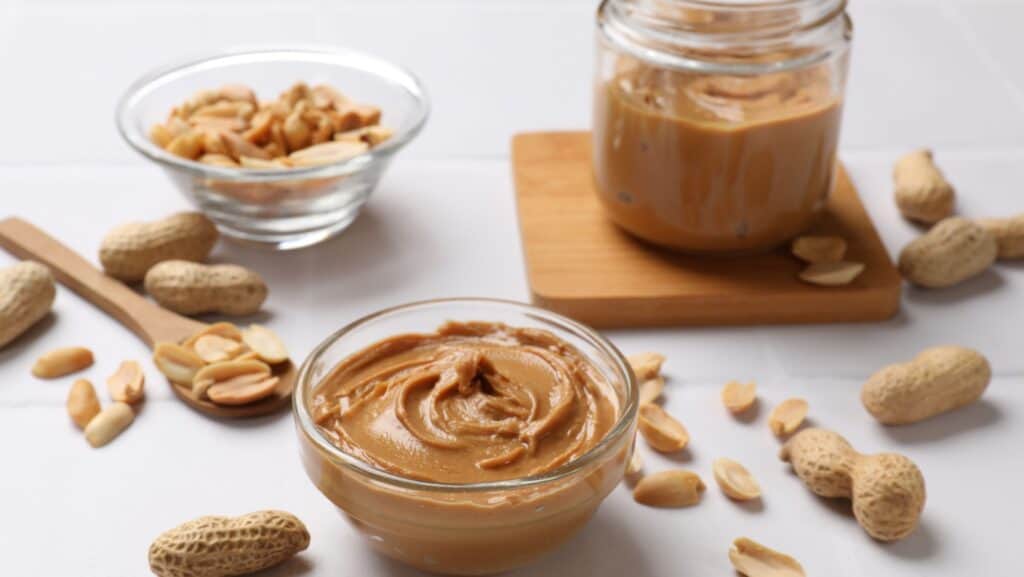
Standard stabilized peanut butter, such as regular Jif, can live comfortably in a cool, dry pantry after opening. Jif says its peanut butter “does not require refrigeration” and gives an opened jar about three months on the pantry shelf, while an unopened jar can last about two years through its best-quality date.
The refrigerator can harden the oils and make breakfast feel like an upper-body workout. This advice covers commercial, stabilized peanut butter, not every natural jar on the market; products that contain only peanuts and salt may separate faster, so check the label and use a clean, dry knife. My practical vote goes to the pantry unless the manufacturer says otherwise, because toast should not lose a wrestling match.
Chocolate-hazelnut spread hates the cold
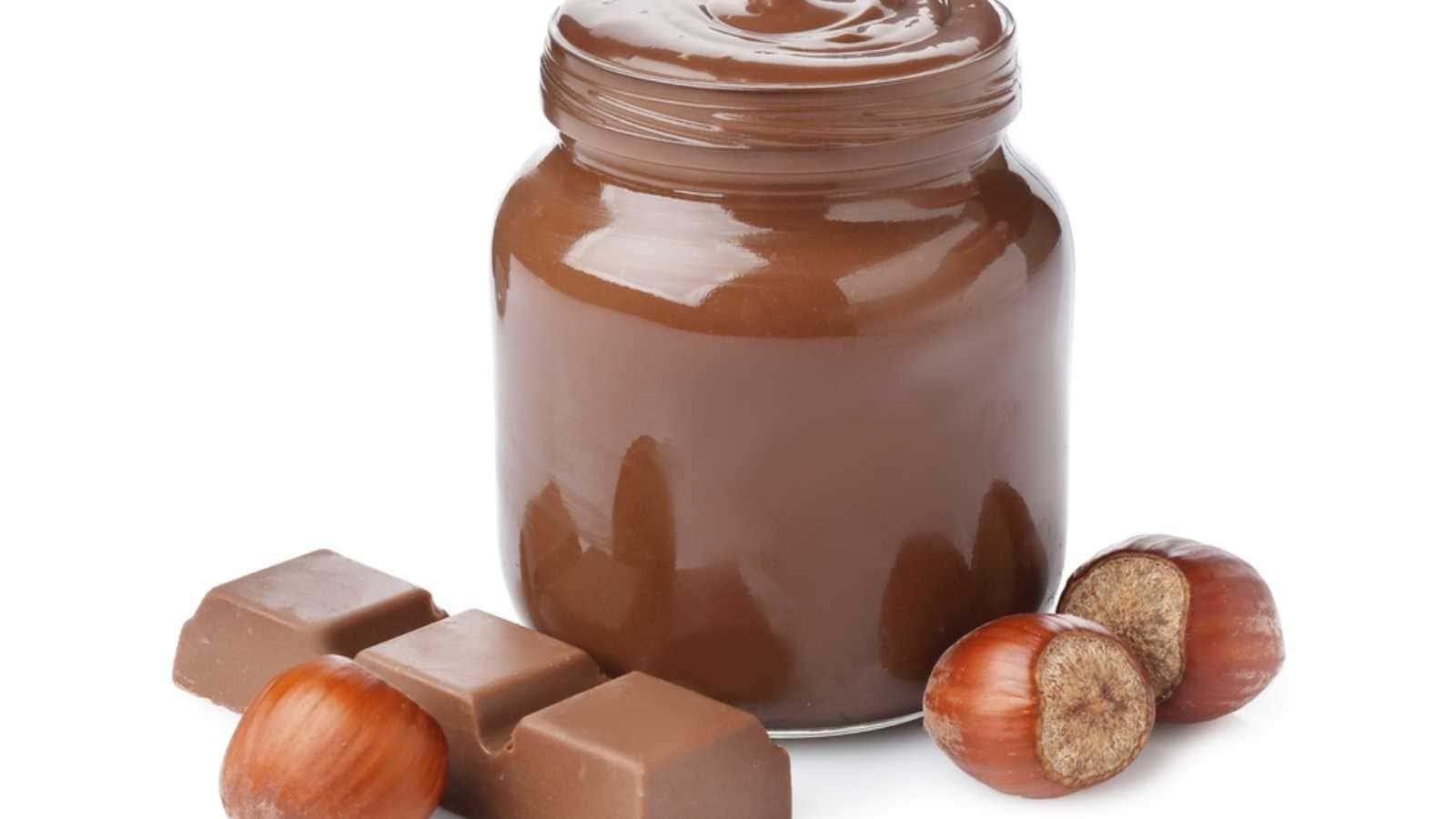
Chocolate-hazelnut spread looks like it belongs near peanut butter because it does, at least from a storage standpoint. Nutella lists seven ingredients in its classic formula and warns that temperatures below 65°F change the texture; the company recommends an ambient range of 65°F to 75°F for a soft, spreadable consistency.
A cold jar will not suddenly become dangerous, but it can become stubborn enough to tear bread and bend weak spoons. Nutella advises leaving a chilled jar at room temperature for about 24 hours so it can soften again. I consider refrigerated chocolate spread a tiny act of breakfast sabotage, so keep it sealed, dry, and away from a hot stove instead.
Tahini can keep its silky pantry texture

Tahini creates one of those label-reading debates because brands give different quality recommendations. Soom, which makes tahini mainly from sesame seeds, says an opened jar can last up to one year and openly prefers pantry storage for a smooth, easy-to-mix texture; the company also gives unopened tahini a shelf life of more than two years.
Other brands recommend refrigeration to slow oil separation, so the jar still gets the final vote. Yet separation does not automatically signal spoilage, and Soom says you can choose either pantry or refrigerator storage. Keep moisture out with a clean, dry spoon, watch for a sharp or sour smell, and choose the cupboard when you want tahini that drizzles instead of behaving like refrigerated drywall compound.
Regular soy sauce mainly needs cold for flavor
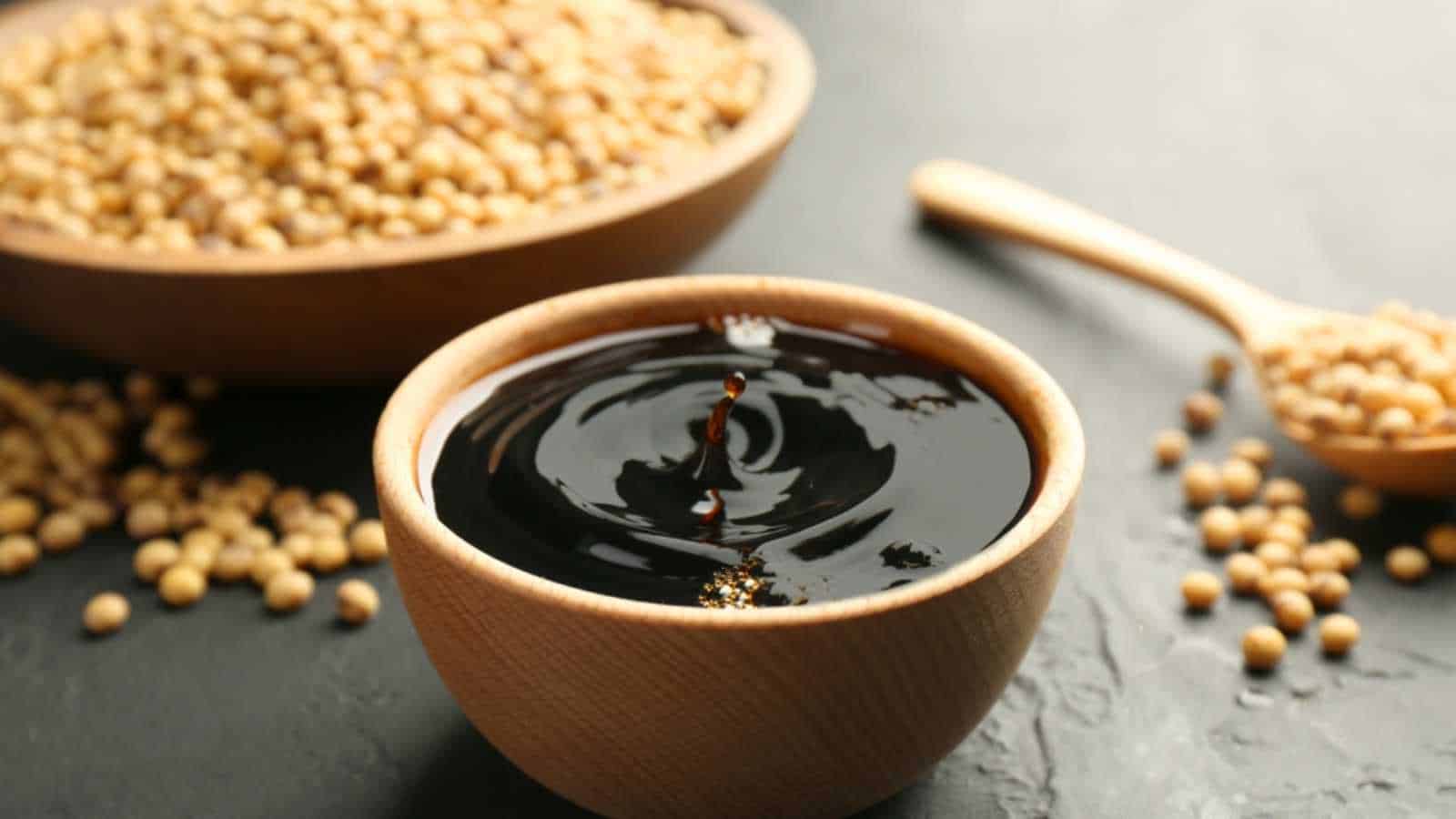
Traditional full-sodium soy sauce contains enough salt and fermentation byproducts to handle pantry storage better than many people assume. Kikkoman says regular soy sauce “would not spoil” without refrigeration when nobody adds water or other ingredients, although the company recommends cold storage to preserve peak flavor; its soy sauces also contain more than 2% alcohol by volume from fermentation.
That makes refrigeration a quality choice, not always a safety emergency. Keep a frequently used bottle in a cool, dark cabinet, close the cap tightly, and refrigerate it when you buy giant bottles or use soy sauce slowly. Do not extend this rule to less-sodium soy sauce or blended sauces, because Kikkoman specifically tells consumers to refrigerate those products after opening.
Fish sauce can handle room temperature

Fish sauce earns its pantry confidence through salt and long fermentation, not magic. Red Boat makes its flagship sauce with only anchovies and sea salt, barrel-ages it for 12 months, prints a 36-month best-by period from manufacture, and recommends using an opened bottle within one year.
The company recommends refrigeration for optimum freshness, but it also says room-temperature storage does not harm the sauce. That wording gives frequent cooks useful flexibility: store the bottle tightly closed in a cool cabinet, wipe the neck, and keep water out. Why sacrifice prime refrigerator real estate to a condiment that spent a year aging before it even met your noodles?
Vinegar already preserves itself

Plain vinegar has spent centuries helping people preserve other foods, so it hardly needs the refrigerator to rescue it. The Vinegar Institute calls vinegar “self-preserving” and says its acidic nature removes the need for refrigeration; the group also notes that harmless sediment or a new “mother” can appear after opening.
Distilled white, apple cider, red wine, and many balsamic vinegars do best with a tight cap in a dark cupboard. The institute gives balsamic vinegar a broad storage range of 40°F to 86°F and says a closed container can last indefinitely, although heat and sunlight can weaken flavor over time. Refrigerate a homemade herb infusion or a diluted dressing when its recipe demands it, but let straight vinegar keep its pantry badge.
Molasses does not need a cold shelf
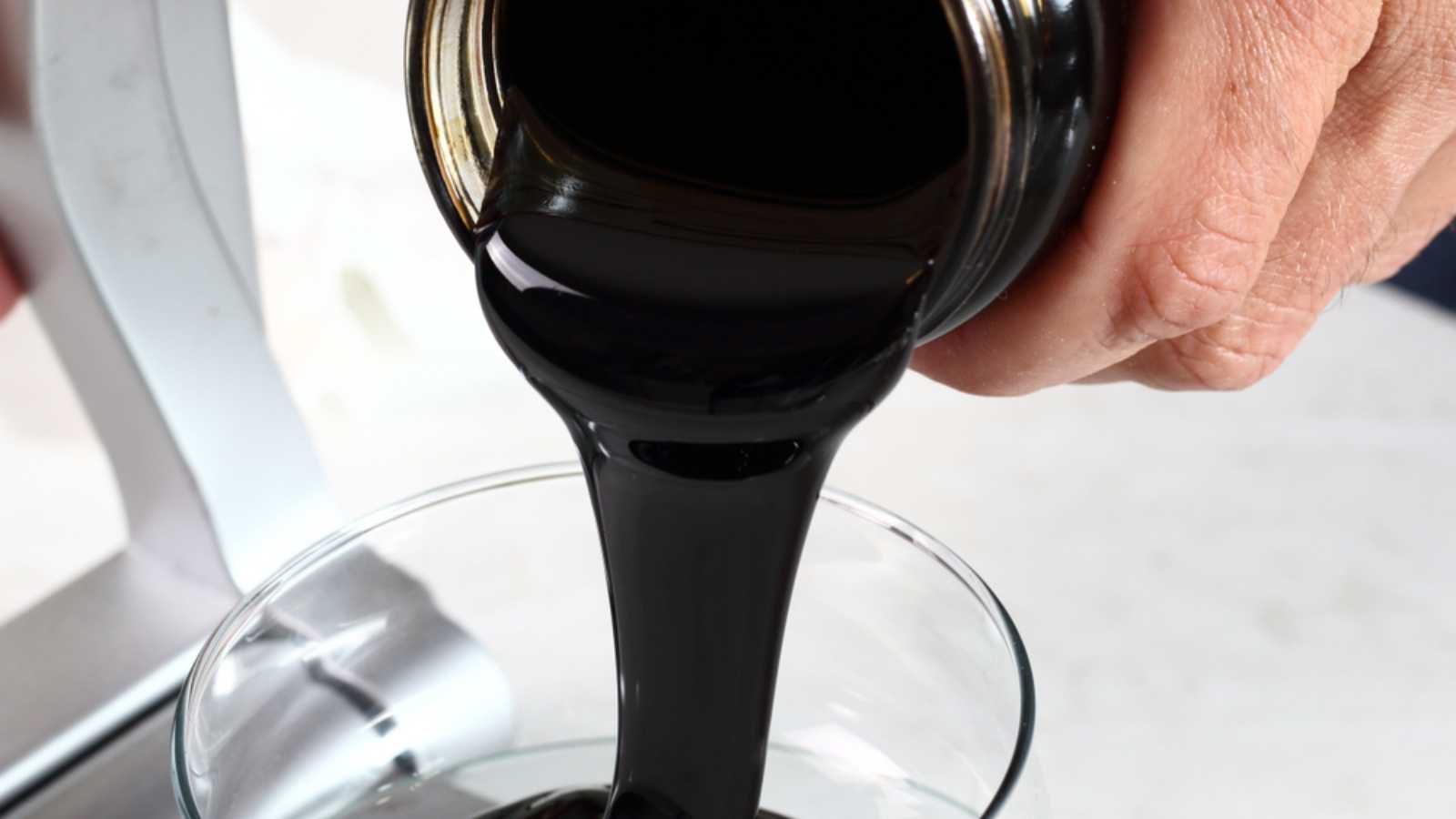
Molasses carries so much concentrated sugar that a standard commercial bottle can stay in the pantry after opening. Grandma’s Molasses answers the storage question directly: the product “does not require refrigeration, even after opening,” and the company prints its best-used-by date on the cap for a simple quality check.
Cold temperatures make this already thick syrup even slower, which turns a tablespoon into a patience test. Store the bottle upright, wipe sticky drips from the rim, and close it firmly so moisture and crumbs cannot sneak inside. Remember that a homemade molasses sauce containing butter or cream follows different rules; Grandma’s own dairy-based caramel recipe requires refrigeration for up to two weeks.
Sesame oil favors a cool, dark cabinet

Sesame oil needs protection from heat, light, and oxygen more than it needs cold air. Kikkoman says its sesame oil “does not require refrigeration after opening” and recommends a cool, dark cupboard or pantry instead, which also keeps the oil fluid and ready for quick drizzling.
Penn State Extension gives opened vegetable oils a broad one-to-six-month pantry range and notes that sesame, walnut, almond, and hazelnut oils can lose quality faster than plainer oils. Buy a bottle size that matches your cooking pace, tighten the cap, and smell it before use; rancid oil announces itself with stale, paint-like notes. Refrigeration can extend quality in a hot kitchen, but it may cause cloudiness and slower pouring.
Traditional vinegar-based hot sauce can stay out
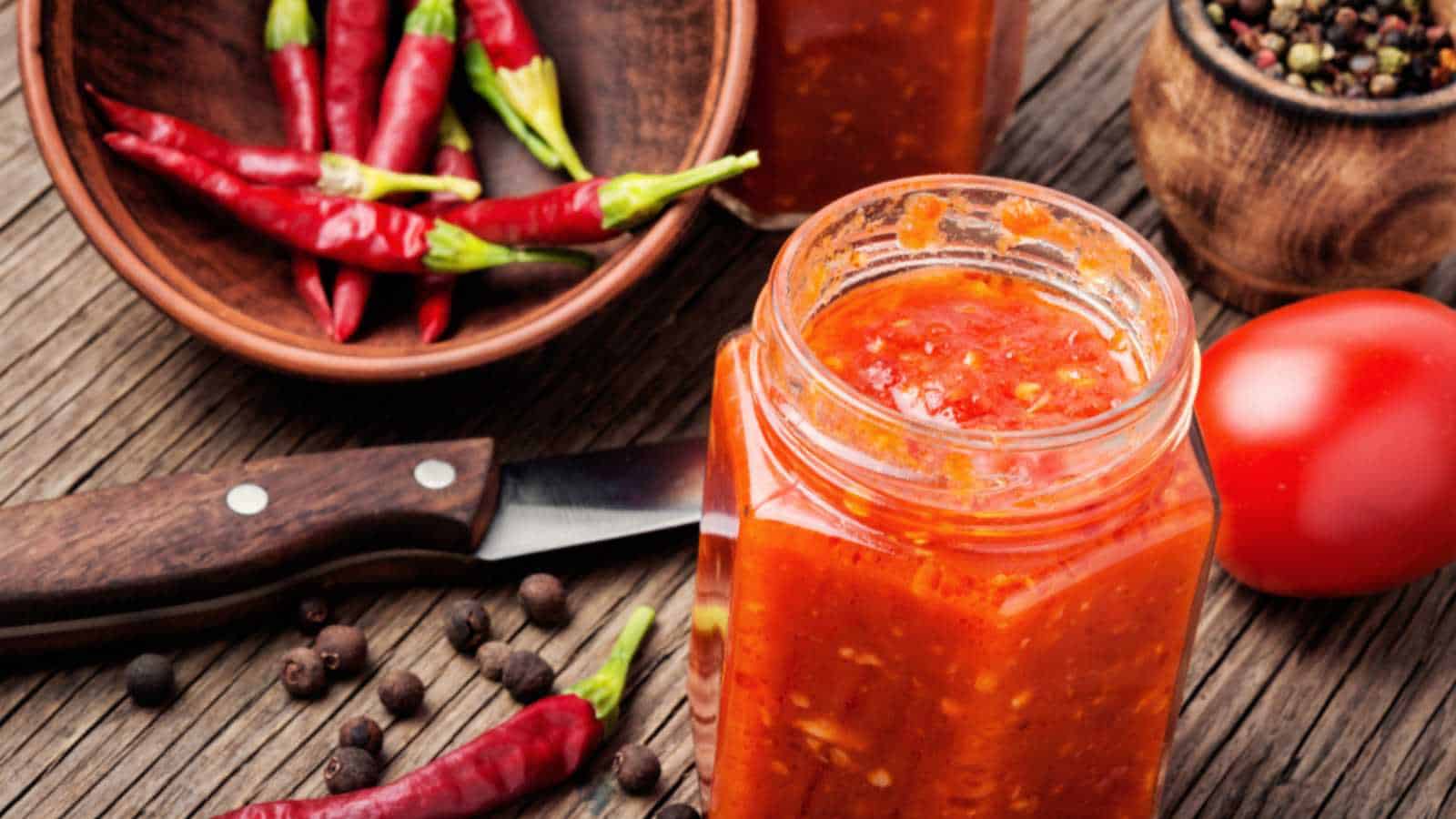
A simple vinegar-based hot sauce usually handles pantry life well, especially when the bottle contains peppers, vinegar, and salt rather than fresh fruit, dairy, or lots of garlic. TABASCO Original Red uses those three basic ingredients, ages pepper mash for up to three years, and lands between 2,500 and 5,000 Scoville heat units.
The brand lists a two-year shelf life for Original Red in larger food-service formats, while current sauce trends show chili oil growing 27% and Thai chili sauce growing 22% on menus. That popularity makes one warning important: do not treat homemade garlic-in-oil sauce like bottled vinegar hot sauce, because low-acid garlic oil can support botulism and requires refrigeration.
Agave nectar pours better from the pantry

Agave nectar behaves more like honey than maple syrup, and commercial bottles do not need refrigerator space after opening. Wholesome says leaving agave syrup unrefrigerated will not harm the product, while its raw blue agave product tastes about 25% sweeter than sugar, so many people use a smaller amount in coffee, oatmeal, pancakes, and baking.
Cold storage can make agave thicker and harder to squeeze, which defeats the convenience of the bottle. Keep it tightly capped at normal room temperature, clean syrup from the nozzle, and protect it from direct sunlight. Do not confuse agave nectar with fresh agave-based sauces or cocktails that contain fruit juice; those mixtures may need refrigeration even when the original sweetener does not.
Liquid aminos can live in a cool cabinet

Liquid aminos sit near soy sauce in many kitchens, and they can also tolerate cool, dark pantry storage. Bragg makes its classic version from soybeans and water, lists 16 amino acids, and reports 310 milligrams of sodium per teaspoon; the company tells consumers to store the bottle in a cool, dark place and recommends refrigeration only “for best results.”
That language leaves room for a practical choice. Keep a small, frequently used bottle in the pantry when you prefer easy pouring, but chill a large or slowly used bottle to protect flavor. Always separate soy-based liquid aminos from coconut aminos and other blended products, because ingredients and storage directions differ. The bottle label outranks internet folklore, even when internet folklore speaks with tremendous confidence and absolutely no food-science degree.
Key takeaway

The refrigerator slows bacterial growth, and the FDA warns that some bacteria can double every 20 minutes at room temperature, but that fact does not turn every condiment into a perishable food. Honey, stabilized peanut butter, chocolate-hazelnut spread, many tahinis, regular soy sauce, fish sauce, vinegar, molasses, sesame oil, simple hot sauce, agave nectar, and liquid aminos can often be safely stored in the pantry or maintain better texture there.
Use three checks before moving anything: read the label, study the ingredients, and consider how quickly you finish the bottle. Refrigerate low-sodium, homemade, diluted, fruit-heavy, dairy-based, or garlic-in-oil condiments when instructions require it, and discard anything with mold, swelling, strange odors, or contamination. Reclaim the fridge door carefully, not recklessly; your sauces deserve organization, but nobody needs a condiment rebellion.
More articles you might like:
- 11 Nutrition Recommendations For Women
- Nursing Homes Are Failing To Meet Basic Nutrition Standards Putting Seniors At Risk
- What’s Really In Baby Food? Independent Analysis Uncovers Toxic Metals And Nutritional Gaps