12 easy ways to make your wardrobe feel new without buying anything
A closet full of clothes can somehow still leave you staring at the rack thinking, “I have nothing to wear.” But before you start filling an online shopping cart, the solution may already be hanging right in front of you.
Often, clothes start feeling boring not because they’re outdated, but because we’ve fallen into the habit of wearing them the same way every time. A shirt always gets paired with the same jeans. A summer dress disappears when temperatures drop. A blazer only comes out for work. Eventually, even a packed wardrobe can feel surprisingly limited.
The good news is that small styling changes can make familiar pieces look completely different. Changing proportions, experimenting with layers, swapping shoes, adding a belt, or pulling forgotten pieces from the back of the closet can create combinations you’ve never considered.
Before buying another piece of clothing, try shopping your own closet first. Here are 12 simple styling tricks that can make the wardrobe you already own feel surprisingly new.
1. Rotate Seasonal Pieces Creatively
Buffalo Exchange notes that closet rotation keeps wardrobes feeling fresh without unnecessary shopping by encouraging people to reuse what they already own. Most of us pack away summer or winter clothes once the season changes, but many pieces can live longer in your wardrobe if you style them differently. A sundress, for example, can be worn in the fall with tights, boots, and a chunky cardigan. A lightweight linen shirt works as a layering piece under sweaters during cooler months.
The key is to stop thinking of clothes as only “summer” or “winter.” When you rotate pieces across seasons, you stretch their lifespan and discover combinations you might not have considered. That dress you wore to the beach last year could just as easily become your go-to work outfit when styled differently.
2. Use Accessories As Outfit Anchors
Accessories aren’t just extras; they can set the tone for your whole look. A bold necklace can transform a plain tee and jeans into a styled outfit. A patterned scarf can inject personality into a neutral dress.
When you use accessories this way, you don’t just add interest—you create a new context for your clothes. Suddenly, basics feel fresh because they’re supporting a different story.
3. Try Tucking And Knotting Techniques
The way you style a shirt can completely change its appearance. A full tuck makes a top appear polished, while a French tuck (only tucking the front) creates balance—structured but not too formal. Knotted hems can highlight your waistline and change the proportions of an otherwise loose top.
Fashion guides demonstrate how small shifts like these make clothes feel intentional. Tutorials on shirt-tucking, like those shared on Pinterest and YouTube, emphasize that the French tuck helps avoid a frumpy look and adds instant shape.
4. Layer Shirts Under Dresses
Adding a shirt under a dress is one of the oldest yet most effective hacks. A button-up under a slip dress creates an office-appropriate look, and a plain tee under a sundress makes it wearable into autumn.
This layering trick is also championed by professional stylists who see it as a way to extend the lifespan of dresses. Instead of packing them away once the season changes, you bring them into rotation year-round with minimal effort.
5. Experiment With Monochrome Outfits
Wearing different shades of the same color looks intentional and modern. Try navy pants with a sky-blue shirt and a darker blazer, or beige trousers with a camel sweater and tan shoes.
Stylists point out that the trick to monochrome is depth. Ravi Gupta, creative director at Gargee Designers, advises mixing textures and tones within a single palette—like pairing navy blue with midnight blue, or combining leather with denim—to avoid looking flat. Celebrities like Zendaya have mastered this approach by layering sculptural, monochrome pieces that elongate the figure and highlight texture.
The takeaway: monochrome isn’t boring if you play with shades, fabrics, and proportions.
6. Rework Outerwear Indoors
Jackets, blazers, and coats often fall into the “outerwear” category, but treating them as part of your outfit opens new possibilities. A blazer over a hoodie creates a smart-casual balance, while a denim jacket over a dress adds structure.
Stylists are vocal about this shift. Byrdie highlights the “Wrong Jacket Theory,” a TikTok-born idea of deliberately pairing an unexpected coat with your outfit to make it more dynamic—like throwing a dramatic trench over a casual look. The principle is clear: outerwear isn’t just functional, it can be the star of your look.
7. Mix Textures For Contrast
If you’re bored of your outfits, think beyond color. Texture can transform how an outfit feels. Pairing denim with silk or chunky knits with satin adds dimension.
Fashion experts emphasize this as one of the easiest ways to refresh a look. According to stylist guides in Woman & Home, mixing textures keeps monochrome dressing dynamic, but the same principle works for any outfit. Even if you only wear neutral colors, texture brings visual interest.
8. Adjust Sleeve And Pant Lengths
Something as small as rolling sleeves or cuffing pants can instantly modernize an outfit. The Tie Bar demonstrates five ways to roll shirt sleeves, from the polished Italian roll to casual folds. These small choices signal different moods, showing how sleeve styling is a detail with impact.
Tailoring experts at Westwood Hart note that even a fraction of length matters: jacket sleeves should reveal ¼ to ½ inch of shirt cuff for balance. Meanwhile, pant cuffs can shorten or elongate the leg depending on how you fold them. The lesson is clear—how you wear clothes is as important as the clothes themselves.
9. Belt Over Layers
A belt is a simple tool that instantly reshapes an outfit. Instead of only wearing it with pants, try it over a cardigan, blazer, or loose dress. Cinching the waist adds structure, which can transform an oversized or boxy piece into something tailored.
Switching where you place the belt also changes the silhouette. A high-waist belt creates a different vibe from one worn at the hips. These subtle shifts let you style the same clothes in multiple ways.
10. Swap Shoes For Impact
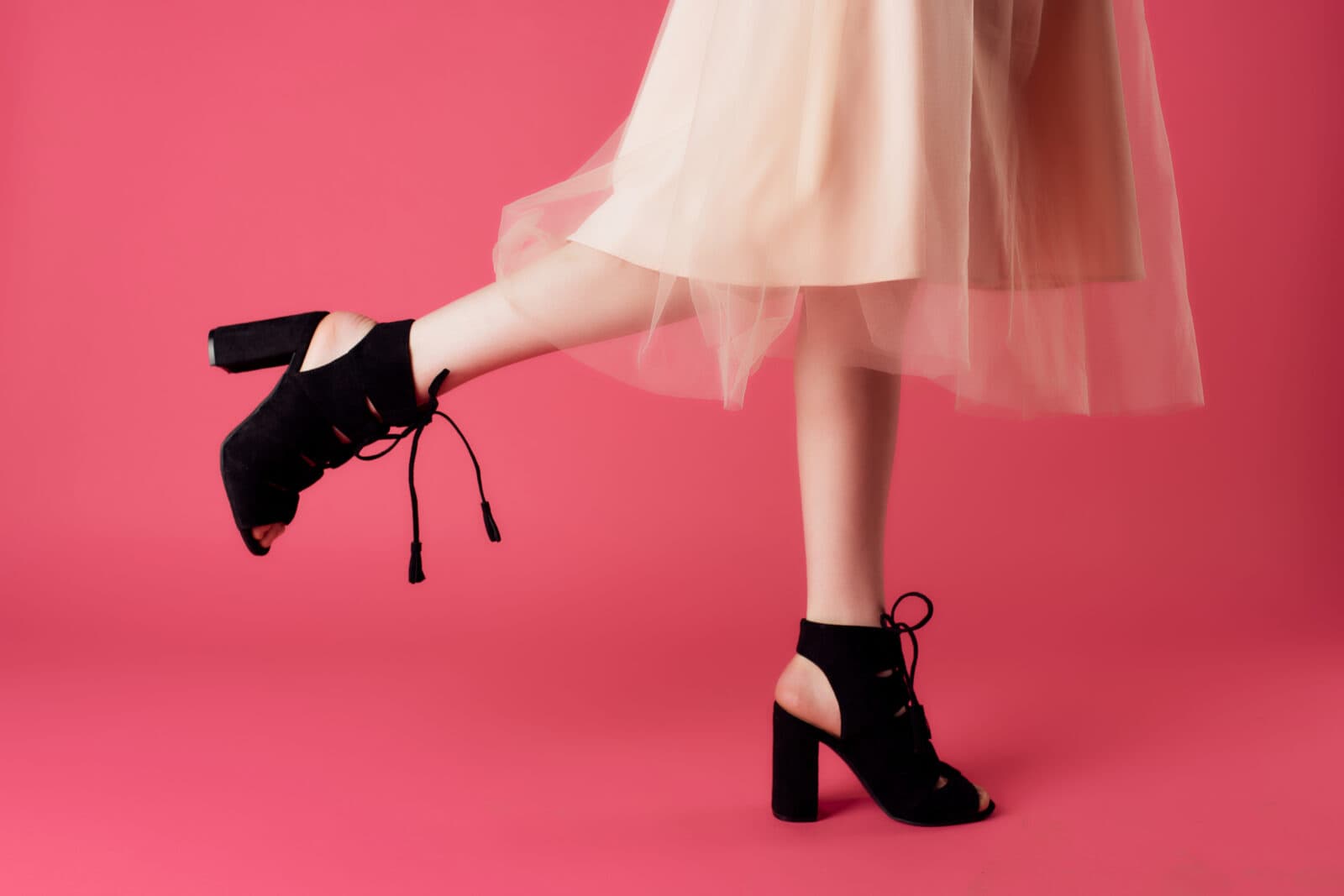
Shoes change the tone of an outfit instantly. Sneakers with a dress create casual ease, while boots shift it toward edgy or formal. Loafers can smarten denim, and sandals relax tailored trousers.
This principle is echoed by countless stylists who stress footwear as the finishing touch that can make or break an outfit. You don’t need dozens of pairs, just a few strategic swaps to completely alter your wardrobe’s vibe.
11. Restyle With Scarves Beyond The Neck
Scarves are versatile tools that extend far beyond being worn around the neck. Style guides recommend tying one around your waist as a belt, folding it into a headband, or wrapping it around a handbag handle. Sharon Stone’s recent silk scarf belt is a perfect example of how this works in real life.
Treating scarves as multi-purpose accessories means one item can deliver multiple fresh looks. It’s a sustainable way to expand your styling options.
12. Revisit Forgotten Items
Every closet has pieces pushed to the back. Taking time to pull them out can feel like shopping your own wardrobe. Items that once felt tricky to style might click when you try new layering, belting, or proportion techniques.
Rediscovering what you already own is one of the most sustainable ways to refresh your wardrobe. Often, the best “new” outfits are the ones you already had waiting.
Wrapping Up
Refreshing your wardrobe doesn’t require buying new pieces. Expert stylists and fashion writers agree that simple tricks—like tucking, belting, or mixing textures—can shift how you experience the clothes you already own. From rotating seasonal pieces to experimenting with monochrome looks, these hacks prove that variety comes from creativity, not consumption.
With these strategies, your closet becomes less about limits and more about possibilities. The next time you feel like you need something new, try one of these approaches—you might be surprised at how much potential your wardrobe already holds.
More articles you might like: