Is your hair getting thinner? 9 reasons women lose hair and what may actually help
You notice more hair in the shower drain. Your ponytail suddenly feels smaller. Or maybe the part you’ve worn for years seems to be getting wider.
For many women, thinning hair can be alarming precisely because it’s difficult to know what’s causing it. Hormonal changes, genetics, thyroid problems, nutritional deficiencies, scalp conditions, medications, and even the way you style your hair can all play a role.
The encouraging part is that hair loss isn’t always something you simply have to accept. Depending on the cause, treatments ranging from minoxidil and addressing underlying medical conditions to specialized procedures and cosmetic solutions may help.
If your hair seems noticeably thinner than it used to, here are nine common causes and treatment options worth knowing about.
Top Causes of Thinning Hair
Thinning hair in women can stem from a myriad of factors, both internal and external. Understanding these underlying causes is crucial for devising an effective treatment plan. Here are some common triggers:
Hormonal Imbalances
Fluctuations in hormone levels, such as those occurring during menopause or pregnancy, can contribute to hair loss in women. Hormonal imbalances may disrupt the natural hair growth cycle, leading to thinning strands.
Genetic Predisposition
Female-pattern hair loss, also known as androgenic alopecia, is a genetic condition that affects women. This condition typically manifests as a widening of the part at the top of the head and is more prevalent in women over 40.
Medical Conditions
Certain medical conditions, including thyroid disorders, autoimmune diseases, and nutritional deficiencies, can trigger hair loss in women. Addressing these underlying health issues is essential for restoring hair growth.
Scalp Conditions
Inflammatory scalp conditions like eczema, psoriasis, and frontal fibrosing alopecia can lead to hair thinning or loss. These conditions often require specialized treatment to alleviate symptoms and promote hair regrowth.
External Factors
External factors such as excessive use of damaging hair products, tight hairstyles, and heat styling tools can weaken the hair shaft and contribute to thinning over time.
Exploring Treatment Options
Effective management of thinning hair hinges on addressing the root cause and adopting targeted treatment strategies. Here are some approaches commonly employed to combat hair loss in women:
Medications
Medications like minoxidil (Rogaine) are FDA-approved for treating certain types of hair loss in women. These topical solutions stimulate hair follicles, promoting regrowth and halting further thinning.
Platelet-Rich Plasma (PRP) Therapy
PRP therapy involves injecting concentrated platelets derived from the patient’s blood into the scalp. These growth factors stimulate hair follicles, encouraging new hair growth and improving hair density.
Low-Level Laser Therapy (LLLT)
LLLT utilizes red or near-infrared light to stimulate hair follicles, enhancing cellular activity and promoting hair regrowth. This non-invasive treatment is safe and painless, offering promising results for women with thinning hair.
Hair Transplantation
For women with localized hair loss, hair transplantation may be a viable option. This surgical procedure involves transplanting healthy hair follicles from donor sites to thinning or balding areas, restoring natural-looking hair growth.
Embracing Cosmetic Solutions
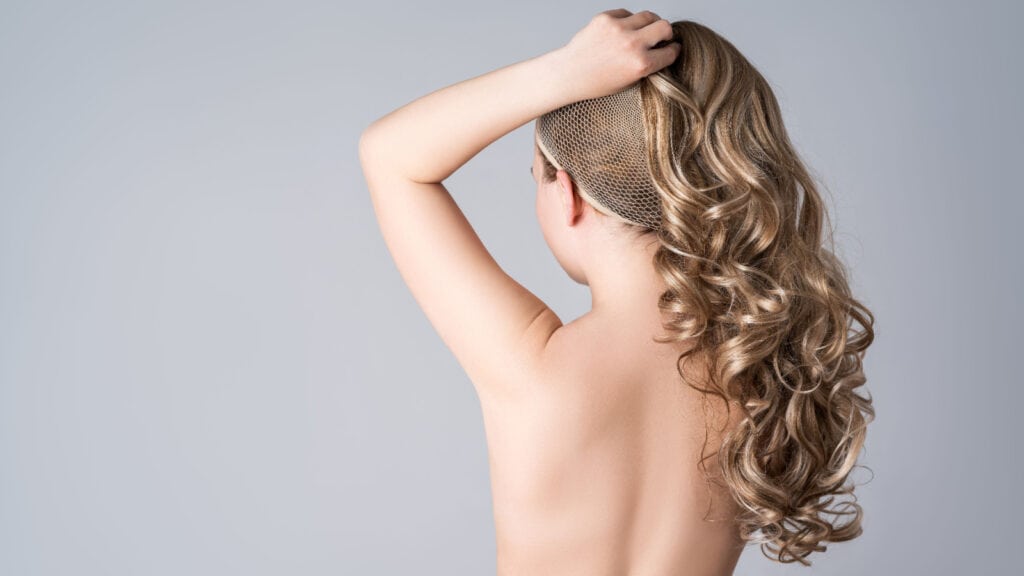
In addition to medical interventions, women experiencing thinning hair can explore various cosmetic options to enhance their hair’s appearance:
Wigs and Hairpieces
Wigs and hairpieces offer a versatile solution for women seeking to conceal thinning or balding areas. Modern wig technologies provide natural-looking styles and comfortable wearability.
Hair Integration Systems
Hair integration systems combine natural hair with synthetic or human hair extensions to create seamless, voluminous styles. These customizable solutions cater to individual preferences and lifestyle needs. You might have heard of or even seen hair extensions applied. Hair integration systems can be quite sophisticated, with 3D scans of your head and custom pieces created that are undetectable.
Let’s Sum It Up!
Thinning hair in women is an issue influenced by genetics, hormones, and lifestyle factors. By identifying the underlying cause and implementing targeted treatment strategies, women can effectively manage hair loss and restore confidence in their appearance. Whether through medical interventions, cosmetic solutions, or a combination of both, there are numerous options available to address thinning hair and promote healthy, vibrant locks.
3 Simple Somatic Movements You Can Do To Calm Your Nervous System

Daily life can be unnerving. And it’s easy to go from calm to anxious or nervous in a flash. What’s harder is to go from anxious or nervous to calm. Read: 3 Simple Somatic Movements You Can Do To Calm Your Nervous System
3 Ways Embodiment Can Help Manage Feelings Of Loss And Grief

Loss is quite present in many of our lives. So, how do we navigate this turbulent terrain? Read: 3 Ways Embodiment Can Help Manage Feelings Of Loss And Grief