12 thrift store finds women never leave behind when they spot them
What lands on those racks and shelves is rarely priced by material science, craftsmanship, or long-term utility. It’s priced by speed, volume, and surface-level appearance. Large donation networks like Goodwill Industries International process and price items rapidly to keep inventory moving, which means deeper markers of quality are often overlooked.
In the global resale market, now valued at hundreds of billions, a significant share of second-hand goods is still sold below their true replacement cost simply because their quality isn’t immediately apparent. Items built to last for decades sit beside disposable ones, often priced the same.
Experienced thrifters learn to spot weight, stitching, grain, and construction details in seconds, signals that separate something merely cheap from something genuinely valuable. The finds that rarely get passed over tend to share a common trait: they hide durability, craftsmanship, or material quality in ways that are easy to miss if you’re only scanning for brand names or trends.
High-End Kitchenware
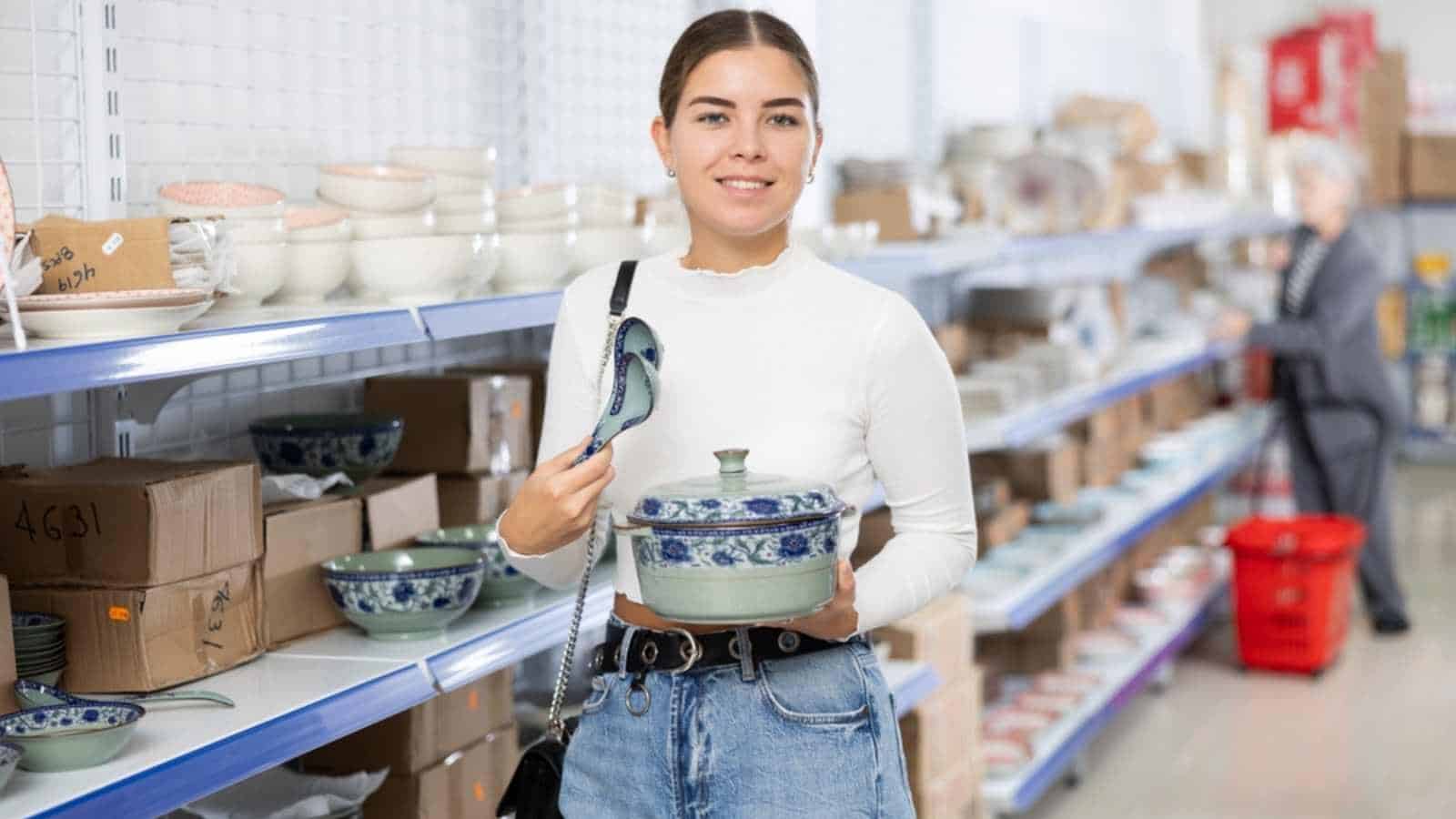
Cast-iron skillets and copper pots represent the ultimate thrift store victory because their utility often improves with age. A well-seasoned Le Creuset or Griswold pan, available at a fraction of its $300 retail price, offers superior heat retention that modern, thin-walled aluminum cannot match.
High-quality cookware can last over 50 years, yet it frequently enters the second-hand market during estate liquidations. Collectors often hunt for the Erie logo on the bottom of pans, a mark of pre-1900s craftsmanship that signifies a lighter, smoother cooking surface.
Used porous ceramics pose hygiene risks; the non-porous nature of vitrified stoneware and the high-heat sterilization of cast iron render these concerns scientifically negligible. The hunt is driven by the fact that vintage Dutch ovens often feature thicker enamel coatings than their contemporary mass-produced counterparts, making them more resistant to thermal shock.
Solid Wood Furniture
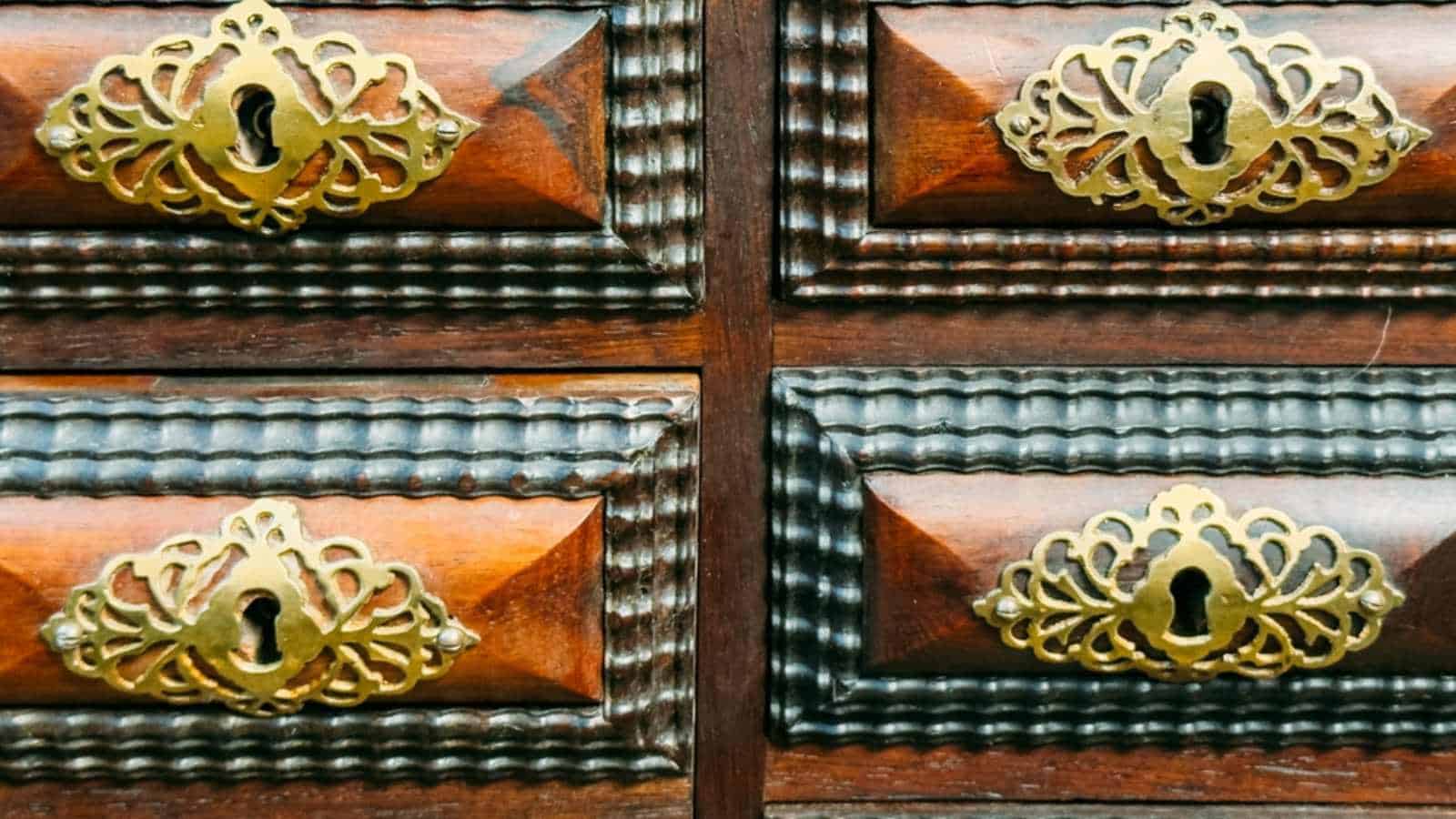
The prevalence of particleboard in modern manufacturing has turned solid oak, walnut, and mahogany into rare treasures for the discerning eye. Thrifters prioritize pieces with dovetail joints over staples or glue, as these mechanical connections indicate a level of carpentry that resists the warping common to flat-pack alternatives.
Solid wood furniture maintains its structural integrity for centuries, whereas engineered wood typically fails within 15 years of heavy use. Historical references like The Cabinet-Maker and Upholsterer’s Guide by George Hepplewhite emphasize that true value lies in the continuity of grain and the weight of the timber.
Some modern minimalists suggest that heavy vintage pieces clutter small urban apartments, but the resale value of a mid-century modern teak credenza often exceeds its original inflation-adjusted price. This financial appreciation transforms a simple furniture purchase into a liquid asset that resists the depreciation typical of department store inventory.
Genuine Leather Handbags
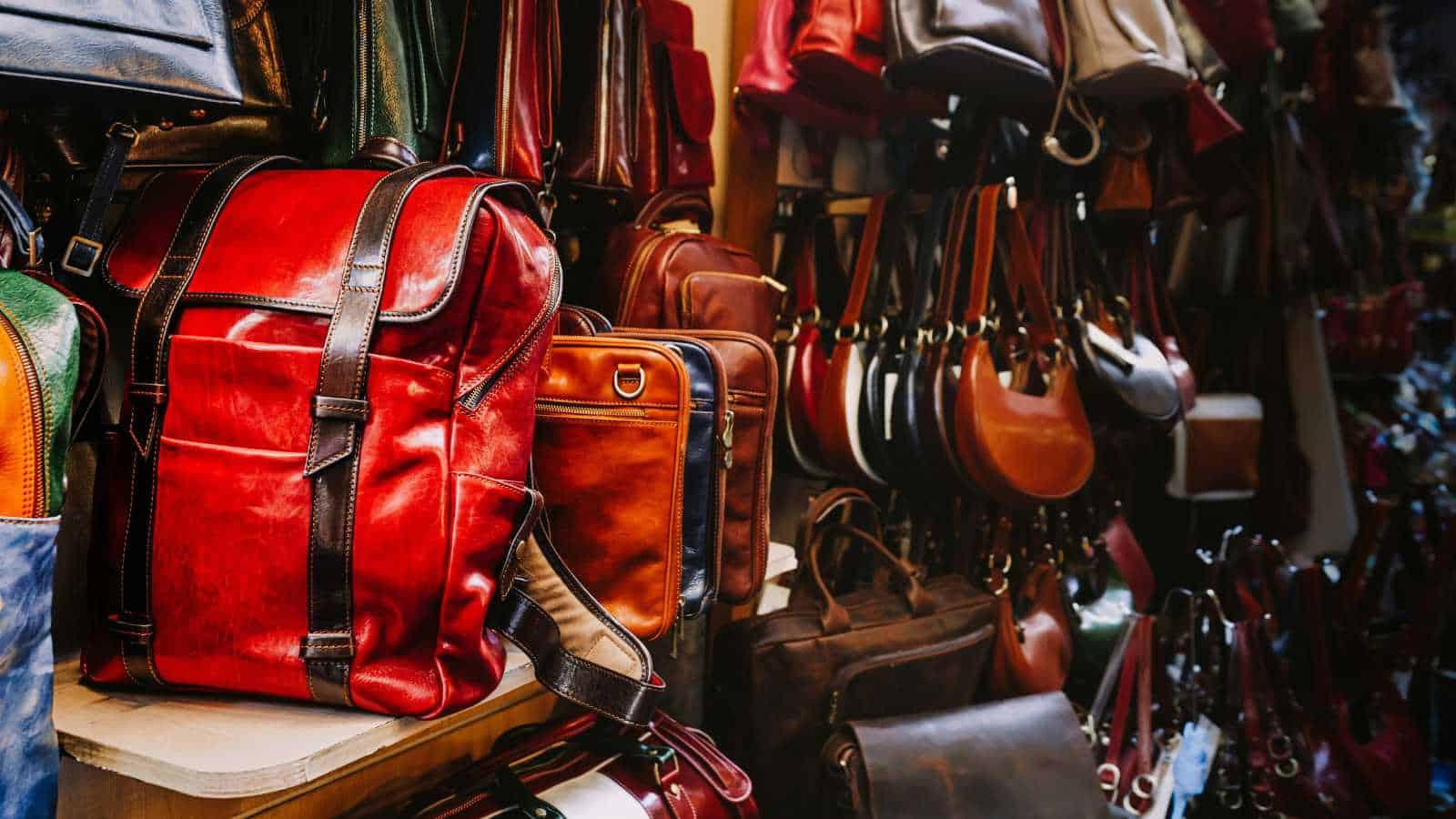
A leather bag is a tactile investment, with a cost-to-wear ratio that becomes exceptionally favorable at thrift prices. Discerning shoppers look for full-grain hides, which develop a unique patina over time, unlike genuine leather, which is actually a thin layer of hide bonded to a plastic base.
The luxury resale market has seen a 25% annual growth rate according to ThredUp’s 2025 Resale Report, largely fueled by women finding vintage Coach or Dooney & Bourke items mispriced by store volunteers. These legacy brands utilized thick, chrome-tanned skins that survive decades of friction.
While animal rights proponents advocate for synthetic vegan alternatives, many environmental scientists argue that a vintage leather bag is more sustainable because it is already in the waste stream and does not shed microplastics, unlike polyurethane.
The presence of heavy brass hardware and Riri zippers serves as a diagnostic tool for quality, as these components are too expensive for low-end manufacturers to use.
Silk and Cashmere Garments
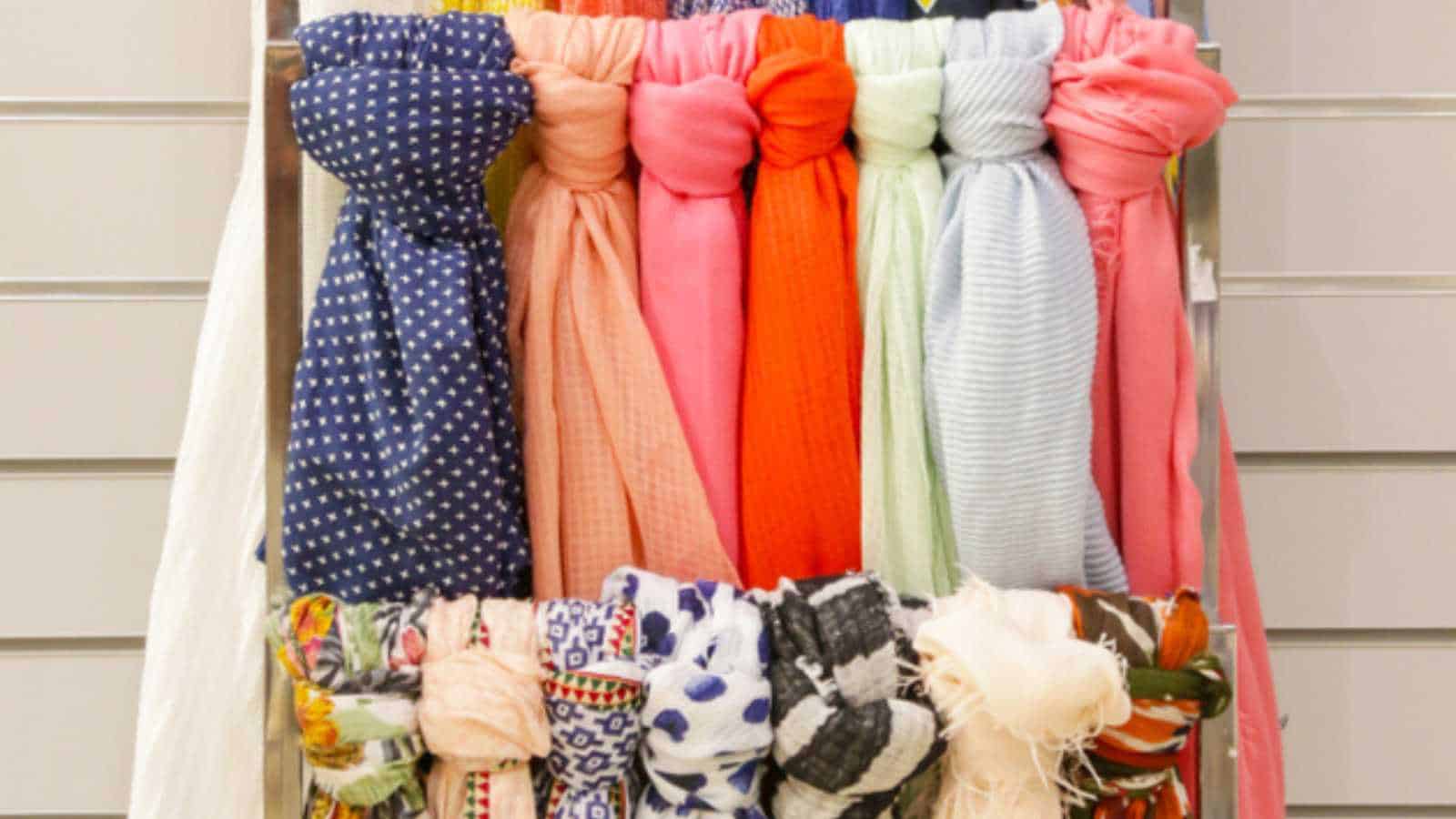
Natural fibers offer a level of breathability and insulation that polyester blends cannot match, making them a top-tier find. A 100% cashmere sweater or a heavy silk slip dress often hides among pilled acrylics, identifiable only by the touch of a practiced hand or a fiber-content tag.
The burn test is a common expert technique in which a single loose thread is ignited; silk smells like burning hair and leaves brittle ash, whereas synthetics melt into a hard plastic bead. Silk fibers have tensile strength comparable to that of steel wire of the same diameter, allowing these garments to endure if protected from moths.
Silk is high-maintenance for dry cleaning, but many vintage enthusiasts use cold-water handwashing with lanolin-based soap to maintain the fabric’s integrity. Finding a Made in Italy or Made in Scotland label provides a geographical guarantee of traditional weaving standards that have largely vanished in the era of fast fashion.
Vintage Sterling Silver
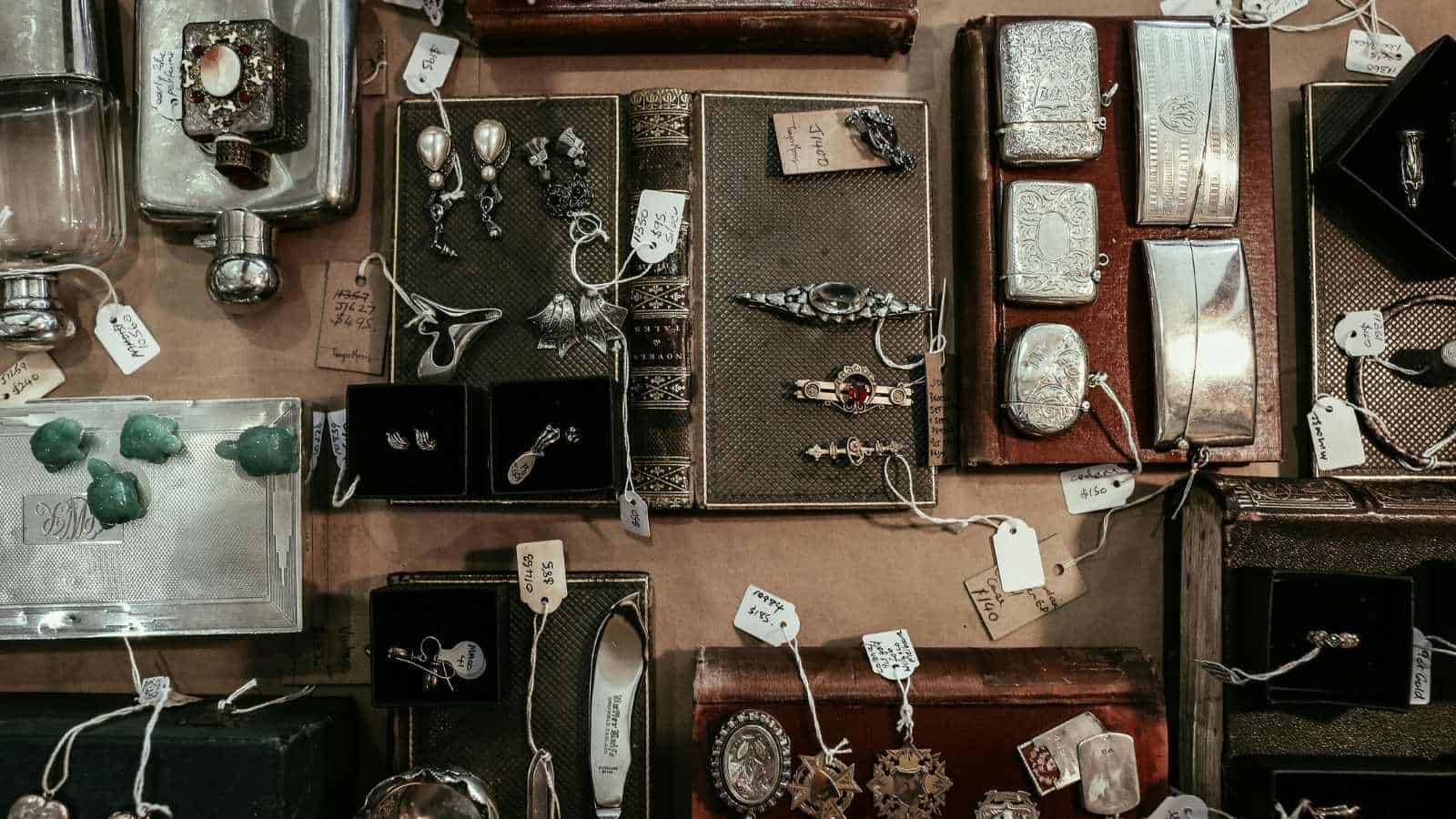
Silver-plated items are common, but the discovery of a 925 or Lion Passant hallmark signals a find with actual bullion value. Sterling silver jewelry and flatware are frequently overlooked when they are tarnished to a deep black, masking their brilliance.
The industrial demand for silver continues to rise, yet thrift stores often price these items based on their weight as scrap rather than their artistic merit. A single Tiffany & Co. spoon or a heavy Navajo turquoise cuff represents a significant return on investment.
Some modern decorators find silver sets too formal for daily life, but the antimicrobial properties of silver, documented since ancient Phoenician times, offer a practical reason for using it in the kitchen. Unlike stainless steel, silver can be polished indefinitely without losing its luster, ensuring that a one-dollar thrift find remains a family heirloom for generations to come.
Classic Hardcover Books
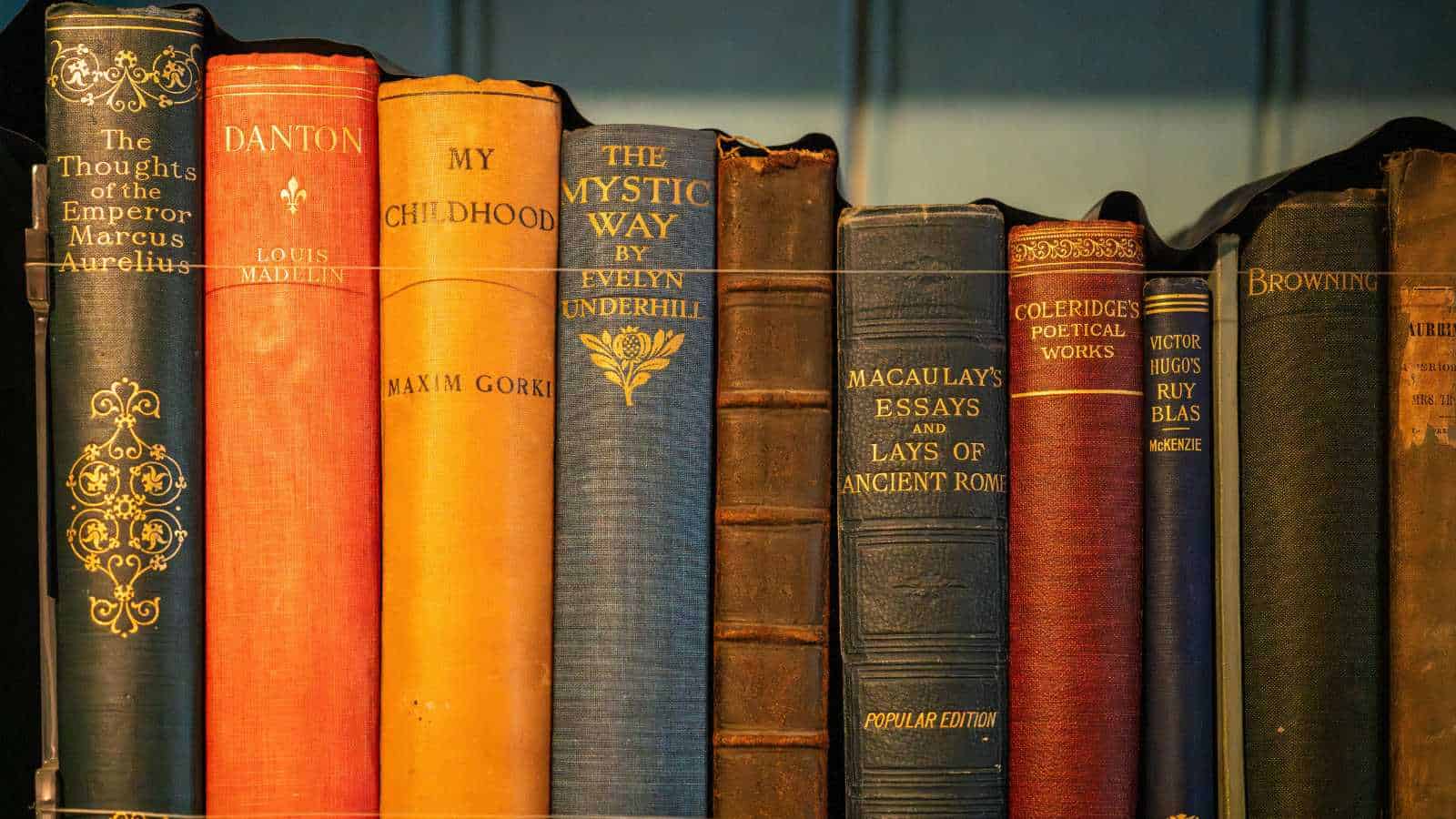
First editions and library-bound classics offer an aesthetic and intellectual value that digital e-readers lack. Book collectors often target titles with uncut edges or original dust jackets. Uncut refers to a book where the margins have not been trimmed by a binder, preserving the original paper size.
Collectors pay a premium for this because it proves the book has never been rebound, maintaining its original state. The physical durability of a cloth-bound hardcover ensures it remains readable for centuries, long after digital formats become obsolete.
Physical books are merely dust collectors in a paperless age, but the tactile experience of reading a volume like The Elements of Style or a vintage botanical atlas offers a cognitive engagement that screens do not.
Large coffee-table books featuring high-resolution art prints are particularly prized, as the cost of printing such images today makes new editions prohibitively expensive. These finds serve as both decor and reference material, filling shelves with a curated history of human thought that no subscription service can replicate.
Designer Blazers and Coats
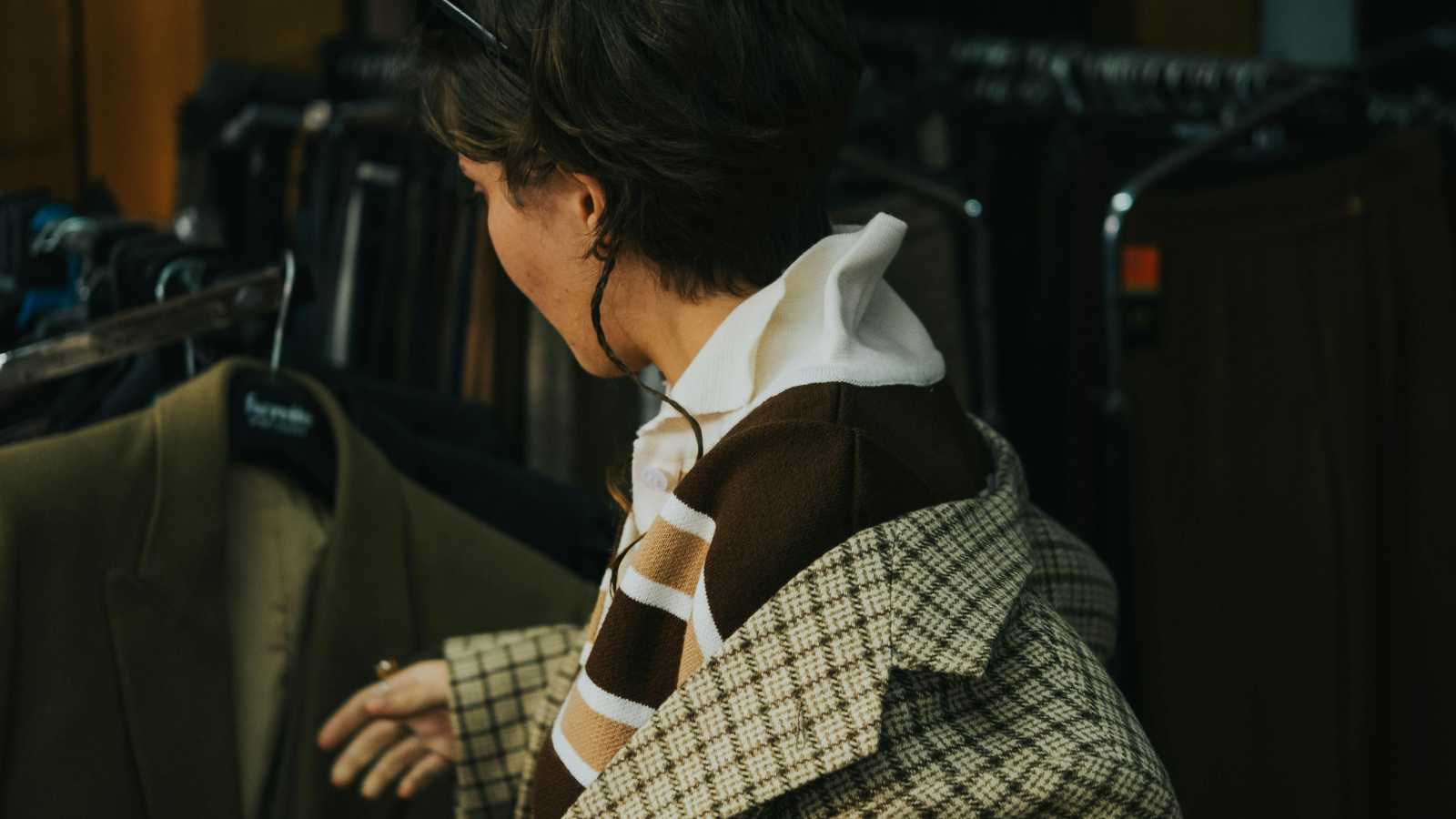
A well-structured blazer is the backbone of a versatile wardrobe, and finding one from a heritage brand like Burberry or Max Mara is the ultimate thrift store achievement. High-end tailoring is evidenced by bound buttonholes and hand-stitched linings, details that are omitted in mass production to save labor costs.
The United Nations Environment Program notes that the fashion industry accounts for 10% of global carbon emissions, making the rescue of a wool coat a significant act of conservation. Although vintage cuts are considered too dated, a professional tailor can modernize a 1980s silhouette for a fraction of the cost of a new garment.
The weight of the interfacing and the presence of shoulder pads sewn in rather than glued indicate a garment designed to maintain its shape through hundreds of wears. This structural permanence makes a twenty-dollar vintage blazer a more logical purchase than a hundred-dollar fast-fashion equivalent.
Unique Glassware and Crystal
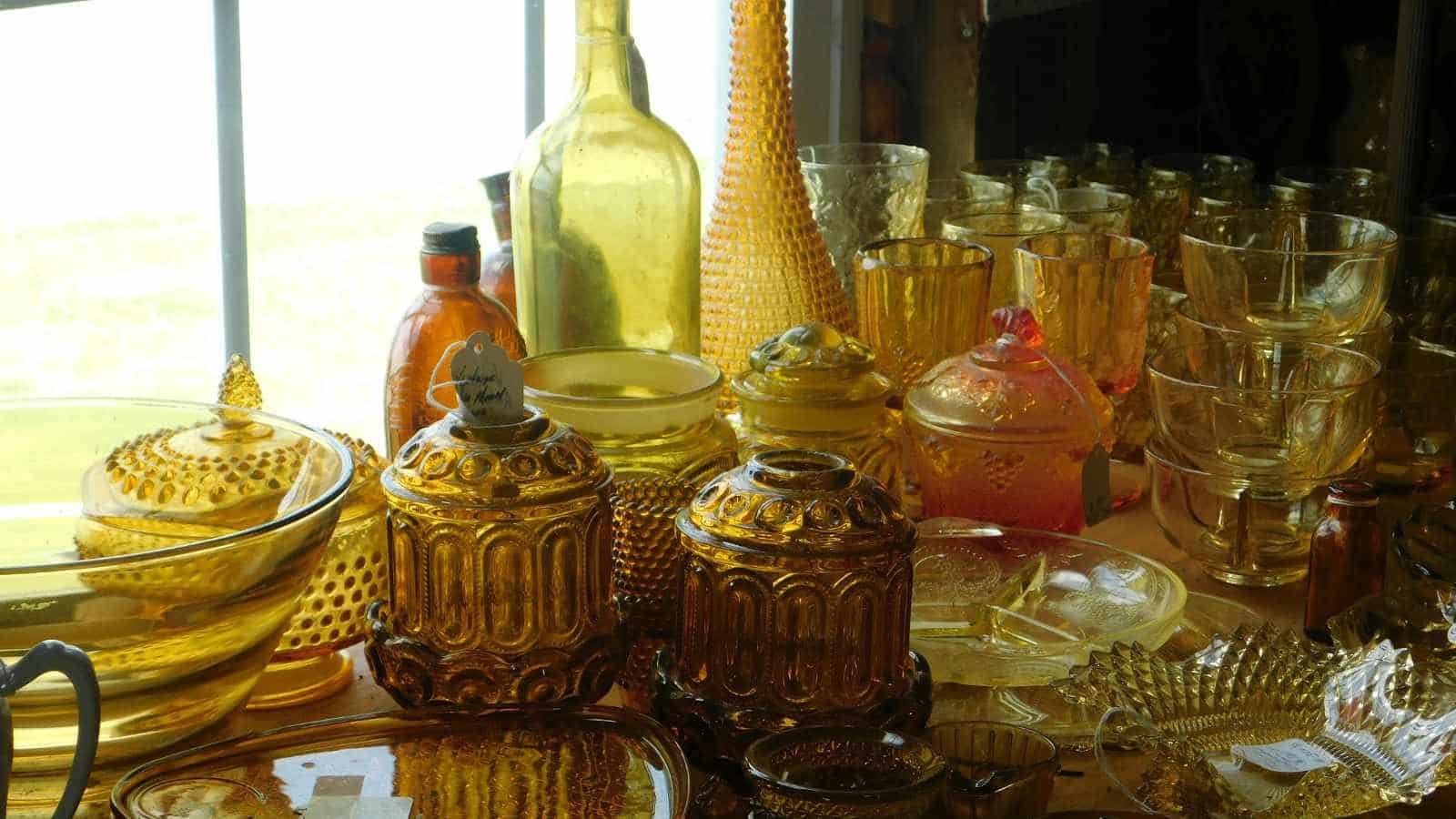
The ring of true lead crystal is a sound that experienced thrifters listen for when browsing the shelves. Items from makers like Waterford or Baccarat are often donated because they are part of incomplete sets, yet a single heavy decanter or a set of mismatched wine glasses adds a layer of sophistication to a home.
Vintage crystal has a higher refractive index than modern soda-lime glass, which means it sparkles more brightly under low light. Be cautious of lead crystal due to leaching concerns, but researchers suggest that short-term contact during a meal poses a negligible risk compared to long-term storage of acidic liquids.
The weight and the presence of a pontil mark or scar on the bottom of blown glass serve as evidence of handmade craftsmanship. These pieces are not just functional; they are sculptures that capture light, making them a frequent target for women who appreciate the intersection of art and utility.
Authentic Mirror Frames
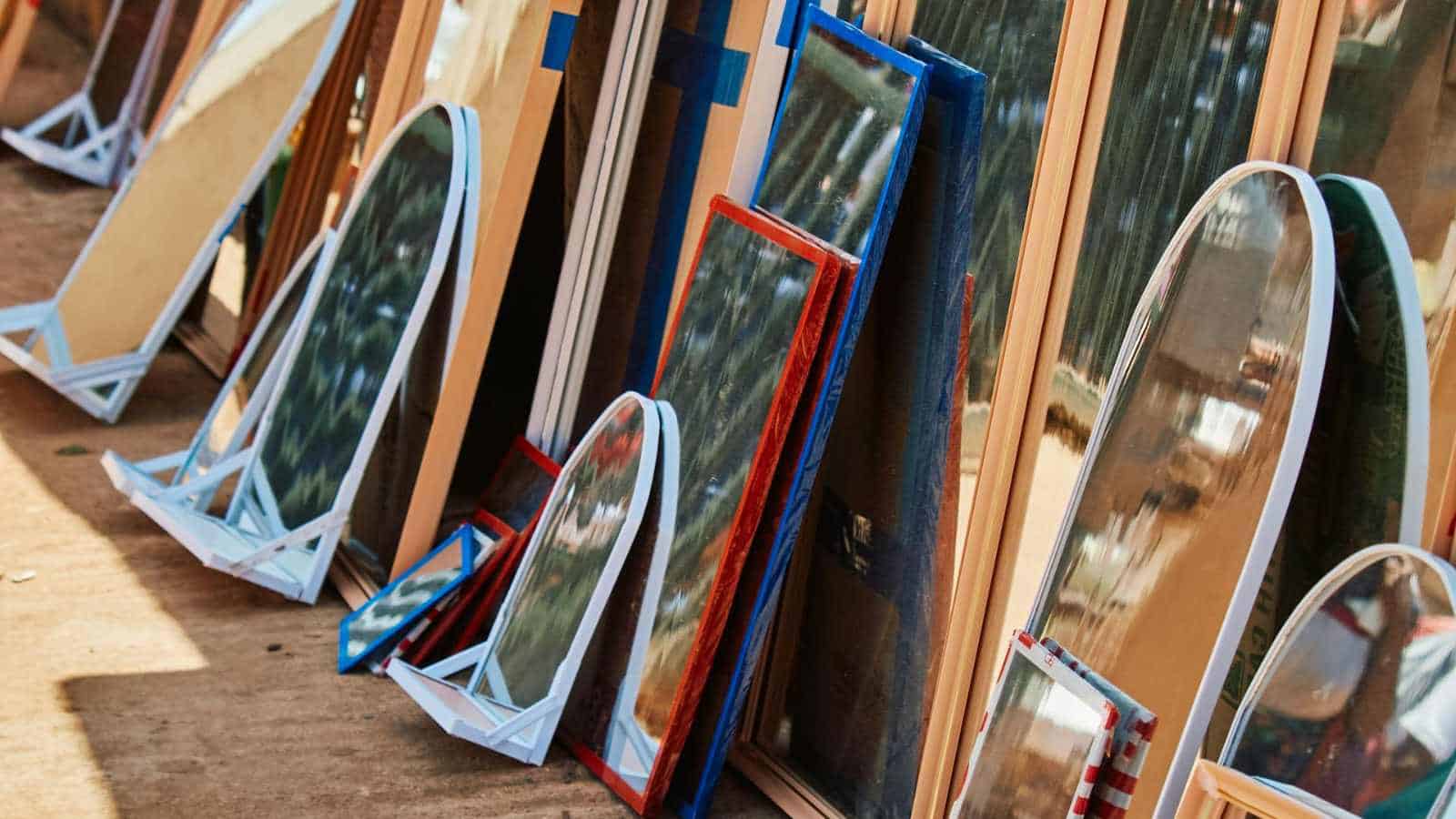
Vintage mirrors often feature heavy wood or ornate plaster frames that are far superior to the plastic or resin versions sold in big-box stores. The glass in older mirrors may have foxing, a term for the oxidation of the silvering that creates a moody, antiqued effect highly sought after in interior design.
Unique architectural details, such as a large gilded mirror, can increase a home’s perceived value during a sale. While some prefer the perfect clarity of modern glass, the slight distortions and imperfections in vintage mercury-silvered plates add a historical character that cannot be faked.
Replacing the glass while keeping an ornate Victorian or Art Deco frame is a common DIY strategy. This allows for the preservation of a high-quality frame that would cost hundreds of dollars at a custom framing shop for only a few dollars at a thrift location.
Natural Fiber Rugs
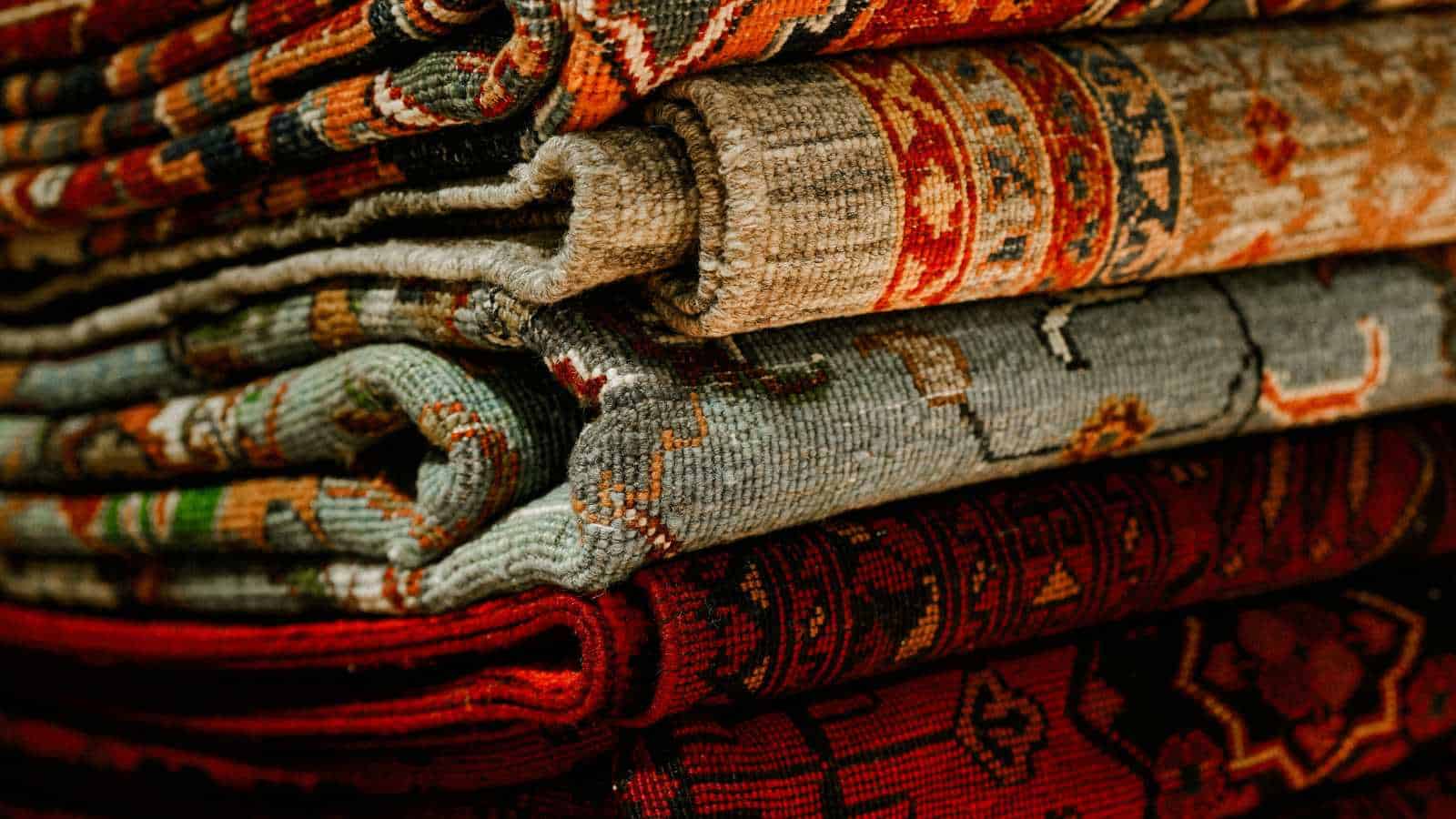
Hand-knotted wool or silk rugs are among the most valuable items a thrift store can stock, often mistaken for cheap machine-made versions. A genuine Persian or Turkish rug can be identified by looking at the back; if the pattern is as clear as it is on the front, it was made by hand.
The Knot Count, often measured in knots per square inch, determines the rug’s durability and the complexity of its design. Wool fibers can be bent 20,000 times before breaking, whereas synthetic fibers break after only 3,000 bends.
Professional deep-cleaning can restore a vintage rug to its original glory. The heavyweight and natural oils in wool make these rugs naturally flame-retardant and stain-resistant, providing a functional benefit that justifies the effort of the hunt.
Original Artwork
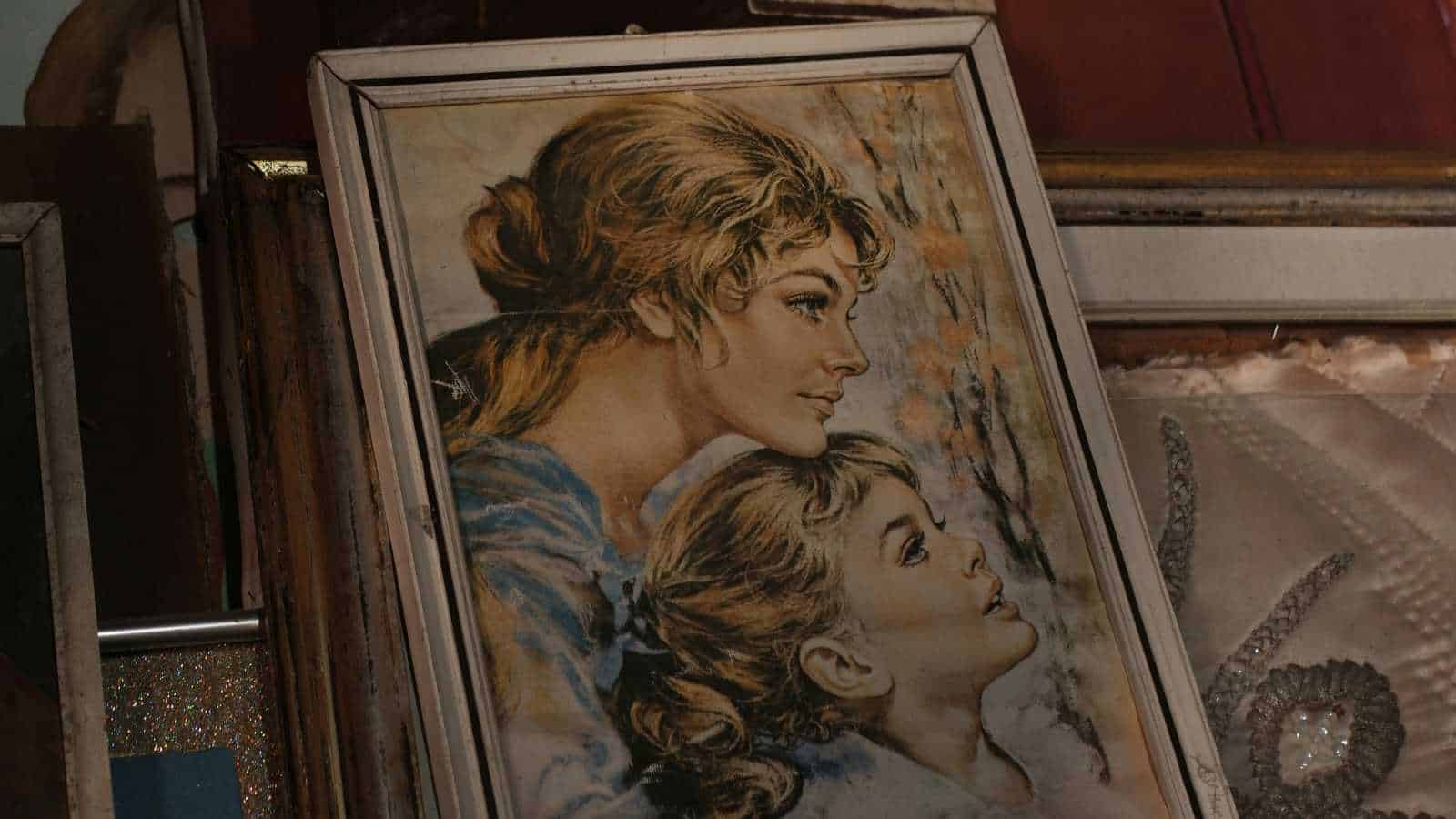
Thrift stores are the last frontier for finding original oil paintings and signed lithographs at prices below the cost of their frames. Many shoppers look for the impasto technique, in which paint is applied thickly enough that the brushstrokes are visible, distinguishing a real painting from a printed canvas. While the art market is often seen as elitist, the democratization of art through second-hand shops allows anyone to own a piece of human expression.
Most thrift art is kitsch, but the rise of the Cottagecore and Maximalist design movements has validated the eclectic charm of landscape studies and amateur portraits. Many significant 20th-century artists had their work sold in junk shops before their posthumous fame. Finding a piece that resonates emotionally for five dollars is a victory of personal taste over commercial trends.
Heavy Brass and Bronze Decor
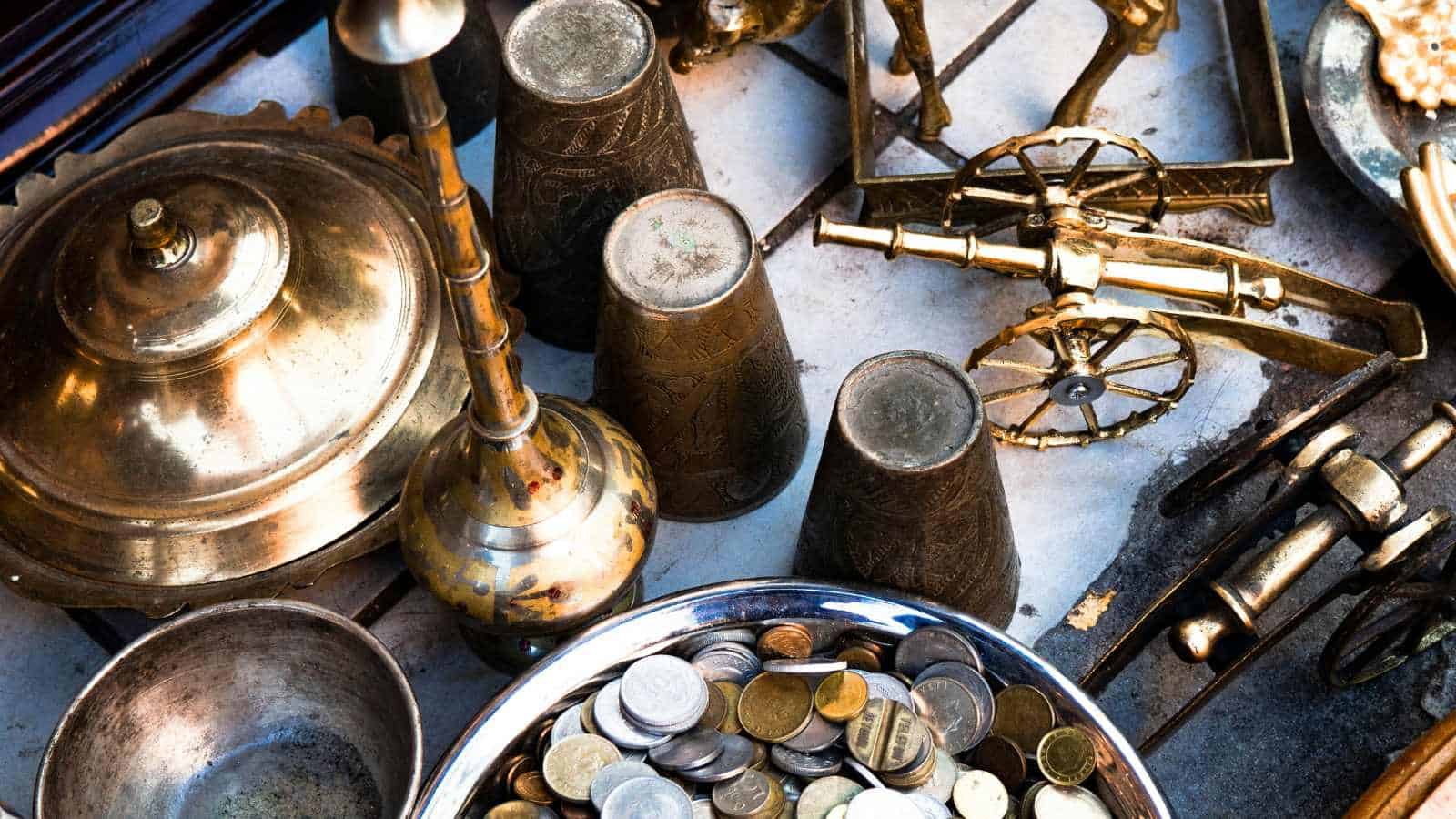
Solid brass candlesticks, bookends, and figurines are perennial favorites for their timeless appeal and substantial weight. Unlike brass-plated zinc, which will pit and peel over time, solid brass can be polished to a mirror finish or allowed to develop a deep, dark patina.
The magnet test is the simplest way to verify quality; if a magnet does not stick, the item is likely solid brass or bronze rather than plated steel. Brass is highly recyclable and durable, making it an eco-friendly choice for home styling.
Considering brass a dated look, yet its resurgence in high-end interior design magazines proves its cyclical nature. The heft of a solid bronze statue provides a sense of permanence in a room, serving as a tactile reminder of a time when household objects were built to last for generations.
Key Takeaways

- The best thrift finds aren’t random; they come from recognizing items whose true quality (materials, craftsmanship, durability) is overlooked and therefore underpriced.
- High-value categories consistently share traits such as longevity, repairability, and timeless construction, which make them outperform most modern mass-produced alternatives.
- The real advantage in thrifting comes from quick pattern recognition; spotting signals like weight, stitching, grain, and hardware before someone else does.
- Not every appealing item is worth buying; the smartest choices balance condition, usefulness, and the effort required to restore or maintain it.
- The strongest finds hold value beyond the moment of purchase: offering long-term use, resale potential, or enduring aesthetic relevance rather than short-term novelty.
Disclaimer – This list is solely the author’s opinion based on research and publicly available information. It is not intended to be professional advice.
Like our content? Be sure to follow us