

Is your church pushing people away without realizing it? These 11 habits may explain why
Imagine walking into a church hoping to feel welcomed, only to be judged for what you’re wearing, pressured to hug strangers, or made to feel uncomfortable because you asked an honest question about your faith.
Not exactly the spiritual experience you were hoping for.
Church is supposed to be a place where people find community, encouragement, and a deeper connection with God. But sometimes, the very traditions meant to bring people together can leave them feeling like outsiders.
And here’s the uncomfortable part: Some of these habits have been around for so long that nobody even questions them anymore.
Maybe it’s giving wealthy donors special treatment, treating perfect attendance as proof of strong faith, or expecting everyone to worship, dress, and socialize in exactly the same way.
For some Christians, these practices are simply familiar traditions. For others, they’re reasons to stop attending altogether.
Of course, not every church operates this way, and many congregations are finding thoughtful ways to welcome people while honoring their beliefs.
But as Americans rethink their relationships with organized religion, it’s worth asking whether certain church customs are helping people grow spiritually—or quietly driving them away.
From uncomfortable greeting rituals to judgmental attitudes and outdated expectations, these 11 church habits may be doing more harm than congregations realize.
Judging People Who Worship Differently
Walking into a sanctuary should feel like finding a safe harbor. Instead, some congregations treat personal worship styles like a strict performance test. A Lifeway Research study from 2022 showed that 32 percent of young adults drop out partly due to judgmental attitudes.
Nobody should face weird looks just because they raise their hands or prefer quiet reflection. Faith is a deeply personal journey that looks completely different for every single person. When we police how others connect with God, we completely miss the point of grace.
Giving VIP Treatment To Wealthy Members
Treating people differently based on their bank accounts goes against every core biblical principle. Yet, we still see major donors getting the best seats and special parking spots. According to a Barna Group report, 38 percent of churchgoers feel disappointed after attending church services.
Money should never buy influence or a leadership role in a spiritual community. Everyone deserves the same level of respect and care. Turning the sanctuary into a country club just alienates the people who need support the most.
Charging Entry Fees For Free Gospel Events
Hosting a massive worship concert takes money and serious logistical planning. However, slapping a hefty ticket price on a night of ministry feels incredibly backward. The message of hope is supposed to be freely given to anyone who wants to hear it.
If the goal is outreach, putting a paywall in front of the altar defeats the entire purpose. We end up preaching exclusively to those who have enough disposable income. People who are hurting financially get locked out of the exact events meant to encourage them.
Losing All Passion For Routine Programs
Church calendars get packed with so many weekly events that nobody can catch their breath. Leaders keep running the same programs just because they have always done it that way. Barna’s survey revealed that 24 percent of pastors felt like quitting in 2025.
Going through the motions leaves everyone feeling totally drained and uninspired. We need to focus on meaningful connection rather than just filling up empty seats. Hitting the pause button on dead programs could actually spark genuine revival.
Refusing To Help Because We Don’t Do That Here
Local ministries exist to serve the broken and lift the surrounding neighborhoods. Sadly, many congregations hide behind strict policies when desperate people ask for basic help. Gallup reported in 2021 that church membership dropped below 50 percent, often tied to this perceived lack of tangible community support.
Turning away someone in need because their problem falls outside standard operations is heartbreaking. Flexibility and compassion must always outweigh rigid administrative rules. A true community steps up to the plate even when the situation is incredibly messy.
Making The Church A Political Campaign Headquarters
Mixing partisan politics with Sunday morning sermons creates an incredibly toxic environment. People show up to hear about faith, not to get a voter guide shoved in their faces. Pew Research Center found in 2026 that 79 percent of adults explicitly want churches to stay out of political matters.
Endorsing candidates from the pulpit alienates half the congregation instantly. The focus should remain entirely on spiritual growth and loving our neighbors. When a sanctuary becomes a rally venue, it loses its moral authority completely.
Treating Honest Doubts As A Sign Of Weakness
Asking hard questions is a natural part of growing up and maturing. Unfortunately, many spiritual leaders still panic the moment someone admits they are struggling to believe. A Springtide Research survey revealed that 52 percent of young people feel religious spaces can be rigid and restrictive.
Shutting down difficult conversations only breeds shame and isolation. A healthy community provides a safe place to wrestle with confusing theological concepts. True faith gets stronger when we actually face our biggest questions directly.
Enforcing Strict Dress Codes Over Kindness
Some ushers still act like fashion police the moment a visitor walks through the front doors. Caring more about a hemline than a human soul is a tragic misplacement of priorities. We should celebrate anyone who makes the effort to show up on a Sunday morning.
If someone arrives looking a little rough around the edges, they still deserve a warm welcome. Nobody needs a lecture on fashion sense when they are simply looking for a shred of hope. Accepting people exactly as they are is the most fundamental lesson we could ever learn.
Valuing Perfect Attendance Over Real Growth
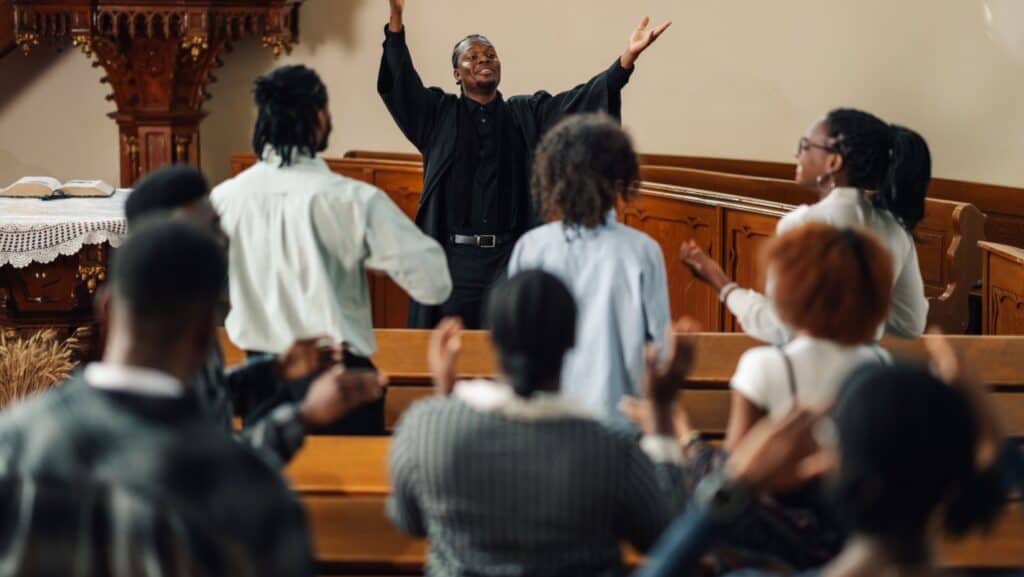
We celebrate people who never miss a single service as if they won a gold medal. Showing up constantly does not automatically mean a person is actually growing healthier on the inside. Some of the most consistent attendees remain incredibly bitter and unkind to their neighbors.
Leaders need to stop treating a full room as the ultimate sign of absolute success. Taking a weekend off to rest or care for family is perfectly acceptable and normal. Focusing on character transformation matters way more than just counting heads in the sanctuary.
Forcing Introverts To Hug Strangers
Forcing everyone to stand up and greet their neighbors fills introverts with absolute dread. Mandatory hugging sessions create incredible anxiety for people who just want a quiet spiritual experience. We forget that personal space matters just as much inside a sanctuary as it does outside.
An awkward handshake does not automatically create genuine community or lasting friendships. People naturally connect better over coffee or in small groups after the service ends. Letting congregants choose how they interact shows true respect for different personality types.
Sitting On Hard Wooden Pews
Those rigid wooden benches are an iconic symbol of traditional religious architecture. Sitting perfectly still on a completely flat surface for two hours tested human endurance. Your back would definitely ache by the time the final prayer rolled around.
Modern congregations prefer a much higher level of physical comfort during their weekend gatherings. Many newly built auditoriums feature plush theater seating with actual cup holders. Listening to a sermon is significantly easier when your legs are not falling asleep.
More articles you might like:
- 12 Ancient Prophecies That Seem To Reflect Modern Life
- 10 Lessons From The Bible That Make Sense Even Outside Religion
- 12 People God Welcomes and Those He Turns Away