A look inside the world’s most notorious women’s prisons
Just imagine a world where the fastest-growing demographic isn’t a tech-savvy generation or a burgeoning middle class, but a group of women disappearing behind heavy iron doors. We’ve been fed a steady diet of televised dramas and Hollywood tropes about life inside, but the reality is far more haunting and far more urgent.
Forget what you saw on TV. There is no script for the quiet crisis unfolding in our justice systems. While the world looks the other way, the global female prison population is skyrocketing at a rate that should stop us in our tracks.
According to data from the Institute for Crime and Justice Policy Research, more than 740,000 women and girls are held in penal institutions worldwide. They aren’t just a statistic; they are the fastest-growing group in the global jail system, a tidal wave of humanity caught in a cycle the world has yet to reckon with. They are the fastest-growing group in the world’s jail systems.
Indiana Women’s Prison, USA

Indiana opened this facility way back in 1873. Today, the high U.S. incarceration rate keeps this historic site packed. It held around 600 women by the mid-2010s.
Facilities like Indiana often struggle to provide basic services. From inadequate prenatal support to the scarcity of basic hygiene products, the Indiana facility serves as a stark reminder that while the calendar has moved forward 150 years, the evolution of medical dignity for incarcerated women is still lagging far behind.
Julia Tutwiler Prison for Women, USA

It continues to hold one of the highest incarceration rates in the world, with estimates placing it between 531 and 614 per 100,000 residents.
According to research curated by the Prison Policy Initiative, the number of women and girls incarcerated in the United States is over 192,164. Alabama has one of the highest incarceration rates in the country, contributing to chronic overcrowding at Tutwiler.
Evin Prison, Iran
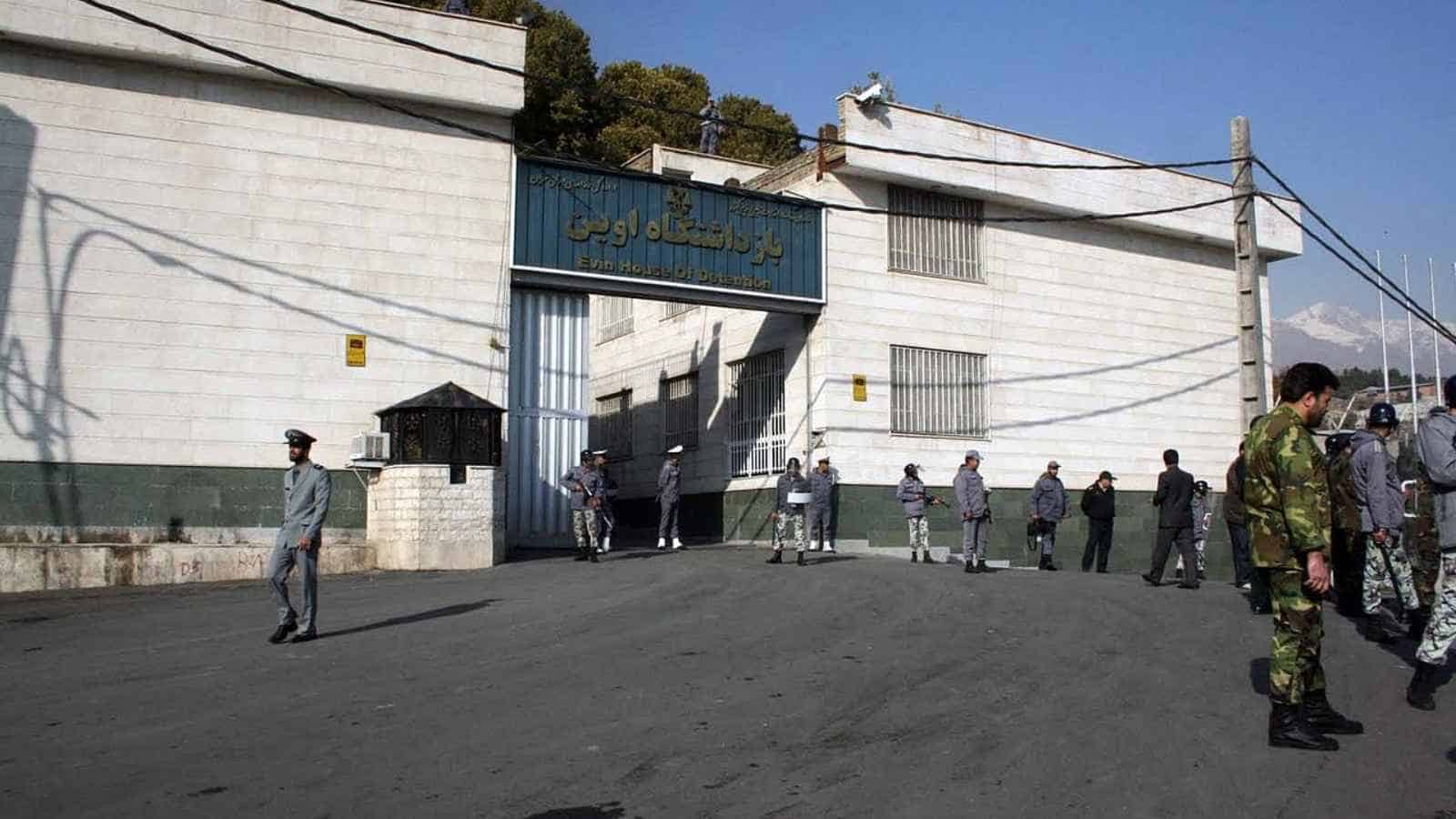
Tehran’s most famous prison is a grim place for activists. The women’s section saw a surge in inmates after the 2022 protests.
Former detainees describe long stretches of solitary confinement. These women face extreme psychological pressure for their political beliefs.
Qarchak Prison, Iran
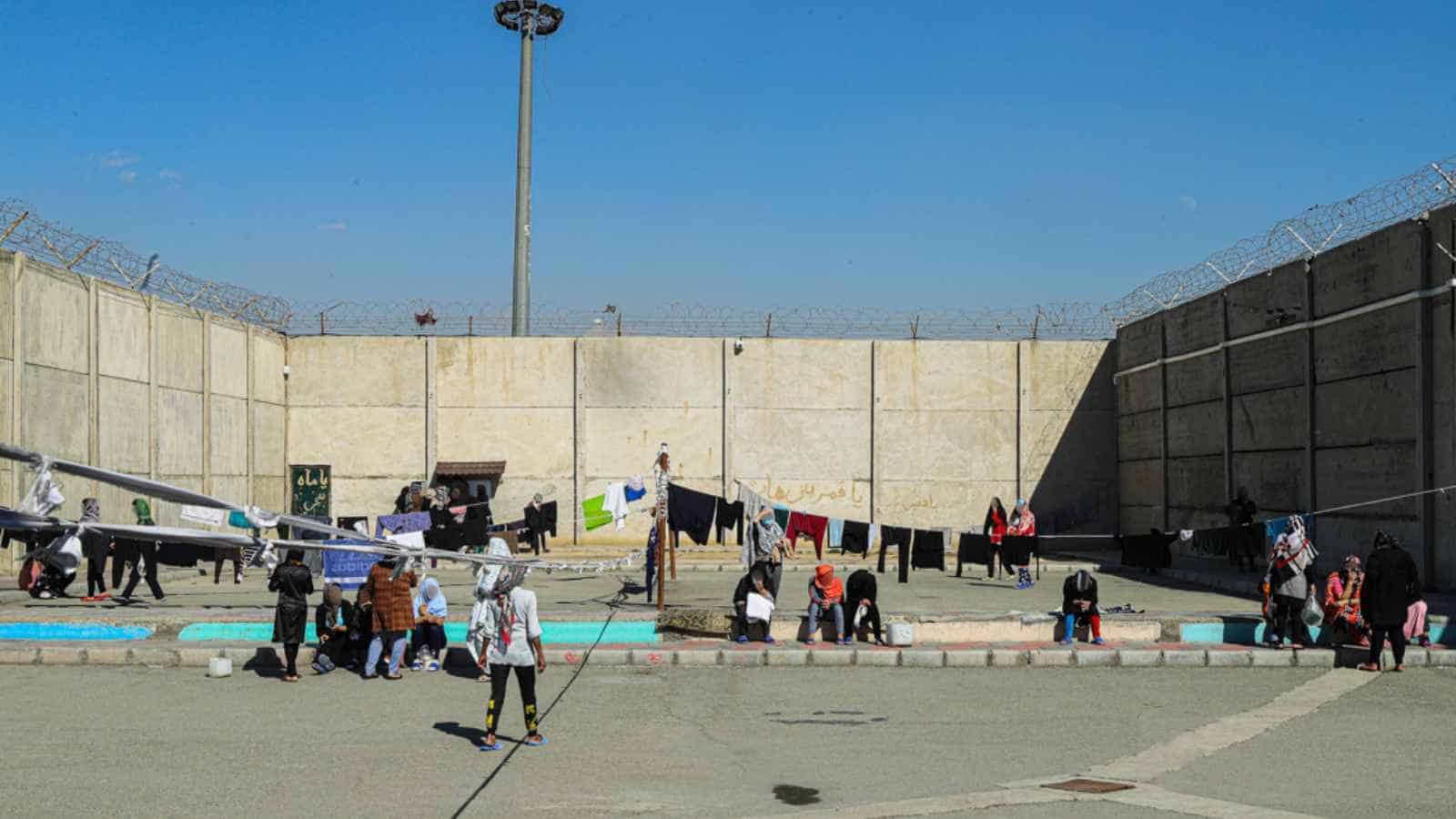
This facility wasn’t even built for people; it’s a converted industrial site. UN experts frequently condemn overcrowded wards and unsanitary conditions.
It sits southeast of Tehran in a harsh desert climate. Conditions fall below the most basic standards of human decency.
Bangkok Women’s Correctional Institution, Thailand

Thailand has one of the highest female prisoner ratios. Data from the Institute for Crime and Justice Policy Research indicate that Thailand frequently ranks among the top five countries worldwide for the number of women in prison.
Most of these women are in for drug crimes. Poverty and past abuse often drive these incarceration trends.
Also on MSN: Poverty Myths Everyone Needs to Stop Believing
Lard Yao Central Women’s Institution, Thailand
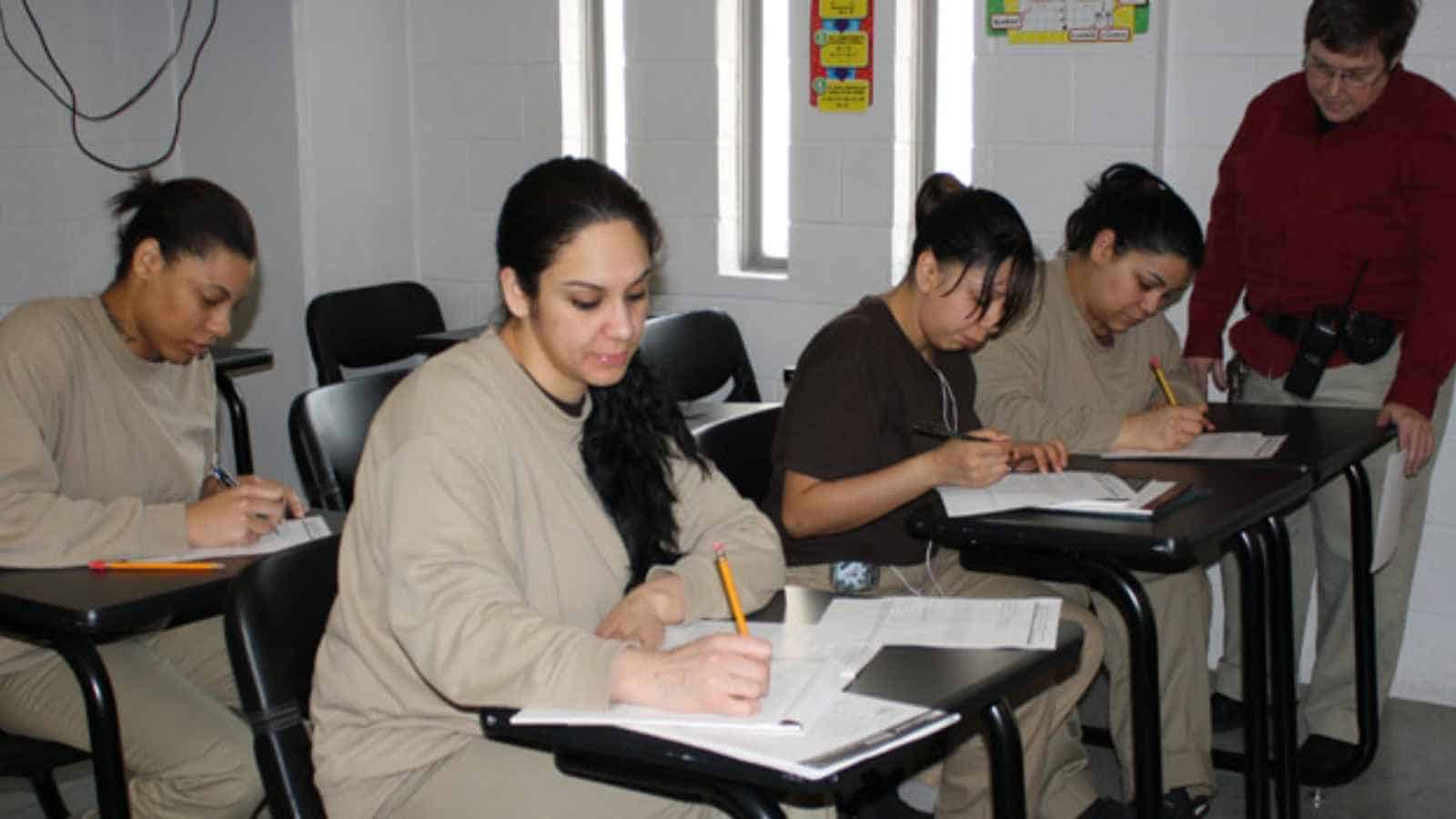
The Lard Yao Central Women’s Institution is a sprawling concrete jungle in Thailand’s capital. It currently houses over 4,000 women within its crowded walls.
This facility serves as a major hub for Thailand’s female inmate population, which is the largest in Southeast Asia.
Bandyup Women’s Prison, Australia
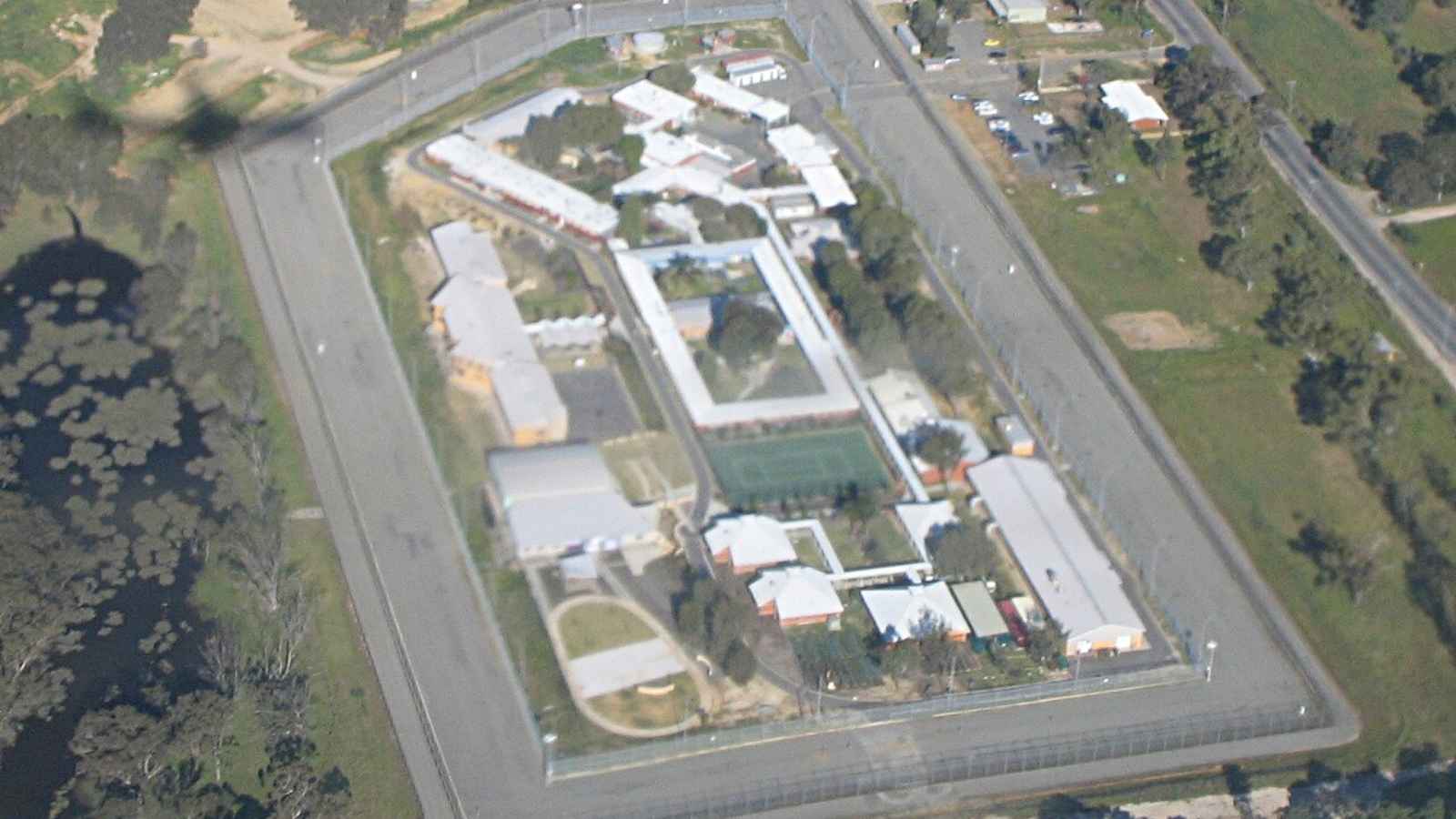
In Australia, the female inmate population is growing faster than the male group.
According to the Office of the Inspector of Custodial Services, Bandyup Women’s Prison in Western Australia has faced severe, chronic overcrowding, with population levels often exceeding 300, despite a designed capacity of 259. Overcrowding hits pregnant inmates the hardest.
Key takeaways

- Global Surge: The female prison population has grown.
- Specific Needs: Women in custody report higher rates of disability and require specialized medical care.
- Overcrowding: International facilities often hold triple their intended capacity.
- Systemic Failure: Most women are jailed for drug or poverty-linked crimes rather than violent acts.
Disclosure line:
This article was developed with the assistance of AI and was subsequently reviewed, revised, and approved by our editorial team.
Like our content? Be sure to follow us.