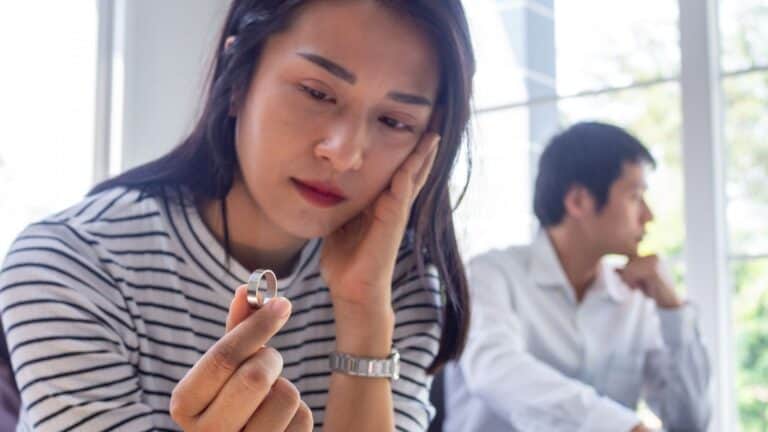
After asking 20 women what made them leave relationships, these 11 answers still echo in my head
I sat with twenty different stories, told on cracked phone screens and in quiet kitchens. Some were whispered, some were laughed through, some arrived as long, late-night messages I could feel in my chest.
I asked a simple question: “What finally made you leave?” The answers were anything but simple. As they talked, their personal stories started lining up with what therapists and researchers have been seeing for years: women rarely walk out “out of nowhere.” Stanford sociologist Michael Rosenfeld notes that around two-thirds (69%) of divorces in the U.S. are initiated by women.
The reasons they gave me sound a lot less like drama and a lot more like patterns, pressure, and quiet pain that built up over time. These are the eleven answers I still can’t shake.
“One day, he just wasn’t home anymore”

In one interview, the woman didn’t start with a fight. She started with a feeling. She said she had stopped feeling like “his person” and started feeling like background noise in her own relationship. Therapists say that is the number one complaint they hear from women: they do not feel emotionally seen, even when the relationship looks fine on the outside.
Counselor Becky Lennox says many of her clients quietly name a lack of emotional intimacy as the real reason they left. A study in the Journal of Family Psychology found that emotionally distant partners are linked to more stress and lower satisfaction, like a slow burnout instead of one big blowup.
Sociologist Arlie Hochschild might say the house turned from a home into a workplace where she managed his moods more than she shared her own.
“I was his girlfriend and his unpaid therapist”

One story came with a laugh that sounded more tired than funny. She said, “I was his girlfriend, his therapist, his event planner, and his complaint box.” She was the one reminding him of birthdays, smoothing over fights with friends, and talking him down from every bad day.
In straight relationships, women usually carry most of this invisible emotional labor. One woman told me she would sit in the car before going inside, gathering energy to fix the mood again. Studies on “sexual emotional labor” add that when women focus only on a partner’s comfort in bed, they enjoy it less and feel more used.
By the time she left, she felt less like a partner and more like a customer service representative. Women are now 23 percent less likely than men to even want to date, with many saying they are simply tired of pouring out energy for tiny returns.
“I was the only one trying to fix our fights”

There was a pattern in how women talked about conflict. One described herself as “the relationship mechanic,” always the one patching things up while he sat back. National surveys show that “arguing too much” is one of the main reasons couples end up divorcing, named by more than half of them.
But the women I spoke to didn’t just talk about how often they argued. They talked about what those arguments felt like. Some described partners who shut down and refused to speak. Others described being mocked or eye-rolled when they tried to share a concern.
Time magazine reports that many women describe their marriages as constantly tense or emotionally frozen, both of which are hard to live with. It is one thing to fight. It is another to feel like you are the only one who wants peace.
“It wasn’t one big thing. It was everything”

There was a story that never mentioned bruises, but still felt like an emergency. She said, “He made me feel smaller every day, and somehow called it love.” That sentence could have come from many of the women, because emotional abuse rarely arrives with a headline.
It looks like constant criticism, mean jokes, gaslighting, and putdowns dressed up as humor. Research reviewed by the World Health Organization suggests emotional abuse can be more damaging over time than physical violence, because it slowly rewrites your idea of who you are.
Across countries, between 20 and 75 percent of women report emotional abuse from a partner in a single year. In the United States, almost half of women say they have faced psychological aggression from a partner, such as name-calling or humiliation.
She did not leave because of one comment. She left when she realized she barely recognized the person in the mirror.
“I could forgive a mistake. I couldn’t forgive the lies”

One story started with a deep breath and a laugh that didn’t sound like a laugh. She told me the cheating was awful, but the lies were worse. Infidelity is still one of the classic reasons marriages end, and divorce research shows cheating shows up again and again when couples explain why they split. But for her, the final straw was not the affair itself. It was how he looked her in the eye and rewrote reality, day after day.
A study on healing after infidelity found that betrayed partners often experience strong sadness and depression at first, but many later describe feeling freer and more themselves as they move on.
Several women told me the same thing in different words: they might have worked through the sex, but they could not rebuild trust after all the secret accounts, half-truths, and blame.
“I was planning a life. He was planning a weekend”

Some stories began with calendars and bills, not romance. One woman described herself as the “project manager of everything,” from rent to school forms, while he focused on last-minute plans and weekend fun.
73 percent of divorcing Americans say “lack of commitment” was one reason for ending the relationship. For many women, that lack of commitment shows up as one person carrying the mental load of the future while the other drifts. Women in interviews often describe being the only one who tracks money, appointments, and long-term plans, even in homes where both partners work full-time.
As women gain more financial independence, they are less willing to stay in relationships where they feel like they are dragging someone along behind them. One woman captured the feeling, saying, “I realized I was already living like a single mom. He just made more laundry.”
Also on MSN: The 9 things men who divorced after 20 years regret the most
“At some point, it stopped being drama and started being danger”

A few stories were hard to hear. One woman described how the first shove was brushed off as “he just lost his temper.” The next ones were harder to ignore.
The CDC estimates that one in four women in the United States will experience physical violence from a partner in their lifetime, and about one in three will experience some form of sexual violence.
Nearly half of women have experienced psychological aggression from a partner, such as threats, tracking, or controlling behavior. Advocates say physical violence almost never comes out of nowhere. It usually builds on earlier insults, control, and isolation.
Many women do not leave after the first hit. They leave when they see things getting worse, especially when children are involved or when the fear starts to feel life-threatening.
“He didn’t just control my heart. He controlled my wallet”

Money came up more than I expected. One woman said she had to show receipts to buy basic groceries. Economic abuse can look like that: controlling bank accounts, blocking a partner from working, or deciding how every dollar is spent.
Researchers now treat economic abuse as its own form of intimate partner violence, because it keeps women trapped even when they want to leave. Getting a job or safe housing is often the turning point that lets women leave and stay gone.
She told me her turning point was getting a small job and her own bank card. The amount was not huge, but the feeling was. For the first time, she could pay for a bus ticket out.
“Our house felt like bad weather”

When I asked some women to describe their marriage in one word, they did not pick “love” or “hate.” They picked words like “stormy” or “frozen.” Time magazine has reported that many women today leave not only for big scandals, but for what they call “marital temperature” problems.
In some homes, conflict is constant. Women describe living on edge, scanning for the next explosion and trying to keep the peace. In others, the problem is emotional winter. There is no shouting, but there is also no warmth. They share a bed but not tenderness.
Constant arguing, unrealistic expectations, and a lack of equality often show up together in these situations. Over time, even small decisions, like what to cook for dinner, feel heavy.
“I started keeping score. I didn’t like the scoreboard”
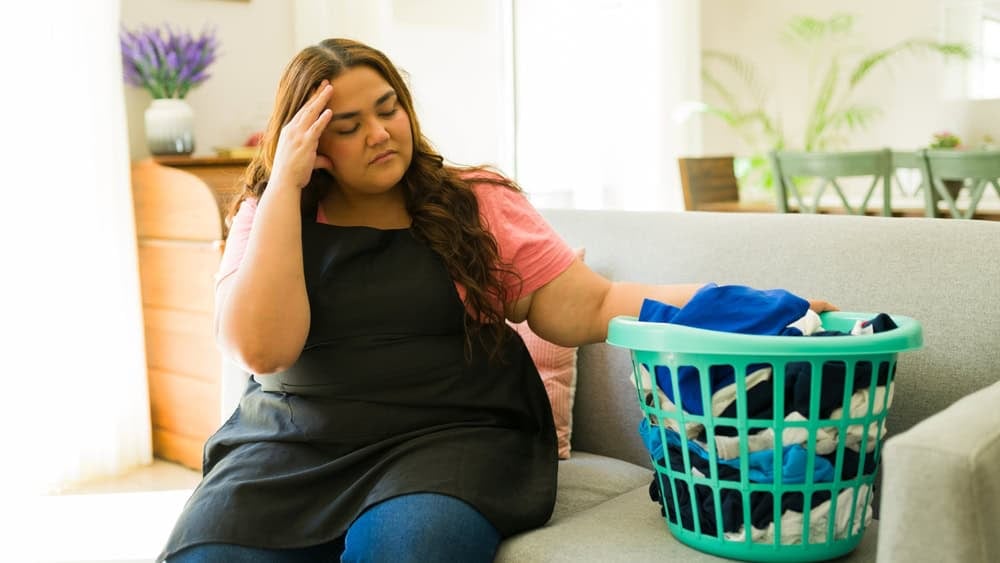
One story began with a chore chart on the fridge. She said she never wanted to keep score, but once she did. Two weeks later, she took a photo and cried in her car. 44 percent of divorcing people point to a lack of equality in the relationship, including uneven chores, decision-making power, or respect.
Sociologists who study emotional and “hermeneutic” labor find that women are often expected to read everyone’s moods, soften their own reactions, and carry the emotional load for the household.
She told me she did not want a relationship that felt like parenting a grown person. The divorce numbers reflect this. Around 70 percent of divorces in the United States are initiated by women, and the rate is even higher among college-educated women, who may feel more able to stand alone.
“Leaving hurt. Staying hurt more”

Across all twenty stories, this was the quiet theme. None of them described leaving as easy or fun. Every single one described staying as slowly painful. Studies across Western countries show women are more likely than men to initiate divorce, even though both say breakups hurt.
Analysts argue that women are not “giving up” faster. They are noticing sooner when the cost of staying is their mental health, safety, or sense of self.
Newer dating research shows many young women are “quiet quitting” relationships altogether, with 56 percent saying they struggle to find partners who meet their standards, compared with 35 percent of men. The last woman I spoke to said, “Walking away broke my heart. Staying would have broken my future.”
Key takeaways

- Women rarely leave “out of nowhere”; they leave after a long buildup of emotional disconnection, one‑sided effort, and feeling unseen.
- Around two-thirds of divorces in the U.S. are initiated by women, which lines up with their stories about carrying more emotional and practical labor than their partners.
- Top reasons behind these breakups include constant conflict, lack of commitment, cheating, abuse, and deep inequality in how love, chores, and respect are shared.
- Emotional and economic abuse often stays hidden the longest, but they are powerful drivers of why women finally decide that leaving hurts less than staying.
- For many, the real turning point is not a single event, but the moment they realize staying would cost their safety, mental health, or sense of self.
Like our content? Be sure to follow us