Cash, Cards, or Crypto? What Counts as “Real Money” in 2026
If you ask Americans what counts as “real money” right now, you’re unlikely to get a single answer.
Some people still swear by cash. Others tap their phone or card for nearly everything. And then there’s crypto, which gets plenty of headlines but far less everyday use. As inflation worries linger and digital payments become unavoidable, Americans aren’t choosing one winner. They’re mixing and matching.
In 2026, money in the U.S. looks less like a clean switch from old to new and more like a layered system, where cash, cards, and crypto each play very different roles.
Why Money Feels Different Than It Used To
A few big shifts are shaping how people think about money right now.
First, inflation anxiety hasn’t gone away. Even though price increases have slowed compared with earlier spikes, many households still feel squeezed. Groceries, rent, insurance, and utilities cost more than they used to, and that makes people pay closer attention to fees, interest, and how quickly money slips through their fingers.
Second, Americans are making more payments than ever, and more of them are digital. Between online shopping, subscriptions, app-based services, and tap-to-pay in stores, cards and digital wallets are now part of daily life in a way they weren’t even five years ago.
At the same time, cash hasn’t disappeared. In fact, many people are holding more of it, even if they’re spending it less often. Instead of being the default, cash has become a backup, a budgeting tool, and a sense-of-control thing.
Crypto sits in a different category altogether. While millions of Americans have tried it, most still don’t see it as everyday money. For many, it feels more like a risky side investment than something you’d use to buy groceries or pay rent.
Cash Isn’t Dead. It’s Just Not in Charge Anymore

Cash use has been declining for years, but that doesn’t mean Americans are done with it.
What’s changed is how people use it. Fewer everyday purchases are made with cash, especially now that even small transactions are easy to tap and go. But people are holding onto more physical cash than they did before the pandemic.
For many households, cash plays a few key roles. It’s a backup when systems go down or cards get declined. It’s a way to stick to a budget, because you can physically see what’s left. And for some people, especially older adults and lower-income households, it helps avoid overdraft fees, interest charges, and constant digital tracking.
Cash is also still common in very specific situations: tipping, farmers’ markets, small local businesses, or anytime someone wants to limit impulse spending.
In short, cash in 2026 is less about nostalgia and more about control.
Cards and Digital Wallets Are the New Default
For most Americans, cards are now the main way money moves.
Credit and debit cards account for the majority of consumer payments, and they’re increasingly used through phones, watches, and digital wallets rather than as physical plastic. Tap-to-pay has gone from novelty to normal, even for small purchases that used to be cash-only.
Digital wallets are also changing expectations. People want payments to be fast, invisible, and embedded into whatever app or service they’re using. Younger adults, in particular, are comfortable managing spending through apps, using debit cards, buy-now-pay-later options, and stored cards instead of traditional revolving credit.
Behind the scenes, banks and card networks are investing heavily in fraud protection and authentication, trying to make digital payments feel safer and easier than cash ever was.
For many people in 2026, “using a card” doesn’t feel like a conscious choice. It’s just how things work.
Crypto Still Isn’t Everyday Money for Most People
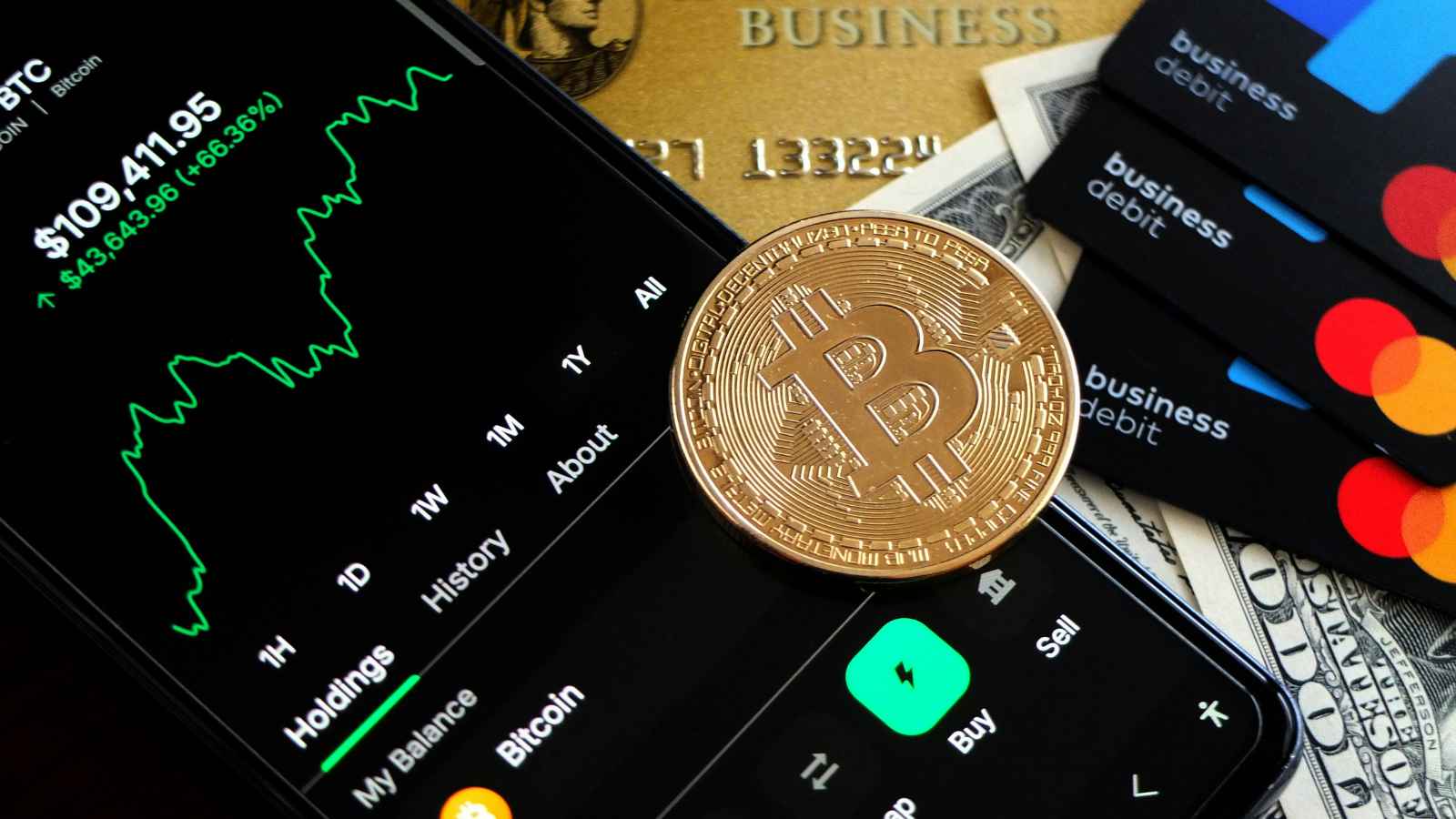
Despite all the attention crypto gets, most Americans remain skeptical.
Surveys consistently show that a majority of adults don’t have much confidence in cryptocurrency as a safe or reliable way to invest, trade, or spend. Only a small slice of the population feels strongly positive about it, and many people who tried crypto earlier have since exited.
Crypto ownership is more common among higher-income households and tends to behave more like a speculative investment than a payment tool. Prices fluctuate sharply, regulations are still evolving, and everyday acceptance remains limited.
Some people experiment with stablecoins or crypto-linked debit cards, but for the typical household, crypto isn’t replacing dollars, bank accounts, or cards. It’s optional, risky, and easy to ignore.
How Americans Actually Use Money Now
Instead of picking sides, most people are blending options based on context.
Cards and digital wallets handle everyday spending, bills, subscriptions, and online purchases. Cash sits in wallets or at home as a backup and budgeting aid. Crypto, if it’s in the picture at all, is usually a small speculative slice rather than core money.
This mix reflects what people care about most: stability, convenience, and trust.
Dollars, whether physical or digital, are still what people get paid in and pay taxes with. Cards and wallets are simply the easiest way to move those dollars around. And cash remains the fallback when people want certainty, privacy, or limits.
So What Counts as “Real Money” in 2026?
For most Americans, real money isn’t about ideology or tech. It’s about what works.
Cash is real because it’s tangible and reliable. Cards are real because they’re accepted everywhere and fit modern life. Crypto, for now, mostly isn’t real money in a practical sense, even if it remains interesting or tempting to some.
The big change isn’t that one form of money has replaced the others. It’s that Americans are more deliberate about when and why they use each one.
Money in 2026 isn’t one thing. It’s a toolkit.
Money Articles You May Want To Read:
- Warning Signs That Come Before Every Market Crash
- 13 Ways to Tell if You and Your Partner Are Financially Compatible
- Subtle Drains That Slowly Eat Through Retirement Funds
QUICK TAKE: Despite years of predictions about a cashless future, Americans haven’t abandoned physical money. Instead, they’ve built a hybrid system: digital payments for convenience, cash for control, and crypto for speculation, if at all. Money hasn’t gone fully digital. It’s gone flexible.