Do You Have These 12 Living-Room Features? Some Say They Hint at a Lower-Middle-Class Upbringing
While the ultra-wealthy often opt for quiet luxury or a sanitized minimalism that borders on the clinical, the middle class, particularly those white knuckling their way through the social hierarchy, frequently overcompensate with specific living room hallmarks.
These items are psychological flags planted in the carpet, signaling a desperate need to be seen as established or cultured. This drive is reflected in the global economy; the Home Decor market is projected to generate a staggering $802 billion in revenue by 2025, with the United States leading the charge.
From the way we display our media to the specific sheen of our textiles, the following twelve features act as a litmus test for those trying to buy their way into a higher tax bracket using a fraction of that billion-dollar pie.
The Massive, Dedicated Entertainment Center
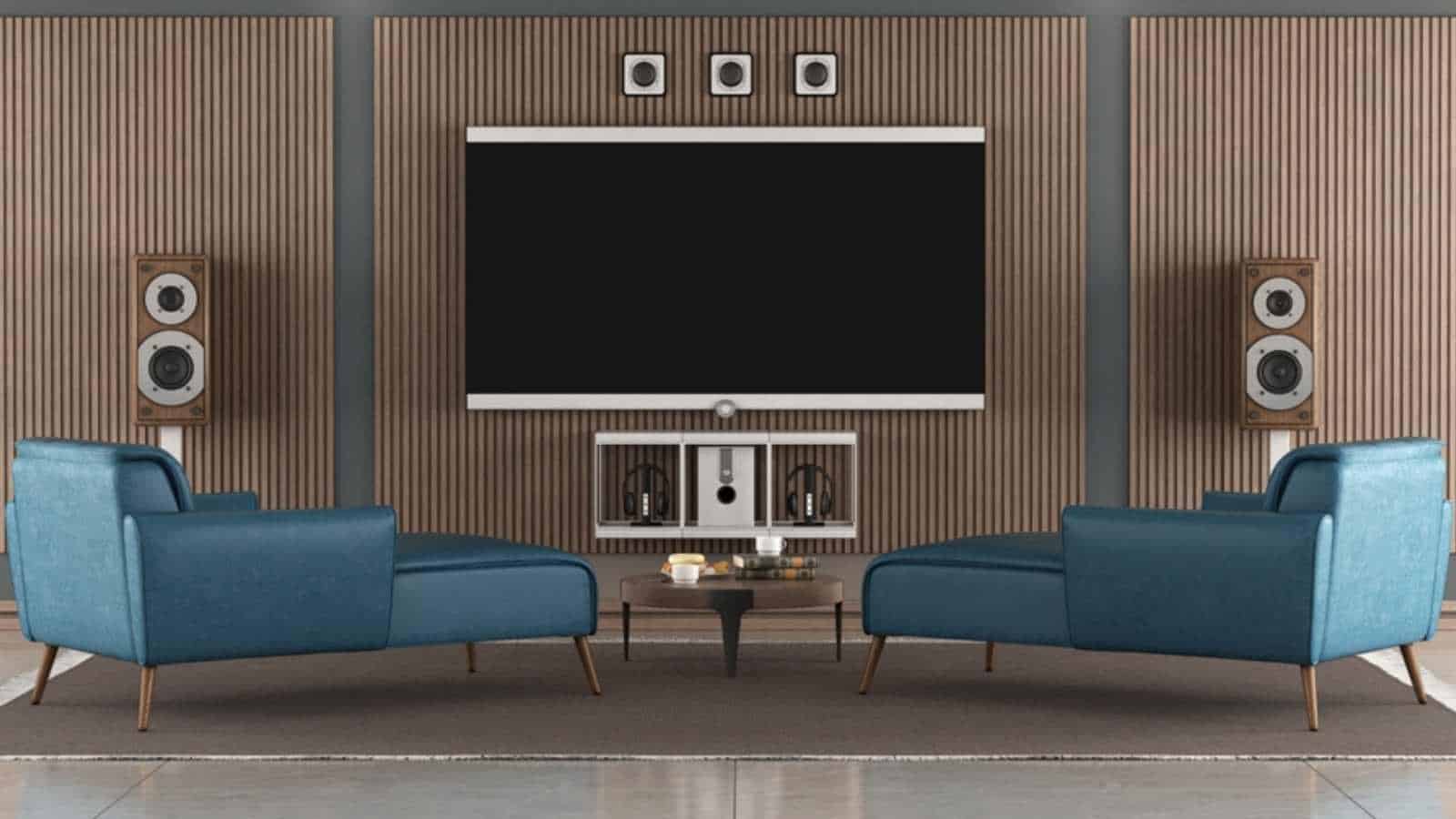
There is a specific type of furniture that screams 20th-century aspiration: the floor-to-ceiling entertainment unit. While the truly affluent often hide their technology behind motorized art or tucked into dedicated cinema rooms, the lower-middle class tends to make the television the altar of the home.
Data from the U.S. Bureau of Labor Statistics shows that lower-income households spend significantly more time consuming television media than those in the highest quintile. This architectural commitment to a screen suggests that the room’s primary purpose is passive consumption rather than social engagement or aesthetic curation.
It is a monument to the big screen as a status symbol, a carryover from an era when a 50-inch plasma was the ultimate sign of making it.
Wall-to-Wall Carpeting in High-Traffic Areas

The obsession with plush, beige, wall-to-wall carpeting is a classic hallmark of a specific socioeconomic tier. While high-end interior design has pivoted almost exclusively toward reclaimed hardwoods, stone, or polished concrete paired with expensive area rugs, the all-over carpet remains a staple in suburban developments.
It’s a comfort-first choice that reveals a lack of concern for a home’s long-term architectural value. Interestingly, a study by the Harvard Joint Center for Housing Studies found that higher-income (top quintile, earning $172,000+) homeowners are 60% more likely to invest in hard-surface flooring during renovations.
The carpet serves as a soft, acoustic buffer that prioritizes immediate coziness over the timeless durability favored by those with generational wealth.
The Sofa Set with Matching Recliners

Nothing says “I bought the whole showroom floor” like a three-piece matching set of overstuffed, bonded leather furniture. This “living room in a box” approach eliminates the need for personal taste, replacing it with a standardized version of comfort.
Pierre Bourdieu, in his seminal work Distinction: A Social Critique of the Judgement of Taste, argues that the working and lower-middle classes often prioritize function and ease, whereas the upper classes prioritize form and artifice.
The presence of a built-in cup holder in a sofa is perhaps the ultimate indicator; it suggests that the furniture is a tool for survival (and snacking) rather than a piece of sculptural history. It is the visual equivalent of a value meal; efficient, filling, and entirely devoid of nuance.
Inspirational Word Art and Vinyl Decals

The phenomenon of “Live, Laugh, Love” or “Bless This Mess” is a psychological protective layer for the middle class.
These signs act as a manual for how the inhabitant wants to be perceived—as wholesome, grounded, and morally upright.
However, as noted by cultural critic Paul Fussell in his book Class: A Guide Through the American Status System, the more words you have displayed in your house, the lower you are likely to be on the social ladder.
The elite generally don’t feel the need to label their walls with instructions on how to feel. These decals are a form of aspirational branding, an attempt to manufacture a specific vibe through literal signage because the architecture and decor aren’t doing the heavy lifting themselves.
The “Good” Glassware Kept in a China Cabinet
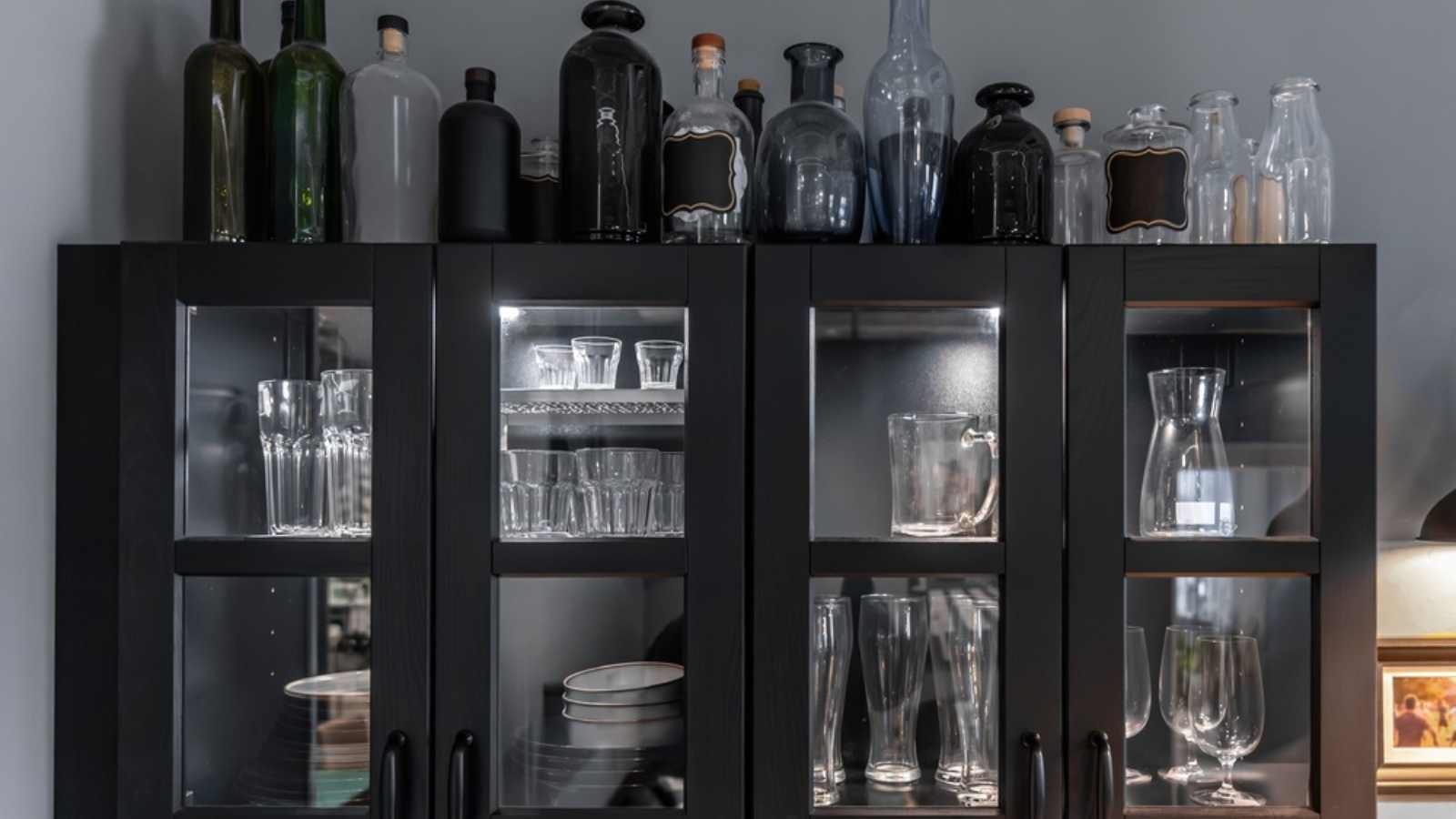
The paradox of the lower-middle-class living room is the presence of items that are never used. The china cabinet, filled with gold-rimmed plates and crystal glasses, often inherited or bought at a discount, serves as a museum of a life the family doesn’t actually lead.
This is what sociologists call cultural capital that hasn’t been liquidated. While the wealthy might use $200 wine glasses on a Tuesday, the middle class treats these items as sacred relics.
Since the 1970s, the share of aggregate income held by the middle class has fallen from 62% to 43%, while the share held by the upper income has risen from 29% to 48%. With less cushion, the middle class feels a greater psychological need to buy their status in a way that remains visible daily (i.e., in the living room).
Overly Symmetrical Decor and Fake Books
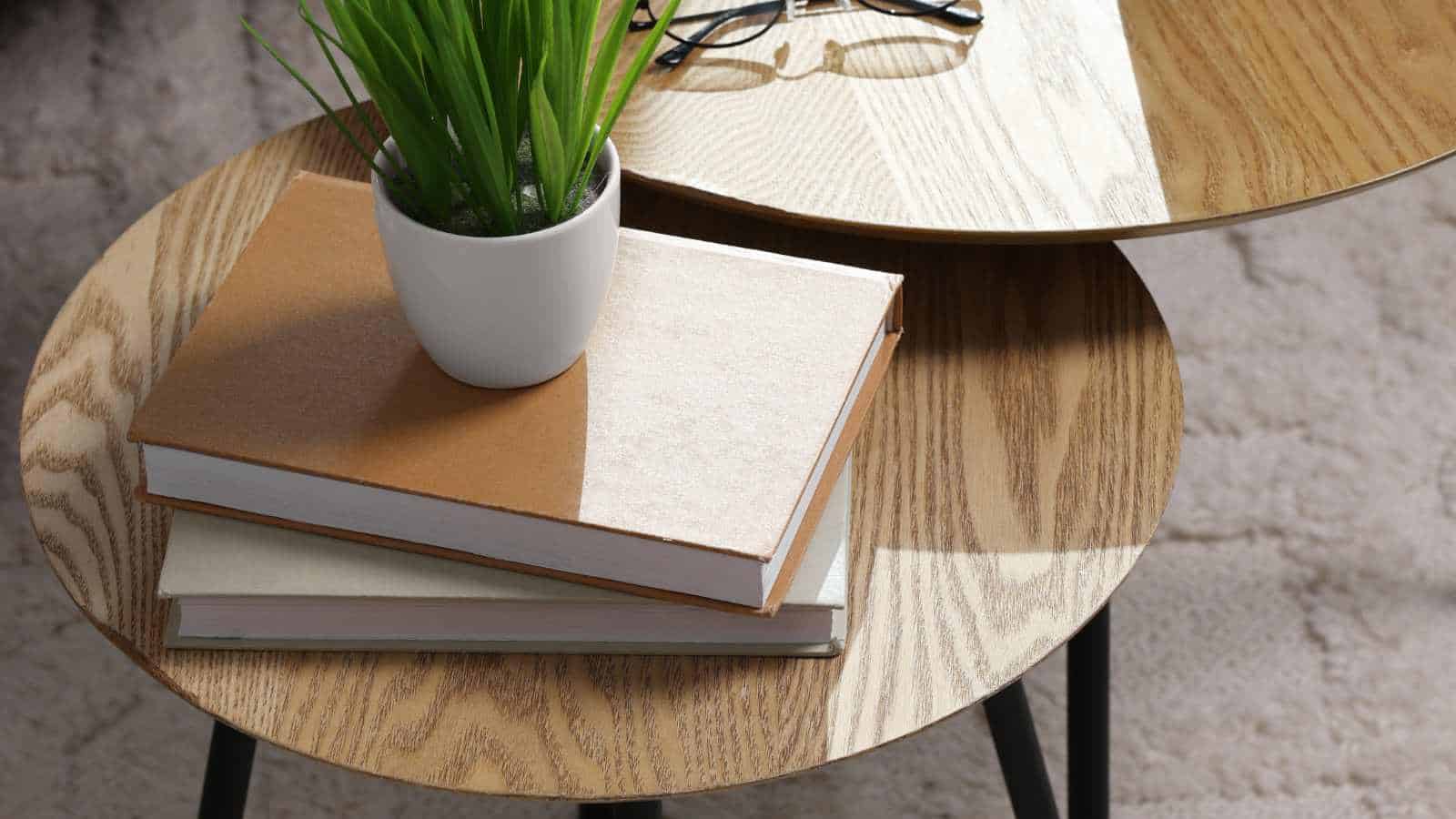
Symmetry is the easiest way to fake order, but it often results in a room that feels like a hotel lobby. Two identical lamps flanking a sofa, two identical candles on a mantle: it’s a rigid adherence to a perceived rulebook of classiness.
Furthermore, the decorative book, or the bookshelf organized by color rather than content, is a major red flag. In the National Endowment for the Arts report, To Read or Not to Read, there is a decisive and linear relationship between regular reading and economic success. The data suggests that as household income rises, so does the frequency of reading for pleasure.
Specifically, a 2025 longitudinal study published in iScience, which tracked over 230,000 Americans, found that while overall daily reading rates have plummeted by nearly 40% since 2003, the decline is steepest among those with lower educational attainment and income.
Ornate, Heavy Window Treatments
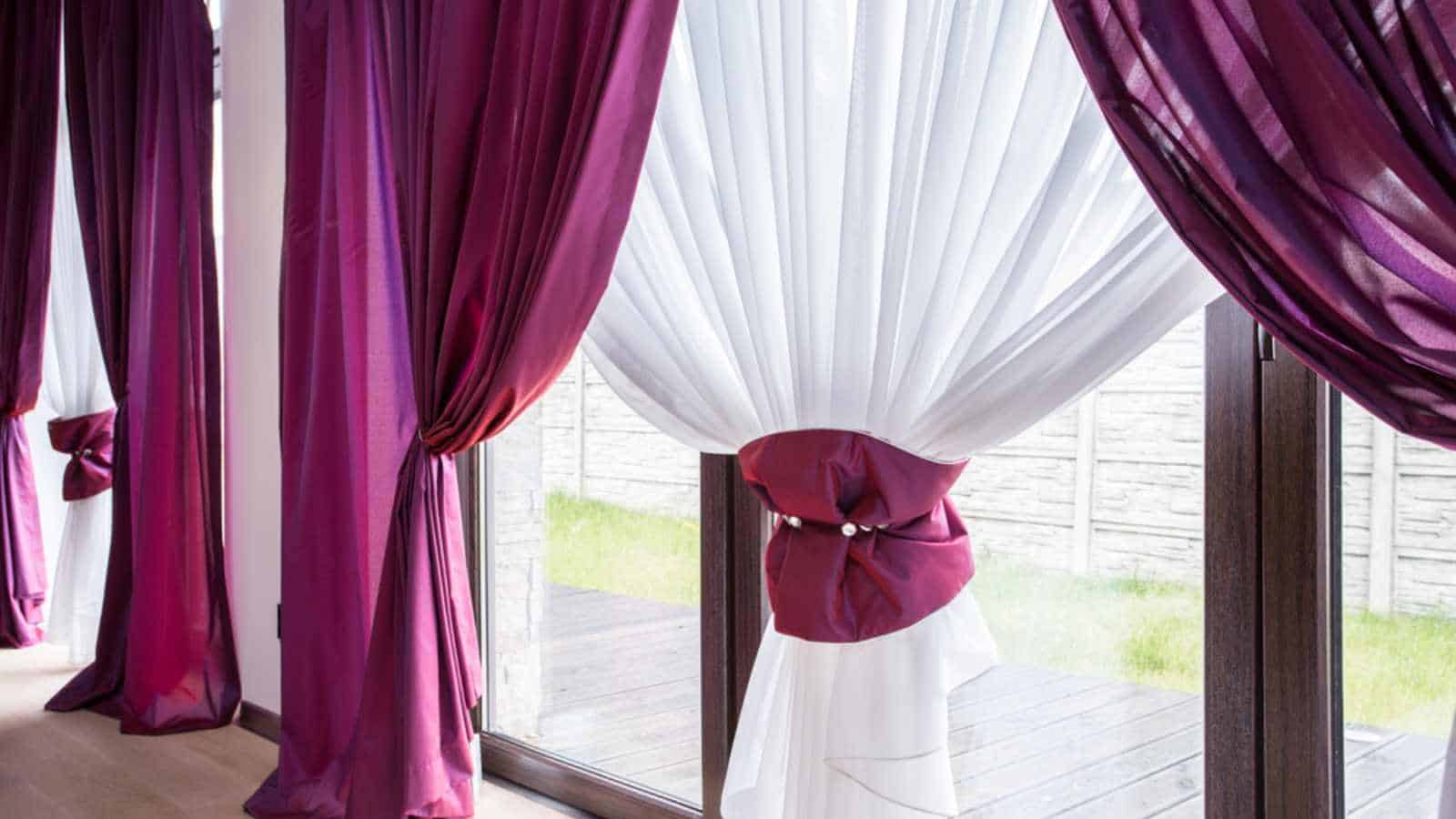
The heavier the curtains, the more a household is trying to insulate itself from the outside world. Valances, swags, and thick polyester drapes are often used to create a grand feeling in a standard-height room. This maximalism of the mundane is a classic lower-middle-class trait.
In contrast, modern high-end architecture favors floor-to-ceiling glass and automated shades that are invisible. The heavy drape is a theatrical prop; it’s an attempt to turn a suburban window into a Victorian stage.
Luxury designer Kelly Hoppen CBE, famously known as the Queen of Taupe, has built a multi-decade career on the mantra that space and light are the ultimate luxuries. In her work, such as the 2025 WOW!house installation, Hoppen emphasizes that true high-end design is about visual breathing room, using natural sunlight as a primary material rather than something to be stifled.
Faux-Stone or Plastic Luxury Finishes

There is a massive market for look-alike materials: peel-and-stick marble, plastic crown molding, and laminate that mimics hand-scraped oak.
It is the desire for the prestige of the material without the price of the reality. Builders are now using high-performance laminates and metal molding and trim, which saw a staggering 50% price surge in early 2026, to give mid-market homes a contemporary, retro-revival look.
This is a strategic response to a market where the median new home price has dipped to $415,000, yet buyers, particularly Gen Z and Millennials, are increasingly demanding higher-quality products and amenities in exchange for smaller square footage.
While these finishes might fool a casual observer, they lack the patina that true luxury requires.
The Presence of a Formal Room That No One Enters

The “Front Room”, perpetually vacuumed but never sat in, is a relic of 1950s social climbing. It exists solely for the judgment of others.
This unused square footage is a significant financial drain, yet many middle-class families cling to it as a sign of having arrived.
Extensive research by UCLA’s Center on Everyday Lives of Families, documented in the landmark study Life at Home in the Twenty-First Century, found that formal living and dining areas remained dormant for more than 97% of the time.
The elite have moved toward great rooms and functional versatility. Keeping a room as a shrine to a hypothetical guest is a high-stakes performance that mostly highlights a fear of being perceived as messy or unprepared.
High-Gloss Everything
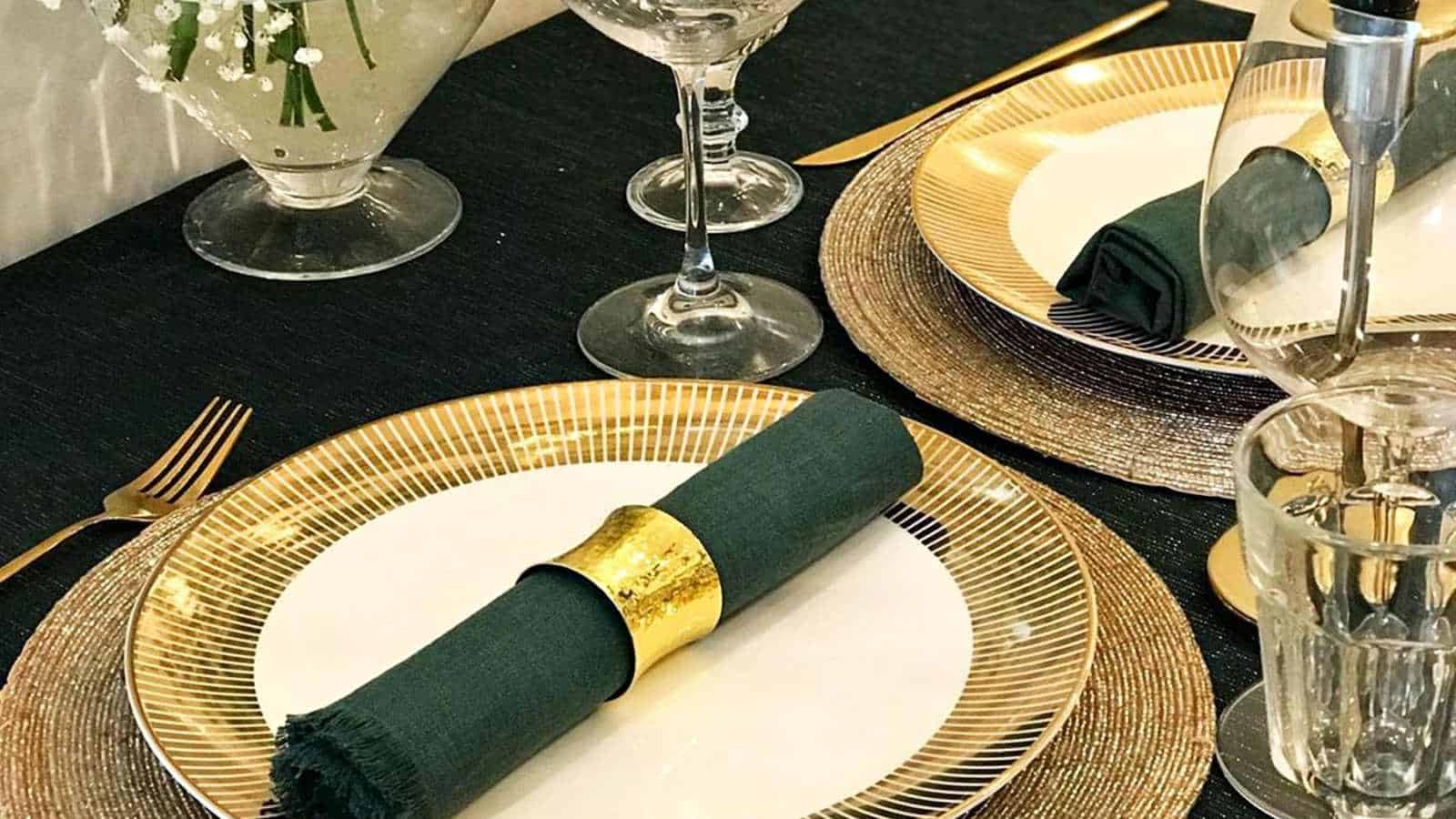
There is a pervasive myth that shiny equals new, and new equals rich. This leads to an abundance of high-gloss finishes: from polished porcelain floors that are dangerously slippery to lacquered furniture that shows every fingerprint.
In professional design circles, a matte or honed finish is often preferred for its subtle sophistication. The reliance on sheen is a tactic to grab attention, much like the bling culture of the early 2000s.
It is an aggressive form of decorating that demands the eye acknowledge the environment’s cleanliness and newness, leaving no room for understated textures that define higher-tier interior design.
Mass-Produced Global Decor
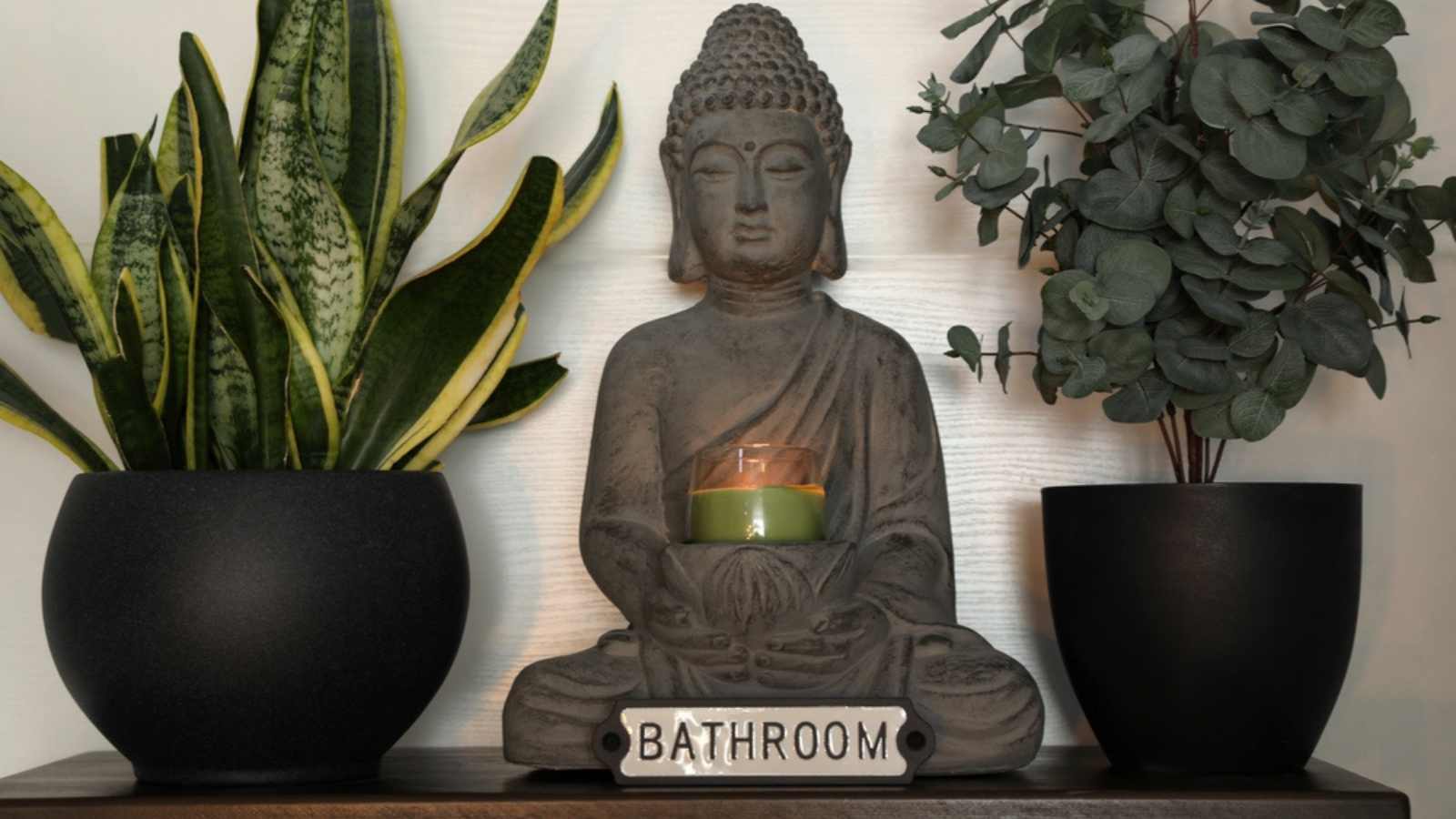
The world market aesthetic, think Buddha statues bought at a big-box store or Moroccan lanterns from a suburban mall, is a way of signaling worldliness without actually traveling.
It is an exposure bought at a 20% discount. When a living room is filled with cultural artifacts that have no personal connection to the inhabitant’s history, it feels like a stage set.
As Dr. Giana Eckhardt, a leading voice in consumer behavior and co-author of The Myth of the Ethical Consumer, has astutely observed, the traditional markers of conspicuous consumption, like a loud designer logo, have been replaced by a search for authenticity.
Instead of a hand-carved stool from a specific artisan, the room features a mass-produced boho-chic equivalent from a national chain. It’s the difference between a rug bought in a souk in Marrakech and one bought because it matched the throw pillows.
The Gallery Wall of Family Portraits

While family is important, the shrine wall, dozens of framed photos of varying sizes arranged in a cluster, is a very specific domestic marker.
In more affluent circles, family photos are typically kept in private areas, such as hallways or bedrooms, while the living room is reserved for art or architectural focal points.
The gallery wall is an emotional insurance policy; it’s a way of saying, “Look at how successful and cohesive my unit is.”
It leans into the middle-class ideal of the nuclear family as the ultimate status symbol. It’s not that the photos are bad, but the volume and the prominence suggest that the inhabitants are using their lineage to decorate a space that, in higher circles, would be used to showcase their taste.
Key Takeaways

- Living room design is framed as a signal of class aspiration, not just taste. The core idea is that certain decor choices function as social signaling tools, especially for those trying to project upward mobility rather than reflect lived identity.
- Overt displays of comfort and visibility are contrasted with subtlety and restraint. Features like large entertainment centers, matching furniture sets, and glossy finishes are positioned as attention-seeking, while higher-status spaces are described as understated and less performative.
- Aspirational consumption drives many design choices. Items like faux materials, unused good glassware, and formal rooms exist less for function and more to project a desired lifestyle that isn’t fully lived.
- Cultural capital is depicted as unevenly distributed and often mimicked. References to books, global decor, and symmetry suggest that signals of taste or sophistication are sometimes imitated without the underlying habits (reading, travel, curation).
- Middle-class design is portrayed as shaped by constraints and pressure to conform to perception. Economic pressure and declining income share are used to argue that visible, static symbols (home decor) become substitutes for more fluid or experiential markers of status.
Like our content? Be sure to follow us