Food, fatigue, and the fight: What to eat (and what to avoid) during treatment
The day blurs into exhaustion, meals become medicine, and nutrition turns into the steady hand helping a patient stand back up.
Cancer is tough enough without adding fuel to the fire. Maryland Oncology Hematology confirms that cancer-related fatigue is a very common, challenging side effect. Imagine you’re already battling a serious illness, and on top of that, your body feels drained, sluggish, and lacking the fuel it needs to fight back.
That’s where nutrition comes in, not as a miracle cure, but as a vital ally in the fight. A well-balanced diet is one of the best forms of support during cancer treatment. It doesn’t just help boost energy levels and immune function; it also makes your body more resilient to the side effects of chemotherapy. So, while your body battles the big stuff, the proper nutrition is there to help keep you going strong.
Eat small, frequent meals to tackle fatigue

Many patients experience loss of appetite or early fullness, making large meals difficult. Eating small meals every 2-3 hours helps maintain calorie intake and stabilize energy levels. This approach, recommended by leading cancer centers, can be easier on the stomach than three large meals and supports consistent nutrition throughout the day.
Prioritize protein at every meal
Protein is essential for maintaining muscle mass, especially during chemotherapy. Those who consumed higher-protein diets were better able to maintain their weight and muscle. MD Anderson Cancer Center recommends higher protein intake for cancer patients, often 1.2 to 1.5 grams per kilogram. Adequate protein intake helps maintain muscle function and physical performance during treatment.
Focus on healthy fats, especially omega-3s
Omega-3 fatty acids, found in foods such as fatty fish and supplements, are linked to reduced cancer-related fatigue and improved weight management. Oncologists recommend healthy fats like olive oil, avocado, and nuts, as these provide energy and support immune function during treatment.
Choose whole grains and fiber when your gut allows
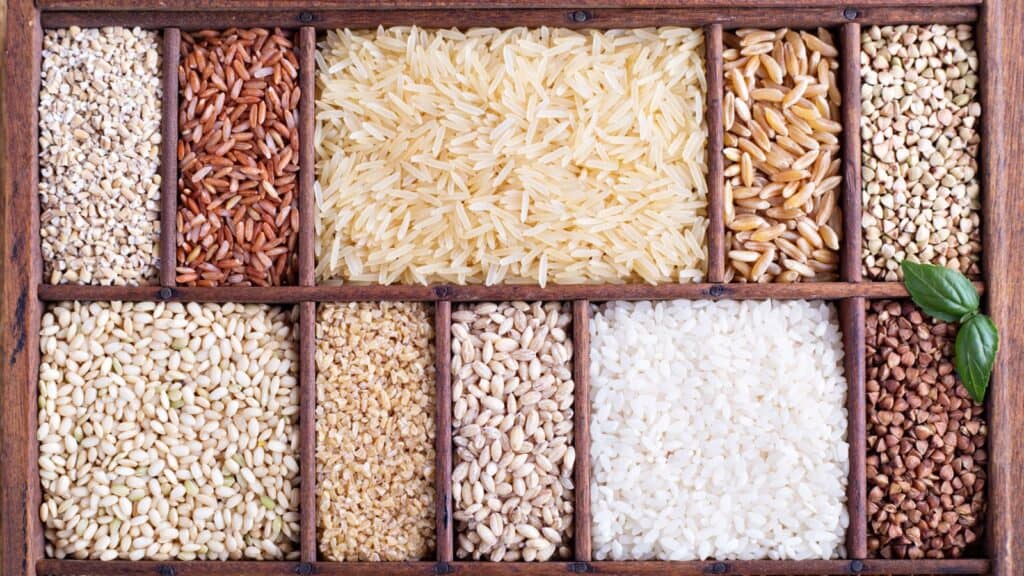
Fiber supports gut health, stabilizes blood sugar, and helps maintain energy. However, according to the MD Anderson Cancer Center, cancer patients often fall short of the recommended 25–30 grams (g) of fiber daily. Whole grains like oats, brown rice, and bran cereals are good sources of fiber when tolerated.
But during episodes of diarrhea or gut irritation, patients may need to reduce fiber temporarily. It’s important to tailor fiber intake based on symptoms and tumor location, as advised by clinical guidelines.
Hydrate strategically, not just generously
Cancer treatment often leads to dehydration due to vomiting, diarrhea, or fever. Dehydration can worsen fatigue and kidney stress. Cancer guidelines emphasize the importance of adjusting hydration goals based on individual needs.
Oral rehydration solutions and broths can be especially helpful. It’s essential to focus on getting enough fluids to manage fatigue and treatment side effects effectively.
Limit ultra-processed, sugary, and deep-fried foods
While occasional treats are okay, the American Cancer Society recommends that cancer patients and the general public limit foods high in added sugars and unhealthy fats as part of a healthy eating plan to maintain a healthy weight, which reduces cancer risk and helps manage the disease.
A large portion of the population already exceeds recommended sugar intake, which can displace nutrient-rich foods. Diets high in refined sugars and fats may contribute to weight gain and worsen fatigue.
Lean on fruits and vegetables for micronutrients and gut health
A diet rich in fruits and vegetables supports immunity, tissue repair, and gut health. Breast cancer survivors with better diets reported fewer symptoms like fatigue and pain. These foods also provide vitamins and minerals, such as vitamins C and A, which are crucial during treatment.
Adjust fiber and lactose if nausea, diarrhea, or constipation hit
Gastrointestinal issues, including nausea, diarrhea, and constipation, are common during cancer treatment. Cleveland Clinic recognizes the BRAT diet as a temporary, bland, low-fiber eating plan to help firm stools and settle the stomach during diarrhea, while constipation often requires more fiber and fluids.
If lactose intolerance occurs or worsens, trialing lactose-free alternatives like plant-based milk can provide relief without eliminating dairy altogether.
Key takeaway

During cancer treatment, proper nutrition is essential for managing fatigue and supporting overall health. Prioritize protein, eat small meals, choose whole grains and healthy fats, stay hydrated, and work with a dietitian for personalized care. Limiting processed foods and adjusting your diet based on symptoms can make a significant difference in your treatment journey.
Disclosure line:
This article was developed with the assistance of AI and was subsequently reviewed, revised, and approved by our editorial team.
Like our content? Be sure to follow us