Historical evidence of Jesus found in 9 ancient records
Believing in historical figures usually requires a leap of faith, but finding Jesus’ footprints outside the Bible feels like striking gold. I remember my first deep dive into ancient history during college. I wanted to know if this figure actually walked the earth or if he remained a myth constructed by followers. You might feel the same skepticism.
I found that critics and historians from the Roman Empire actually documented his existence. These writers had no reason to promote Christianity. In fact, most of them despised the movement.
Bart Ehrman, a renowned agnostic scholar, states that “Jesus certainly existed” because virtually every competent scholar of antiquity agrees on this point. I find this consensus fascinating because it bridges the gap between theology and history. We see a man named Jesus emerging from the ink of his enemies rather than just his friends. This list breaks down the most compelling non-biblical accounts that place Jesus firmly in the history books.
Tacitus Links Jesus To Pontius Pilate
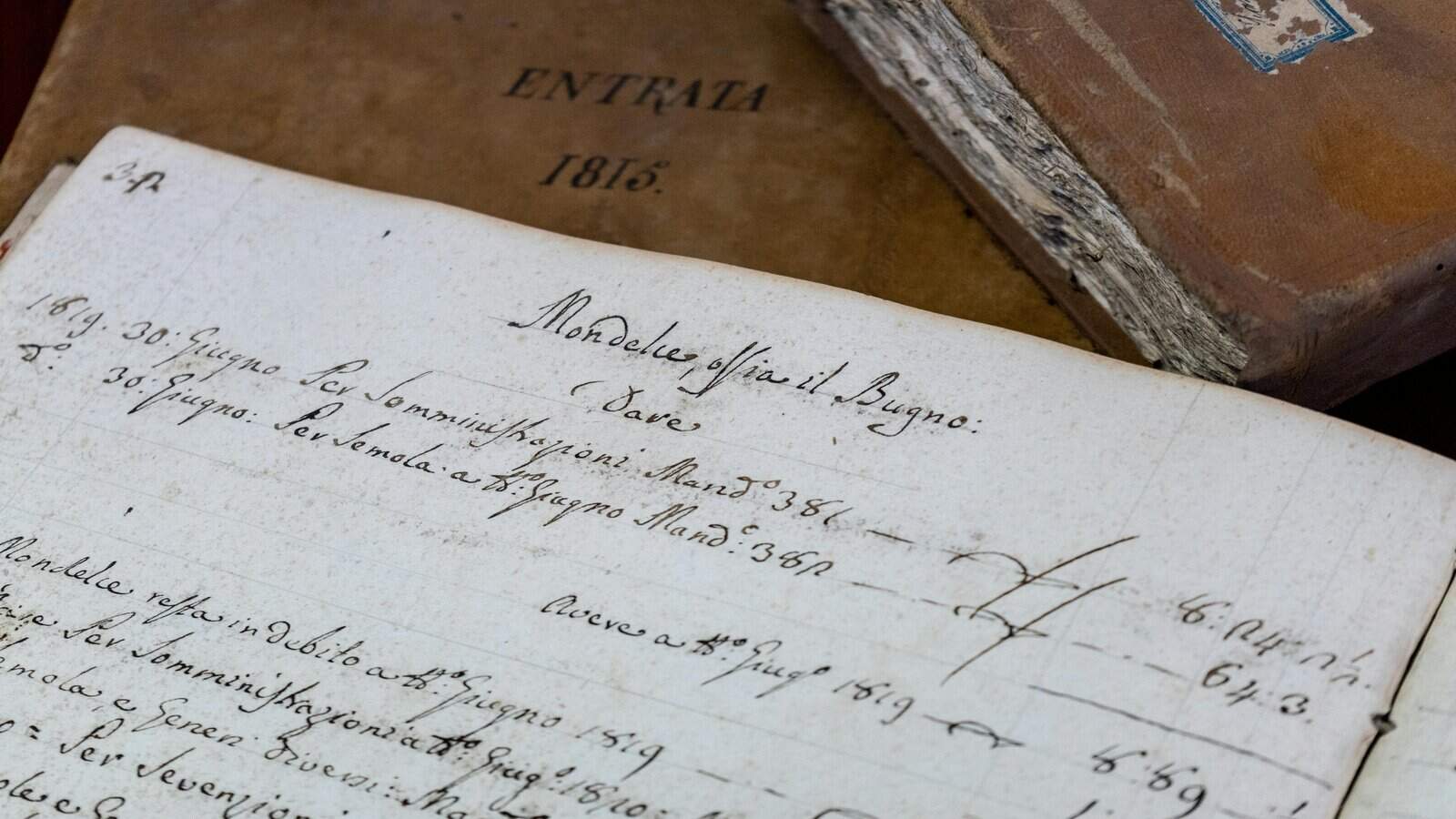
Cornelius Tacitus is among the most trusted historians of the ancient world. He wrote his Annals in 116 AD and did not hold back his disdain for Christians. Tacitus detailed how Emperor Nero blamed Christians for the Great Fire of Rome to deflect rumors that he started it himself. In this account, Tacitus connects the name “Christians” directly to “Christus” and mentions his execution.
I love this entry because Tacitus clearly has no agenda to support the religion. He calls Christianity a “mischievous superstition,” yet confirms two massive historical facts. He notes that Pontius Pilate executed Jesus during the reign of Tiberius. This aligns perfectly with the biblical timeline. IMO, this hostility makes his testimony even more reliable.
Josephus Identifies James, the Brother of Jesus
Flavius Josephus gives us a Jewish perspective on first-century Judea. In his work Antiquities of the Jews, published around 93 AD, he references Jesus twice. The most accepted passage involves the execution of James. Josephus identifies James specifically as “the brother of Jesus, who was called Christ.” Scholars like Louis Feldman regard this passage as highly authentic because it lacks the flowery language Christian scribes might add later.
This brief mention carries heavy weight in the historical community. Josephus does not preach here. He simply uses Jesus as a marker to identify James. Most historians agree that this casual reference proves Jesus was a known public figure at the time.
Pliny The Younger Describes Early Christian Worship

Pliny serves as a fascinating source because he wrote from the perspective of a frustrated government official. As the governor of Bithynia in 112 AD, he wrote a letter to Emperor Trajan asking how to handle Christians. He described their practice of gathering before dawn and singing hymns to Christ “as to a god.”
I find this letter incredible because it captures the early church in action through the eyes of an outsider. Pliny cared about law and order, not theology. His letter confirms that within a few decades of his death, Jesus had a dedicated following willing to die for him.
Suetonius Records the Expulsion of Jews
Gaius Suetonius Tranquillus served as a court official under Emperor Hadrian. In his Lives of the Twelve Caesars, written around 121 AD, he mentions a disturbance during Claudius’s reign. He writes that the Emperor expelled Jews from Rome because they “constantly made disturbances at the instigation of Chrestus.”
Most scholars agree that “Chrestus” is a common misspelling of “Christus” or “Christ.” This aligns with the biblical account in Acts 18:2, where Paul meets Priscilla and Aquila after they left Rome. It shows that Jesus’ influence reached the empire’s capital within roughly 20 years of his death.
The Talmud Mentions the Trial and Hanging

The Babylonian Talmud contains rabbinic writings that offer a hostile but confirming view of Jesus. In Sanhedrin 43a, the text mentions “Yeshu,” who was “hanged” on the eve of the Passover. The text accuses him of practicing sorcery and leading Israel astray.
I appreciate this source because it represents the opposition. The writers had every reason to deny his existence if he were a myth. Instead, they attempt to explain his power through sorcery. This confirms he performed deeds that people could not easily explain.
Mara Bar Serapion Refers to the Wise King
Mara bar Serapion wrote a letter to his son from prison sometime after 73 AD. He compares the deaths of Socrates, Pythagoras, and the “wise King” of the Jews. He observes that the Jews lost their kingdom after killing this wise ruler.
Though he does not use the name Jesus, scholars universally agree that he refers to him. He credits this “wise King” with laying down new laws. I think this letter is touching because it frames Jesus as a philosopher and a martyr rather than just a religious figure.
Lucian of Samosata Mocks the Crucified Sophist
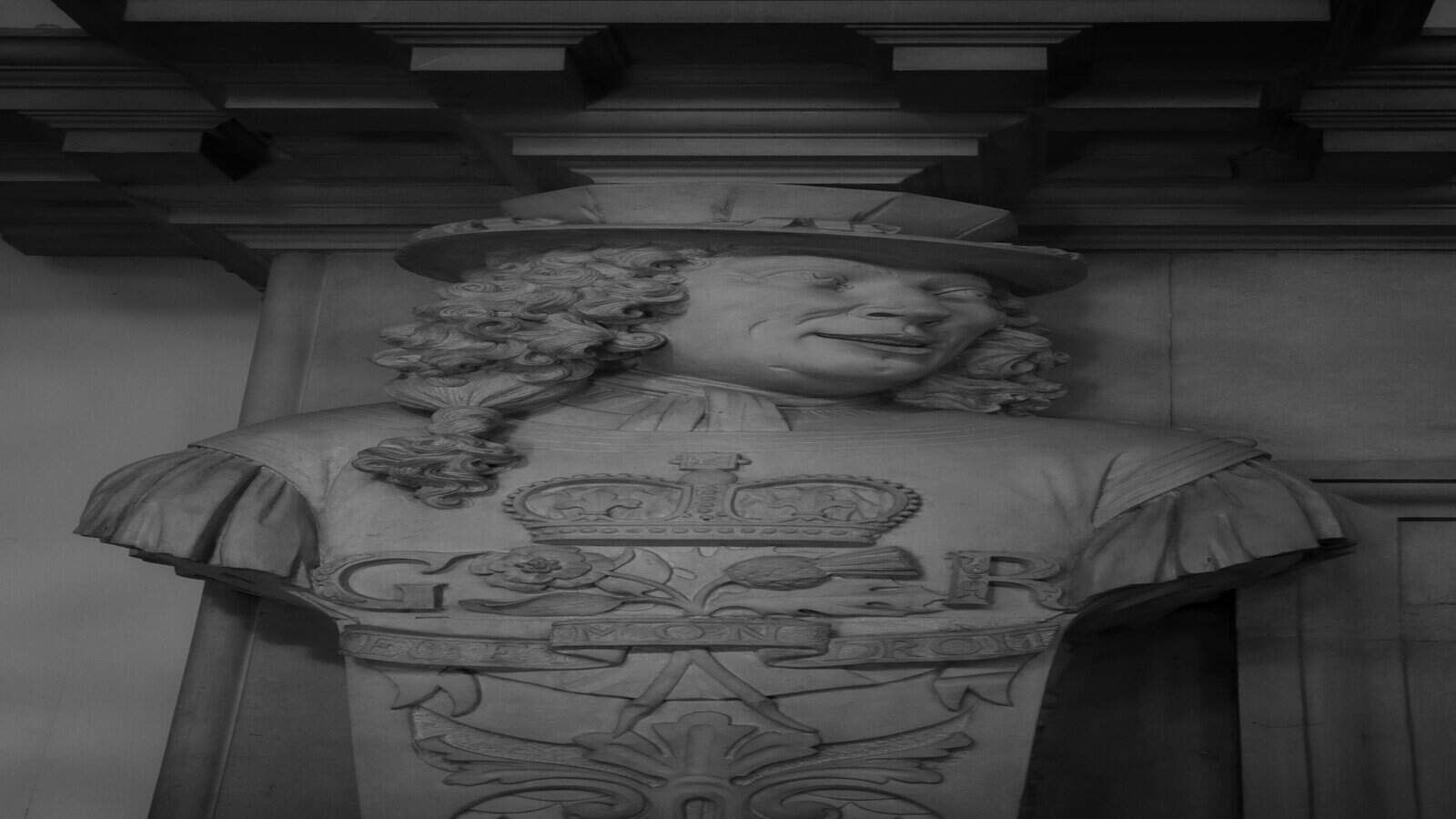
Lucian brings a touch of satire to the historical record. A Greek satirist writing in the second century, he poked fun at Christians in The Passing of Peregrinus. He calls Jesus “the man who was crucified in Palestine” and mocks his followers for worshipping him.
Lucian describes Jesus as a “crucified sophist” who introduced new mysteries. While his goal involves ridicule, he inadvertently cements the fact that Jesus existed and died by crucifixion. It proves that even comedians of the era knew exactly who Jesus was.
Celsus Attacks the Miracles of Jesus
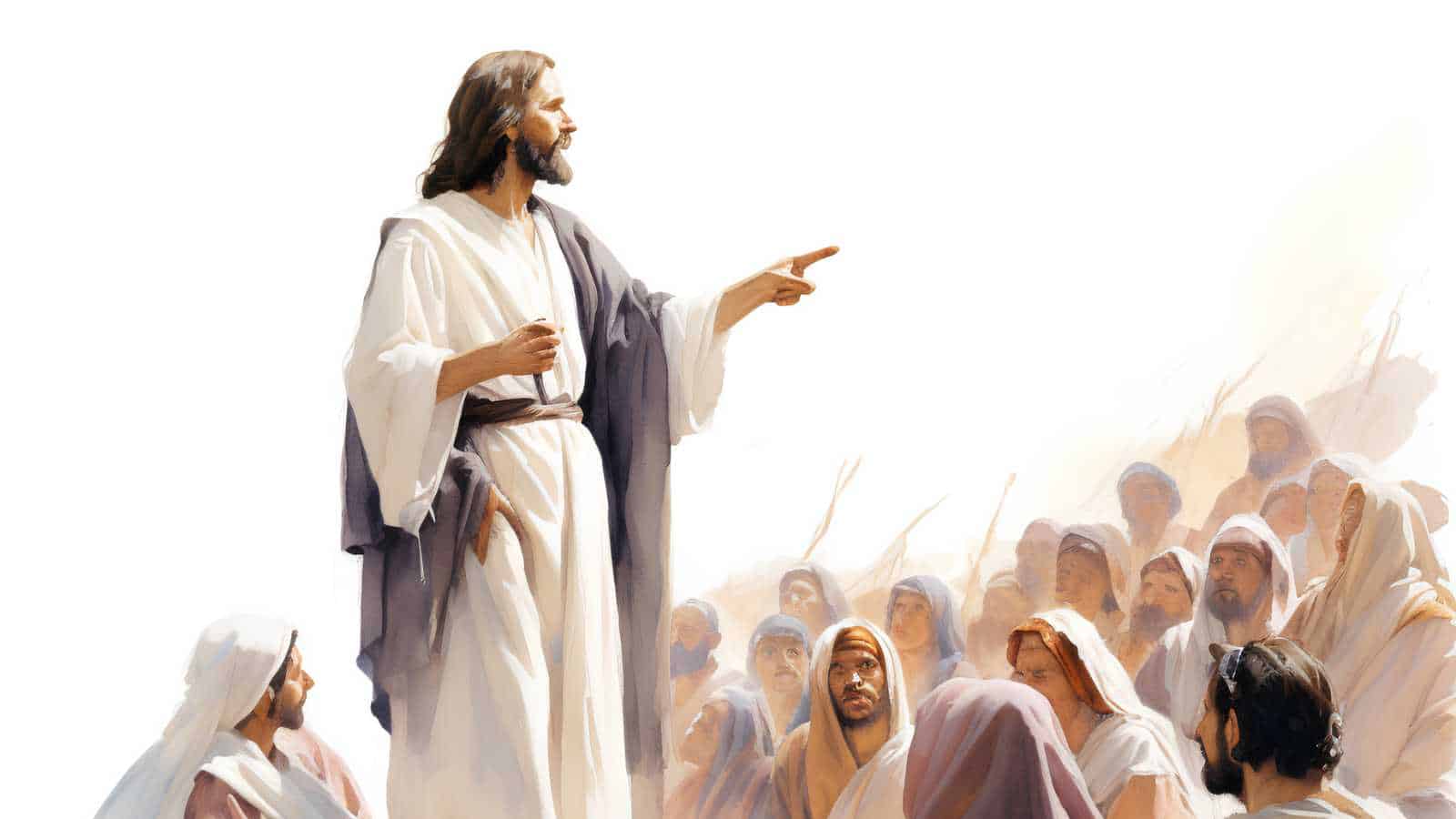
Celsus wrote The True Doctrine around 175 AD as a comprehensive attack on Christianity. We know his arguments because the church father Origen wrote a massive rebuttal titled Contra Celsum. Celsus did not deny that Jesus performed miracles. Instead, he claimed Jesus learned magic in Egypt.
This mirrors the accusations found in the Talmud. I find this line of attack very telling. Celsus could not simply say “Jesus never did those things.” The evidence was likely too strong. So he attacked the source of the power rather than the events themselves.
Thallus discusses the darkness at the crucifixion
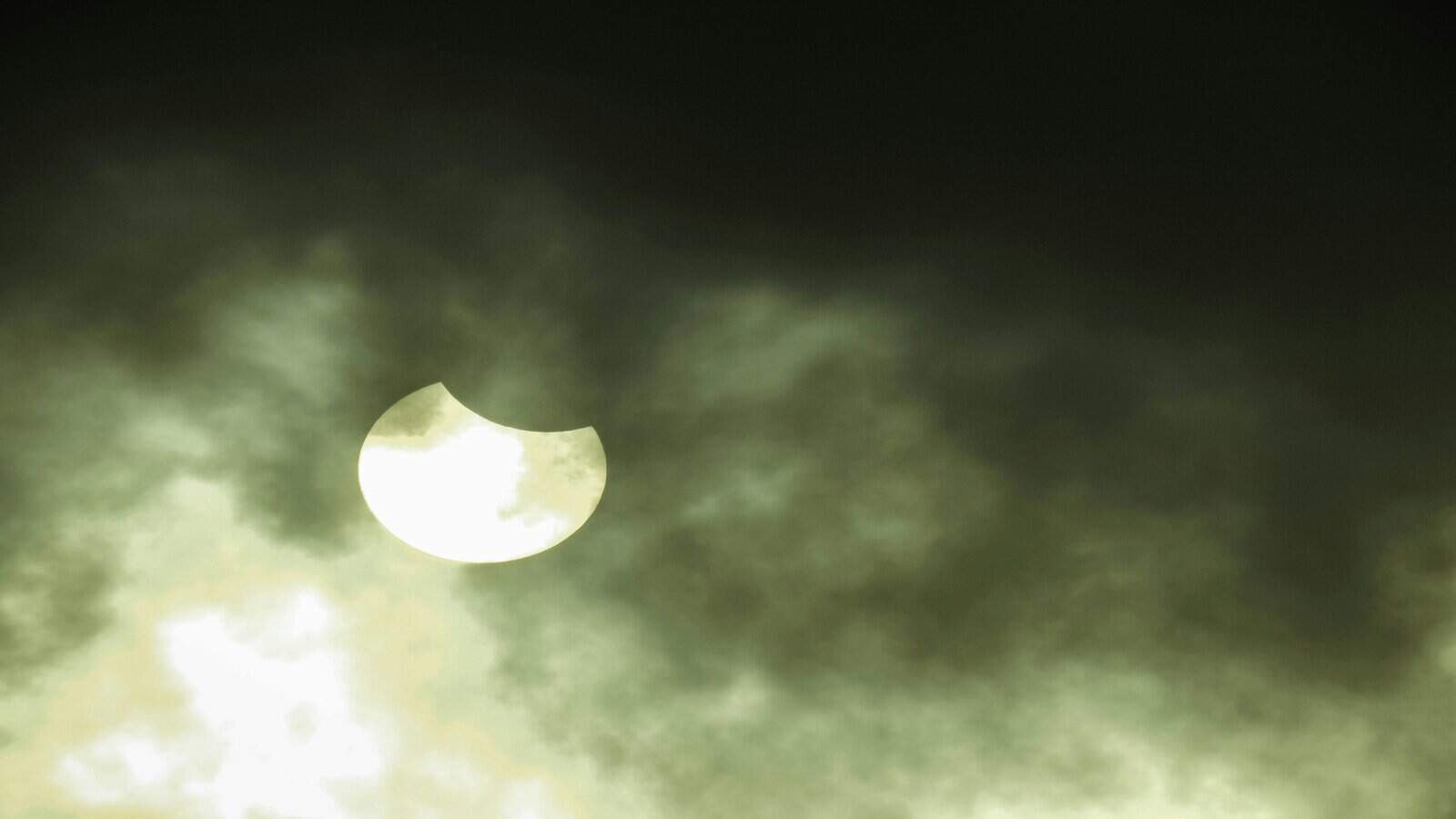
Thallus provides one of the earliest potential references to Jesus. Although his original works are lost, Julius Africanus quotes him in a history written around 221 AD. Africanus debates Thallus regarding the darkness that fell over the land during the crucifixion. Thallus argued it was a solar eclipse.
Africanus points out that a solar eclipse cannot occur during a full moon, which falls on Passover. This debate is significant. FYI, it shows that even skeptics did not deny that the darkness occurred. They simply tried to find a natural explanation for it.
Key Takeaway

The historical existence of Jesus is supported by nine ancient non-Christian sources, including writings by Roman historians such as Tacitus and Jewish sources such as Josephus. These texts provide independent verification of his life, execution under Pontius Pilate, and the early worship practices of his followers, separating the man from the myth. Collectively, these diverse accounts from critics and historians alike confirm that Jesus was a real figure who left an undeniable mark on the ancient world.
Disclosure line: This article was developed with the assistance of AI and was subsequently reviewed, revised, and approved by our editorial team.
20 Odd American Traditions That Confuse the Rest of the World

20 Odd American Traditions That Confuse the Rest of the World
It’s no surprise that cultures worldwide have their own unique customs and traditions, but some of America’s most beloved habits can seem downright strange to outsiders.
Many American traditions may seem odd or even bizarre to people from other countries. Here are twenty of the strangest American traditions that confuse the rest of the world.
20 of the Worst American Tourist Attractions, Ranked in Order

20 of the Worst American Tourist Attractions, Ranked in Order
If you’ve found yourself here, it’s likely because you’re on a noble quest for the worst of the worst—the crème de la crème of the most underwhelming and downright disappointing tourist traps America offers. Maybe you’re looking to avoid common pitfalls, or perhaps just a connoisseur of the hilariously bad.
Whatever the reason, here is a list that’s sure to entertain, if not educate. Hold onto the hats and explore the ranking, in sequential order, of the 20 worst American tourist attractions.