Life After Service: How Veterans Are Rebuilding Identity Beyond the Uniform
Every year, about 200,000 service members leave the military and face the monumental task of rebuilding their lives and identities in civilian society.
Transitioning from military to civilian life is one of the toughest transformations a person can face. You’re not just leaving a job; you’re shedding an entire identity, one that’s built on structure, discipline, and camaraderie. For veterans, this identity shift can be overwhelming, and I’m not just talking about finding a new job.
It’s about rediscovering who you are when everything you once knew and relied on is suddenly gone. But what if I told you that the struggles you’re facing during this transition aren’t just your personal issue? Nope, it’s a larger problem that thousands of veterans face every year, and it’s something society needs to take seriously.
Let’s look into this, shall we? Because if you’ve ever wondered how veterans rebuild their sense of self and find new meaning post-service, keep reading.
The Identity Crisis
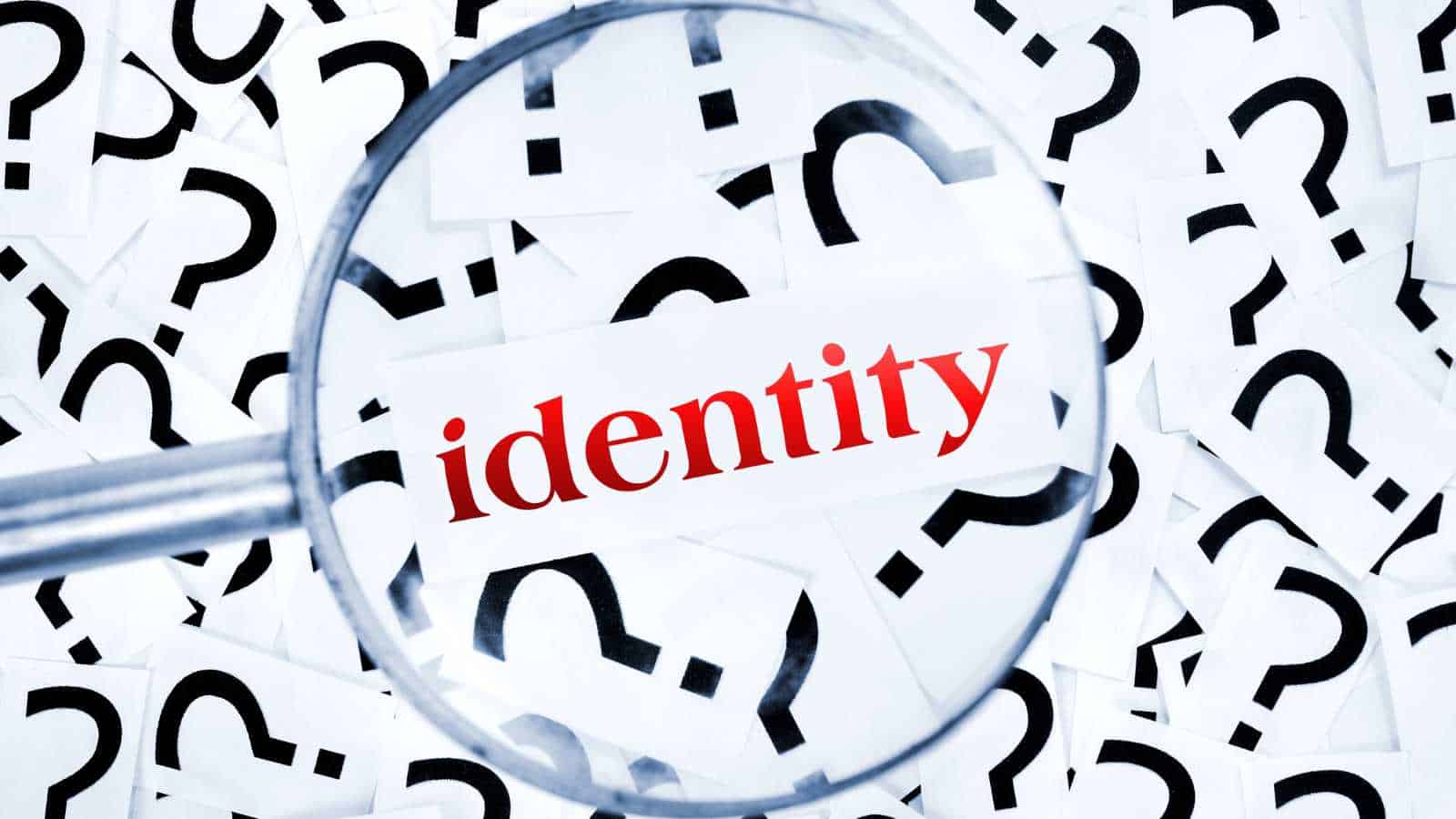
Living a life where everything is clearly defined, your role, your responsibilities, your mission, and the people who have your back. Sounds pretty amazing, right? Well, that’s military life in a nutshell. But when you leave the uniform behind, it’s like stepping into a void.
Suddenly, you don’t have a clear role anymore. No mission to complete, no daily structure. No “unit” to rely on. And for many veterans, this loss of identity is the real challenge they face. It’s not about the paycheck or finding the right job; it’s about redefining who they are as individuals.
Ever wondered why this is so tough? Well, identity loss is actually the biggest predictor of difficulty adjusting to civilian life.
The Void Left Behind

For those of us who’ve never been in the military, it’s hard to grasp the depth of the identity that gets left behind. It’s more than just the job. It’s about belonging to something much bigger than yourself. The military system provides structure, camaraderie, and clear purpose, all of which are pretty hard to replace in the civilian world.
So, what exactly do veterans lose? Well, they lose a community built on shared adversity, a system of recognition that affirms their worth, and, most importantly, a clear mission. “Making that jump from service member to civilian is very daunting,” says Miki Adachi, an Air Force veteran.
Waking up one day and realizing you no longer have a defined goal. That’s what many veterans feel after service. I’m not saying civilian life is bad, but the transition can feel like trying to find a new direction when your compass is broken.
You can see why this is an identity crisis, right? It’s like moving from a tight-knit team where everyone knows their role to a world where no one quite understands the depth of your experience. And for female veterans, it’s even harder. According to Oxford University, they report feeling invisible during the transition, as their struggles are often overlooked. It’s rough out there.
Who Struggles the Most?
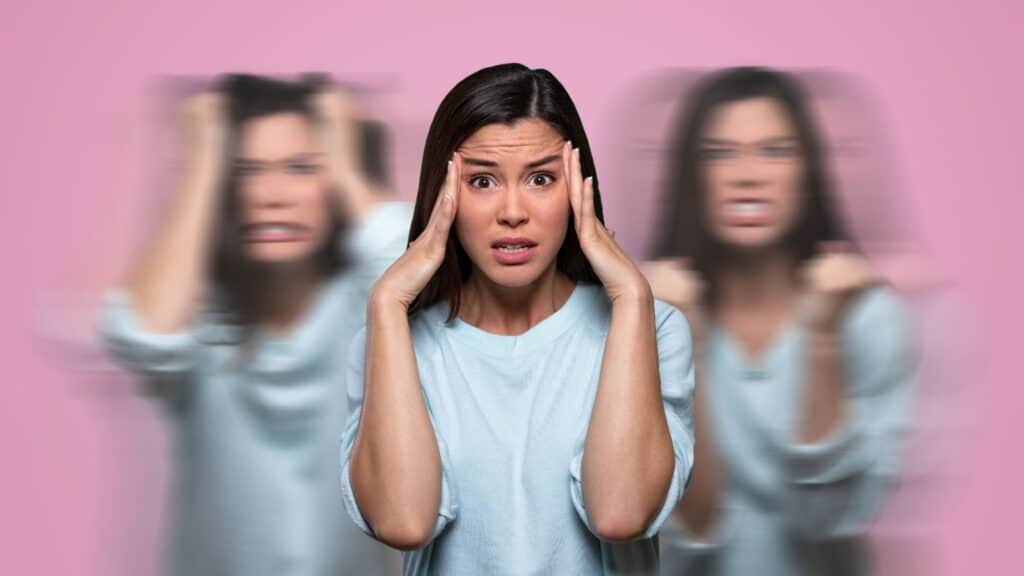
Not all veterans face the same level of difficulty in this transition. You might be thinking, “Wait, why is this harder for some people than others?” Well, several factors can make the process a whole lot trickier.
Here are a few of the key ones:
- Medical Release: If veterans leave due to injury or health reasons, they’re often not mentally ready to shed their military identity, which increases their risk of struggling during the transition.
- Years of Service: Veterans who’ve spent 10-19 years in the military are at the greatest risk of facing an identity crisis. They’ve been deeply ingrained in military culture and may struggle more when they’re expected to “move on.”
- Combat Experience: Combat veterans? Yeah, they tend to report more difficulty adjusting, as Pew Research notes. That’s compared to those who were never deployed.
The Mental Health Toll

Here’s a truth bomb for you: veterans have some of the highest rates of mental health issues post-service. Be it PTSD, anxiety, or depression, the emotional and psychological toll of this identity shift is real. And the scary part? The transition period is the most dangerous.
A report by PubMed Central shows that veterans are at an elevated risk of committing suicide compared to civilians, and this risk doubles in the first year after leaving the service. That’s a tough pill to swallow, isn’t it?
So what’s behind these high rates? Well, PTSD is a biggie. For example, around 75% of post-9/11 veterans report experiencing PTSD. Not surprisingly, combat veterans are at an even higher risk of developing mental health issues. In fact, veterans aged 22-49 have a significantly higher PTSD rate than older veterans, Yale School of Medicine highlights. The transition itself. The one where everything they’ve known gets flipped on its head is a major trigger.
The Three Paths to Rebuilding Meaning After Service

Alright, now that we’ve discussed the struggles, let’s talk about the good stuff. Because yes, there is hope. Veterans take one of three paths to rebuild meaning after service.
- Consistently High Meaning: The majority of veterans report maintaining a strong sense of purpose after leaving the military. These folks find new ways t o stay connected and involved, whether through family, community, or personal projects.
- Diminishing Meaning: This group starts off with a strong sense of purpose but, over time, feels their sense of meaning slip away. This is often linked to mental health struggles like PTSD or depression.
- Strengthening Meaning: This is the positive flip-side. Some veterans start off feeling a little lost, but over time, they develop a stronger sense of purpose. This group often benefits from psychological resilience, meaningful community relationships, and personal growth.
If you’re wondering which category you’d fall into, it’s all about the support systems and resilience you have around you. If it’s family, friends, or a community of fellow veterans, those connections can make all the difference.
The Military-Civilian Culture Gap

Ever tried to fit in somewhere where you just don’t “get” the culture? That’s how many veterans feel when they try to adjust to civilian life. The military is based on hierarchy, teamwork, and a sense of mission. In civilian life? Well, let’s just say it’s a bit more… “freewheeling.”
Veterans report that civilian work environments feel disorderly, and honestly? They’re not wrong. The military is all about structure; you know exactly where you stand, what’s expected of you, and what your role is. Civilian jobs? They don’t always work that way. And don’t get me started on the individualistic nature of most civilian workplaces. It can feel like a real clash of cultures.
The Job Hunt
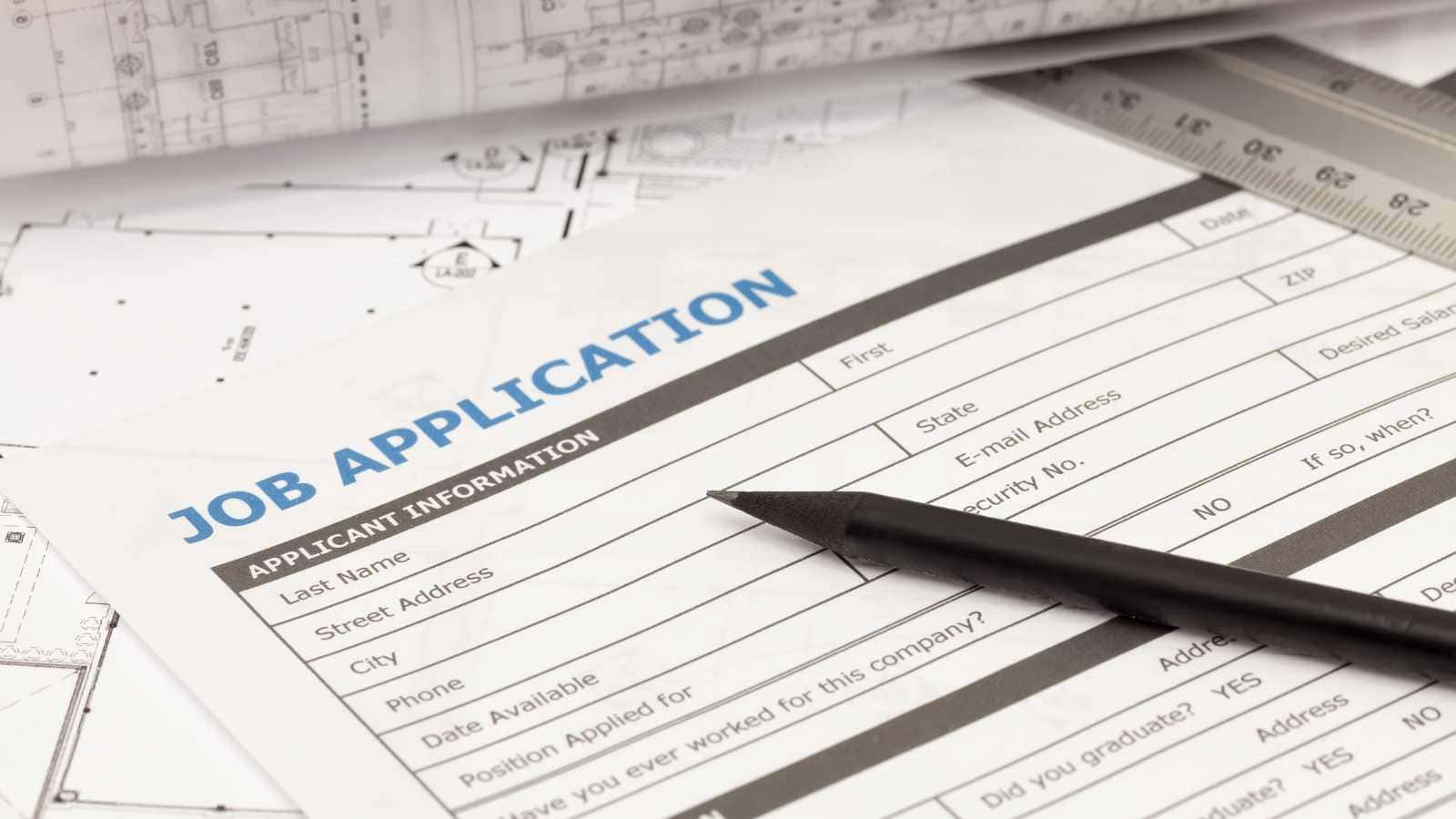
Now, let’s talk about the elephant in the room, employment. In fact, according to Forbes, Two-thirds of veterans report experiencing a difficult transition from military to civilian life, with finding employment named as the greatest challenge. They’re experts in leadership, problem-solving, and adaptability, but employers don’t always see that. Kind of a disconnect, right?
A lot of the technical skills from the military don’t always transfer directly to civilian jobs, especially if you’ve been in combat roles. But even veterans with more civilian-friendly backgrounds, like those in IT or logistics, still face significant barriers when translating their experiences.
But hey, there’s good news. Some veterans take matters into their own hands and become entrepreneurs. In fact, 1.6 million veteran-owned businesses are operating in the U.S. today, representing 5.5% of business owners in the U.S, the U.S Small Business Administration notes. That’s a huge number, right? However, even veteran entrepreneurship has its challenges, and sadly, the number of veteran-owned businesses has been dropping over the years.
Rebuilding Relationships

Here’s the kicker: transition doesn’t just affect veterans; it affects everyone around them. If you think the struggle ends once you find a new job, think again. Veterans face relationship strain, too. You’ve got to readjust to family life, and often that means figuring out how to reconnect with your spouse, kids, and loved ones.
The impact of PTSD or depression can put immense strain on these relationships. Couples often face challenges like recreating intimacy and dealing with emotional distance.
Support Systems

The good news? Veterans don’t have to go through this alone. There are peer support programs that can make all the difference. Veterans who connect with other veterans through support networks tend to have better mental health outcomes, less isolation, and a stronger sense of belonging. It’s like being part of a new mission, but this time, the mission is about healing and moving forward.
Key Takeaways

The transition from military to civilian life is much more than finding a new job; it’s about rebuilding identity. Identity loss is the primary challenge veterans face, and it significantly impacts their ability to reintegrate into civilian life. This loss goes beyond a career change; it’s about rediscovering purpose, belonging, and self-worth when the structure and camaraderie of the military are no longer present. Veterans who struggle with maintaining their sense of self after service are at a much higher risk of facing mental health issues, such as PTSD, depression, and even suicidal thoughts.
Different veterans face different struggles, and factors such as years of service, combat experience, and medical release all influence how difficult the transition will be. Veterans who’ve served longer or have experienced combat often struggle more with adjusting to civilian norms. Additionally, younger veterans face unique challenges, as they may not have the same level of life experience or support systems as older veterans. Female veterans also face specific hurdles, such as feeling invisible or overlooked in the transition process.
While the road is tough, support systems, through peer networks, therapy, or entrepreneurship, can significantly ease the journey. Veterans who connect with others who’ve walked a similar path tend to experience better mental health outcomes and a greater sense of belonging. Finding new ways to create meaning, through family, community, or personal growth, is crucial. Whether it’s through mentorship, volunteer opportunities, or business ventures, there are multiple ways for veterans to rebuild their identities and discover new purposes beyond the uniform.
Disclosure line: This article was written with the assistance of AI and was subsequently reviewed, revised, and approved by our editorial team.
7 Morning Rituals Women Swear By for More Energy and Confidence

7 Morning Rituals Women Swear By for More Energy and Confidence
Morning rituals don’t have to be complicated. A glass of water, a quick stretch, five minutes with your journal — these small things stack up to create significant change. Women who build these habits aren’t just “morning people”; they’re people who decided to take charge of their first hour of the day.
Why Your Daily Coffee Could Be the Secret to Better Wellness
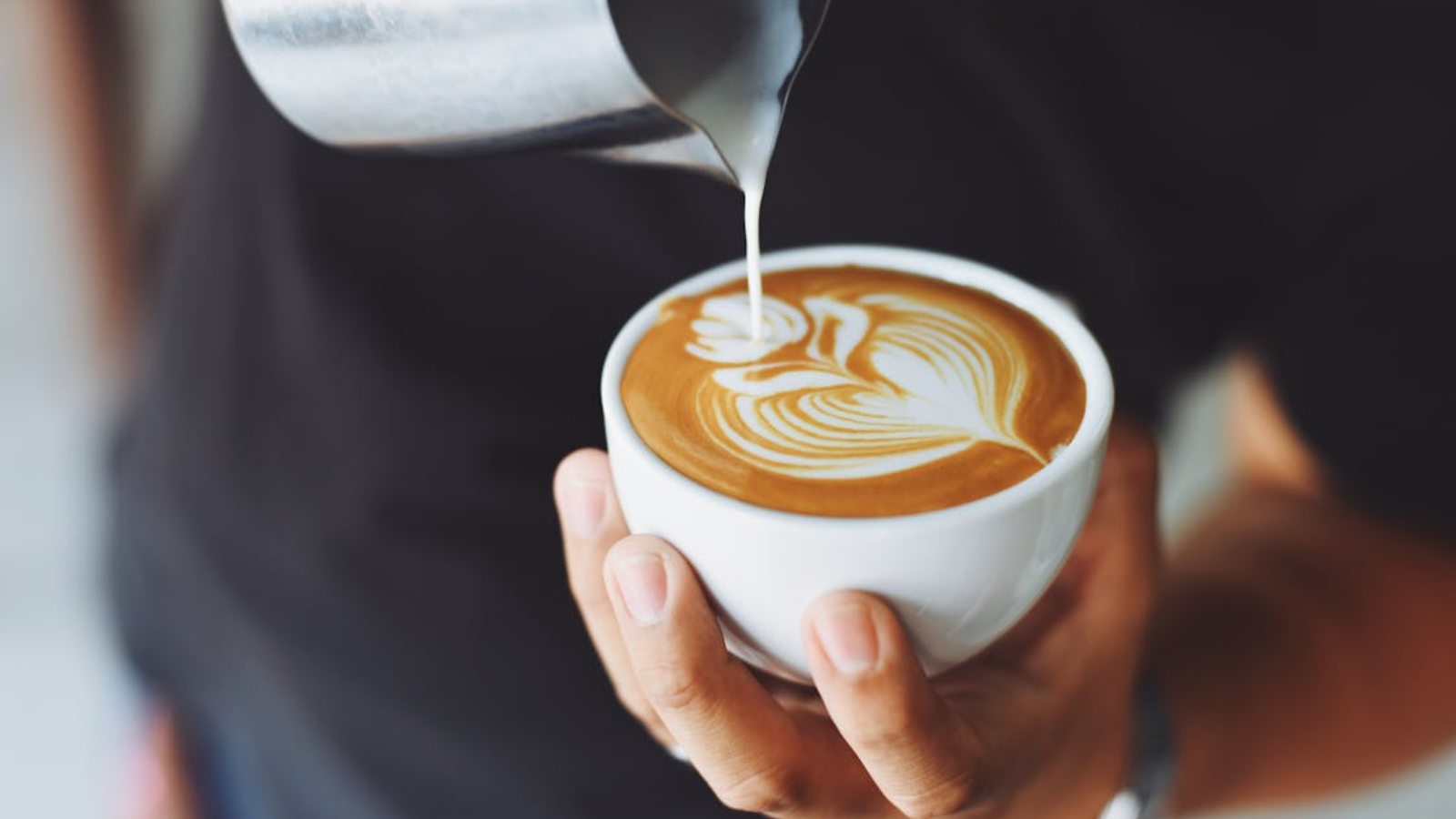
Why Your Daily Coffee Could Be the Secret to Better Wellness
Coffee is more than a pick-me-up. It’s a beverage linked to improved brain health, metabolic strength, heart resilience, and even a longer life. With antioxidants and plant compounds working alongside caffeine, it’s no wonder researchers call it one of the most powerful wellness drinks available.