13 silent struggles victims face in abusive relationships
Abuse isn’t always marked by bruises—its most devastating effects often unfold in silence and invisibility.
We always hear about the more overt signs of abuse, like a black eye or a physical altercation, and our minds jump to these visible markers of broken relationships. But the most damaging parts of abuse often happen behind closed doors and in the quiet of a person’s mind.
These hidden battles are what make leaving an abusive situation feel impossible, like trying to climb a sheer cliff with no gear. Abuse is a slow burn that erodes a person’s finances, health, and sense of self over time. It’s a psychological assault that leaves no physical mark, yet the damage is profound. Here are some of the quiet battles that victims of abuse fight every single day.
Subtle Threats and Manipulation

Abuse is not always loud and violent; it can be quiet and sinister. An abuser might use subtle threats to maintain control, like threatening to harm a victim’s pet or telling them they’ll lose their children. These implied threats are just as effective as physical violence in keeping a victim in line.
The Invisible Chains of Isolation

Abusers often work to sever a victim’s relationships with family and friends. They’ll create drama, make accusations, or simply demand all of a victim’s time, making it feel impossible to maintain outside connections. Social isolation is a cornerstone of emotional abuse and a common tactic used by abusers to gain power and control over their victims, making it more difficult for them to seek help or leave the relationship.
The Quiet Erosion of Self-Worth

An abusive partner chips away at a person’s self-esteem slowly but steadily, like a sculptor taking tiny pieces from a block of marble. They will criticize their partner’s appearance, beauty choices, or intelligence until the victim begins to internalize the negativity. Over time, the victim comes to believe they are truly worthless and that no one else would ever love them.
Living in a State of Hypervigilance

Victims of abuse are always on high alert, carefully thinking through every word and action. They are on a constant tightrope walk, trying to predict their abuser’s mood to avoid an explosion. This constant anxiety and stress can lead to long-term health problems. On average, nearly 20 people per minute are physically abused by an intimate partner in the United States, so the constant threat is very real.
The Financial Trap

Financial abuse is a silent but powerful form of control. Abusers may restrict access to money, destroy a victim’s credit score, or make them dependent on an allowance. Approximately 99% of domestic violence victims experience financial abuse, which can leave them with no way to escape.
Sleep is a Luxury

The stress and fear that come with living in an abusive situation can make sleep feel like a distant dream. Victims may struggle with insomnia, nightmares, and night terrors as their minds rehash the day’s events. This chronic sleep deprivation impacts their physical and mental health, making it even harder to think clearly and plan an exit.
The Distortion of Reality

Gaslighting is a psychological manipulation tactic where an abuser makes a person question their own reality, memory, or perceptions. They might say, “That never happened,” or “You’re crazy,” over and over until the victim starts to believe it. This makes the victim question their sanity and the trustworthiness of their own instincts.
Sacrificing Personal Passions

Abusers often discourage or forbid a victim from pursuing their passions. They might say these things are a waste of time or money. The victim ends up giving up the very things that bring them joy, which only increases their isolation and dependence on the abuser.
The Impact on Physical Health

The stress of an abusive relationship can take a heavy toll on a person’s physical health. Victims may suffer from chronic pain, stomach problems, or a weakened immune system. The constant state of fight-or-flight can cause long-term inflammation, leading to a number of physical ailments.
Losing Your Voice

Over time, victims learn that it’s safer to stay quiet than to speak up. They stop sharing their opinions or expressing their needs to avoid upsetting their partner. This leads to a gradual loss of their own voice and identity, as they shrink to fit the role the abuser has created for them.
Hiding the Truth from Others

Victims often go to great lengths to hide the truth about their relationships, putting on a brave face for family and friends. They might say their partner is wonderful or make excuses for their behavior. They do this out of shame, fear of being judged, or to avoid further anger from their abuser.
The Trauma Bond

The constant cycle of abuse and affection creates a deep psychological connection known as a trauma bond. Psychological research on the cycle of abuse shows that this bond is a survival mechanism where the brain becomes conditioned to seek out the abuser for safety and validation during periods of intermittent affection, making it difficult for the victim to leave.
The Loss of a Future
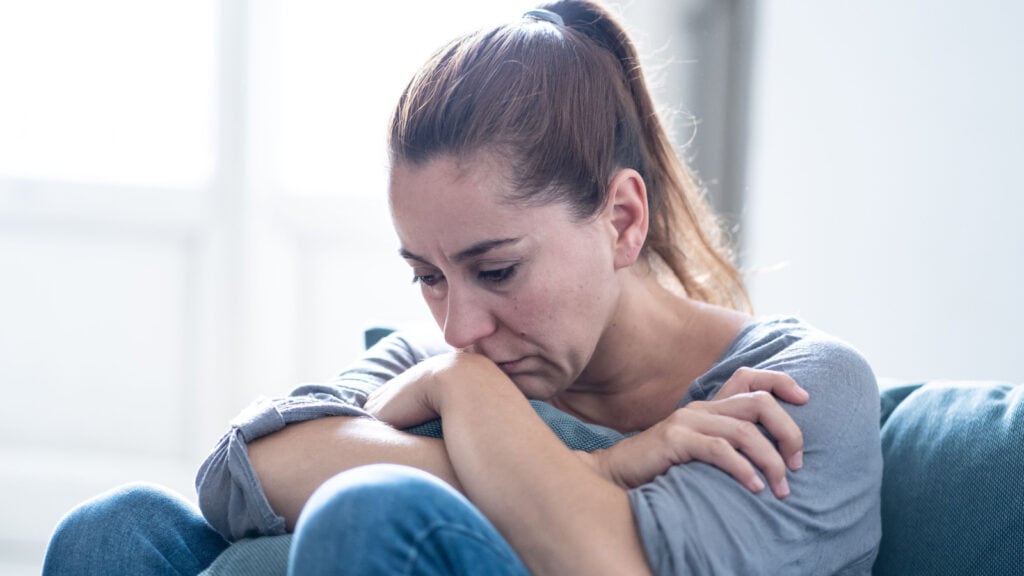
Abuse can rob a victim of their ability to dream or plan for the future, leaving them with a sense of hopelessness as if their lifestyle has been taken away. Research by PMC shows that survivors of domestic violence are at a significantly higher risk of developing post-traumatic stress disorder (PTSD), which often leads to learned helplessness and a diminished sense of future orientation.
15 Things Women Only Do With the Men They Love

The 15 Things Women Only Do With the Men They Love
Love is a complex, beautiful emotion that inspires profound behaviors. We express our love in various ways, some universal, while others are unique to each individual. Among these expressions, there are specific actions women often reserve for the men they deeply love.
This piece explores 15 unique gestures women make when they’re in love. From tiny, almost invisible actions to grand declarations, each tells a story of deep affection and unwavering commitment.