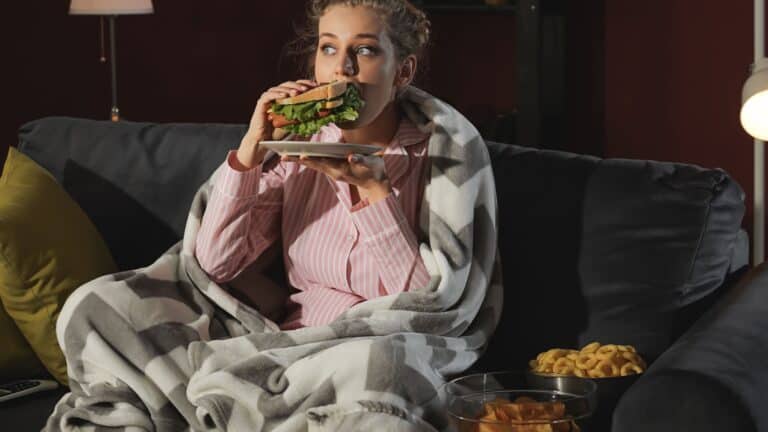
How millennials lost their love for the internet
Remember when logging on felt like opening a door to Narnia instead of walking into a crowded DMV? If you are a millennial, you probably recall the days when the internet was a wild, weird, and wonderful playground. We spent hours customizing Myspace profiles and chatting on AIM until our eyes glazed over.
But somewhere between the rise of algorithmic feeds and the AI boom, the magic faded. It turns out we are not just “getting old” (though my back pain disagrees); we are witnessing a massive shift in how we exist online.
Current data backs up this vibe shift. Back in late 2023, Gartner predicted that 50% of consumers would significantly limit their social media interactions by 2025, and looking around in early 2026, they were spot on. We are ghosting the very platforms we helped build. The internet used to be a community. Now? It feels like a billboard that screams at you while stealing your wallet.
The dead internet theory feels uncomfortably real
You have likely heard the “Dead Internet Theory” whispered in Reddit threads. It suggests that most internet traffic is no longer human. Spoiler alert: it is basically true. A report from Imperva found that nearly half (49.6%) of all internet traffic in 2024 came from bots, not people.
Imagine trying to have a genuine conversation at a party, only to find/ half the guests are cardboard cutouts playing recorded messages. That is the modern web. We are scrolling through “content” generated by AI, liked by bots, and commented on by algorithms. It makes you wonder if that Twitter argument you read yesterday was even real.
We reached peak subscription fatigue
Everything requires a monthly fee now. Want to listen to music? Subscription. Want to watch a movie? Subscription. Want to use a heated seat in your car? Believe it or not, subscription. The “enshittification” of services (a term coined by Cory Doctorow) has hit hard.
We are tired of renting our digital lives. Deloitte’s Digital Consumer Trends reported a plateau in digital device adoption, signaling that we are holding onto our old tech longer and refusing to buy into the “next big thing” every year. We are closing our wallets because the value just isn’t there anymore. FYI, I still use wired headphones, and I have zero regrets.
Social media became a mental health hazard
It is not just about boredom; it is about survival. The stats on mental health are genuinely alarming. According to SQ Magazine’s 2026 data, 75% of Gen Z and younger millennials blame social media for their mental health decline. We spent years curating perfect lives for Instagram, only to realize it was making us miserable.
We are trading doom-scrolling for “monk mode.” The dopamine hit from a notification no longer feels good; it feels like a chore. We are actively seeking friction, turning off notifications, deleting apps, and buying dumb phones, just to reclaim a slice of peace.
The influencer trust bubble finally burst

Remember when we trusted influencers more than celebrities? That trust is eroding. While Morning Consult data showed that 50% of millennials still trusted influencers for product recommendations, skepticism is growing. We can spot a #sponsored post from a mile away, and the authenticity we once craved now feels manufactured.
It is like going on a series of bad dates. You keep hoping the next one will be different, but they all end up trying to sell you a crypto course or a gut health tea. We are ghosting the influencers because we realized the relationship was transactional rather than personal. IMO, we just want real recommendations from real friends again.
Key Takeaways
Trust issues: Influencer authenticity is fading, leading to a skepticism of sponsored content.
Bot takeover: Nearly half of internet traffic is non-human, making interactions feel hollow.
Usage decline: 50% of users have significantly limited their social media use since 2025.
Mental toll: 75% of younger users link social media directly to mental health decline.
Disclosure line: This article was written with the assistance of AI and was subsequently reviewed, revised, and approved by our editorial team.
Like our content? Be sure to follow us