Is gold still safe? 11 things to watch out for in 2026
Gold still feels like the friend you call when things get weird in the economy, but this year it might surprise you in ways you’re not expecting.
Gold has always been that shiny rock we cling to when the economy feels shaky or uncertain. With the market swings we saw last year, you might be wondering if your stash is still the safety net you hoped it would be. It is natural to question if the old rules still apply when money moves this fast. The metal held its ground recently, but 2026 brings a fresh set of hurdles that could change the game completely.
We are looking at a year where interest rates and global politics could pull prices in totally opposite directions. Investors need to keep their eyes peeled for signals beyond the daily ticker price on the screen. Understanding these shifts is the key to protecting your portfolio from sudden shocks. Here are the factors you need to watch so you do not get caught off guard by the market.
The Federal Reserve Interest Rate Decisions

Everyone watches the Fed because their moves dictate how much it costs to borrow money. When interest rates fall, gold usually becomes more attractive because it does not pay interest as bonds do. If the Fed decides to cut rates further this year, we could see a major price jump. You should watch their quarterly announcements closely to see where the wind is blowing.
Investors often get jittery when the Fed hints at pausing cuts or even hiking rates back up. A higher rate environment tends to push people toward assets that pay steady yields. This shift can put a heavy lid on gold prices even when other factors look good. Keeping an eye on inflation reports will help you guess what the Fed might do next.
Analysts Are Predicting High Price Targets

Wall Street appears very bullish on the metal heading into the latter half of the year. Many experts believe the momentum we saw in 2025 will carry over without slowing much. J.P. Morgan projects gold prices will average $5,055 per ounce by the fourth quarter of 2026. Such high targets suggest big institutions are betting on continued growth.
However, you should always take these price targets with a grain of salt since the market changes fast. These predictions rely on economic troubles continuing, which is not always a sure thing in the long term. It is smart to use these numbers as a rough guide rather than a guarantee. If the economy improves faster than expected, those targets might not hold up.
Geopolitical Tensions Remain A Driver

Political instability around the world sends investors running for safety faster than anything else. Wars and trade disputes make cash feel risky, while gold feels like a solid anchor in a storm. Ongoing conflicts in key regions are keeping the fear index high and supporting the price. As long as headlines remain scary, the metal will likely have a strong floor.
We also have to consider the impact of upcoming elections in various countries this year. Political shifts can lead to changes in currency values that directly impact how much gold costs to buy. Uncertainty is often the best friend of precious metals during election cycles. Watching international news is just as important as watching financial news right now.
Central Banks Are Buying Massive Amounts
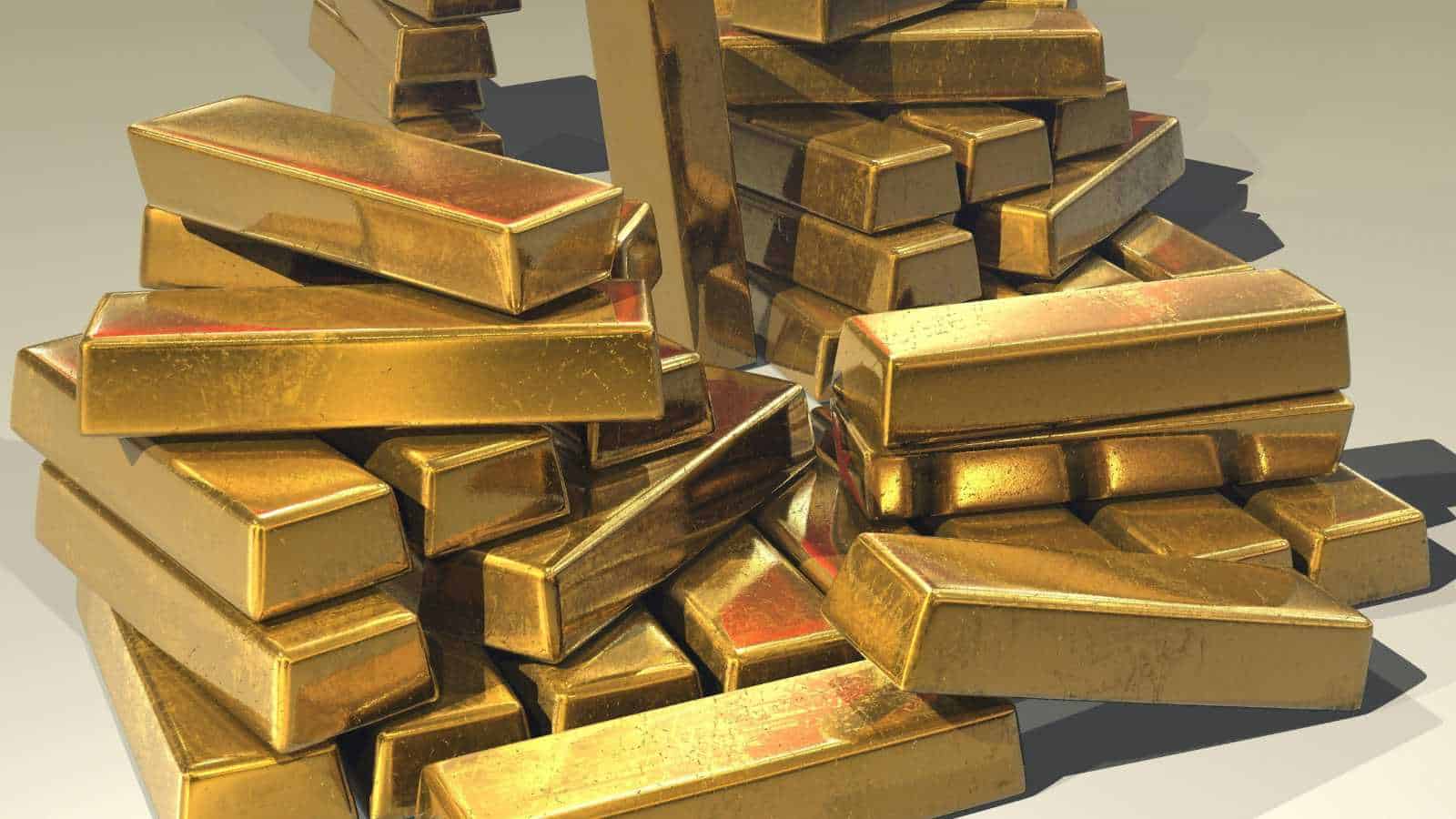
Nations have been loading up on bullion to diversify their reserves away from the dollar. This is not just a passing trend but a major shift in how countries manage their savings accounts. Global central banks added 1,045 metric tons to their reserves in 2024, and the buying spree has not stopped. This constant demand creates a safety net for prices.
When big players like central banks buy, they tend to hold that metal for a very long time. This removes a significant amount of supply from the open market, making the remaining ounces more valuable. You can view this institutional buying as a strong vote of confidence in the long-term value of gold. It suggests they expect currency volatility to continue for years.
Mining Costs Are Climbing Higher

Getting gold out of the ground is becoming more expensive due to energy prices and labor shortages. Miners have to dig deeper and process more rock just to find the same amount of metal they used to. All-in sustaining costs for miners were expected to hover near the $1,230 to $1,444 per ounce range in 2026. These rising expenses put a natural floor under the price.
If the price of gold drops too close to the cost of mining it, companies will simply stop digging. This reduction in supply would eventually push prices back up as the metal becomes harder to find. The economics of mining act as a self-correcting mechanism for the market. It is a physical limit that paper assets simply do not have.
China Is Hoarding More Reserves

The Asian giant has been one of the most aggressive buyers in the market recently. They are actively trying to reduce their reliance on foreign currencies by swapping paper for hard assets. China’s official gold holdings reached 2,306 tons by the end of 2025, which accounts for about 8.5% of its total reserves. This strategy signals they are preparing for potential economic decoupling.
This consistent buying pressure from China helps absorb any selling in the West. It also encourages other emerging markets to follow suit and bolster their own gold reserves. You should watch the monthly reports from the People’s Bank of China to see if this trend slows. If they stop buying, the market could feel a sudden chill.
Exchange Traded Funds Are Seeing Cash

Investment funds that hold gold are a great indicator of how retail and institutional investors feel. When people are scared or greedy, money flows into these funds in massive waves. In 2025, gold ETFs saw record-breaking inflows of $108 billion as investors rushed to get exposure. This surge shows that main street investors are just as interested as the central banks.
However, these flows can reverse quickly if the stock market becomes more attractive. Unlike central banks, ETF investors are often shorter-term traders who will sell if the trend breaks. Watching the weekly inflow and outflow data can give you a heads up on sentiment shifts. It is a fast-moving gauge of market fear and greed.
The Global Debt Bubble Is Worrying

Governments around the world are borrowing money at rates that many find alarming. This accumulation of debt makes fiat currencies look less stable and drives people toward hard assets. A World Gold Council survey showed 95% of central banks expect global gold reserves to increase due to these fiscal concerns. High debt usually leads to currency debasement in the long run.
When investors lose faith in a government’s ability to pay back its debts without printing money, gold shines. It is the only financial asset that is not someone else’s liability or debt. Holding gold is basically betting that politicians will not be able to fix the budget. Given the history, that often feels like a pretty safe bet.
The Strength Of The US Dollar
Gold and the dollar usually move like kids on a seesaw; when one goes up, the other goes down. A strong dollar makes gold more expensive for foreign buyers, which can hurt demand. If the dollar weakens in 2026, it will make gold cheaper for the rest of the world to buy. This currency play is one of the most reliable correlations in finance.
You need to keep an eye on the Dollar Index to understand daily gold price moves. Economic data that makes the US economy look strong can boost the dollar and hurt your gold holdings. Currency fluctuations can wipe out your gains even if the metal itself does not change value. It is always a tug of war between the greenback and the yellow metal.
Consumer Demand In India Is Recovering

India is one of the largest markets for gold jewelry and investment in the world. High prices last year dampened some of the enthusiasm, but cultural affinity for the metal runs deep. A recovery in Indian demand could provide a massive boost to physical sales during wedding seasons. When the Indian consumer shows up, they buy in volume.
However, import duties and taxes in India can unexpectedly choke off this demand. The government there often changes rules to control its trade deficit. You have to watch for regulatory changes in India that could make gold more expensive for locals. A drop in Indian buying power is always a bearish signal.
Supply Chain Constraints Are Real

We are not finding new massive gold deposits as we used to fifty years ago. Exploration budgets are up, but the actual discovery of new, easy-to-mine gold is rare. Peak gold is a theory that suggests we have already mined the most accessible metal. This scarcity narrative helps drive the long-term investment case.
It takes ten to twenty years to bring a new mine from discovery to production. This means that even if prices soar, supply cannot just ramp up overnight to meet the demand. The inelastic nature of the gold supply makes price spikes more likely when demand surges. We are dealing with a finite resource in a world of infinite money printing.
Like our content? Be sure to follow us