Missing the way snacks used to taste? 12 grandma-style favorites that still hold up
What gets labeled grandma-style snacks in the U.S. rarely belongs to a single tradition. Most of these foods trace back to households shaped by the Baby Boomers and the Silent Generation: generations that lived through postwar industrial expansion, mass food production, and a steady layering of immigrant food cultures into everyday life.
By the time their kitchens defined what we now call classic snacks, American eating habits were already a blend of European baking traditions, Southern agricultural staples, and packaged goods engineered for convenience.
That diversity wasn’t abstract. According to the American Immigration Council, nearly 1 in 8 Americans was foreign-born or had at least one immigrant parent by the late 20th century, shaping what showed up in lunchboxes and on kitchen counters. Moments when industrial food, cultural crossover, and household routine aligned in a way that felt consistent, affordable, and most importantly, familiar are what people are chasing.
Salted Butter Toast with Sugar
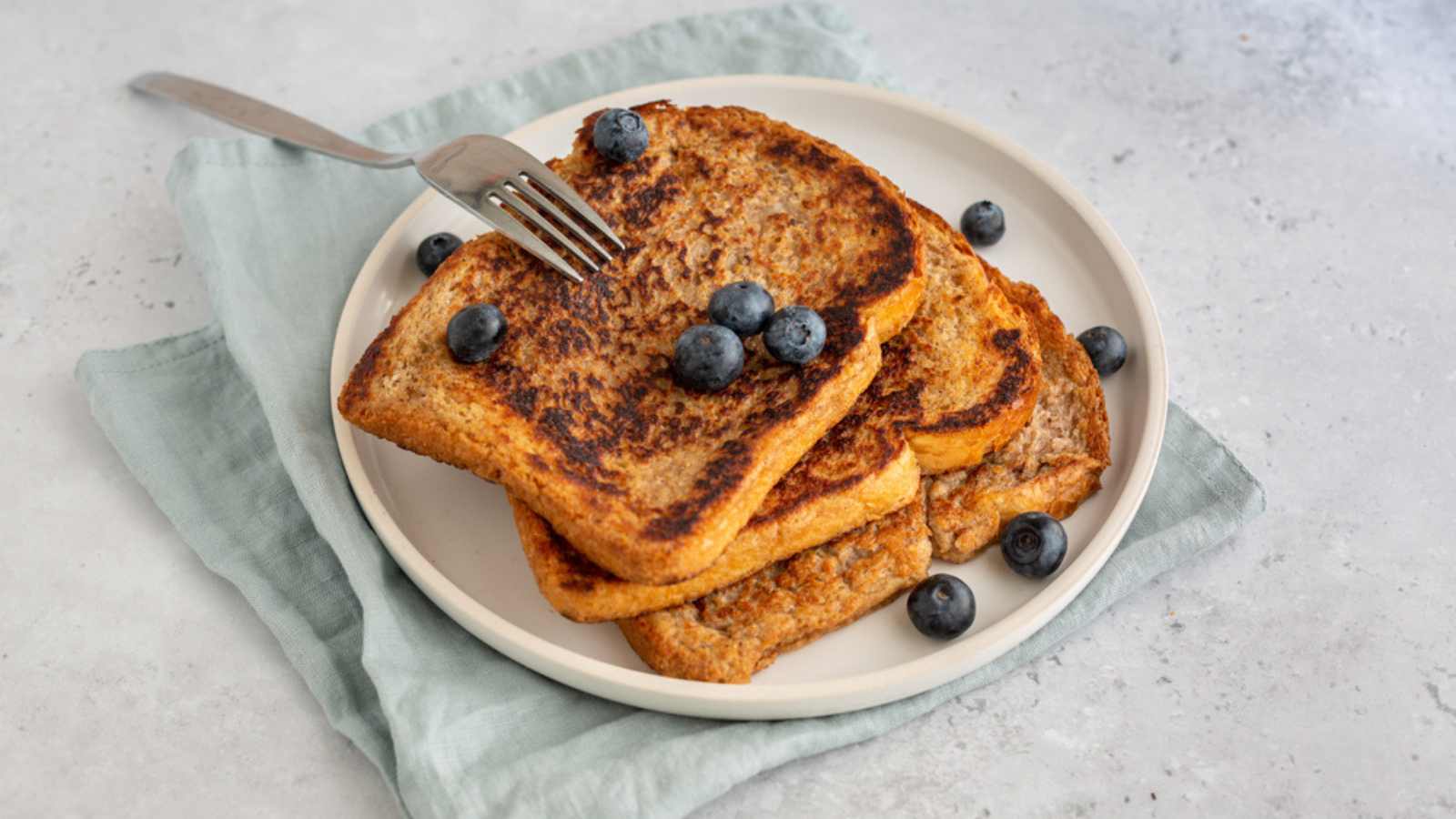
The simplicity of white bread toasted until the edges char slightly, slathered in salted butter, and topped with a gritty layer of white sugar is a nostalgic cornerstone that defies modern nutritional wellness trends.
While contemporary health culture demonizes refined carbohydrates and sucrose, the sensory profile of this snack relies on the precise chemical interaction between lipid-rich butter and the crystalline structure of sugar.
The contrast in textures: the crunch of the sugar against the melting fat, is a primary driver of hedonic hunger, where we eat for pleasure rather than caloric necessity. Interestingly, food historian Bee Wilson, author of First Bite: How We Learn to Eat, notes that these high-energy pairings were historically pragmatic for providing quick glucose bursts in eras of manual labor.
Despite the push for avocado toast, statistics from the USDA Economic Research Service indicate that while whole wheat consumption grew in the early 2000s, refined white flour remains the dominant grain choice in over 60% of households, proving that the foundation of Grandma’s toast isn’t just a memory; it’s a persistent caloric staple.
Milk Tea with Condensed Milk
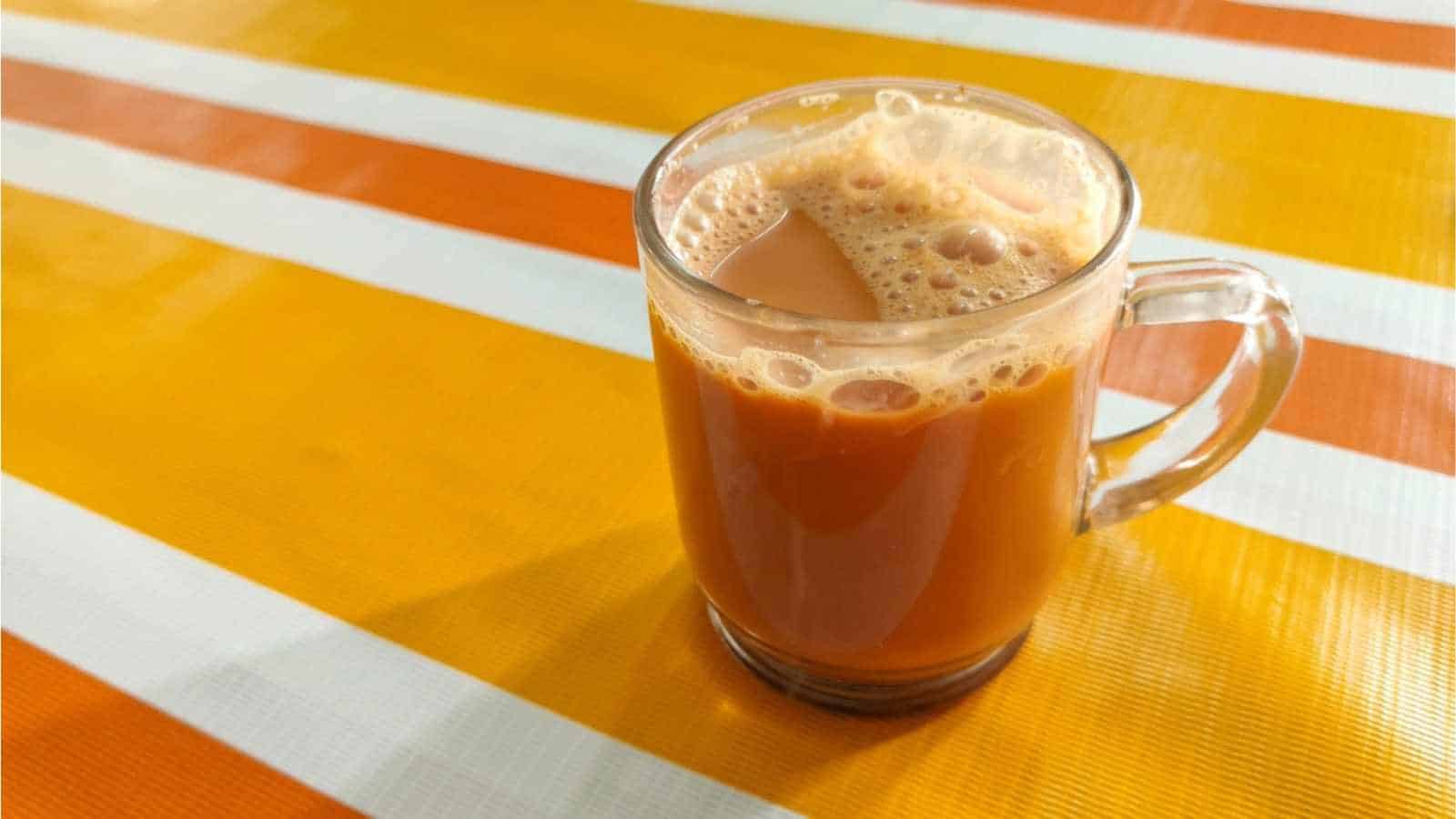
There is a distinct, heavy viscosity in tea made with condensed milk that modern dairy alternatives like almond or oat milk fail to replicate.
Evaporated milk, which is concentrated to remove about 60% of its water content, was popularized in the late 19th century, specifically by Gail Borden, as a solution to milk-borne illnesses. The resulting liquid has a cooked flavor profile due to the Maillard reaction during heating.
While the tea industry currently emphasizes clean profiles and herbal infusions, the global market for condensed milk is still projected to reach several billion dollars by 2030, driven largely by traditional tea cultures in Southeast Asia and Africa.
At times, the cloying sweetness masks the tannins of the tea leaves, but fans of this Grandma-style brew understand that the tea isn’t a beverage; it’s a liquid dessert. The heavy fat content acts as a carrier for the tea’s volatile aromatics, creating a lingering aftertaste that skim milk simply cannot achieve.
Maize Porridge (Sweetened)
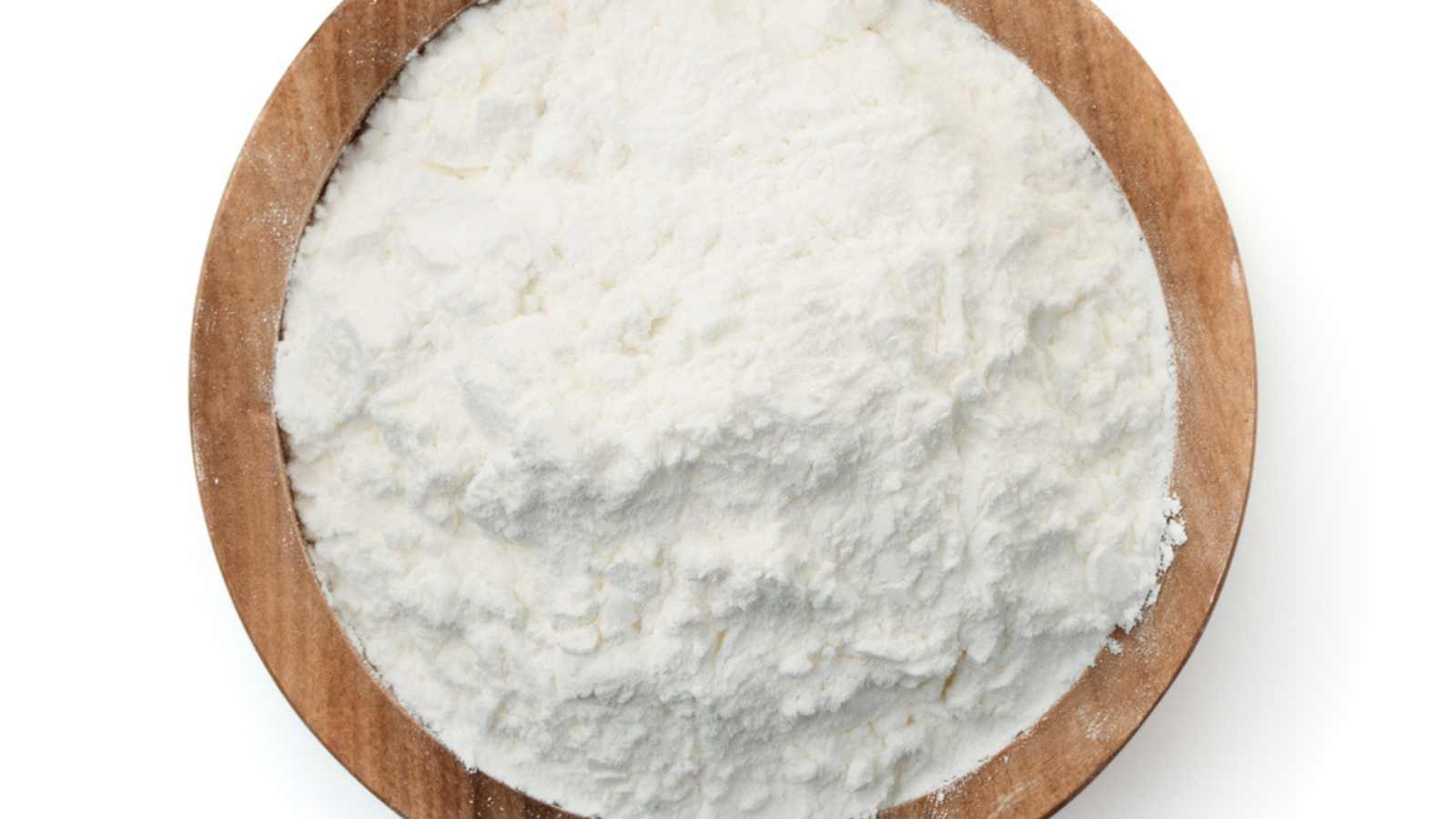
Maize porridge is the ultimate peasant food that has transitioned into a beloved comfort snack, grounded in corn’s resilience as a global crop. In many cultures, this thick, sweetened gruel was the first solid food a child would taste.
The science of its appeal lies in the gelatinization of starch; as the maize meal boils, the granules swell and burst, creating a smooth, thick consistency that is incredibly satiating. While high-protein overnight oats dominate fitness feeds today, certain stone-ground maize porridges have a lower glycemic index, providing more sustained energy. However, the addition of sugar makes it far more indulgent.
A report by the Food and Agriculture Organization highlights maize as the most widely grown cereal in the world, yet its role as a staple food for the poor often leads modern diners to overlook its culinary depth. This snack survives because it is honest, it fills the stomach, and satisfies the sweet tooth for pennies, proving that expensive superfoods aren’t a requirement for a memorable meal.
Roasted Groundnuts in Paper Bags
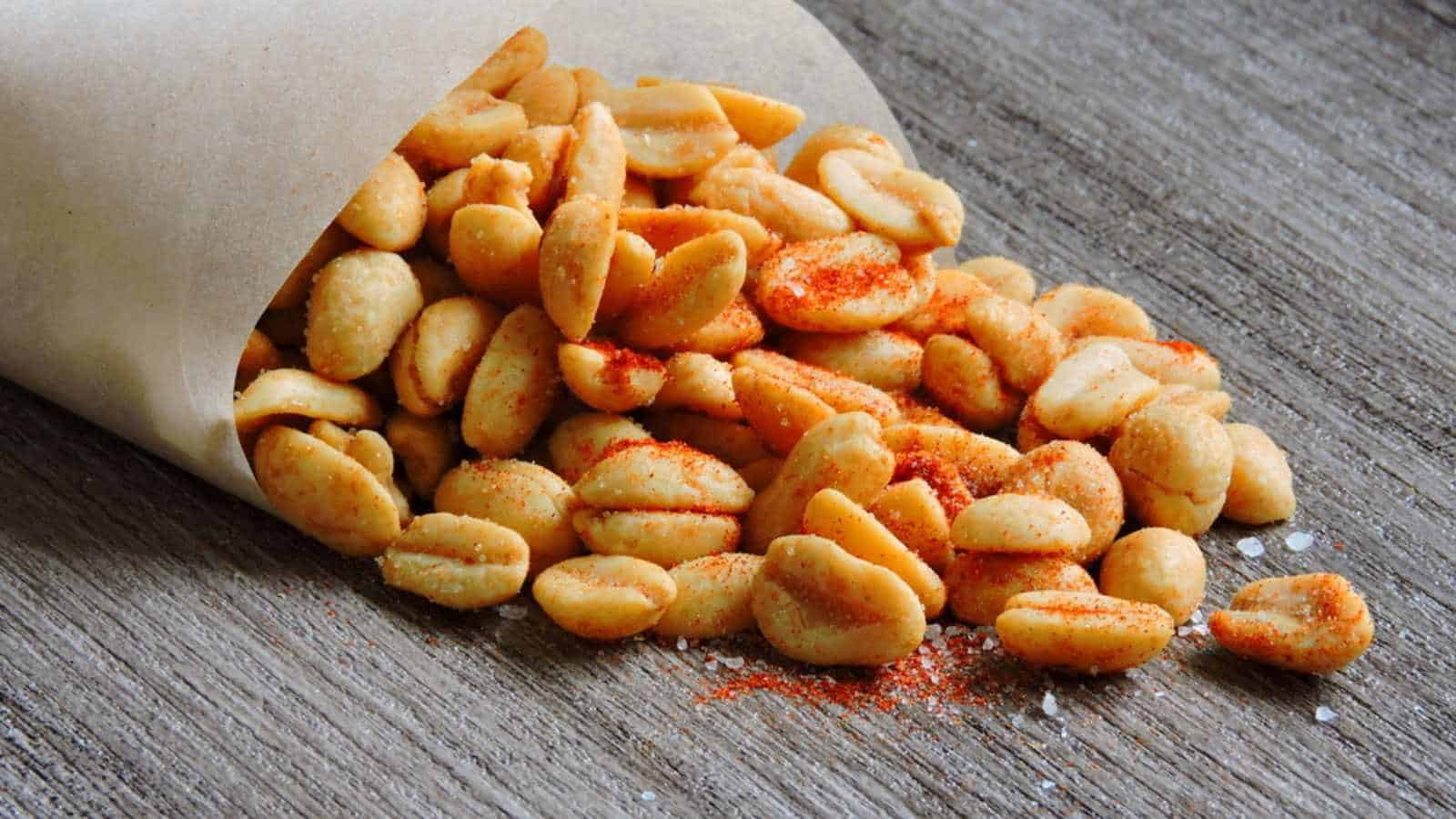
The experience of eating roasted groundnuts (peanuts) is inseparable from the tactile sensation of the brown paper bag they arrive in. The grease-spotted paper isn’t just packaging; it’s a signifier of a dry-roasting process that intensifies the nutty flavor without using industrial seed oils.
George Washington Carver, the most famous proponent of the peanut, documented over 300 uses for the legume, emphasizing its role in soil nitrogen fixation and human nutrition. The snackification of the nut industry has shifted toward flavored coatings and plastic pouches, yet the traditional roasted-in-shell or paper-bag varieties remain the gold standard for purity.
Some nutritionists argue that the high caloric density of groundnuts makes them dangerous for mindless snacking, but the physical act of shelling them or pouring them from a bag slows consumption, serving as a natural form of portion control. The saltiness, the warmth, and the earthy aroma create a sensory hook that modern, vacuum-sealed bags of processed nuts fail to provide.
Hard Boiled Sweets (Mixed Fruit Drops)

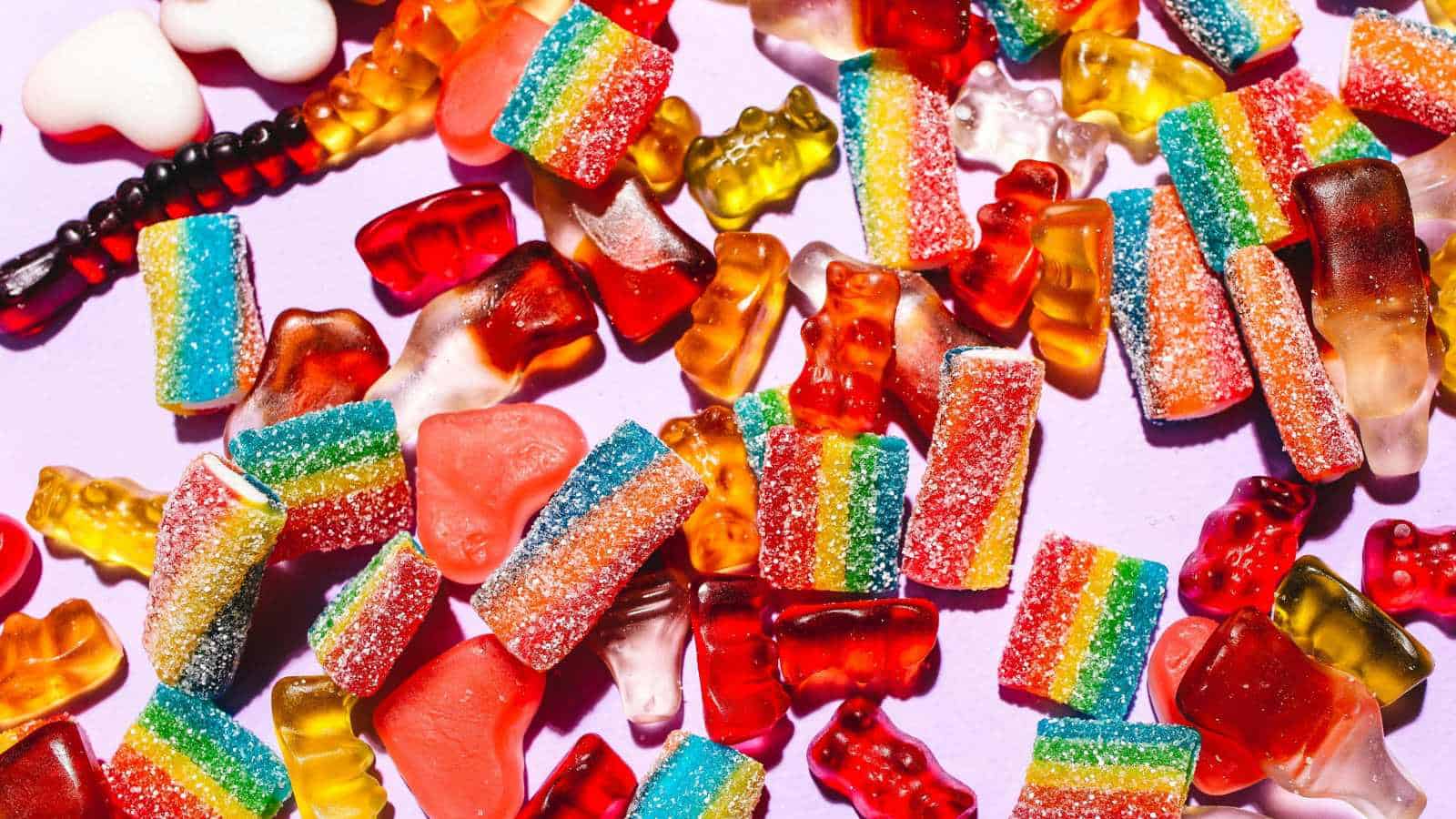
Modern confectionery is dominated by soft, chewy gummies and melt-in-your-mouth chocolates, making the glass-like texture of mixed fruit drops a vintage outlier. These sweets are essentially super-cooled liquids, created by heating sugar to the “hard-crack stage (149∘C to 154∘C).
The lack of moisture ensures a shelf life that outlasts almost any other snack. The localized excitement of simple sweets highlights their status as a rare luxury.
Today, the war on sugar has led to a 15% decline in traditional hard candy sales in some Western markets, yet they persist in the Grandma’s purse archetype because they offer a slow-release flavor experience. Unlike a chocolate bar that is gone in three bites, a fruit drop requires patience.
This slow dissolution allows the artificial, yet iconic, essences of pear, lemon, and strawberry to coat the palate, a deliberate pace of enjoyment that is the antithesis of modern, fast-paced snacking.
Fried Dough Variants
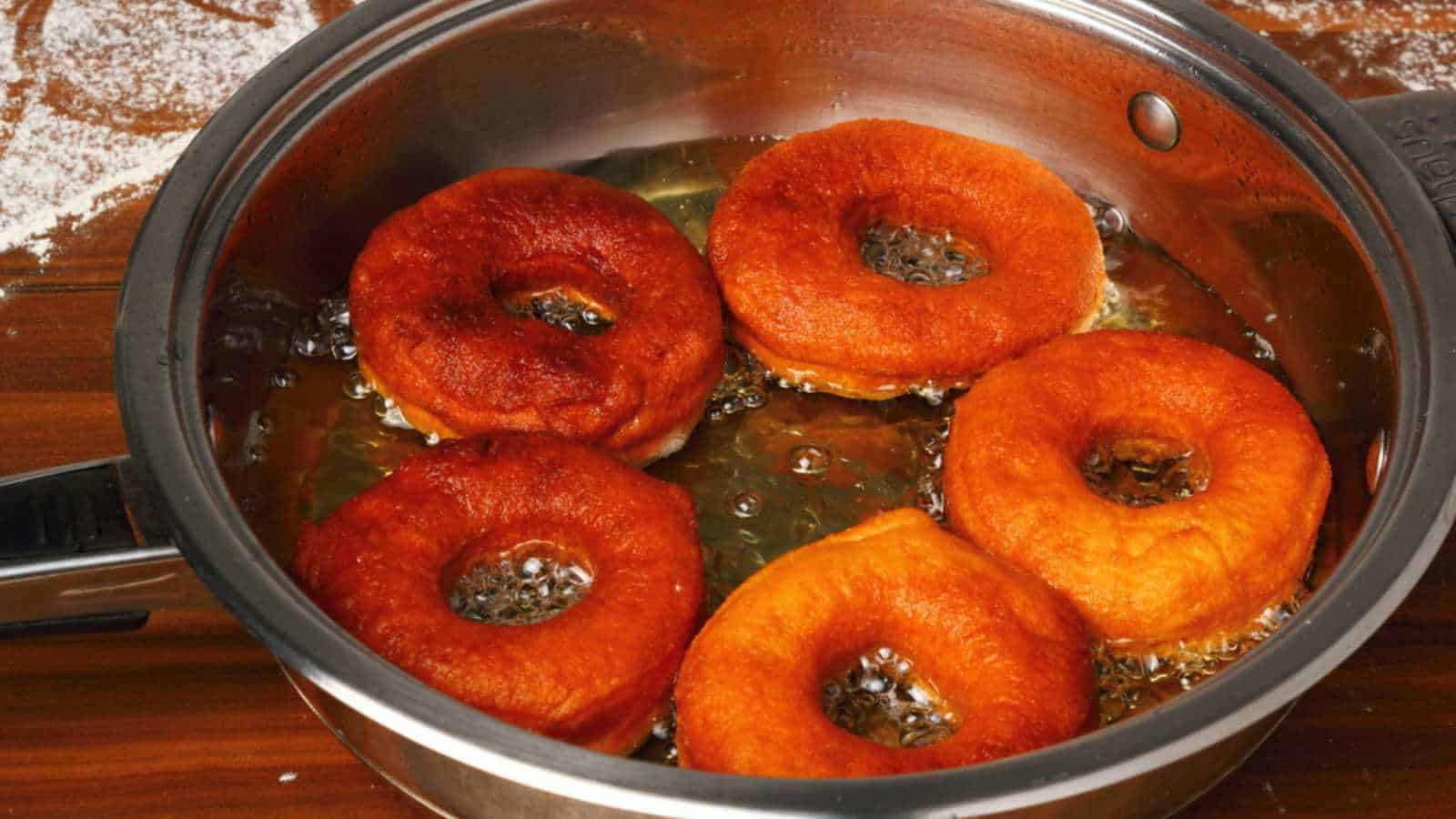
Whether it’s a doughnut or a beignet, fried dough is a universal language of comfort. The appeal is rooted in the golden ratio of fat, sugar, and starch. When dough hits hot oil, the surface dehydrates instantly, creating a crisp crust while the interior remains soft and steamy.
This contrast is the hallmark of traditional street-side and kitchen-table snacks. Deep frying is a form of high-temperature drying that develops hundreds of new flavor compounds. While air fryers are the current healthy obsession, they cannot replicate the specific mouthfeel of oil-fried dough.
Old-school frying carries trans-fat risks, but the data are nuanced: when done at the correct temperature (180∘C), oil penetration is minimal, leaving the snack lighter than most realize. The sheer variety of these doughs across the globe, from the Italian Zeppole to the Indian Bhatura, proves that our love for fried flour is a cross-cultural constant that no baked alternative can replace.
Sugar-Dusted Biscuits

A plain biscuit, not a cookie, but a sturdy, short-textured biscuit, coated in a fine layer of granulated sugar, is a masterclass in subtlety. These were the tea biscuits of the mid-20th century, designed to be structurally sound enough for dunking.
The sugar coating provides an initial hit of sweetness that yields to the buttery, slightly salty crumb of the interior. Market data from Mintel suggests that while indulgent cookies with multiple fillings are trending, there is a growing retro-nostalgia segment where consumers are returning to simpler, four-ingredient bakes.
The beauty of the sugar-dusted biscuit is its honesty; there is no chocolate or jam to hide a poor-quality dough. It relies entirely on the quality of the flour and the fat. While some find them boring compared to modern stuffed cookies, the enduring popularity of brands like McVitie’s or various local Nice biscuits suggests that a balanced, low-moisture snack remains the perfect accompaniment to a hot beverage.
Fruit Jelly Cubes
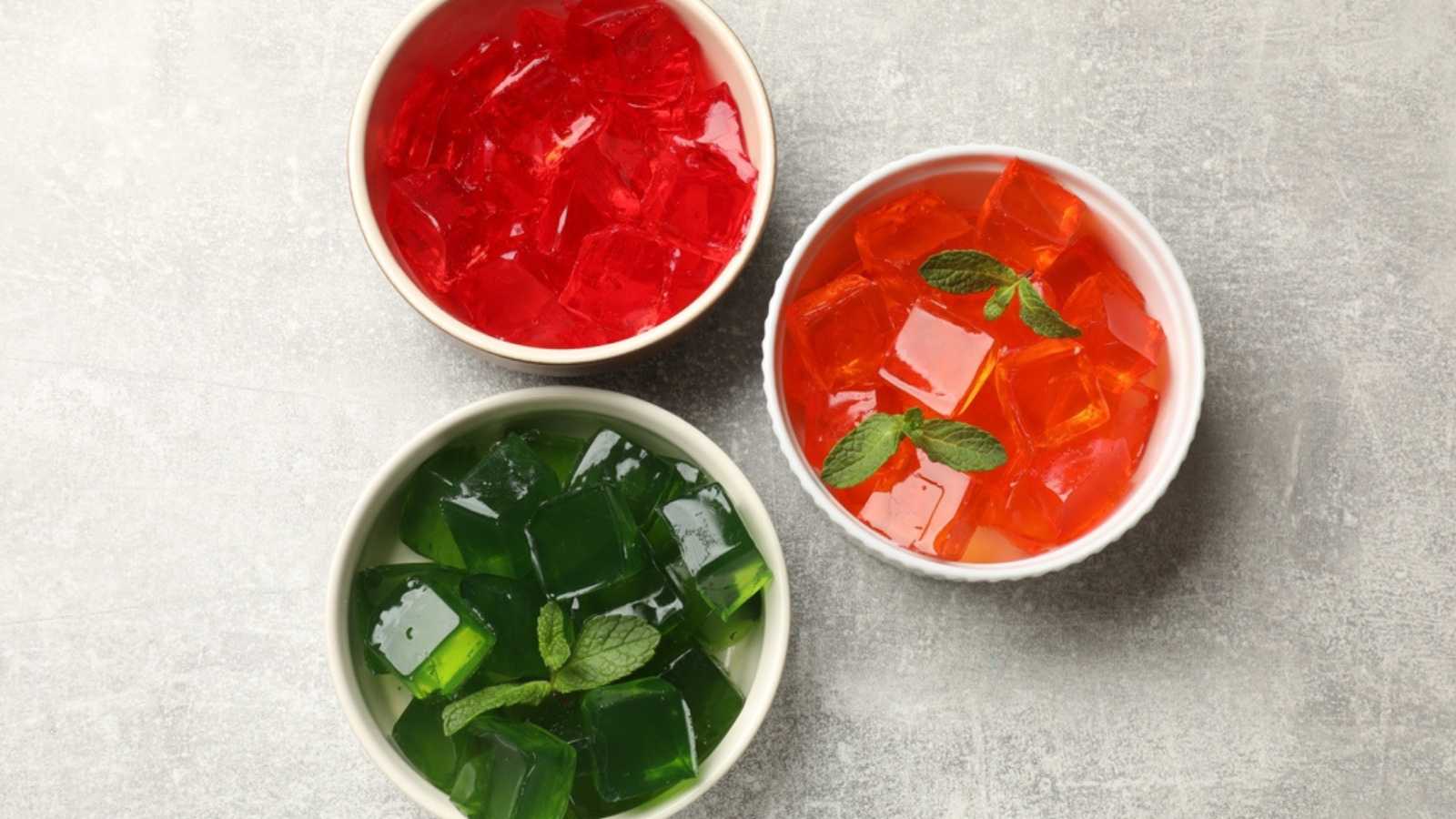
Before the era of artisanal panna cotta and high-end gelatos, there were fruit jelly cubes. Made from gelatin, sugar, and fruit flavoring, these snacks were often served as simple, wobbly squares. Gelatin itself has a fascinating history, once being a sign of extreme wealth because of the labor required to extract it from animal bones, a fact highlighted in historical culinary studies by the likes of Ivan Day.
By Grandma’s time, it was a kitchen staple. The texture of jelly is unique because it melts at body temperature (37∘C), giving it a clean finish on the tongue. In an era of high-protein diets, gelatin is seeing a contrarian resurgence as a source of collagen, though the sugar-heavy jelly of the past wouldn’t be mistaken for a health supplement.
Despite the artificial neon colors, the annual growth in the nostalgic dessert category suggests people are ditching complex mousses for the bouncy, translucent joy of a well-set jelly cube.
Roasted Maize with Salt and Lime
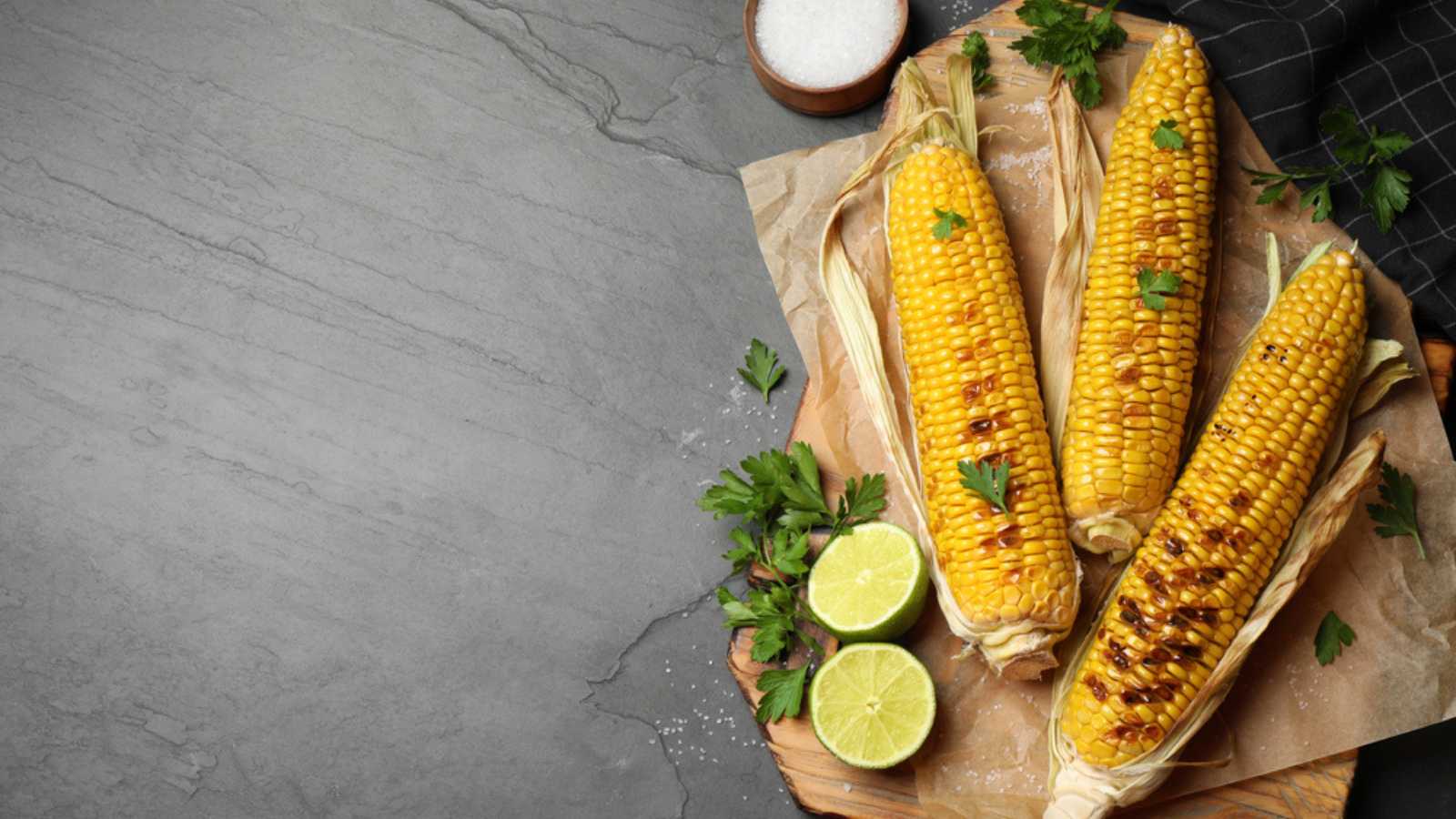
Roasted maize (corn) on the cob, charred over an open flame and rubbed with a wedge of lime and a pinch of coarse salt, is a snack that bridges ancient tradition and modern street food. The charring causes the natural sugars in the corn to caramelize, a process known as pyrolysis, which creates a smoky depth that boiling cannot achieve.
This snack is a staple in many agrarian societies, where corn is not just a side dish but a primary source of complex carbohydrates. The Whole Grains Council confirms that corn contains a surprising amount of antioxidants, specifically lutein and zeaxanthin, which are often lost in highly processed corn products like chips or syrups.
Modern corn on the cob is often drenched in butter and cheese (elote style). The Grandma-style version is minimalist. It respects the ingredient. The acid from the lime cuts through the starch, and the salt acts as a flavor enhancer, creating a balanced profile that is high in fiber and low in processed fats.
Coconut Candy Squares
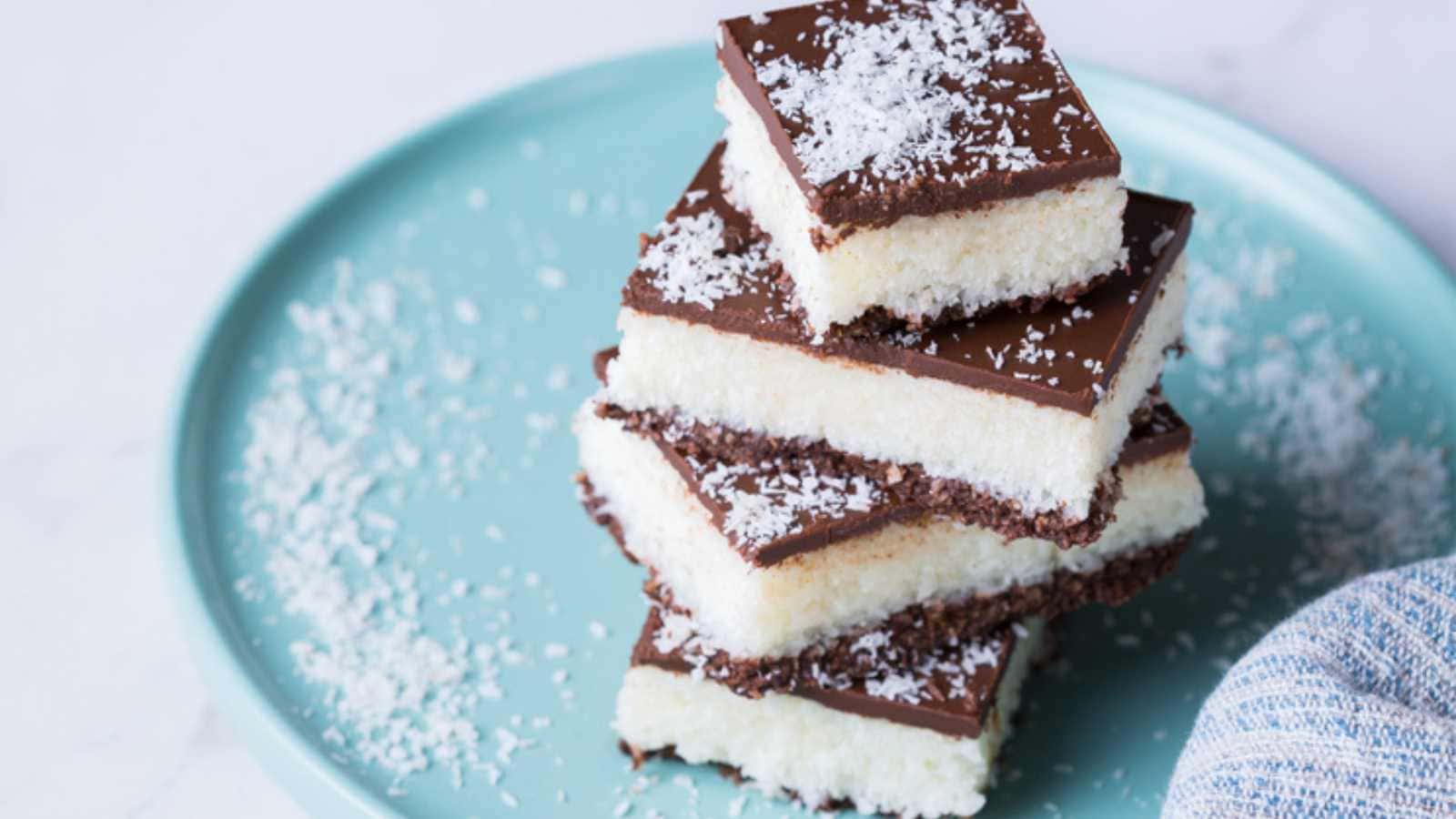
Coconut candy, specifically the dense, chewy squares made from desiccated coconut and condensed sugar, is a tropical legacy snack.
The high coconut oil content provides a unique satiety effect; medium-chain triglycerides found in coconut are metabolized differently than other fats, providing a quicker energy source. Historically, the coconut was the tree of life in many coastal regions, and these candies were a way to preserve the fruit’s meat.
In the book The Coconut Oil Miracle, Dr. Bruce Fife discusses the antimicrobial properties of lauric acid found in the fruit, though the high sugar content of these candies might negate some wellness claims.
Nevertheless, the texture is the star here: the fibrous chew of the coconut flakes suspended in a sugary matrix. While modern candy focuses on smooth textures, the roughness of coconut candy gives it a rustic, artisanal feel that sets it apart in a world of overly refined sweets.
Spiced Tea Biscuits
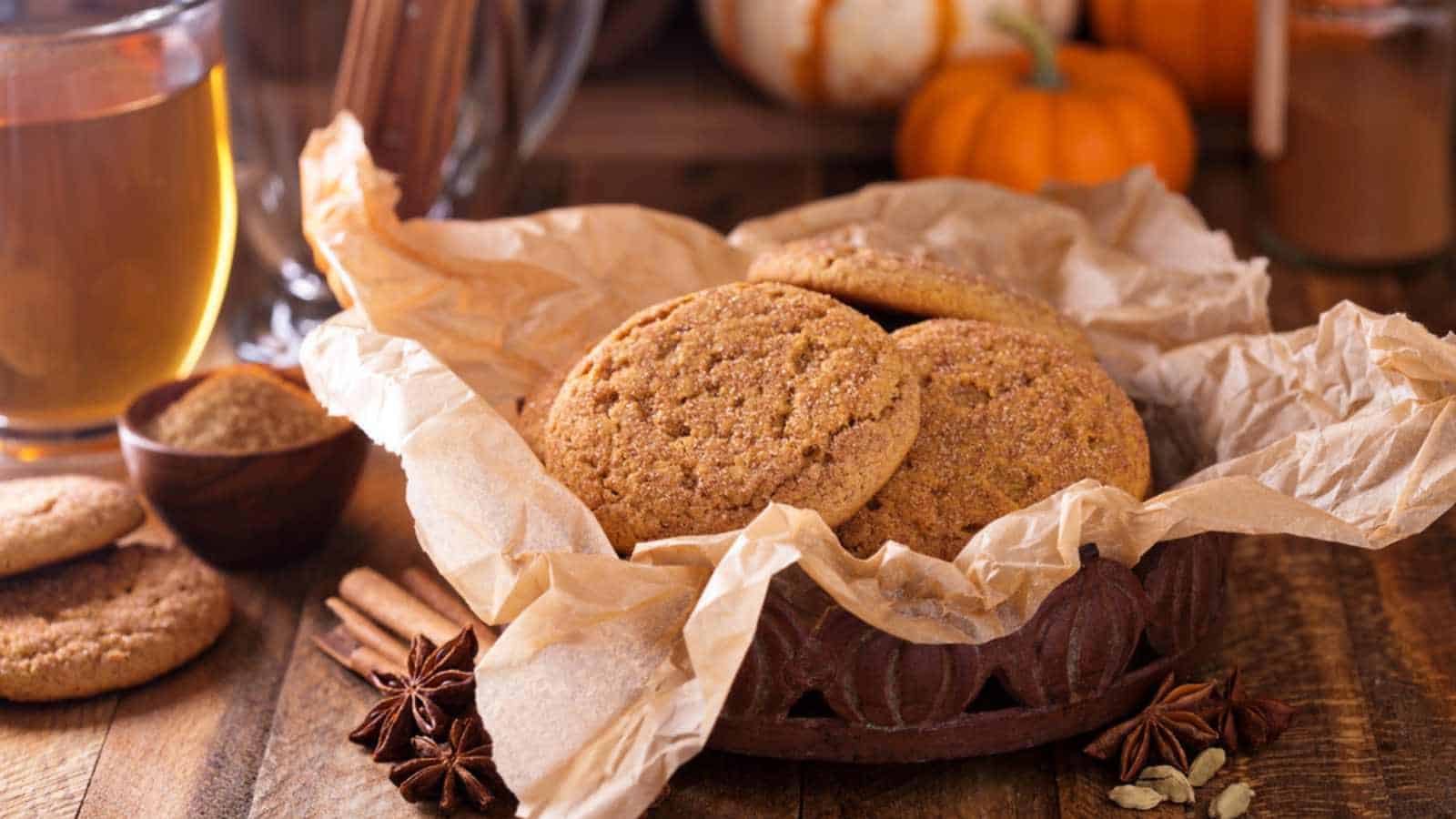
Spiced tea biscuits, often flavored with ginger, cinnamon, or cardamom, encapsulate the history of the spice trade in a bite. These biscuits are typically harder and drier than their sugar-dusted counterparts, and are designed to be softened by a hot liquid. Ginger, for instance, has been used for centuries to aid digestion, a fact supported by numerous clinical trials.
Adding these warm spices to a snack made a simple flour-and-sugar base feel exotic and medicinal. Today, the pumpkin spice craze has somewhat hijacked the spiced biscuit category, but the original Grandma-style ginger snap or cardamom rusk remains superior due to its restraint.
These biscuits don’t overwhelm the palate; they complement the tea. The spices provide a complex aromatic profile that triggers memory centers in the brain, which is why the smell of a spiced biscuit is often cited as a powerful Proustian trigger for childhood nostalgia.
Jam Sandwiches (Simple White Bread Era)
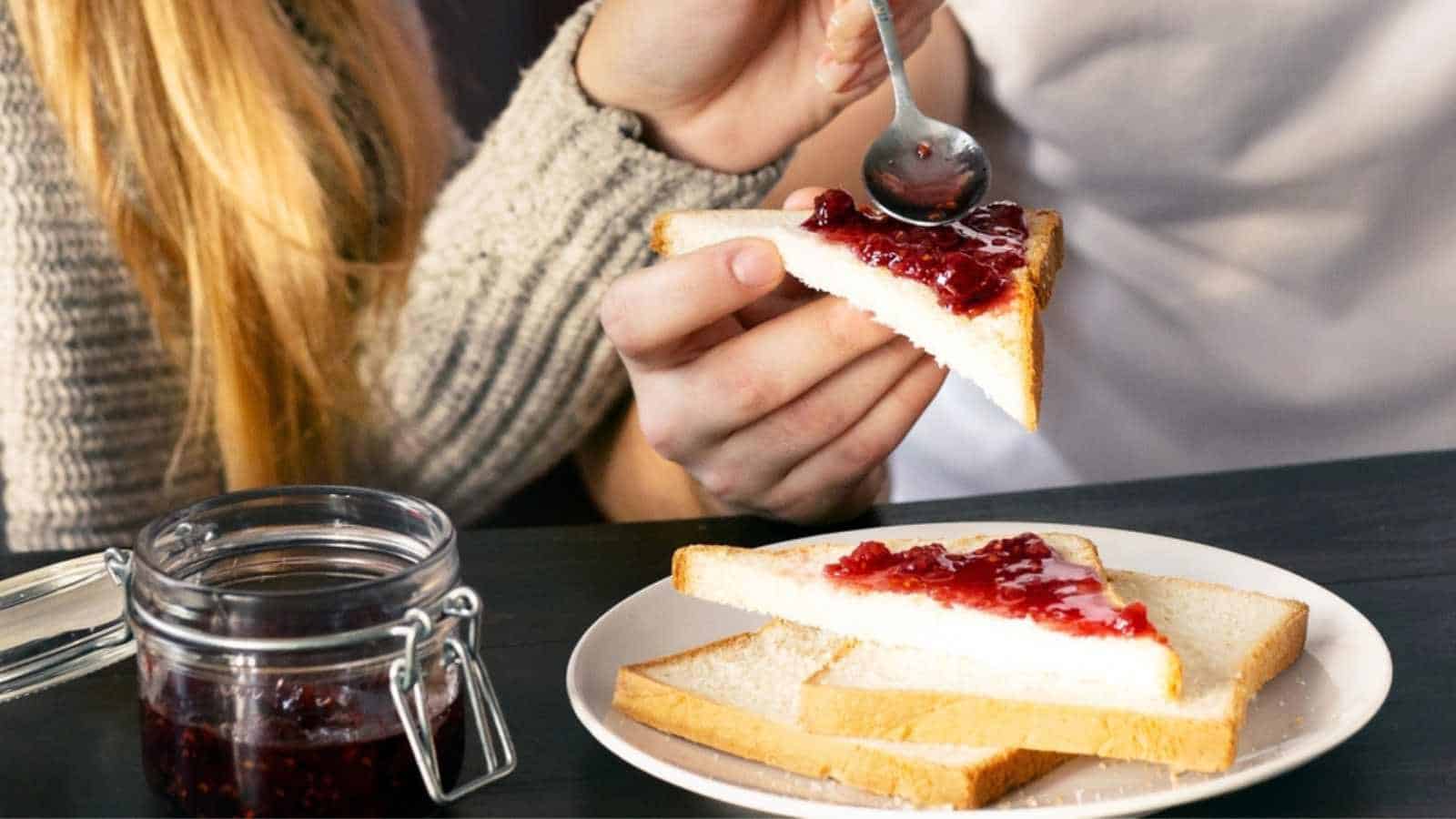
The jam sandwich is the ultimate zero-effort snack that sustained generations of children. During the simple white bread era, the quality of the jam was the deciding factor. Pectin, the natural fiber found in fruit cell walls, is what gives jam its gel-like structure.
When combined with sugar and acid, it creates a preserve that could last through the winter. In the mid-20th century, the jam butty was a cultural icon in places like Northern England, even immortalized in folk songs.
While modern low-sugar spreads use gums and thickeners to mimic the texture, they lack the “cling” of a traditional high-sugar preserve. The combination of soft bread and sticky jam provides a comforting mouthfeel that reduces stress levels.
Despite the current trend toward high-protein savory snacks, the jam sandwich remains a testament to the fact that sometimes, all you need is fruit, sugar, and two slices of bread to feel at home.
Key Takeaways
- The idea that snacks used to taste better is only partially about ingredients: biology and memory also play major roles. Changes in taste perception, especially around sugar and fat, mean adults often interpret familiar foods differently than they did as children.
- Many nostalgic snacks were designed for practicality, not indulgence. High-calorie combinations like butter, sugar, and refined grains originally served as efficient energy sources in more physically demanding daily lives.
- Texture and ritual matter as much as flavor in food memory. From the crunch of sugar on toast to the slow dissolve of hard candy, sensory experience and eating habits shape what people remember as better.
- Some homemade or simple snacks were already influenced by early food engineering. Gelatin desserts, refined flour products, and shelf-stable sweets reflect scientific and industrial advances embedded in everyday eating.
- Slower consumption patterns contributed to stronger food memories. Snacks like boiled sweets or nuts take time to eat, creating a more prolonged sensory experience than modern ultra-fast snacking.
Disclaimer – This list is solely the author’s opinion based on research and publicly available information. It is not intended to be professional advice.
Like our content? Be sure to follow us