More Affordability for Young Adults Starts With Employment
U.S. office vacancy rate is hitting a historic high of 20.1% as of mid-2024, nearly 40 years after its last peak. This vacancy is driven by two main factors: the permanent shift to remote/hybrid work and a major trend of “flight to quality.”
Real estate, a major Industry in the United States, is shaken. What will happen to the 7 million able-bodied adults who quit completely from the labor force? First-time home buyers are very low, leading to unemployment for many.
Everything is interconnected, and one solution seems to create problems for the other.
Employment Alone Isn’t Enough to Outrun Inflation
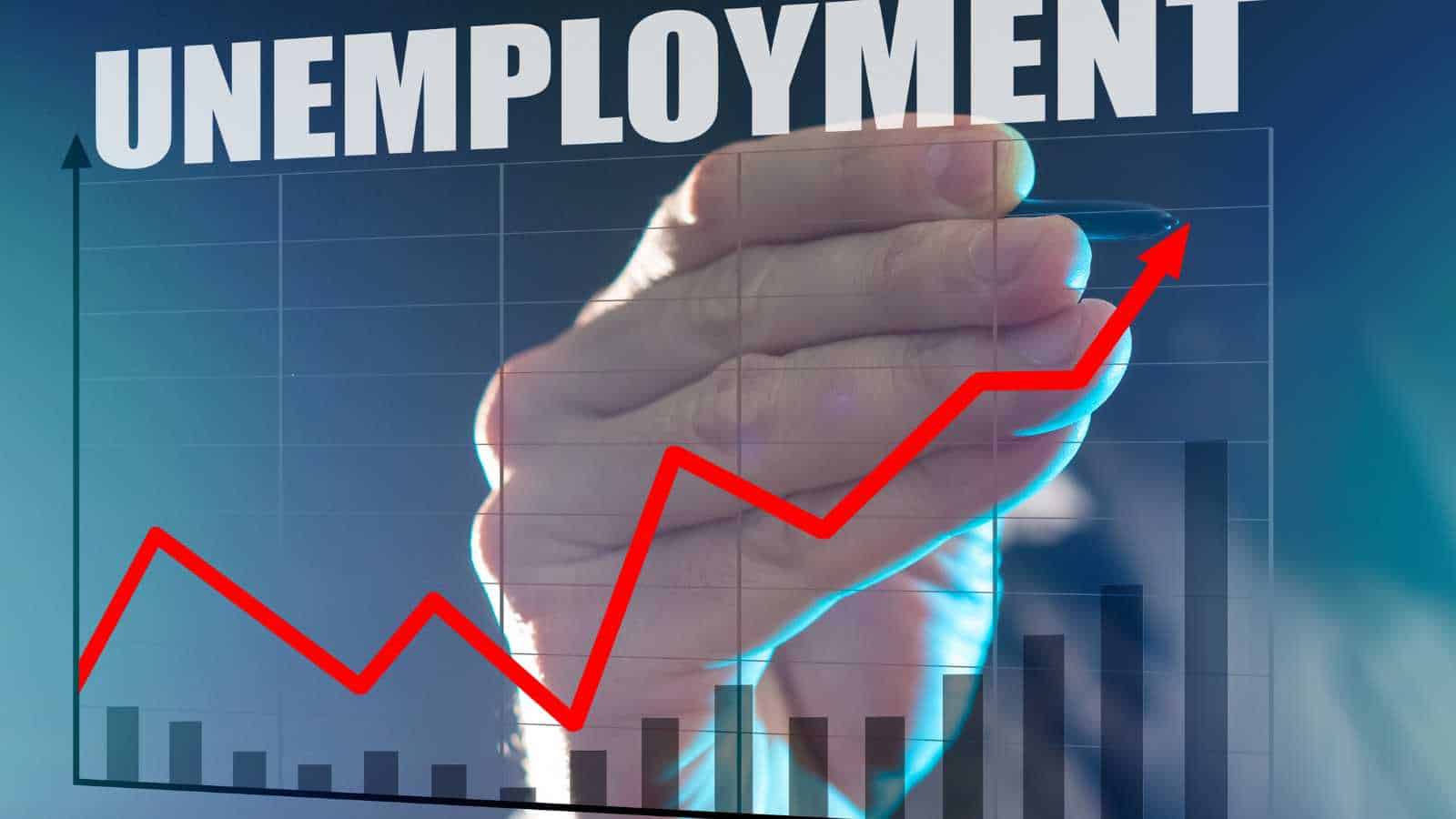
Even stable, full-time employment struggles to keep pace with today’s blistering costs. Young adults are often financially strained despite working a 40-hour week or more. The Economic Policy Institute data shows that real wages for non-college-educated workers have barely budged for decades.
Meanwhile, the prices of housing, healthcare, and education have skyrocketed far beyond inflation measures. Young employees feel like they are running on a financial treadmill set to maximum speed.
Time Poverty Voids Smart Spending Choices
Young adults are suffering from a chronic lack of time, which critically shapes their spending habits. Working long hours and often holding down multiple part-time gigs leaves little mental or physical bandwidth for activities like batch-cooking or comparison shopping.
This time, poverty is a significant, often overlooked, driver of high consumption spending. Convenience becomes the highest-value commodity, forcing people to trade money for the time they desperately need. This pattern is less about poor budgeting and more about a brutal scarcity mindset enforced by endless work.
Generational Misperceptions of Necessities Versus Wants
Older generations frequently bemoan young people’s spending on coffee or takeout as frivolous. They miss the context: these “luxuries” are often necessities born from acute time poverty.
When long hours and multiple jobs replace leisure, convenience spending is the default survival mechanism. The $5 morning coffee is a productivity hack that replaces the time spent making breakfast.
Credit Barriers and the Out-of-Reach Loan Trap

Many employed young adults face major roadblocks to essential life purchases due to unforgiving credit rules. Low credit scores, student debt, and rising interest rates make mortgages and auto loans inaccessible. This creates a vicious cycle: you need credit to build credit, but major student loan debt prevents you from getting affordable loans.
The Federal Reserve reports that student loan debt significantly lowers homeownership rates among young households. This financial catch-22 makes upward mobility a myth for many graduates.
New Financial Models Carry Hidden, Volatile Risks
Young adults are flocking to new financial tools like cryptocurrencies, digital wallets, and “Buy Now, Pay Later” schemes. These alternatives offer flexibility but often expose users to volatility that traditional banking would insulate them from. While exciting, this alternative financial landscape lacks the protective layers of old systems.
The collapse of major crypto exchanges demonstrated how quickly significant savings can evaporate. Experts at the Consumer Financial Protection Bureau are now issuing warnings about the hidden risks of debt accumulation in popular short-term payment plans.
Remote Work Trades Financial Security for Freedom
The shift to remote and contract work, while offering flexibility, often comes at the cost of traditional financial security. These cost-saving business models frequently lack guaranteed salaries, stable benefits, or crucial pension contributions.
The “free” coffee shop workspace is secretly expensive when you factor in the missing 401(k) match and high-deductible health plan. Analysis of the gig economy shows a clear financial instability: fewer protections mean a minor illness can instantly derail an otherwise stable worker’s budget.
Shrinkflation and Quality Decay Erode Real Purchasing Power
A silent, insidious force is diminishing young people’s actual buying power: shrinkflation and declining product quality. Manufacturers reduce product sizes or use cheaper ingredients while keeping the price the same.
The result is a hidden tax on the already strained budget of young consumers. This slow, steady erosion undermines the value of every paycheck, making real affordability an illusion.
FOMO Culture Drives Urgency

A generation that has lived through global pandemics, multiple economic shocks, and social upheaval often adopts a FOMO (Fear of Missing Out) culture. This is a rational response to instability, encouraging them to spend quickly and chase the next opportunity.
For many, intense work and fast spending are simply a reaction to a volatile world where future security is never guaranteed. Sociologists suggest this urgent consumption is an attempt to create present-day certainty in an uncertain tomorrow.
Excessive Marketing Amplifies Financial Pressure
Young adults are constantly exposed to hyper-targeted advertising and influencer culture, making financial restraint remarkably difficult. Social media algorithms are designed to exploit psychological triggers, pushing immediate consumption as a path to happiness or status.
This creates a relentless, high-pressure environment for financial decision-making. Researchers at the London School of Economics have linked this constant exposure to higher debt levels among younger demographics.
Market Self-Regulation Alone Isn’t Sufficient
Relying purely on increased wages or natural labour-market adjustments will not solve the structural affordability crisis. This approach ignores critical underlying problems, such as massive student debt loads, systemic housing shortages, and entrenched inflation in non-discretionary categories.
Experts argue that structural policy interventions such as debt relief, zoning reform, and healthcare cost control are essential. Waiting for the market to self-correct only leaves an entire generation dangerously vulnerable and economically marooned.
Key Takeaways
- The Wage-Cost Chasm: Paychecks aren’t keeping pace with the exponential rise in housing, health, and education costs.
- Convenience as Necessity: High work demands transform simple takeaways into non-negotiable time-saving tools.
- Invisible Debt Traps: Hidden risks in crypto and rising interest rates make essential purchases incredibly difficult.
- Financial Erosion: Shrinkflation and loss of benefits silently drain money from employed workers.
- Structural Solutions: The problem demands policy changes like housing reform, not just better budgeting advice.
Disclosure line: This article was developed with the assistance of AI and was subsequently reviewed, revised, and approved by our editorial team.
20 of the Worst American Tourist Attractions, Ranked in Order

20 of the Worst American Tourist Attractions, Ranked in Order
If you’ve found yourself here, it’s likely because you’re on a noble quest for the worst of the worst—the crème de la crème of the most underwhelming and downright disappointing tourist traps America offers. Maybe you’re looking to avoid common pitfalls, or perhaps just a connoisseur of the hilariously bad.
Whatever the reason, here is a list that’s sure to entertain, if not educate. Hold onto the hats and explore the ranking, in sequential order, of the 20 worst American tourist attractions.
Weight Loss Journal Ideas- How To Use Bullet Journaling To Lose Weight

Weight Loss Journal Ideas- How To Use Bullet Journaling To Lose Weight
Your weight loss journal doesn’t have to be anything fancy. You can start by just using a notebook and a pen. But if you want something a little more organized, you can use bullet point templates specifically designed for weight loss journals. Bullet journals are so hot right now!
You can use them to organize everything in your life, not just weight loss. But they’re perfect for weight loss because you can use them to track your progress and keep yourself accountable.