Seven states are pushing to restrict self-checkout lanes after uncovering a problem that is 65% more severe
What once felt like a simple upgrade in grocery convenience is now forcing a rethink of how much trust belongs in the hands of technology.
Going to the grocery store used to mean chatting with a familiar cashier while nicely bagging your fresh apples and discussing the local weather. Now it often involves wrestling with a stubborn piece of plastic machinery that loudly screams about an unexpected item in the bagging area.
Seven states are officially stepping in to heavily regulate these automated kiosks after discovering a major fundamental flaw. The fast checkout convenience we all desperately wanted is causing massive financial problems that are drastically more severe than anyone originally anticipated.
The Astonishing Surge In Retail Theft Losses
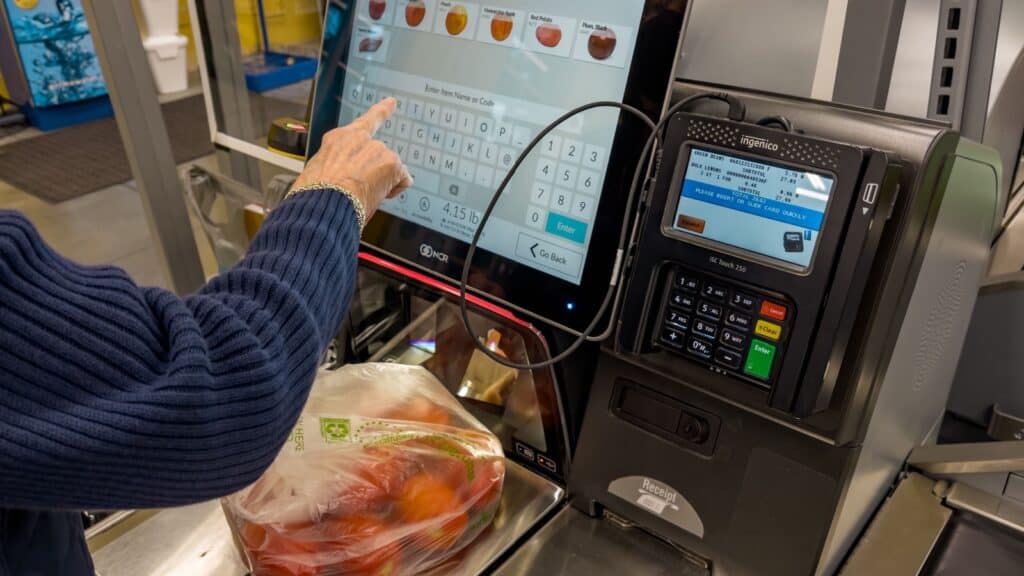
The sudden cultural shift completely away from friendly human cashiers created a chaotic environment where dishonest behavior flourishes right out in the open without anyone noticing or intervening.
According to data from Capital One, theft increases by up to sixty-five percent at self-checkout stations compared to traditional cashiers.
Store owners incorrectly assumed that a few visible ceiling cameras and bright warning screens would keep everyday shoppers completely honest while they scanned their own groceries.
However, completely removing the social pressure of a face-to-face interaction gave opportunistic thieves the absolute perfect cover to slip expensive items right into their reusable bags.
The Hill says a recent LendingTree survey revealed that twenty-seven percent of users admit to purposefully taking items without scanning them at the kiosk.
This massive statistical jump from previous years clearly shows that the honor system fails when people feel perfectly anonymous in a crowded and noisy supermarket environment.
Accidental Thefts Drive Up Inventory Shrink
Malicious stealing is certainly a huge factor here, but completely innocent mistakes are currently adding a massive and undeniable financial burden to local supermarkets absolutely everywhere.
A LendingTree research 403 showed that thirty-six percent of shoppers confessed to accidentally taking unpaid merchandise after being thoroughly confused by the machine.
When the touch screen freezes up or the sensitive bagging scale randomly glitches, highly frustrated customers often just pack up their unread items and walk away.
Retailers eventually end up losing millions of dollars on honest errors because the user interfaces on these kiosks stubbornly remain incredibly counterintuitive for the average person.
We are currently seeing a disastrous situation where sixty-nine percent of shoppers 403 actually believe automated registers make stealing much easier for everyone involved.
If a computerized system practically invites human errors and offers zero immediate support, store managers cannot reasonably expect perfect inventory counts at the end of the month.
Shoppers Prefer The Fast Automated Option

Despite the glaring operational issues with inventory shrinkage and deeply confusing computer screens, a very large chunk of the American public absolutely loves scanning their own purchases.
A recent Business Wire report 403 says a survey found that seventy-seven percent of consumers actually prefer automated checkout over traditional staffed registers for their quick daily trips.
Regular people really enjoy the personal autonomy of organizing their own grocery bags and avoiding awkward small talk after a long and exhausting day at the office.
The speed and sheer efficiency of skipping a massive and slow-moving line heavily outweigh the minor annoyance of a random machine error for most busy suburban families.
RetailDetail EU reports that fifty-four percent of grocery transactions went through self-service lanes last year, completely proving their undeniable mainstream popularity.
Harried shoppers have decisively spoken with their wallets and shown that they value getting in and out of the retail building faster than almost anything else.
Lawmakers Take Aim At Unsupervised Registers
Politicians in seven distinct regions, including Rhode Island, California, and Ohio, are actively drafting incredibly strict bills to tightly limit exactly how many automated machines a local store can legally operate at any given time.
State senators passionately argue that these aggressive new laws will permanently protect unionized grocery jobs while simultaneously preventing the staggering financial losses heavily associated with the current retail theft epidemic.
The proposed legislative regulations typically demand that store managers assign at least one dedicated human employee to actively monitor every two automated kiosks, which critics claim completely defeats the original financial purpose of installing these expensive electronic machines in the first place.
Labor unions across the country are heavily backing these aggressive legislative efforts because they firmly view the unchecked expansion of artificial intelligence and automated retail technology as a direct existential threat to working-class families.
Grocery store executives forcefully push back against this perceived government overreach by loudly claiming that retail companies should possess the absolute constitutional freedom to determine their own operational strategies without constant state interference.
Everyday consumers are caught squarely in the middle of this intense political battle, wondering if their simple weekly errand runs are about to become significantly more tedious and time-consuming if the machines disappear.
Retailers Fight To Balance Convenience And Security

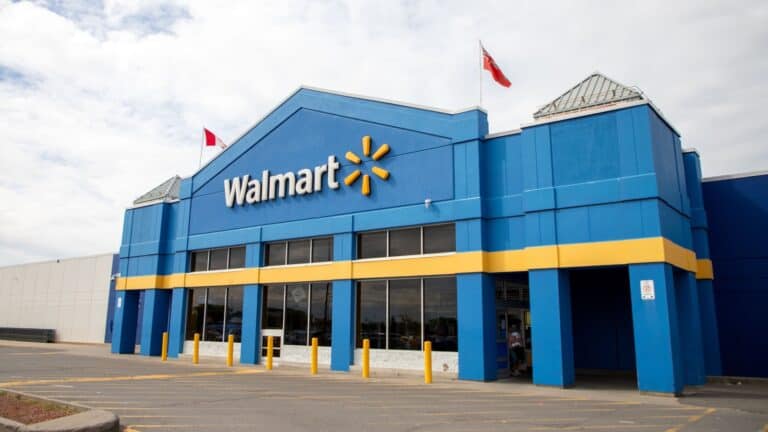
Major corporate retail brands like Target and Walmart are already voluntarily scaling back their automated checkout options or limiting them strictly to customers purchasing ten items or fewer in a desperate bid to minimize their severe inventory losses.
Regional store managers are investing heavily in advanced overhead camera networks that can accurately identify switched barcodes in real time before the sneaky customer even attempts to pay for their illicitly obtained goods.
Finding the perfect sweet spot between a completely frictionless consumer shopping experience and a heavily fortified internal security perimeter is absolutely the biggest challenge facing the entire American grocery industry right now.
Nobody truly wants to completely banish the wonderful convenience of skipping the regular checkout line when they only need to quickly purchase a single carton of eggs and a loaf of bread on a highly stressful Tuesday evening.
The future of neighborhood retail shopping will most likely feature a balanced hybrid approach where busy stores maintain a healthy ratio of friendly human cashiers working right alongside tightly monitored automated stations.
As ambitious state governments continue threatening to aggressively regulate these popular checkout lanes, supermarkets must quickly figure out how to stop the rampant shoplifting before politicians permanently pull the plug on the automated technology.
Like our content? Be sure to follow us