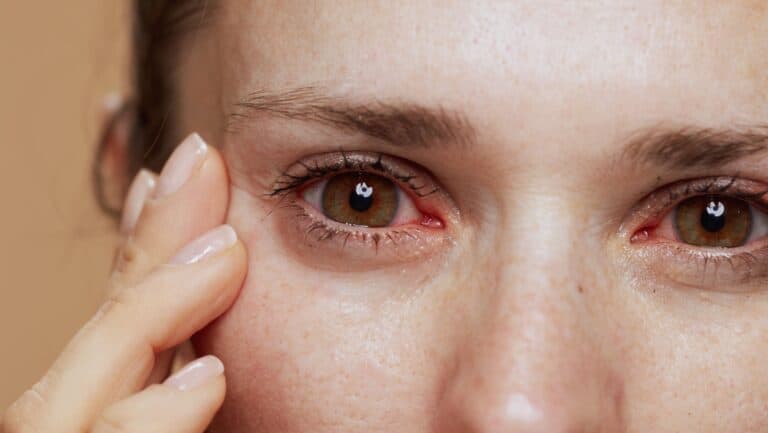
Signs your house might be making you sick
The most dangerous threats to your health may be hiding in plain sight, sealed behind freshly painted walls and humming air vents.
People may think American houses look like pristine movie sets with their perfect lawns, massive kitchens, and flawless central heating systems. However, the reality behind those perfectly painted drywall panels can sometimes be a lot less glamorous and a lot more hazardous to human health than anyone wants to admit.
Homeowners often discover that the beautiful sanctuary they spend a fortune maintaining is actually the very thing giving them chronic sniffles, mysterious headaches, and unexplained fatigue. Ignoring these physical warnings is a fast track to feeling miserable all year long, and the symptoms will only continue to escalate if the root cause is left unaddressed.
Unexplained And Persistent Respiratory Issues

Residents often notice that their coughing and wheezing magically disappear the moment they step outside their front door to get some fresh air. Breathing should never feel like a difficult chore inside a living space, yet many individuals wake up every single morning feeling like they just ran a marathon through a dusty, abandoned attic.
A late 2025 study led by the Harvard T.H. Chan School of Public Health found that tenant reports of in-home asthma triggers were associated with roughly 172 percent higher rates of asthma emergency department visits in predominantly Black neighborhoods.
These staggering emergency visit rates show exactly how dangerous a poorly maintained indoor environment can be for vulnerable lungs and sensitive respiratory tracts.
The Asthma and Allergy Foundation of America reports that about 9 to 11 people die from asthma each day in the U.S., highlighting the severe consequences of unmanaged environmental triggers. Taking early and decisive action to clean out air ducts and replace old filters can literally be a matter of life and death for susceptible family members.
Lingering Odors That Never Go Away
Every house has a specific smell, but a constant musty or earthy odor usually points directly to hidden moisture problems. People might try masking the stench with expensive scented candles, but those artificial fragrances just add chemical pollutants to an already compromised atmosphere.
Water leaks inside walls create the perfect breeding ground for microscopic invaders that thrive in dark and damp places. Experts constantly warn that ignoring a bad smell is like ignoring a check engine light on a car dashboard.
Around 70 percent of homes have some kind of mold in them, which can stay hidden underneath carpets or behind walls undetected for multiple years. Sniffing out the exact source of the funk and calling a professional inspector will save the structural integrity of the property and protect everyone’s sinuses.
Chronic Fatigue And Daily Headaches
Waking up exhausted after a full eight hours of sleep is a massive red flag that the indoor oxygen levels are compromised. Many individuals mistakenly blame their daily headaches on screen time or stress, completely overlooking the silent chemical emissions happening right inside their bedrooms.
Poor ventilation traps carbon dioxide and volatile organic compounds inside the building, slowly suffocating the occupants without them even realizing it. The U.S. Environmental Protection Agency estimates Americans are indoors 90 percent of their time, where the concentrations of some pollutants are often two to five times higher than typical outdoor concentrations.
Breathing stagnant and recycled air all day long forces the human body to work twice as hard to oxygenate the brain. Cracking a window open for just ten minutes a day can flush out those trapped toxins and instantly cure that mid-afternoon brain fog.
Sudden Outbreaks Of Skin Irritation
Developing random rashes or dry patches on the skin is frequently linked to microscopic pests hiding in the furniture. According to a 2024 CDC report on National Health Interview Survey data, 31.7 percent of adults in the United States have a diagnosed seasonal allergy, eczema, or a food allergy.
Many of these frustrating dermatological conditions are directly triggered or significantly worsened by the unseen dust mites living in untreated mattresses. Washing bedding in extremely hot water is a simple yet effective defense against these invisible bedfellows.
Homeowners who switch to hypoallergenic laundry detergents and invest in proper mattress encasements usually see their skin clear up within a few weeks. Protecting the dermal layer from environmental irritants requires a consistent cleaning schedule and a sharp eye for dust accumulation.
Water Damage Marks On Ceilings
Those ugly brown stains spreading across the living room ceiling are much more than just a cosmetic annoyance. A small discoloration usually indicates a massive plumbing leak or roof breach that has been slowly dripping for months.
By the time the water actually becomes visible to the naked eye, the internal damage to the insulation and framing is often extensive. Ignoring a leaky roof allows moisture to fester, eventually degrading the air quality and releasing harmful spores into the circulation system.
Fixing the pipe is only half the battle, because the saturated drywall must also be completely replaced to stop future fungal explosions. Protecting the upper levels of a residence requires regular attic inspections and immediate action at the first drop of unexpected water.
Excessive Dust Buildup On Surfaces
Wiping down the coffee table only to see a thick layer of gray fuzz return the next day means the HVAC system is failing. Filters that are clogged with pet hair and dead skin cells cannot properly trap the microscopic particles floating through the living space.
This constant circulation of debris forces residents to breathe in a cocktail of allergens with every single inhalation. Changing out furnace filters every single month is the absolute cheapest health insurance a person can buy.
Upgrading to a high-efficiency particulate air purifier will dramatically reduce the amount of floating dirt and keep the lungs functioning smoothly. A truly clean house should be able to go at least a week without requiring a massive dusting session.
Strange Symptoms After Using The Fireplace
There is nothing cozier than gathering around a crackling hearth during a cold winter evening, but that comfort comes with serious risks. The American Thoracic Society noted in a 2024 report that while wood accounts for the main heating fuel in only 2 percent of U.S. households, it produces more than 90 percent of fine particulate matter emissions from the residential heating sector.
These microscopic soot particles bypass the body’s natural defenses and embed themselves deeply into lung tissue. A chimney that lacks proper drafting will push dangerous fumes right back into the family room instead of venting them safely outside.
Scheduling an annual inspection with a certified chimney sweep will prevent toxic backdrafts and keep the indoor atmosphere safe for relaxation. Choosing alternative heating methods or using properly dried hardwood can also minimize the dangerous smoke output.
Frequent Bouts Of The Common Cold

Catching a random cold during flu season is normal, but feeling constantly sick from January through December is a sign of a sick building. Dry indoor air strips the protective mucus membranes inside the nasal passages, making the body incredibly susceptible to passing viruses.
Homes that lack proper humidity control essentially roll out the red carpet for airborne bacteria to invade the human respiratory tract. Keeping the indoor humidity levels balanced between forty and fifty percent is the sweet spot for optimal immune function.
Running a humidifier during the dry winter months will keep the throat lubricated and stop those endless cycles of coughing. A healthy home defends its occupants instead of actively wearing down their immune systems day after day.
Peeling Paint And Crumbling Plaster
Older houses carry a certain historical charm, but they also hide toxic building materials that were perfectly legal decades ago. Houses built before the late seventies often contain lead-based paint that chips off and creates a highly hazardous dust for crawling toddlers.
Ingesting or inhaling these sweet-tasting paint flakes can cause severe cognitive delays and permanent neurological damage in young children. Remodeling a vintage property without doing proper testing first is a recipe for a medical disaster.
Hiring a certified abatement team to safely remove ancient paint layers will prevent the spread of toxic heavy metals throughout the property. Preserving the historical aesthetic of a structure should never take priority over the basic safety of the people living inside it.
Unsettling Behavior From House Pets
Animals have incredibly sensitive respiratory systems and will often show physical signs of environmental poisoning long before humans do. If a normally energetic dog suddenly starts lethargically hiding under the bed and vomiting, the house might be harboring a hidden gas leak.
Carbon monoxide is an odorless and colorless killer that hugs the floor, affecting smaller creatures first. Installing combination smoke and carbon monoxide detectors in every single hallway is a non-negotiable safety requirement.
Paying close attention to how cats and dogs react to certain rooms can provide an early warning system for invisible airborne dangers. Keeping the environment safe for four-legged friends guarantees that the space is also perfectly safe for the rest of the family.
Like our content? Be sure to follow us.