The Black history Americans think they know vs. lived truth
Americans remember Black history through a handful of iconic moments, but the forces that most deeply shaped daily life rarely made headlines.
When most Americans think about Black history, a specific set of images tends to appear. Marches. Speeches. Famous photographs. Landmark court cases are taught as turning points. Those moments matter, but they are only a small part of the story. Much of Black history did not arrive with national attention or dramatic visuals. It worked its way quietly into daily life, shaping systems people now take for granted.
From how people work and organize to how music is shared, language evolves, and communities care for each other, Black influence often became foundational long before it was acknowledged. Black History Month creates space to look beyond the moments people think they know and notice the quieter forces that still shape everyday life.
Why Big Moments Are Easier to Remember Than Quiet Influence
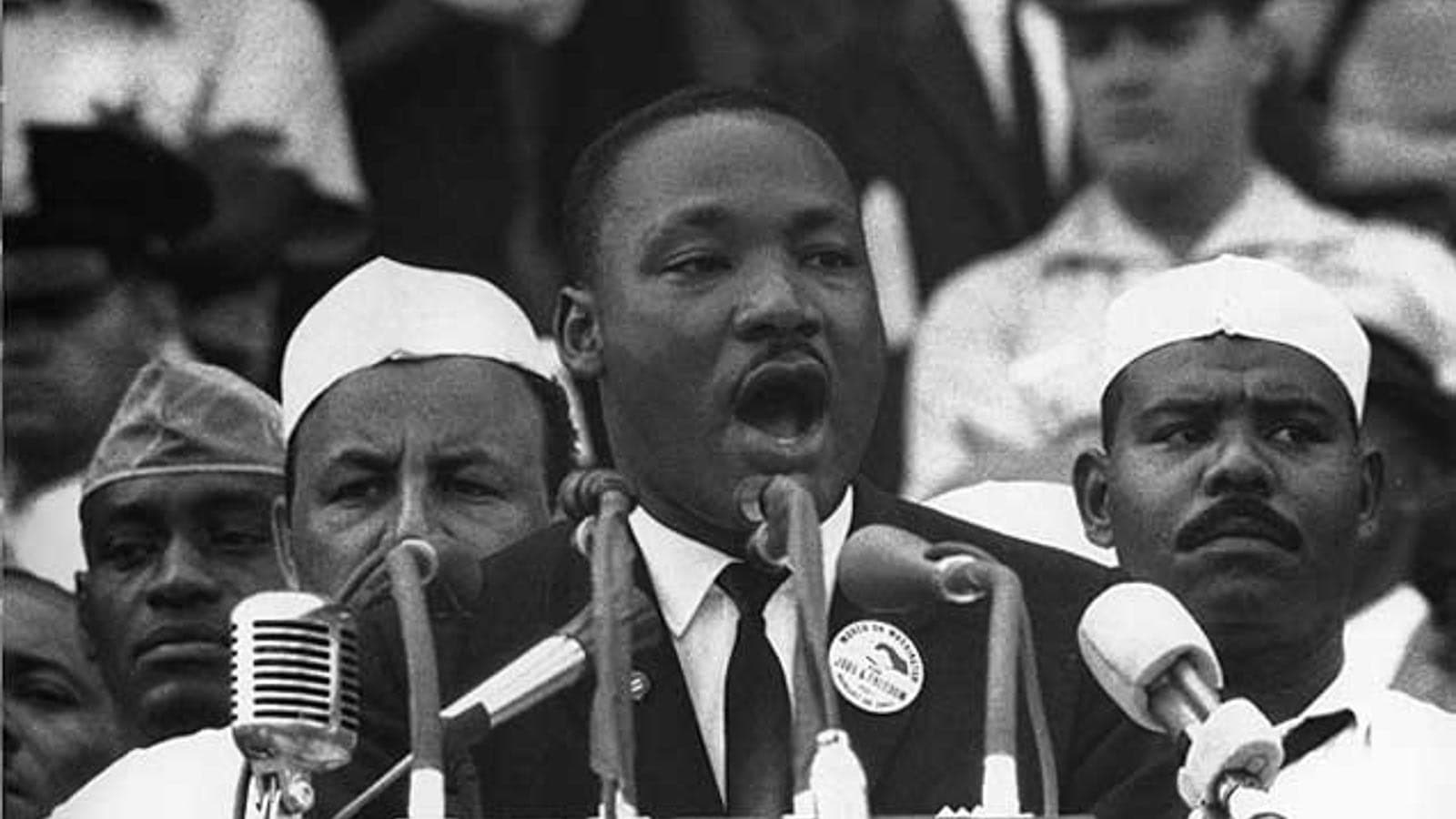
Human memory favors drama. A single march is easier to remember than years of organizing that made it possible. A court ruling is easier to point to than the cultural pressure that forced it into existence. Because of this, history often gets told as a series of turning points rather than ongoing processes.
That habit affects how Black history is understood. When influence shows up gradually, woven into routines and systems, it becomes invisible. People experience the outcome without seeing the work that created it. Over time, influence gets mistaken for inevitability.
Black History Month offers a chance to slow down and notice what usually blends into the background.
How Black Labor Shaped Modern Work Culture
Long before workplace protections became standard conversation, Black workers were pushing for fair treatment in environments that were often openly hostile. Exclusion from stable employment and legal protections forced Black communities to organize around labor conditions earlier and more aggressively than many others.
Ideas about collective bargaining, worker dignity, and mutual accountability did not develop in a vacuum. They were shaped by people who understood that individual success could not compensate for systemic exclusion. That perspective filtered outward, influencing broader labor movements and workplace norms.
Today, concepts like worker solidarity and shared responsibility are discussed as universal values, often without recognition of where those ideas were sharpened through necessity.
Mutual Aid as a Blueprint, Not a Trend
Mutual aid is often framed as a modern response to crisis, but Black communities have practiced it for generations. When access to formal support systems was limited or nonexistent, informal networks stepped in. Neighbors shared resources. Churches organized support. Communities created systems of care that did not rely on institutional approval.
These practices were not symbolic. They were practical responses to real gaps. Over time, the principles behind them influenced how broader society thinks about community care, even as the origins faded from view.
When modern conversations revisit mutual aid, they are often rediscovering systems that never disappeared.
Public Health Before It Was a Buzzword
Black communities have long engaged in public health education and preventative care, often out of necessity rather than ideology. Limited access to medical resources meant that information sharing, community advocacy, and grassroots education became essential tools.
Many public health strategies now considered standard echo these earlier practices. Outreach, culturally specific education, and trust based communication were refined long before institutions adopted similar approaches.
Black History Month allows space to recognize that innovation does not always originate in formal settings. Often, it emerges from survival.
The Music Industry and the Normalization of Extraction
Few areas demonstrate quiet influence more clearly than music. Entire genres that define American culture originated in Black communities, often without early recognition or fair compensation. Those sounds reshaped popular music, but they also reshaped the industry itself.
Distribution models, touring circuits, and the idea of music as an expression of identity developed through Black artists navigating exclusion and limited access. The systems that eventually benefited mainstream performers were often built through trial, error, and resistance.
Listening habits today reflect those foundations, even when credit does not.
How Language Moves Faster Than Recognition
Language is one of the most immediate ways Black history enters daily life. Expressions developed within Black communities often spread quickly, especially through music, media, and online spaces. Once adopted, they are rarely traced back to their origins.
This pattern repeats because language evolves through use, not attribution. When something resonates, it spreads. Over time, it stops feeling like it belongs to anyone in particular.
Black History Month creates a pause where people can notice how much of everyday speech carries this legacy, even when it feels ordinary.
Fashion as a Cycle of Influence and Erasure
Fashion provides a visible example of how Black influence moves from marginal to mainstream. Styles often emerge as expressions of identity, resistance, or community belonging. Once they gain traction, they are absorbed into the broader culture, frequently stripped of context.
This cycle is not accidental. It reflects how culture selectively adopts what it finds appealing while discarding the conditions that produced it. The look survives. The story fades.
Understanding that cycle changes how people see trends, not as spontaneous creativity but as layered history.
Housing, Space, and the Shape of Community Life
Urban environments carry the imprint of historical exclusion and adaptation. Black communities shaped neighborhoods under constrained conditions, creating social hubs, cultural centers, and support networks within limited space.
Those patterns influenced how cities function socially, even as demographics shifted. Music scenes, food cultures, and neighborhood identities often trace back to these earlier adaptations.
Black history is built into physical space, not just events.
Activism Tactics That Became Standard Practice
Many protest strategies now used across movements were refined through Black activism. Visibility, coalition building, strategic disruption, and sustained pressure were developed in response to systems resistant to change.
Once proven effective, these tactics spread. They became part of a shared playbook, often detached from their origins.
Black History Month makes it possible to recognize that what feels standard now was once innovative and risky.
Why Influence Without Credit Still Matters
Some argue that once influence becomes universal, credit is unnecessary. But recognition shapes whose voices are trusted and whose ideas are taken seriously going forward. When origins are erased, future contributions from the same communities are more easily dismissed.
Black History Month is not about reclaiming ownership for its own sake. It is about understanding how systems evolve and who has historically driven that evolution under pressure.
Why This History Feels Different From the One People Learned
Focusing on systems rather than moments changes how history feels. It becomes less dramatic and more intimate. Instead of watching events unfold, people recognize patterns in their own lives.
That recognition can be unsettling. It collapses distance. History stops feeling like something that happened to other people in another time.
This perspective asks people to see themselves as living within the results of past influence, not just observing it.
Everyday Life as a Historical Record
Once you start looking, Black history appears everywhere. In how people organize work. In how communities respond to crisis. In how culture spreads and adapts. None of it announces itself as history.
Black History Month offers a lens that makes the familiar visible again.
Why This Approach Changes the Tone of the Month
When Black history is framed through daily life, the month feels less ceremonial and more reflective. It is not about celebration or instruction. It is about awareness.
That shift reduces defensiveness. People are not being asked to agree with a narrative. They are being asked to notice one.
The Quiet Power of Recognition
Recognition does not require performance. It does not demand a public stance. It begins with noticing connections that were always there.
Black History Month creates space for that noticing.
What This Perspective Makes Possible
When history is understood as something that shaped routines rather than isolated moments, it becomes relevant without being overwhelming. It invites curiosity rather than guilt.
That shift opens the door to deeper understanding, not because people are told what to think, but because they begin to see differently.
Why This Kind of History Lasts
Stories tied only to dates and events fade between anniversaries. History embedded in daily life persists. It travels quietly, shaping behavior long after the original context is forgotten.
Black History Month, at its best, helps reconnect those threads.
Seeing the Present With Clearer Eyes
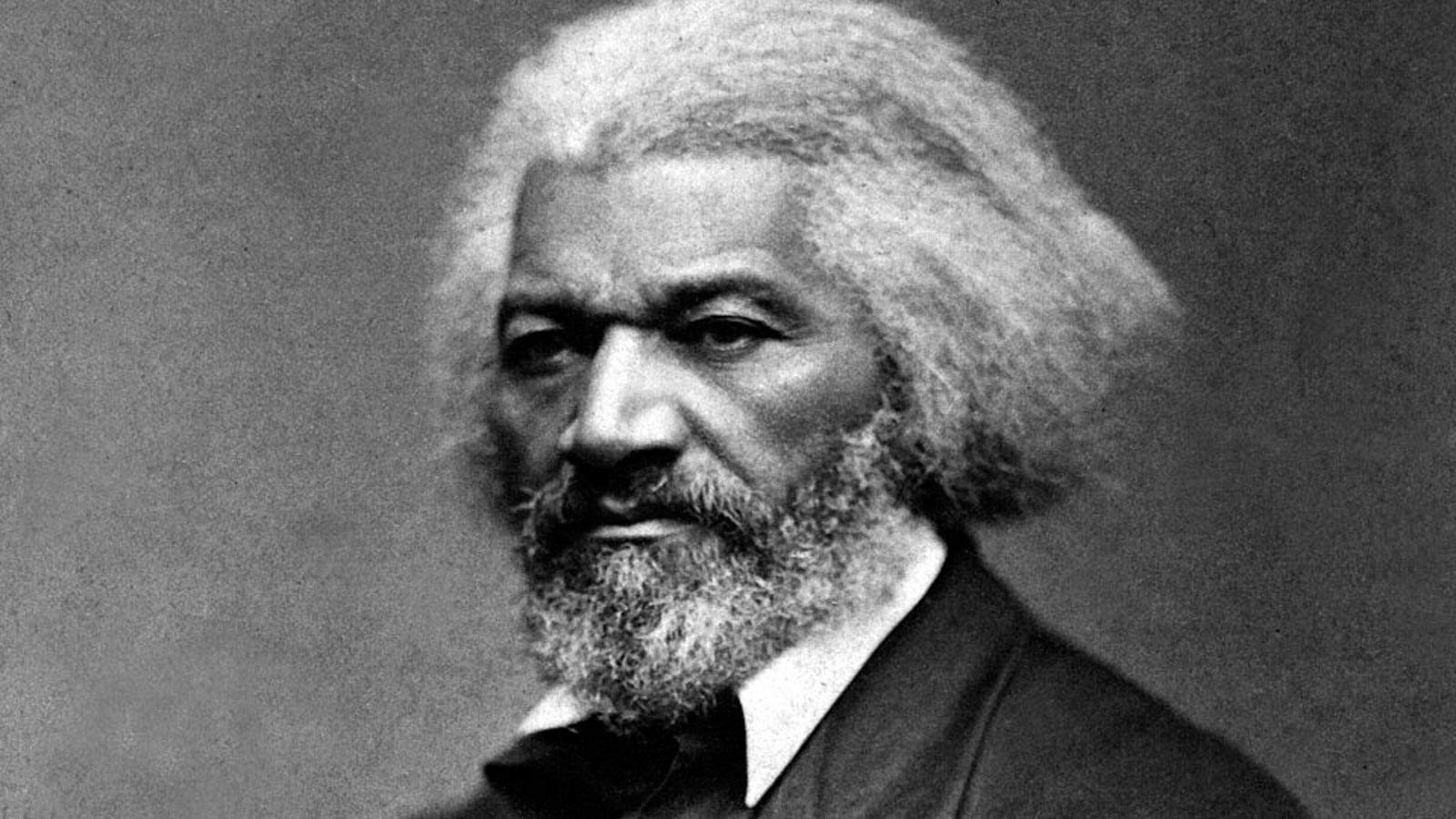
Understanding how Black history shaped everyday systems changes how people interpret current debates. It adds context. It complicates easy conclusions.
That complexity is not a flaw. It is the point.
Where This Leaves Black History Month Today
Black History Month no longer needs to convince people that Black history matters. It needs to help people recognize where it already lives.
That recognition does not end in February. It carries forward, reshaping how people see the ordinary.
The History You Live Inside
Black history is not just something people study. It is something people inhabit. It shaped the structures they move through every day, often without being named.
Black History Month gives that history a name again, not to isolate it, but to reveal how deeply it is woven into the present.
Why You Should Feel Uncomfortable On Martin Luther King Day

We love honoring MLK because it feels good, but the truth is his real message was never meant to make anyone comfortable.
Martin Luther King Jr. is one of the most widely celebrated figures in American history. His words are quoted across political divides. His image appears on posters, murals, and social feeds every January. Learn more.