The future of play: how kids will learn, create, and connect in 2035
When learning starts to feel like play, education stops preparing kids for the future and begins letting them practice it.
By 2035, forget about the traditional classroom; learning will feel more like play, and we’ll all be better for it. With technology advancing at lightning speed, play isn’t just for recess anymore; it’s becoming the backbone of how kids learn, create, and connect. According to Grand View Research, the global EdTech market is set to soar from $163.5 billion in 2024 to a staggering $348.4 billion by 2030. And the driving force behind this? AI and digital tools that turn education into an interactive, playful experience.
In a world where experts are sounding alarms over a growing skills gap, play-based learning will be the bridge to a smarter, more capable future.
Metaverse playgrounds for global social skills
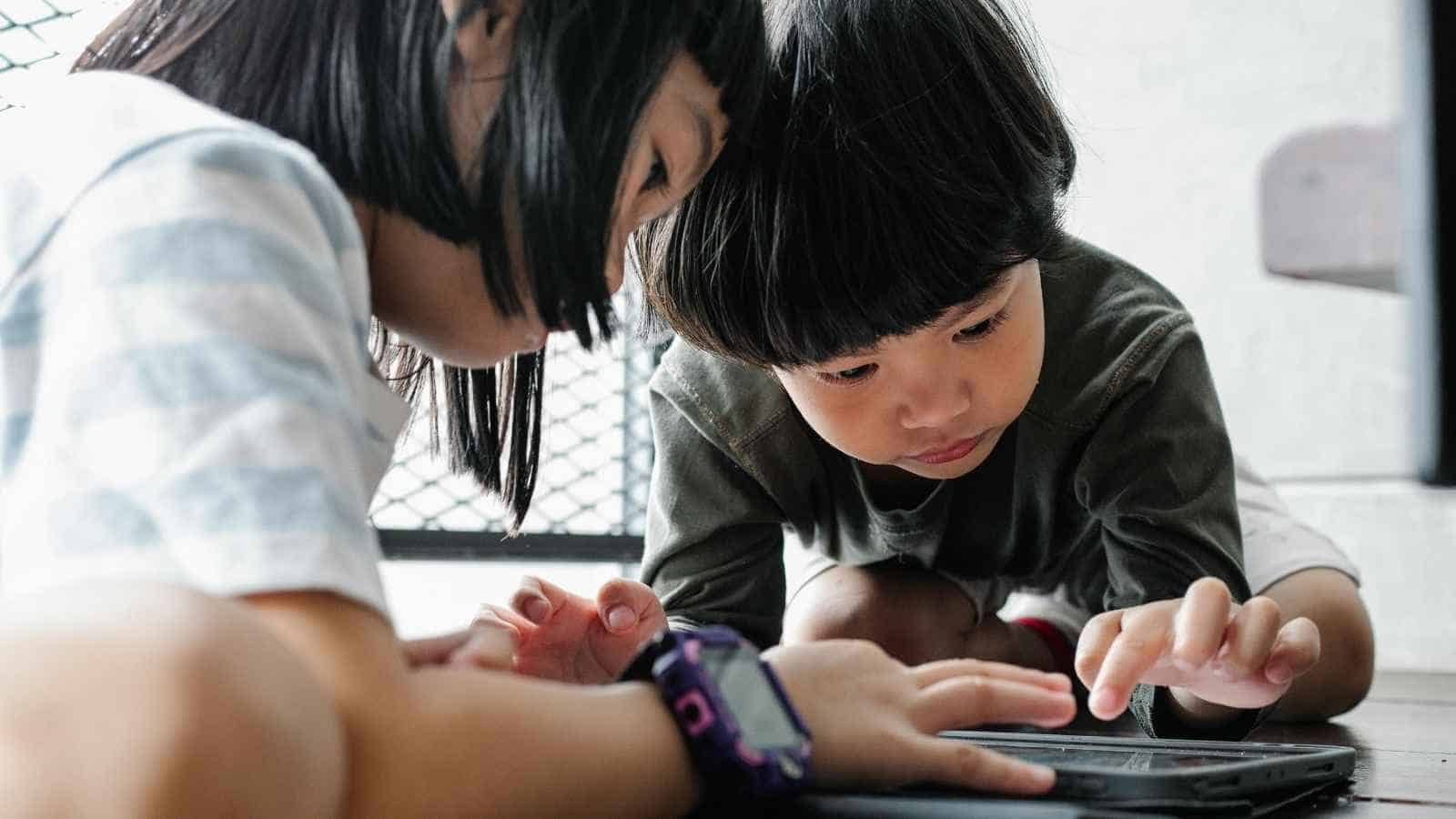
By 2035, kids will regularly meet in virtual worlds to learn and play. The metaverse will let students across the globe collaborate on projects and adventures. These virtual spaces will teach teamwork, empathy, and problem-solving.
Immersive VR worlds as classrooms
Virtual reality is transforming education. By 2035, VR classrooms will be the norm. Mordor Intelligence projects the Virtual Reality in Education Market to reach approximately $81.1 billion by 2030, growing from about $31.28 billion in 2025, at a 21% CAGR, driven by tech advancements and demand for immersive learning.
Students who learn in VR are more confident and finish courses faster than those in traditional settings. VR will make field trips to ancient civilizations and virtual science labs a normal part of the school day.
Hybrid physical-digital play for healthier habits
While screen time is rising, a balance is being found between digital and physical play. By 2035, kids will use AR-based games that blend digital storytelling with outdoor exploration.
Smart playgrounds and sensor-equipped sports games will track movement, unlocking new game levels as kids stay active. Hybrid experiences will be key to keeping children healthy and engaged.
AI playmates and personalized learning companions

AI will be a constant presence in kids’ learning by 2035. Children will have AI companions that guide them through games and challenges tailored to their learning pace. According to a report by MarketsandMarkets, the global edtech and smart classrooms market is expected to reach $353.1 billion by 2030. These AI playmates will encourage kids to experiment and learn by doing, making education feel like play.
Coding, creators’ tools, and entrepreneurial play
World Economic Forum (WEF) reports indicate that by 2030, a significant majority of jobs will require digital skills. By 2035, coding and digital creation will be fun, hands-on activities for kids. Schools are already using games and robotics kits to teach these skills.
Through playful coding clubs and virtual hackathons, kids will learn to create and monetize their ideas, preparing them for future careers.
Connected classrooms that turn the world into a playground
The world is becoming one giant classroom. Initiatives like UNICEF’s Giga program are connecting schools across the globe, allowing kids to join classes and play games in real time.
With millions of students still without access to education, digital learning platforms are filling the gap. By 2035, children in remote areas will collaborate on projects with peers worldwide, making the world their playground.
Play-based social-emotional labs
Beyond academics, play will be a tool to rebuild emotional resilience. After disruptions like the pandemic, kids will need play to regain confidence. In 2035, classrooms will feature play-based activities that teach collaboration and empathy.
The World Bank strongly emphasizes that play is essential for developing social-emotional skills like empathy, cooperation, and resilience, which are essential for children’s future success in a rapidly changing world.
Safer digital playgrounds with built-in protection
While digital play opens up new opportunities, safety is a growing concern. By 2035, digital learning platforms will be designed with child safety in mind. AI tools will be standard features in kids’ online games.
As technology advances, ensuring kids are safe while they learn and play will be as important as the lessons themselves.
Key takeaway

By 2035, technology will make learning feel more like play. Virtual reality classrooms, AI companions, and metaverse worlds will shape how kids learn, create, and connect. With digital tools that teach everything from coding to social skills, play will be central to education. The future of learning will be more interactive, more fun, and more inclusive, giving every child the chance to thrive.
Disclosure line:
This article was developed with the assistance of AI and was subsequently reviewed, revised, and approved by our editorial team.
10 Simple Habits to Recharge Your Mind and Body

10 Simple Habits to Recharge Your Mind and Body
These 10 simple habits to recharge your mind and body demonstrate that sustainable wellness starts with everyday choices, not drastic changes.
And if you’re looking for an easy way to support those habits, try pairing your morning ritual with a wellness-focused coffee.