The gift of waking up clear headed: Alcohol-free New Year’s parties are in!
Alcohol-free New Year’s Eve parties are gaining ground as more people reject hangovers and hype in favor of celebrations that actually feel good while they’re happening.
New Year’s Eve carries an enormous amount of cultural expectation for a single night. It is framed as the final test of the year, a moment that must feel celebratory enough to justify everything that came before it. For decades, alcohol has been treated as the emotional engine of that expectation. Champagne signals importance. Cocktails promise energy. Drinking is assumed to be the fastest way to transform an ordinary evening into a meaningful one. Yet more people are quietly stepping away from that assumption.
Alcohol-free New Year’s Eve parties are growing not because people have lost interest in celebration, but because they want the celebration to feel better while it is happening and to leave fewer emotional and physical consequences behind. These gatherings are not stripped down or somber. They are deliberate, warm, and often surprisingly joyful. When alcohol is removed from the center of the night, what remains is not emptiness, but clarity. The party becomes less about escape and more about connection, which for many people is exactly how they want to cross into a new year.
Why New Year’s Eve Has Carried So Much Pressure
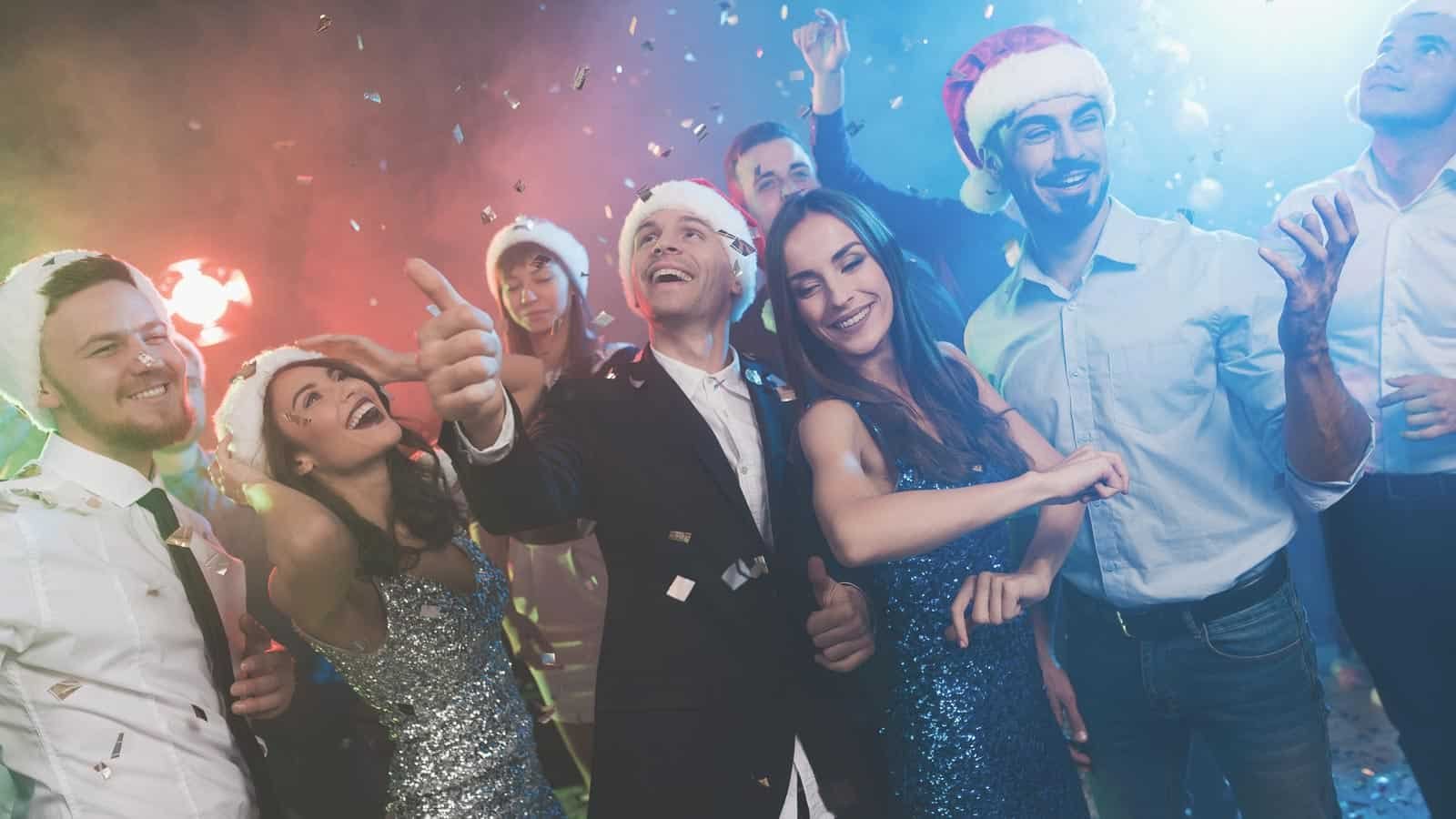
New Year’s Eve is not just another holiday. It is symbolic in a way that magnifies every emotion attached to it. People feel an unspoken obligation to make the night count, even if they are exhausted, overwhelmed, or uncertain about the year ahead. That pressure often leads to celebration that feels forced rather than chosen.
Alcohol has traditionally served as a buffer against that discomfort. It lowers inhibition, blurs edges, and creates a sense of momentum whether or not one truly feels it. Over time, this reliance hardened into expectation. A New Year’s Eve without alcohol began to feel incomplete, even unthinkable, not because alcohol was inherently necessary, but because it had been woven into the narrative of what celebration looks like.
As more people question productivity culture, hustle culture, and performative joy, they are also questioning rituals that demand excess as proof of meaning. Alcohol-free New Year’s Eve parties emerge from that questioning. They offer a way to honor the moment without pretending that louder automatically means better.
What Changes When Alcohol Is No Longer the Main Event
The absence of alcohol reshapes the evening in subtle but important ways. The pace changes first. Without the rise and fall created by drinking, the night settles into a steadier rhythm. Energy does not spike and crash. Conversations do not start strong and dissolve into repetition. People remain oriented to one another rather than drifting inward or outward.
There is also a noticeable shift in attention. Guests listen more closely. They respond more thoughtfully. The room feels less fragmented because people are not splitting their focus between socializing and consumption. This does not make the party quieter or more restrained. It makes it more cohesive.
Many hosts report that alcohol-free gatherings feel easier to manage emotionally. They are not monitoring guests’ intake or worrying about transportation. They are free to participate fully in their own event. The host becomes part of the circle rather than its caretaker.
Atmosphere Is Built Through Intention, Not Intoxication
One of the most common fears around alcohol-free New Year’s Eve parties is that they will feel flat. In reality, atmosphere has little to do with alcohol and everything to do with how a space is shaped. Lighting, music, temperature, seating, and timing all play larger roles than most hosts realize.
Alcohol-free parties tend to be more thoughtfully staged. Lighting is softer and layered rather than harsh. Music evolves over the course of the evening instead of staying at one volume. Seating encourages small clusters that can shift organically. These details signal care, which guests feel immediately upon entering.
Because the evening is not built around drinking, hosts are freer to design it around comfort and flow. Guests relax into the space rather than bracing for it. The mood feels intentional rather than imposed.
Mocktails as Social Anchors Rather Than Substitutes
At successful alcohol-free New Year’s Eve parties, mocktails are treated as a shared experience rather than a compromise. The drink station becomes a gathering point. Guests linger, experiment, and talk. The act of building a drink creates interaction without pressure.
Thoughtful mocktail setups emphasize texture, aroma, and choice. Sparkling elements provide celebration. Citrus and herbs add brightness. Spices and syrups introduce depth. Guests are not trying to replicate alcohol. They are creating something pleasurable in its own right.
This approach removes hierarchy. No one feels like they are opting out or standing apart. Everyone is equally engaged in the ritual of the night. That shared participation reinforces inclusion, which is one of the quiet strengths of alcohol-free celebrations.
Food That Encourages Presence
When alcohol is not driving appetite or dulling taste, food becomes more meaningful. Alcohol-free New Year’s Eve parties often feature menus designed to be savored slowly rather than consumed quickly. Hosts gravitate toward foods that invite pause and conversation.
Warm dishes anchor the evening. Baked items release aroma. Shared platters draw people together. Desserts arrive in stages rather than all at once. Eating becomes a grounding activity that keeps energy balanced.
This approach changes how guests move through the night. Instead of hovering near drinks, they gather around food. They talk while serving one another. The table becomes a place of connection rather than mere fuel.
Activities That Add Shape Without Pressure
Alcohol often fills space that would otherwise require structure. When it is removed, hosts choose activities more intentionally. The most effective alcohol-free New Year’s Eve activities offer gentle engagement rather than forced participation.
Conversation prompts, collaborative games, creative projects, or shared playlists give the evening shape without demanding attention. Guests can opt in or out without feeling exposed. These activities provide a common thread that guests can return to throughout the night.
The result is an evening that feels cohesive rather than chaotic. People share experiences rather than simply occupying the same space.
Reimagining the Countdown
Midnight carries emotional weight regardless of what is being poured. Alcohol-free New Year’s Eve parties often approach the countdown with more thought and less noise. Instead of clinking glasses, hosts introduce rituals that feel inclusive and memorable.
Some invite guests to share a word or intention. Others focus on a shared sensory moment like lighting sparklers or playing a specific song. These rituals mark time in a way that feels grounded rather than performative.
Because guests are fully present, the moment lands clearly. People remember it not as a blur, but as a shared pause.
The Gift of Waking Up Clear
The value of an alcohol-free New Year’s Eve becomes undeniable on January 1. Guests wake up without physical discomfort or emotional regret. The night feels complete rather than unresolved.
Messages exchanged the next day carry warmth instead of apology. Photos reflect connection instead of excess. The memory of the evening holds together rather than dissolving.
For hosts, this clarity is especially meaningful. There is no second guessing. No wondering how the night came across. The party feels like a clean ending rather than a mess to manage.
Who Alcohol-Free Celebrations Serve
These gatherings serve a wide range of people. Families. Multigenerational groups. People in recovery. Pregnant guests. Drivers. Introverts. Early risers. Anyone who has ever felt out of place at a drinking centered event.
Importantly, they also serve people who drink alcohol in other contexts. The absence of alcohol for one night does not feel like deprivation. It feels like relief.
A Different Kind of Beginning
Alcohol-free New Year’s Eve parties reflect a broader desire for intentional living. They prioritize presence over performance. Connection over consumption. Meaning over momentum.
For many people, choosing an alcohol-free celebration does not feel like giving something up. It feels like choosing a beginning that aligns with how they actually want to live.
12 Mocktails That Party Harder Than Cocktails
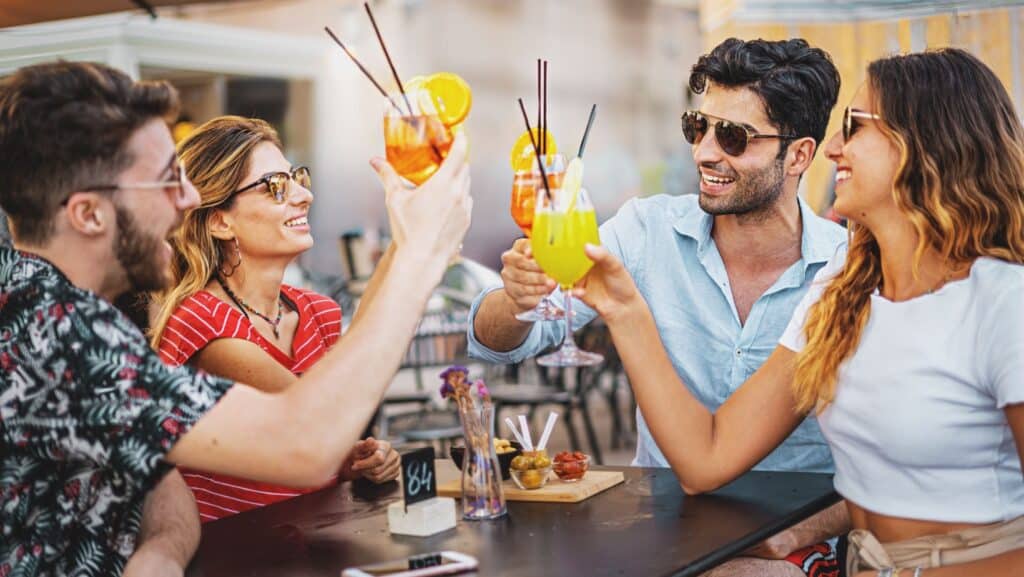
Skip the booze, keep the flavor—these gorgeous mocktails will impress at any gathering. Welcome to the art of craft mocktails. Who says you need alcohol to feel fancy? Craft mocktails have evolved far beyond soda and juice. With the rise of mindful drinking, these zero-proof sippers are just as complex, elegant, and celebratory as their boozy counterparts. Whether you’re the designated driver, expecting, or just want a break from booze, these 12 at-home recipes prove that flavor doesn’t need alcohol to shine. Learn more.