The Perseids are peaking—here’s your guide
Every summer, the night sky puts on a spectacular show, no telescope required. The Perseid meteor shower, one of the most anticipated celestial events of the year, fills the sky with fast, bright meteors that can leave long, glowing trails. But what exactly are the Perseids, where do they come from, and how can you catch the best view? Here’s everything you need to know to enjoy this annual stargazing event.
What Are the Perseids, Anyway?
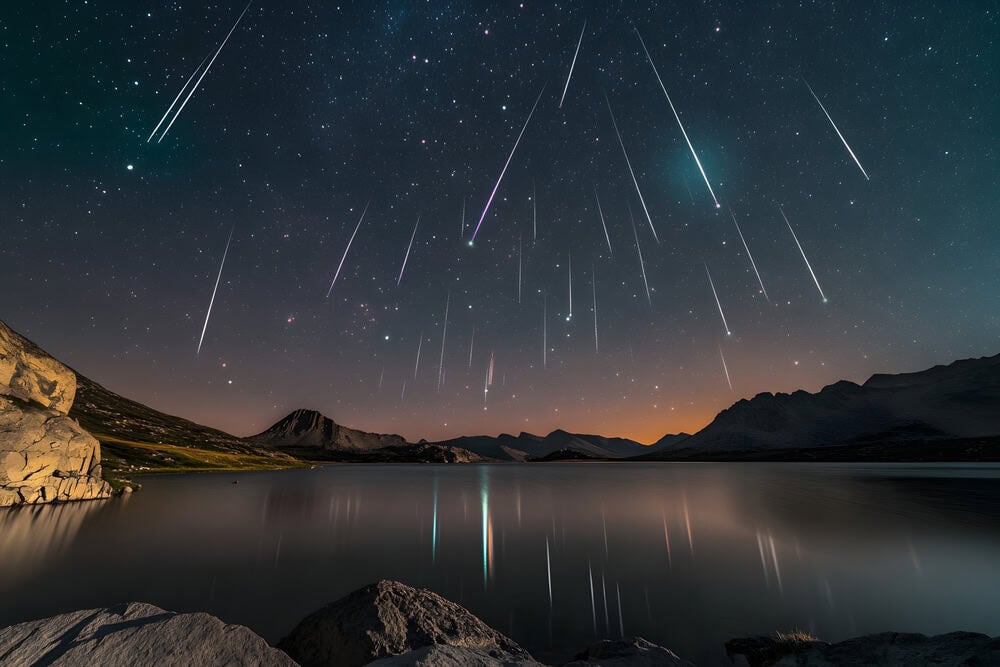
The Perseids are a meteor shower that happens every year when Earth passes through a trail of debris left by the Swift-Tuttle comet. As the bits of dust and rock hit Earth’s atmosphere, they burn up, creating the bright streaks we see as shooting stars.
When Do the Perseids Happen?
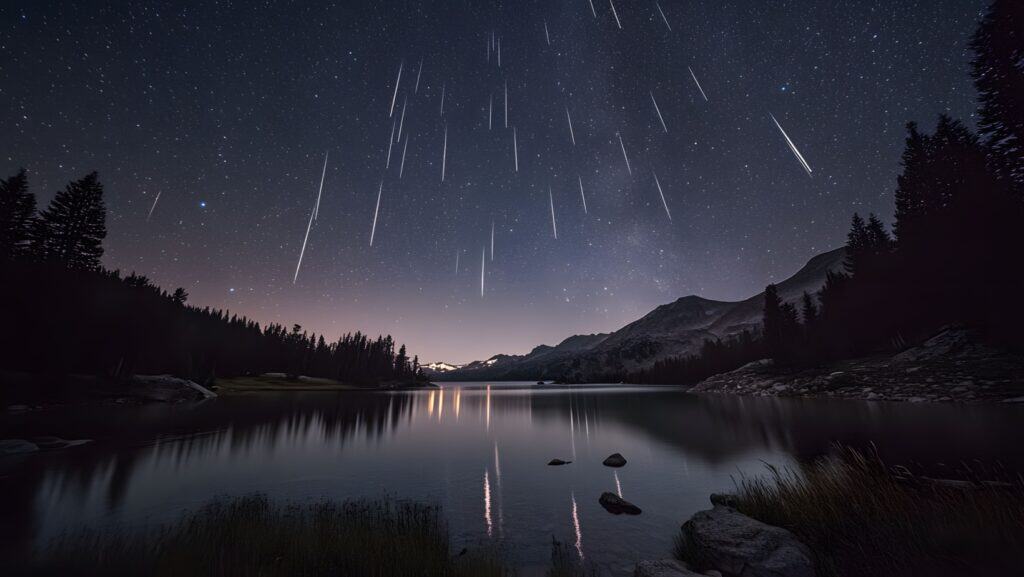
The Perseid meteor shower usually takes place between mid-July and late August, with peak viewing typically occurring around August 11–13. During the peak, you can see up to 100 meteors per hour under ideal conditions.
Why They’re Called the “Perseids”
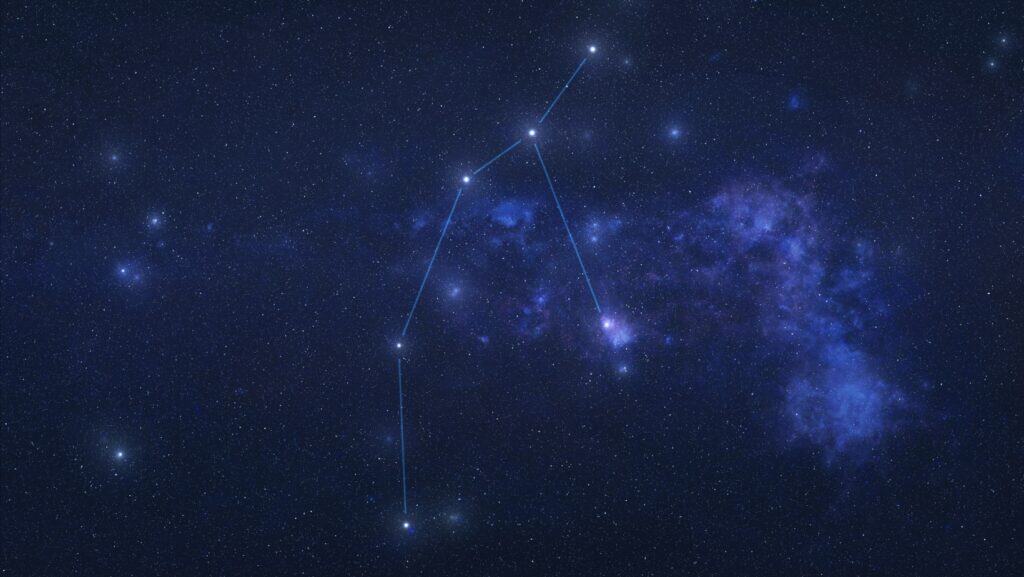
They’re named after the constellation Perseus because the meteors appear to radiate from that area of the sky. Don’t worry, you don’t need to find Perseus to see the show. The meteors will be visible all across the sky.
Where Do the Meteors Come From?
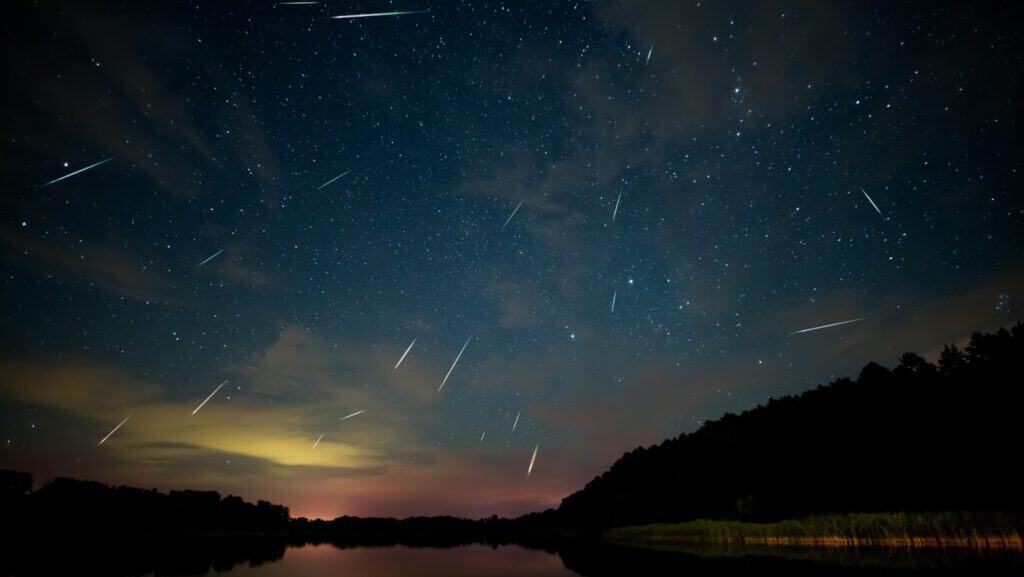
These meteors are tiny fragments left behind by the comet Swift-Tuttle, which last passed by Earth in 1992 and won’t return until 2126. The comet’s debris trail is what Earth moves through each summer.
How to Get the Best View
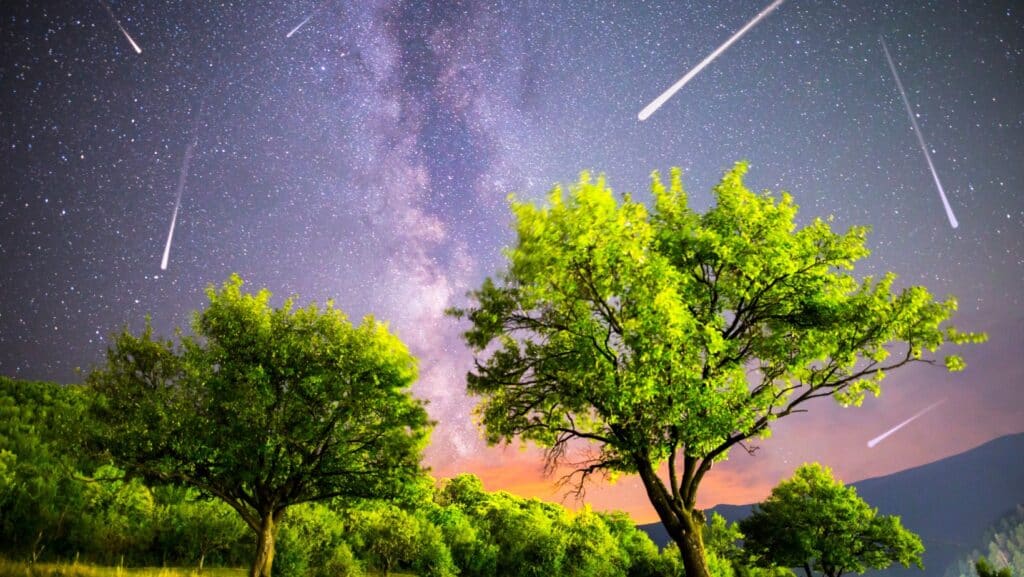
The best time to watch the Perseids is after midnight and before dawn, far from city lights. You don’t need binoculars or a telescope, just lie back and look up. Let your eyes adjust to the dark for at least 20 minutes.
Light Pollution Could Ruin It
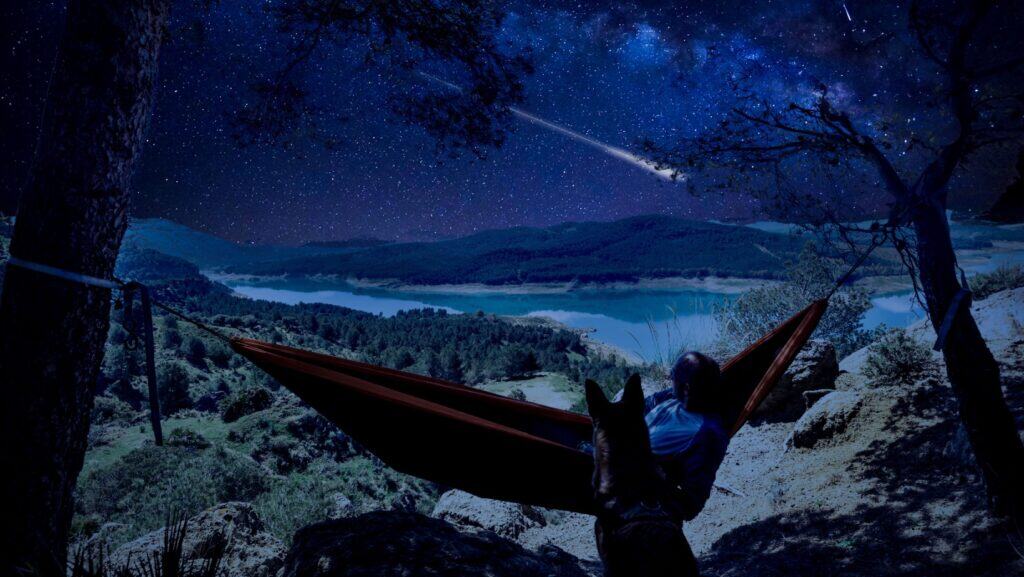
City lights can seriously reduce how many meteors you see. If you live in a well-lit area, consider heading to a nearby park, beach, or rural area for darker skies. Use DarkSiteFinder to find a spot near you.
Moonlight Can Make a Difference
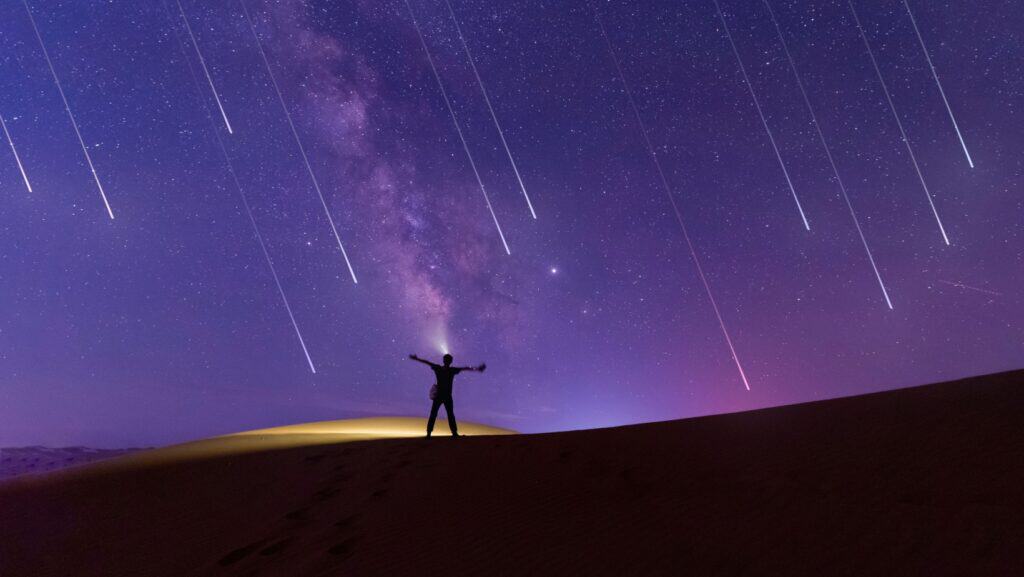
A bright moon can wash out the fainter meteors. In 2025, the moon will be in its last quarter phase during peak Perseids, which may slightly dim the view, but you’ll still see plenty of fireballs.
You Might See Fireballs

The Perseids are famous for producing fireballs, extra-bright meteors that can light up the entire sky. These are larger pieces of debris from Swift-Tuttle that burn longer and brighter.
Bring a Blanket, Not a Telescope

Unlike many celestial events, you don’t need special gear to see the Perseids. Just bring a comfy chair or blanket, dress warmly, and be patient. The longer you stay out, the more you’ll see.
Why the Perseids Are So Popular

The Perseids happen during warm summer nights when families, campers, and astronomy buffs can comfortably stay outside. They’re one of the most reliable showers, and one of the easiest to enjoy.
They’ve Been Observed for Centuries

The Perseids have been observed for nearly 2,000 years, with early Chinese records dating back to 36 A.D. Today, they’re one of the best-known and most-watched meteor showers worldwide.
It’s a Great Excuse for a Night Out

Whether you’re camping, road-tripping, or just hanging in the backyard, watching the Perseids is a summer tradition worth trying. And with peak viewing happening in August, it’s a perfect excuse to unplug and look up.
The Takeaway
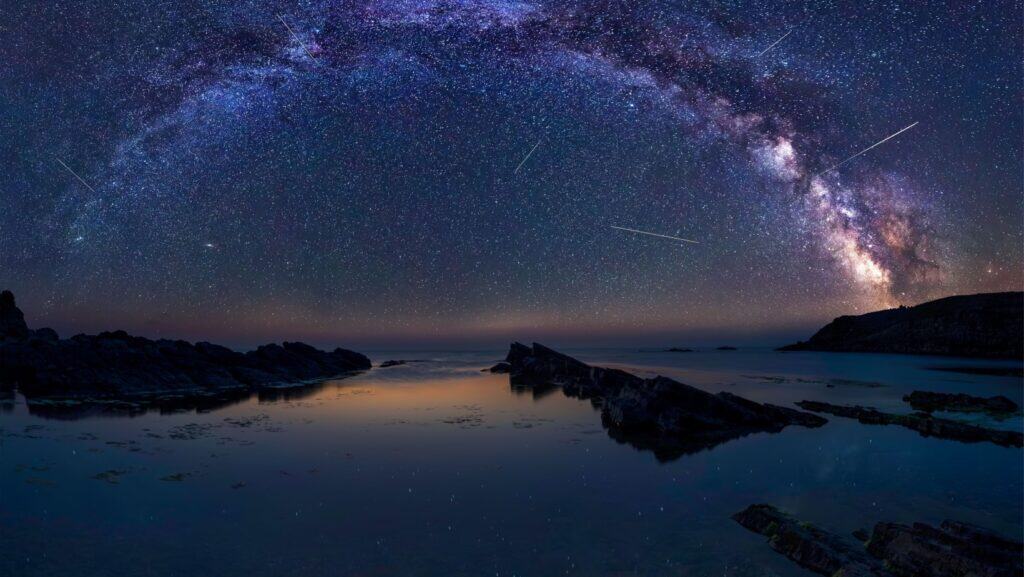
If you’ve never watched a meteor shower before, the Perseids are the perfect one to start with. All you need is a dark sky, a little patience, and a sense of wonder. Don’t forget to make a wish; they don’t call them shooting stars for nothing.
Want more celestial events? Check out NASA’s Skywatching Tips.
Bucket List Item: Oregon Outback International Dark Sky Sanctuary

READ: Bucket List Item: Oregon Outback International Dark Sky Sanctuary
Hopefully all of you have had the experience of gazing into the night sky in dark surroundings, so that you could take advantage of the stars, planets and cosmos. Unfortunately, manmade lights often interfere – it is called light pollution for a reason – but did you know that the U.S. can now claim the largest international dark sky sanctuary? You will have to travel to Oregon to take advantage, but it is worth the trip.