These 12 states will make you think twice about moving there
Sometimes a move looks perfect right up until the math starts talking. The ocean is still blue, the mountains are still beautiful, and the new city still feels like a fresh chapter, but then the real numbers step in. The insurance quote lands. The property tax bill shows up. The child care options shrink. The job market feels thinner than expected. The nearest strong hospital is farther than it looked on the map. That is the part people do not post.
The Census Bureau reports that 31 states posted positive net domestic migration between July 2024 and June 2025, yet the Population Reference Bureau reports that New York, Hawaii, Alaska, and California had the highest rates of domestic outmigration in 2025. Americans are still chasing new beginnings, but they are also walking away from places where the lifestyle dream keeps colliding with everyday costs.
There is a broader affordability story running beneath it all, which helps explain why some states lose their shine once daily life begins. Visual Capitalist’s 2026 summary of household costs found Hawaii at the top at $141,127 a year, followed by Massachusetts at $118,431, California at $107,357, Alaska at $100,289, and New York at $99,425.
Brookings housing economist Joe Gyourko captured the larger problem when he wrote that “homeownership is joining health care and higher education as important sectors in our society in which the middle class can no longer take affordable access for granted.” That line lands because it reaches beyond housing. A state can look incredible in photos and still turn out to be the wrong place for your paycheck, your family, your career path, or your long-term peace of mind.
Hawaii

Hawaii still sells one of the most seductive dreams in America, but it also delivers some of the harshest household math. Visual Capitalist’s 2026 roundup says the average annual household cost there reached $141,127, about 84% above the national average, and the Population Reference Bureau reports that Hawaii was among the states with the highest rates of domestic outmigration in 2025.
The trouble is not just that groceries and housing cost more. It is the local economy that gives many households fewer ways to outrun those prices. WalletHub’s 2026 business ranking placed Hawaii 48th overall, including 48th for access to resources.
So yes, the sunsets are real. The strain is real, too, and for many middle-income movers, the postcard fades faster than the bills do.
California

California still does something very few places can do. It makes ambition feel cinematic. It also makes basic stability feel expensive. Visual Capitalist’s 2026 data puts California third in annual household costs at $107,357, while MERIC’s 2025 cost of living series gives it an index of 143.1, among the highest in the nation.
U-Haul’s 2025 Growth Index ranked California last for the sixth straight year, and PRB says it was one of the states with the highest domestic outmigration rates in 2025. Add insurance instability, and the picture gets heavier.
Harvard’s Joint Center for Housing Studies says premiums and nonrenewal rates in California are significantly higher in ZIP codes with larger expected climate-related losses, and California regulators approved a 17% State Farm homeowners rate increase in 2025. California can still reward very high earners and specialized talent. For a broad swath of ordinary movers, though, it increasingly feels like an opportunity with a surcharge attached.
New York

New York can still be a launchpad, but it can also become a very expensive place to stand still. MERIC’s 2025 data gives New York a cost-of-living index of 125.8, and Visual Capitalist’s 2026 ranking puts average annual household costs there at $99,425.
PRB says New York was one of the states with the highest domestic outmigration rates in 2025, and United Van Lines’ 2025 movers study put it second among outbound states, with 58% of moves leaving. Housing is where the pressure gets personal.
A recent affordability analysis found that New York renters spend 61.3% of income on housing on average, while homeowners spend 30.4%, and the Tax Foundation still ranks New York among the heaviest property-tax states in the Northeast. For some people, New York’s energy is worth every extra dollar. For many others, the city and state start to feel less like a dream and more like a monthly endurance test.
Massachusetts
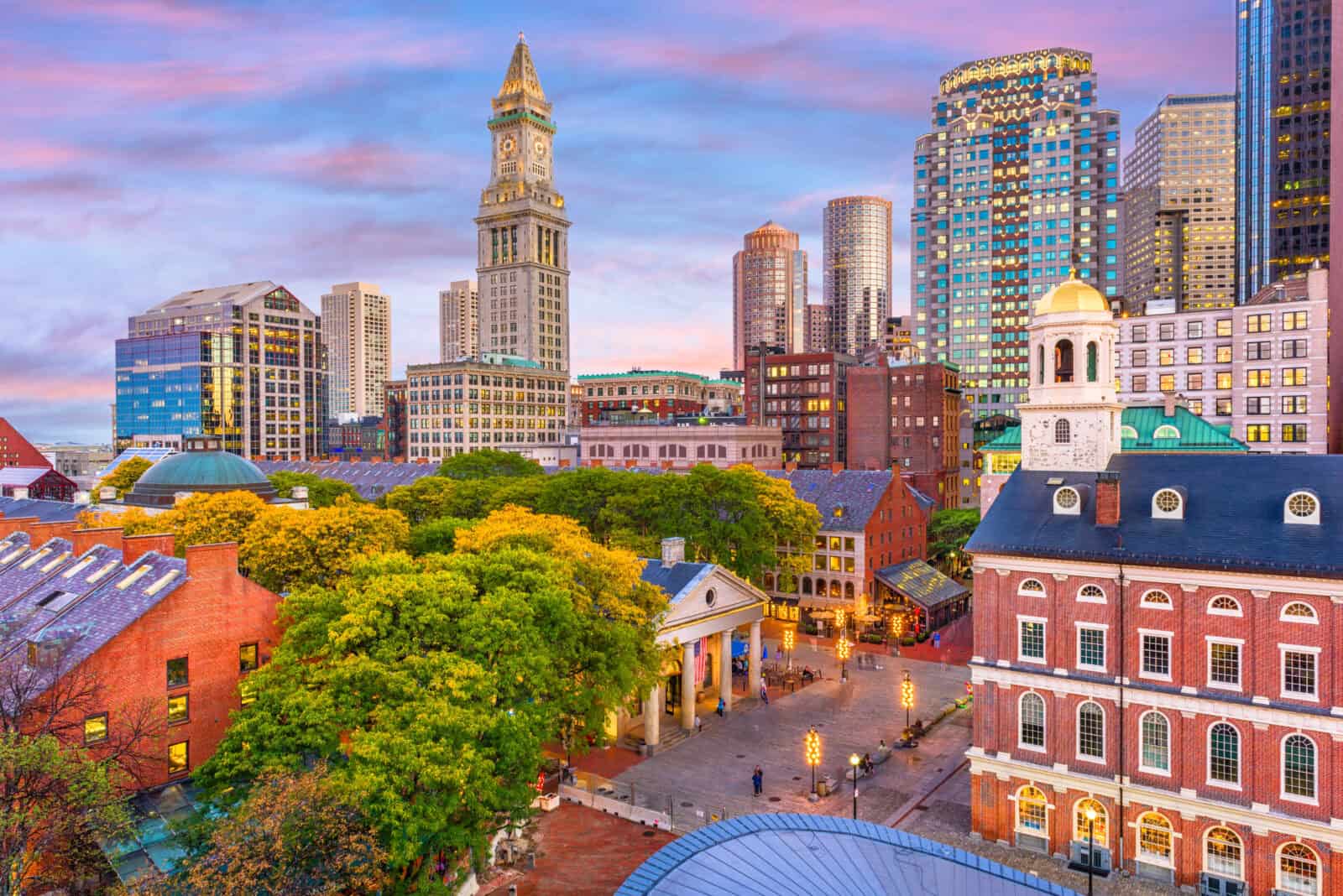
Massachusetts is one of those states that makes its case very quickly. The schools are strong, the hospitals are strong, the incomes are high, and the résumé glow is real. The price tag is real, too.
Visual Capitalist’s 2026 breakdown ranks Massachusetts second in annual household costs at $118,431, and MERIC’s 2025 index places it at 148.5, the highest state figure in that series. U-Haul’s 2025 data put Massachusetts 46th in net growth, still in the bottom five, and WalletHub’s 2026 business rankings place the state among the highest labor-cost environments in the country.
That does not make Massachusetts a bad state. It makes it a premium one. If you are a family or midcareer mover without a top-tier income, the quality can be excellent, and the strain can still be relentless, especially once housing and child care start eating through the same paycheck.
New Jersey

New Jersey has always carried a strange double identity. It is close to everything, full of affluent pockets, and still one of the easiest states to leave once the tax bills start arriving. MERIC’s 2025 cost of living data puts New Jersey at 115.3 overall, and the Tax Foundation says New Jersey had the highest effective property tax rate on owner-occupied housing in 2023 at 2.23%.
Its 2026 State Tax Competitiveness Index ranks New Jersey 49th overall. Then there is migration. United Van Lines says New Jersey was the top outbound state in 2025, with 62% of its moves heading out.
That helps explain why the state can feel less like a convenient gateway and more like an expensive holding pattern. Proximity to New York and Philadelphia still has value. Plenty of residents have simply decided that the price of that convenience no longer feels reasonable.
Connecticut

Connecticut is one of those places that looks wealthy from 30,000 feet and complicated once you start pricing daily life. It sits in the expensive Northeast corridor, it posts strong income numbers, and it still struggles to feel like a growth state.
WalletHub’s 2026 business ranking puts Connecticut 47th overall and 47th for small business growth. The Tax Foundation’s 2026 state tax index ranks Connecticut 47th overall in tax competitiveness, and current property tax reporting places Connecticut among the highest property tax states in the country, with an effective real estate tax rate of around 1.81% in a recent WalletHub analysis.
That burden lands on top of already high housing and living costs. So the issue is not that Connecticut lacks money. It is that the state can look prosperous in the aggregate while feeling slow, expensive, and oddly cramped for households and business owners trying to build something over the long haul.
Vermont
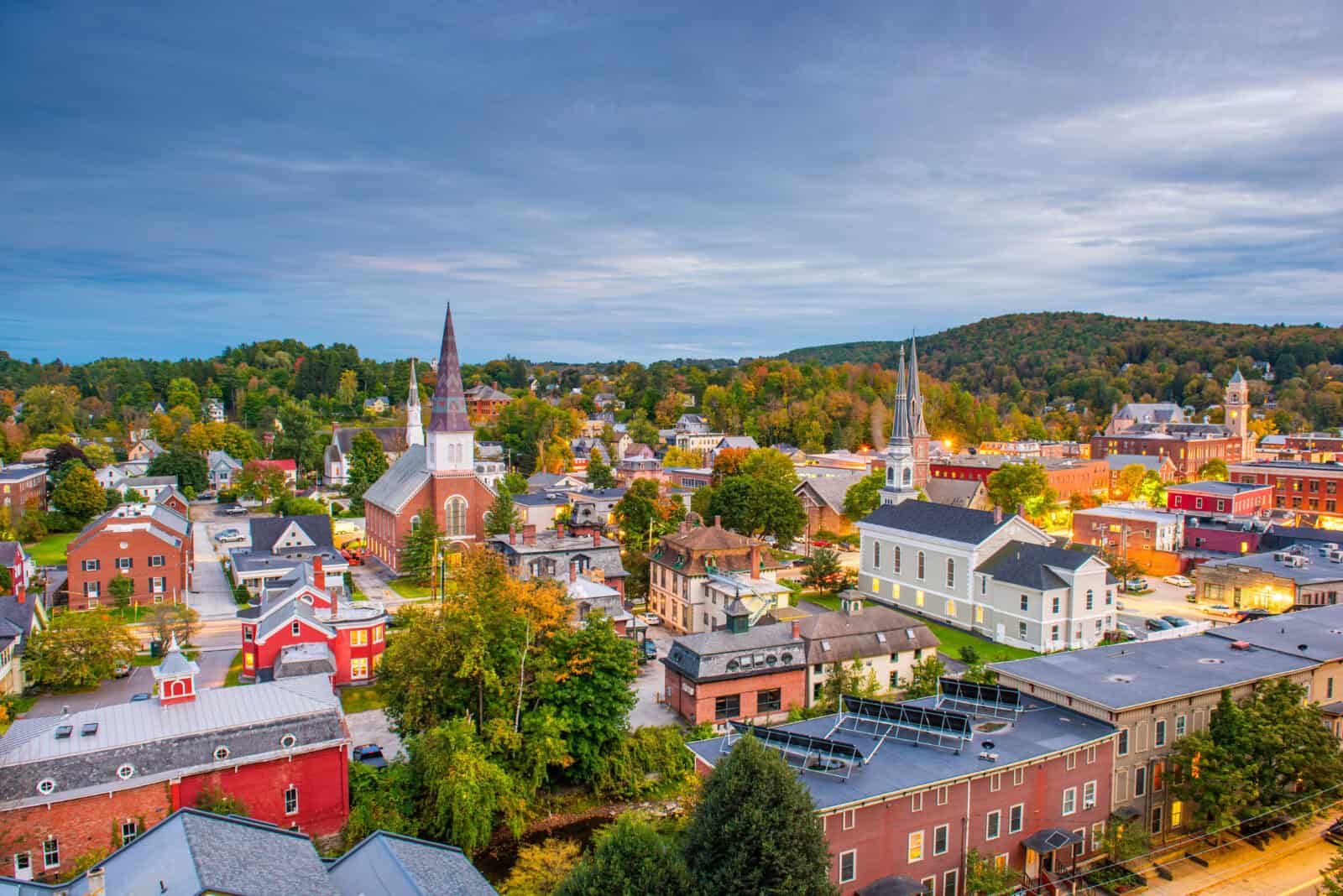
Vermont is easy to romanticize because it offers exactly what many overstimulated Americans say they want. Quiet roads, pretty seasons, local pride, a slower rhythm. Then the demographic and career realities come into view.
USAFacts, using Census data, says Vermont lost about 1,900 residents between 2024 and 2025, a 0.29% decline, making it one of only five states to lose population in that period. WalletHub’s 2026 business ranking places Vermont 49th overall for starting a business and dead last for human capital availability.
That means beauty is not the issue. The issue is converting the beauty into a durable career, especially if you are not retired, independently wealthy, or bringing a fully remote job with you. Vermont can absolutely work for the right person. It is just much harder than the foliage photos make it look.
West Virginia

West Virginia is one of the trickier states on this list because cheap housing can look like an instant win. Inbound movers have noticed that. United Van Lines says West Virginia was the second-most-inbound state in 2025, with 62% of moves heading in. But low prices are only part of the story.
WalletHub’s 2026 family rankings place West Virginia 49th overall, and its 2026 business study ranks the state 50th for starting a business and 50th for access to resources. That tells you what bargain hunters sometimes miss. A house can be affordable and still sit inside a weaker opportunity map, thinner services, and a harder family equation.
West Virginia can suit buyers who value land, pace, and lower upfront costs. It can also frustrate younger households who need broader job ladders, stronger services, and more room to pivot.
New Mexico

New Mexico makes a strong first impression if you are shopping solely by raw cost. The weather, the landscapes, and the lower housing sticker price can all look appealing after a few minutes on a real estate site. The harder part comes later.
WalletHub’s 2026 state family ranking places New Mexico 50th overall, and recent coverage of that ranking notes the state landed last in education and child care and in the bottom five for socioeconomics. U-Haul’s 2025 growth data places New Mexico around the middle of the pack at 22nd, which suggests it is not being rejected outright so much as approached selectively.
This is where a better question helps. Affordable for what stage of life? As WalletHub analyst Chip Lupo put it, “it’s important to live in a city that is affordable while still providing quality health care, education, safety, and opportunities for enrichment.” New Mexico nails the first half of that sentence more easily than the second.
Mississippi
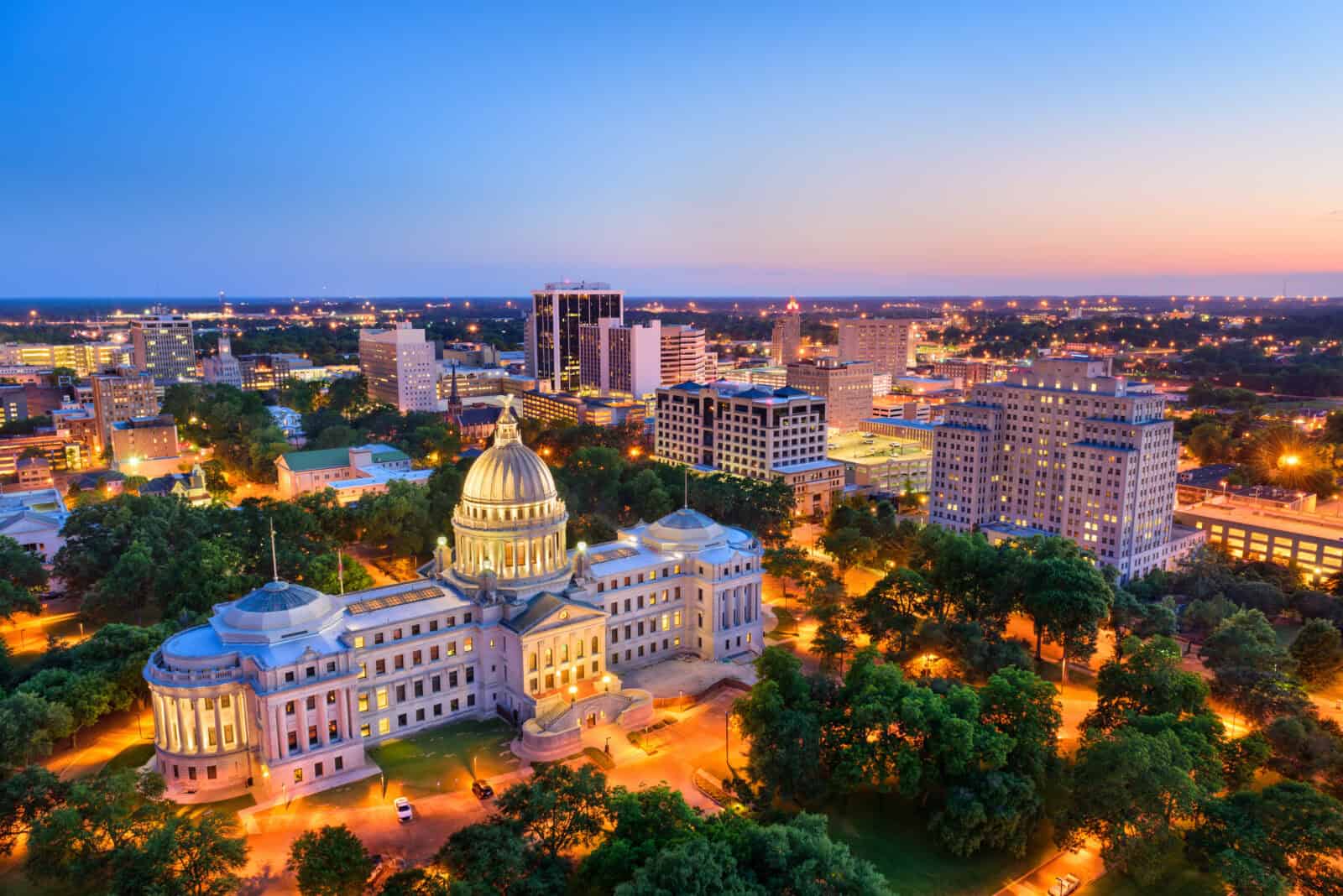
Mississippi stretches a paycheck further than many states, and that is real value. It also asks families to accept tradeoffs that can be much harder to price. WalletHub’s 2026 family ranking places Mississippi 48th overall, and its business ranking puts Mississippi near the bottom for educated population, even while the state performs well on low labor costs.
United Van Lines ranked Mississippi sixth among outbound states in 2025, suggesting that plenty of residents still believe cheap is not enough. That tension sits at the center of the state’s appeal and its limits.
If you look only at the rent or purchase price, Mississippi can seem like a relief. If you broaden the frame to include education, health, safety, and economic mobility, the bargain starts to look less complete. Cheap living is still living, and people eventually ask what else it entails.
Alaska

Alaska offers one of the most dramatic landscapes in America and one of the least forgiving daily logistics chains. Visual Capitalist’s 2026 summary puts annual household costs there at $100,289, and MERIC’s 2025 cost of living index places Alaska at 126.7. PRB says Alaska was among the states with the highest domestic outmigration rates in 2025.
Health care access adds another layer of difficulty. The Alaska Department of Health says the state’s Rural Health Transformation Program reflects its “large rural population, geographic challenges, and long-standing health care access needs,” which is government-speak for what ordinary households feel much more simply.
Remoteness is expensive. It shows up in groceries, fuel, utilities, travel, and sometimes in how long it takes to get specialized care. Alaska can be astonishing if you are built for its scale. It can also punish underplanning very quickly.
Louisiana

Louisiana is the state on this list that most clearly warns you not to confuse cheap housing with cheap ownership. The Census Bureau’s 2025 insurance report says Louisiana was one of the ten states with the highest annual property insurance costs for mortgaged homes in 2023.
Realtor.com’s 2025 climate risk research notes that insurance costs weigh especially heavily on lower-value, high-risk markets, and that New Orleans homeowners face one of the country’s heaviest insurance burdens, with premiums equal to 3.6% of the median home value under a standard HO-3 policy.
WalletHub’s 2026 family ranking places Louisiana 45th overall. The deeper issue is long-horizon risk. As First Street CEO Matthew Eby put it, “The risk doesn’t go away; it just moves from a pre-purchase decision into a post-purchase liability.” In Louisiana, that line lands with force. The home may be cheaper. The future cost of keeping it safe often is not.
Reflective close

A bad move rarely feels bad on day one. It usually starts as excitement, then turns into a slow drip of tradeoffs that nobody mentioned in the glossy version. The state is beautiful, but the job market is thin. The house was cheap, but the insurance is ugly. The taxes are manageable, but the schools are weak. The air feels freer, but the nearest good hospital is far away.
That is why moving advice gets wiser when it becomes more personal. Census migration data, cost rankings, tax maps, insurance burdens, and family scores all matter, but in different ways at different stages of life. The best state in the abstract is not always the best state for your actual budget, your actual family, or your actual tolerance for risk.
Key Takeaways

The pattern running through this list is not just “expensive is bad” or “cheap is good.”
- High-glamour states such as Hawaii, California, New York, and Massachusetts can drain middle-class households with housing, taxes, insurance, and high daily costs.
- Tax-heavy Northeastern states like New Jersey and Connecticut add property-tax pain to already expensive living costs.
- Lower-cost states such as West Virginia, New Mexico, Mississippi, and Louisiana can still disappoint movers who need stronger schools, safer neighborhoods, broader job markets, reliable health care, or a lower climate risk profile.
- The states that make people think twice are usually the ones where one good headline cannot outweigh the rest of the bill.
Disclaimer – This list is solely the author’s opinion based on research and publicly available information. It is not intended to be professional advice.
Like our content? Be sure to follow us