

Thinking of leaving America over politics? These 10 countries offer a different way of life
Have you ever watched the news, looked at the latest political arguments, and wondered what life would be like if you simply packed your bags and moved somewhere else?
For some Americans, that thought goes beyond daydreaming.
Political polarization, election results, and disagreements over healthcare, reproductive rights, environmental policy, and social protections have prompted some people to consider building a life abroad.
But where would you actually go?
For Americans who prioritize policies often associated with the Democratic Party, countries such as Canada, Sweden, Norway, and New Zealand may be worth exploring. Their healthcare systems, social programs, and approaches to work-life balance offer some notable contrasts with the United States.
Of course, moving abroad isn’t as simple as choosing a country whose politics sound appealing. Immigration rules, housing costs, taxes, language barriers, and access to public benefits can make the reality much more complicated.
These 10 countries offer a closer look at what life outside America might offer, what could be different, and what anyone considering a move should understand before making such a major decision.
1. Canada
Shares many cultural similarities with the US, has a liberal government, universal healthcare, and strong social safety net programs.
2. Sweden
Known for its progressive policies, generous social welfare system, gender equality, and environmental protections.
3. Norway
Consistently ranks as one of the most liberal and happiest countries, with a strong social safety net and commitment to sustainability.
4. Denmark
Another Scandinavian country with a robust welfare state, high quality of life, and progressive values.
5. New Zealand
English-speaking, liberal policies, beautiful environment, and welcoming to immigrants.
6. Netherlands
Open-minded society, strong social programs, and high quality of life.
7. Germany
Strong economy, favorable work visa options for skilled workers, and progressive policies on many issues.
8. Australia
English-speaking, liberal values in many areas, and high quality of life.
9. Finland
Consistently ranks as one of the happiest countries, with excellent social programs and education system.
10. Portugal
Increasingly popular with expats, liberal policies, and relatively affordable cost of living for Western Europe.
What Makes These Countries Appealing?
- Strong social safety nets and welfare programs
- Universal or affordable healthcare
- Environmental protections and climate action
- Gender and LGBT equality
- Welcoming immigration policies
- High quality of life and happiness rankings
- Democratic systems of government
Immigration Considerations
Prospective expatriates should carefully consider immigration requirements, which vary significantly between countries. Many nations prioritize skilled workers, particularly in technology and engineering fields, offering favorable visa options.
For instance, Canada’s Express Entry system and Australia’s skilled migration program provide pathways for qualified professionals. However, obtaining permanent residency or citizenship often requires long-term commitment, language proficiency, and integration into the local culture. It’s crucial to research specific visa categories, processing times, and associated costs before making relocation plans. Additionally, understanding tax implications, healthcare access for non-citizens, and recognition of professional qualifications is essential for a smooth transition.
Cost of Living Considerations

Cost of living varies significantly among top destinations for Democrats considering relocation. While Scandinavian countries like Sweden and Norway offer extensive social benefits, they also have higher living expenses and tax rates.
In contrast, Portugal provides a more affordable option within Western Europe, with lower housing costs and a favorable tax regime for expats. Canada and New Zealand present a middle ground, offering quality public services with moderate living costs compared to major U.S. cities. Prospective expatriates should consider factors such as housing, healthcare, education, and transportation expenses when evaluating affordability in potential host countries.
Exploring Cultural and Language Considerations
When considering relocation, cultural adaptation and language proficiency are crucial factors for expats. Many countries favored by Democrats, such as Sweden, Norway, and the Netherlands, have high English proficiency levels, which can ease the initial transition. However, learning the local language is essential for long-term integration and career prospects. Some countries, like France, have recently increased language requirements for permanent residency, with the proficiency level raised from A2 to B1 for the 10-year resident card.Language training is often a key component of successful expatriation.
Many companies offer language learning support to their expat employees, recognizing its importance for cultural integration and job performance. Expats are increasingly multilingual, with a significant portion speaking three or more languages. For those relocating with children, bilingual or multilingual education is a common consideration, as over half of expat parents raise their children with two or more languages. Prospective expatriates should research language requirements, available language training options, and cultural norms in their chosen destination to ensure a smoother transition and integration into their new home.
Final Thoughts
While many Democrats may consider relocating abroad due to political concerns, it’s important to carefully weigh the pros and cons of such a significant life change. Countries like Canada, Sweden, Norway, and New Zealand offer appealing options for those seeking progressive policies and high quality of life standards. However, potential expatriates must consider various factors including immigration requirements, cost of living, cultural adaptation, and language barriers.
Ultimately, the decision to move abroad is highly personal and should be based on thorough research and consideration of individual circumstances. While these countries may align more closely with Democratic values, it’s worth noting that no nation is perfect, and each has its own unique challenges and trade-offs. Prospective emigrants should also remember that they can still participate in U.S. democracy from abroad through absentee voting. Regardless of the outcome of any single election, engaging in the democratic process and working towards positive change within one’s home country remains a viable option for many.
The Best Countries A MAGA Republican Could Move To If Trump Loses
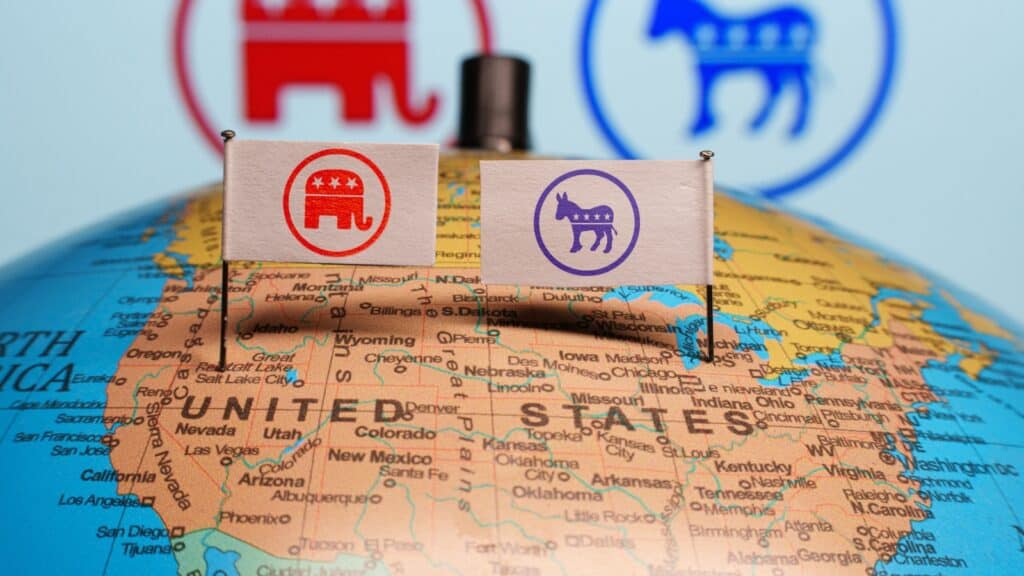
As reported by various sources, some MAGA Republicans dissatisfied with the current political climate in the United States are considering relocating to countries that align more closely with their conservative values, with Hungary emerging as a popular destination due to its government’s stance on traditional values and national sovereignty.
READ: The Best Countries A Republican Could Move To If Trump Loses
Election Season

We don’t know about you, but we’re stressed about this election. And that’s completely normal but doesn’t mean we should let our mental health slip in order to stay involved.
Navigating the stress of a presidential election season can be challenging, especially during such a polarizing time. Whether you’re already swimming in “election anxiety” or just want to stay on top of your mental health, we have some tips.
READ: 7 Mental Health Tips for Staying Grounded During Election Season