Top 11 things women should sell in retirement, even if it’s begrudgingly
Retirement often brings a surprising realization: the things that once made life easier, more beautiful, or more meaningful can eventually become burdens. Whether you’re downsizing, relocating, helping family members avoid future estate headaches, or simply trying to create a safer and more manageable home, retirement is an ideal time to take stock of what you truly need.
For many women, letting go isn’t easy. Homes and possessions often hold decades of memories, family history, and emotional significance. Yet experts on aging and downsizing consistently find that simplifying one’s surroundings can reduce maintenance demands, free up cash, and make later-life transitions easier. While nobody is suggesting you part with cherished keepsakes that genuinely enrich your life, there are certain items that may be worth selling, even if it’s done reluctantly.
Here are 11 things many women should consider selling in retirement.
The house that suddenly feels too large

When the children cease frequent visits, the creak of vacant upstairs floors becomes more audible. As property taxes, maintenance, and power bills continue to rise, you go through rooms that remain dark for days. Retirement funds may be silently depleted more quickly than anticipated by a large home.
According to research published in The Journal Record, downsizing can, on average, free more than $200,000 nationwide. Some Dallas homeowners save about $373,000 by switching from four bedrooms to two. Compared to vacant guest rooms, that money can extend retirement years far more effectively.
Because homes contain decades’ worth of memories, the emotional weight remains real. However, women frequently have to wait four or five years longer than men to retire. Selling the family house does not erase the past. It simply stops the past from becoming too expensive to maintain.
The extra car that barely leaves the driveway

The engine hums for a few minutes every week to keep the battery alive. You notice the second car spends more time collecting pollen than miles. Yet insurance, gas, tags, and repairs keep appearing in the budget.
According to AAA, owning one vehicle costs $12,297 in 2024. Two cars can cost nearly $25,000 a year. That number hits differently when retirement income has limits.
Many women depend heavily on Social Security after leaving the workforce to care for family members. Selling an extra vehicle often feels like giving up freedom, yet it can create breathing room every single month. Fewer cars also mean fewer surprise repairs interrupting a fixed income.
The storage unit full of forgotten years

It smells like old holiday decorations, cardboard, and dust. You pull the cord on a dim overhead light and gaze at years-old boxes. Although storage units offer short-term assistance, many of them turn into long-term expenses.
17 million Americans rent storage space, with some paying hundreds of dollars a month, depending on size and vehicle storage requirements, according to data released by Media Access. The math on sentimental clutter changes with retirement.
51% of Americans dread outliving their savings, according to Northwestern Mutual data referenced in the same paper. Dead space can be turned into active revenue by selling dishes, furniture, and useless mementos. More significantly, it eliminates a recurrent expense that many retirees seldom realize until their finances are tight.
The old electronics sitting in drawers

The glow from outdated phones and tangled charging cords spills from a kitchen drawer you rarely open. Many retirees keep old laptops, tablets, and cameras because throwing them away feels wasteful.
Yet the resale market for used tech keeps growing fast. Research by Persistence Market Research showed that secondhand shopping has surged into a massive global business worth billions. That shift means forgotten electronics now hold real value.
Selling unused gadgets can cover groceries, medical copays, or travel costs without touching retirement accounts. The emotional hurdle usually comes from the thought that those items might still be useful one day. Most never are. What remains is clutter that quietly takes up physical and mental space.
The jewelry box that no longer matches your life

The soft clink of bracelets and rings echoes against the velvet lining as you sort through pieces untouched for years. Some came from old anniversaries, career milestones, or relatives long gone. Sentiment can make jewelry feel impossible to part with.
Yet vintage buyers continue paying surprising amounts for certain styles. Market insight reported by Angela GG Gentile found Art Deco rings can sell between $800 and $5,000, depending on condition and rarity.
Retirement often changes priorities from collecting memories to protecting stability. Jewelry left uninsured in drawers poses a theft risk while providing no financial benefit. Selling selected pieces can strengthen savings without sacrificing the few heirlooms that truly matter emotionally.
The work wardrobe hanging untouched
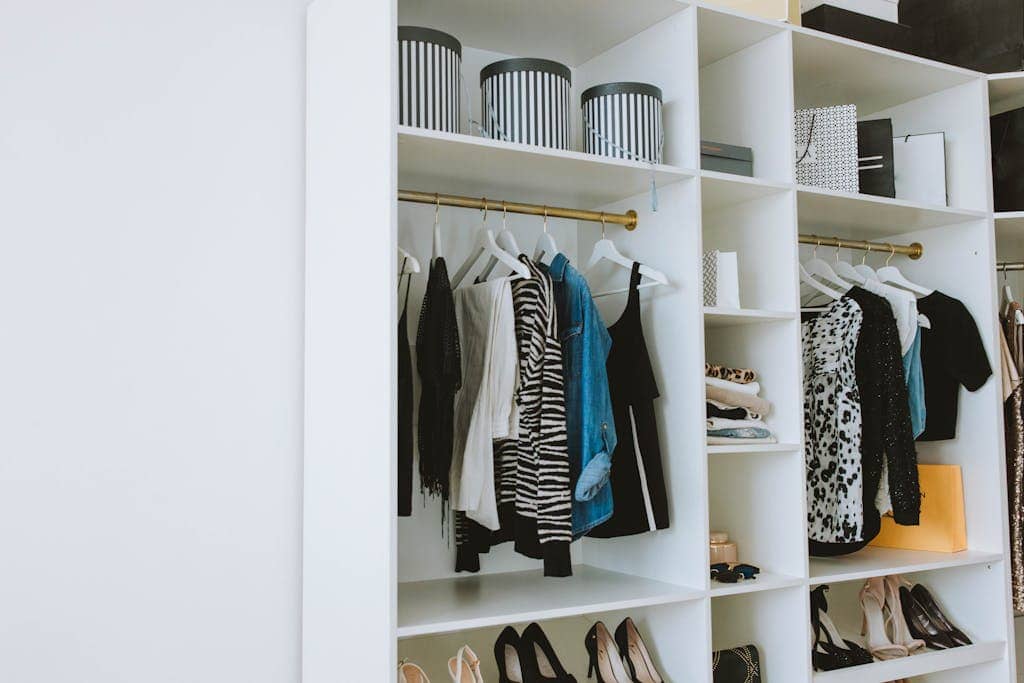
The closet smells faintly of dry-cleaning chemicals and cedar blocks. Jackets still hang neatly beside dresses once tied to meetings, conferences, and office routines. Retirement makes many professional clothes unnecessary almost overnight.
Statista reports that the global secondhand apparel market was valued at $256 billion in 2025, showing that demand for quality used fashion remains strong. Women often spend years building wardrobes that reflect their identity and achievement.
That makes selling designer items feel personal. Yet luxury resale platforms can return up to 85% of an item’s value. Those clothes may serve retirement better as cash than as reminders hidden in garment bags.
The books and media collections gathering dust

Old DVDs and vinyl albums fill cupboards below, and the scent of deteriorating paper wafts from crammed shelves. Decades-old collections can have a reassuring, almost protective quality.
Then, downsizing for retirement necessitates difficult decisions about space. Vinyl record sales hit 43.6 million units in 2024, according to Media Access data, as younger consumers once again increased their desire for analog media.
The value of ancient collections was altered by that resurrection. These days, collectors who are prepared to spend a lot of money are drawn to rare DVDs, vintage LPs, and early print books. The memories associated with a collection are not lost when a portion of it is sold. It merely enables those recollections to support the subsequent phase of existence.
The risky stocks that keep stealing sleep

The blue light from a tablet flickers across the room while stock prices swing late into the night. Retirement changes how risk feels because there is less time to recover from losses.
Research cited by Media Access noted Tesla shares dropped sharply after peaking in April 2025, reminding retirees how quickly gains can disappear. T. Rowe Price recommends shifting many retirement portfolios toward safer mixes with more bonds and cash between ages 60 and 69.
Women already retire with smaller average balances, making sharp downturns more damaging. Selling volatile holdings can feel boring compared with chasing growth, yet stability often matters more once paychecks stop.
The furniture that no longer fits the next chapter

The scrape of heavy dining chairs across hardwood floors suddenly feels louder in a smaller condo or apartment. Large sectionals, oversized hutches, and extra bedroom sets often become burdens during retirement moves.
According to figures shared by Media Access, used furniture often sells for 50% to 70% of its original value when priced fairly. That money adds up faster than many retirees expect.
Yahoo Finance reported that estimated out-of-pocket healthcare costs for a 65-year-old retiree could reach $172,500 over the course of retirement. Selling bulky furniture may seem minor compared to those numbers, yet every extra thousand dollars creates more flexibility for future medical bills.
The toys packed away for “someday”

The plastic smell of old action figures and dolls rises from bins stored deep in the attic. Many mothers keep childhood toys, thinking grandchildren may want them later. Sometimes they do, but often they do not.
Collector demand has transformed certain toys into valuable items, especially pieces from the 1980s that are still in their original packaging, according to Media Access. That surprise value changes the conversation around old keepsakes.
Rare playsets, fast food toys, and vintage figures can bring in meaningful cash during retirement. Keeping every box out of guilt or nostalgia may cost more than expected, especially when storage space becomes smaller and more expensive.
The kitchen and household extras nobody uses

The clatter of unused china and duplicate kitchen gadgets fills cabinets already packed too tightly. Retirement often exposes how many household items sit untouched for years.
Research from Platform Home Ownership found downsizers made up 37% of UK homebuyers in 2025, showing how common smaller living spaces have become later in life. Garage sales and resale apps rarely feel glamorous, yet they can quietly generate hundreds of extra dollars.
Healthcare costs continue to consume a large share of retirees’ budgets, leaving less room for waste. Selling excess dishes, appliances, and decor clears both physical clutter and financial pressure.
Disclaimer – This list is solely the author’s opinion based on research and publicly available information. It is not intended to be professional advice.
Like our content? Be sure to follow us