Wall Decor Mistakes Boomers Still Make
Perfection is achieved, not when there’s nothing left to add, but when there’s nothing left to take away.” — Antoine de Saint-Exupéry
Decorating your walls seems simple: hang what you love, right? Yet decades of accumulated habits can leave even cherished homes feeling cluttered, busy, or visually disjointed. Many boomers grew up in an era when oversized prints, wallpaper borders, and heavy frames were stylish, but today’s interiors favor balance, intentionality, and clean presentation.
Even beloved pieces can feel out of place if displayed incorrectly, leaving rooms less functional and less inviting. Modern design emphasizes subtraction over accumulation: keeping what matters and removing what distracts. Below are common wall decor mistakes boomers still make, along with how to fix them without losing personality.
Hanging Art Too High

Many boomers still place art at the top of a wall, often far above eye level. Eden House of Art recommends that the average person naturally views wall art at eye height—around 57 to 60 inches from the floor. When artwork is too high, it disconnects from the room, making the space feel disjointed.
A simple fix is to align the center of your piece with eye level. Grouping smaller frames in a gallery wall can also help create visual balance. Designers note that this trick instantly modernizes a space without removing beloved pieces.
Overcrowding Walls
Years of collecting art, diplomas, and knick-knacks can tempt homeowners to fill every inch of wall space. While wall clusters were once a mark of sophistication, today, less is more.
Janet Dunn from Houzz found that people perceive uncluttered walls as more calming and stylish. Leaving negative space around artwork allows each piece to breathe and creates a cohesive look. Consider rotating pieces seasonally instead of displaying everything at once.
Relying on Heavy Frames
Thick, ornate frames were once synonymous with elegance, but they can feel dated in modern interiors. Lighter, simpler frames—think slim metal or wood—allow the artwork itself to shine. Interior stylist Emily Henderson says heavy frames can make even beautiful pieces look bulky and old-fashioned.
Updating frames doesn’t require replacing art; simply swapping out frames can transform the aesthetic. Mix textures to keep the look dynamic, pairing metal frames with wooden elements for warmth and contrast.
Using Wallpaper Borders

Wallpaper borders were wildly popular in the ’70s and ’80s, but today they’re often seen as outdated. Instead, use accent walls or framed artwork to create visual interest. Even a small pop of wallpaper behind a shelf or in a nook provides texture without overwhelming the space. Transitioning away from borders can modernize a home while preserving classic design elements.
Neglecting Wall Texture and Lighting
Boomers often forget that walls aren’t just surfaces; they interact with light and room texture. Harsh overhead lighting can flatten paintings and prints, while textured walls can add depth if highlighted correctly. Layering lighting—using wall sconces, picture lights, or even LED strips- brings artwork to life.
Ignoring Cohesion
Finally, many boomers mix styles, floral prints with modern abstracts, heavy frames with minimalist furniture, without considering the overall flow. Cohesion doesn’t mean everything matches, but pieces should complement each other in scale, color, or theme.
Tools like mood boards or digital room planners help visualize how elements work together. Interior designer Nate Berkus emphasizes that intentional placement creates harmony, even when blending old favorites with modern pieces.
Clinging to Outdated Trends
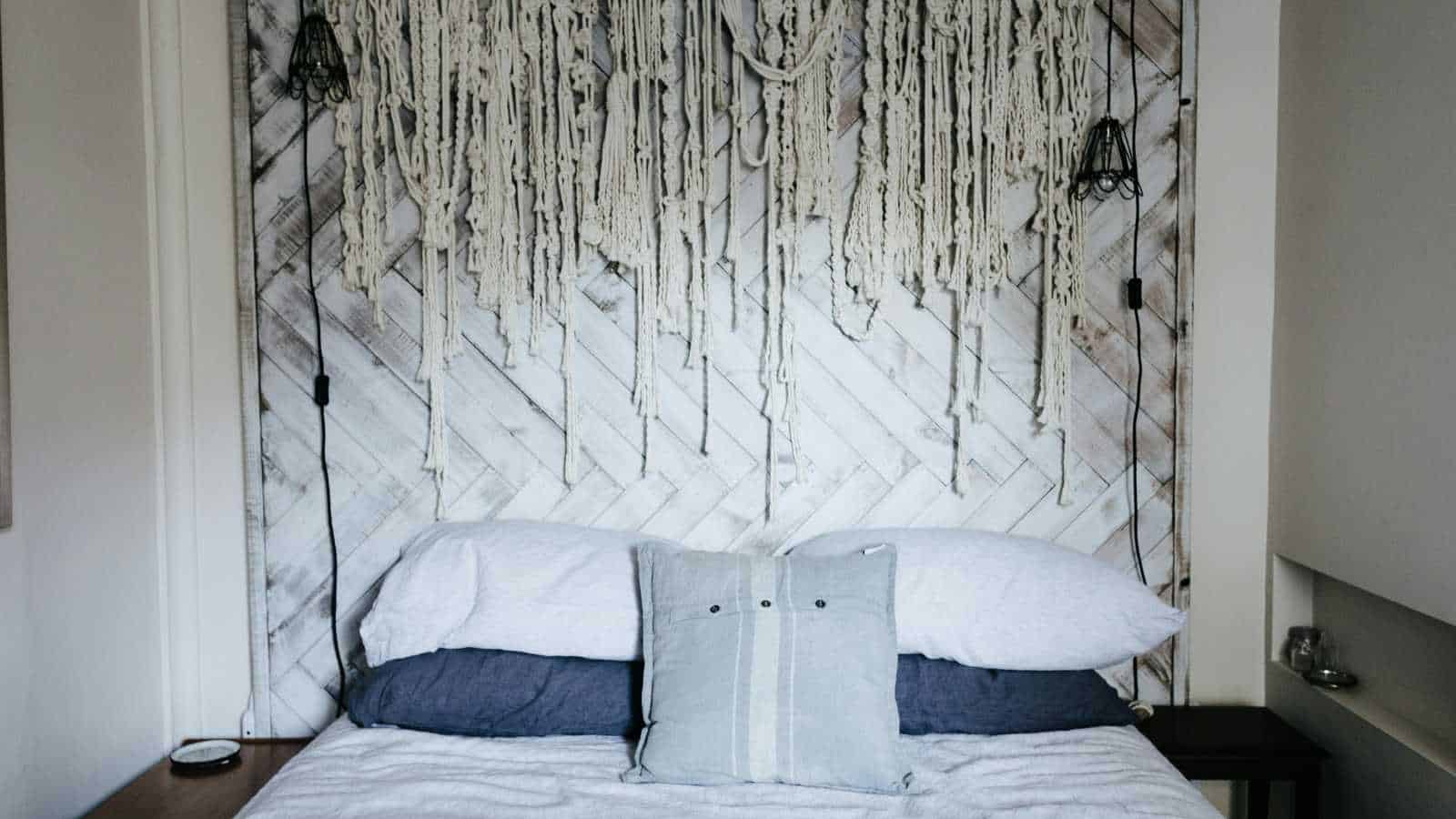
Macramé wall hangings, satin photo mats, or neon floral prints.
While these items hold sentimental value, displaying them prominently can make a space feel frozen in time. One solution is to integrate vintage pieces subtly among modern decor. Rotating older trends into temporary displays allows personal history to shine without overwhelming a room.
Forgetting Scale and Proportion
A tiny print over a large sofa or a massive painting in a small nook creates visual tension. Interior designers recommend scaling art to surrounding furniture and room dimensions.
A simple rule: the art’s width should occupy 60–75%of the wall space above furniture. Adjusting the scale ensures harmony and makes rooms feel thoughtfully arranged.
Overlooking Personalization Through Minimalism
Finally, some boomers fill walls with generic art or collections rather than meaningful items. Minimalism isn’t about emptiness; it’s about highlighting what truly matters. Choosing fewer, more personal pieces can make a room feel intentional and lived-in.
Framing family photos, travel souvenirs, or personal achievements in a cohesive style creates depth without clutter. Minimalist personalization allows memories to shine without overwhelming the space.
Key Takeaway
Updating wall decor isn’t about erasing memories; it’s about presenting them in a way that feels fresh and intentional. By adjusting height, spacing, frames, and lighting, boomers can modernize their walls while keeping the pieces they love.
Small changes can create a significant impact, turning cluttered or outdated walls into a curated gallery that reflects personality and style.
Disclosure line: This article was developed with the assistance of AI and was subsequently reviewed, revised, and approved by our editorial team.
20 Odd American Traditions That Confuse the Rest of the World

20 Odd American Traditions That Confuse the Rest of the World
It’s no surprise that cultures worldwide have their own unique customs and traditions, but some of America’s most beloved habits can seem downright strange to outsiders.
Many American traditions may seem odd or even bizarre to people from other countries. Here are twenty of the strangest American traditions that confuse the rest of the world.