Were you hurt by a church? 10 ways the damage can follow you
When harm comes wrapped in holiness, it can quietly reshape how a person understands trust, worth, and safety for the rest of their life.
We often think of a sanctuary as a safe harbor where we can drop our guard and find some peace from the chaos of daily life. But for many people, that sense of safety has been shattered by the very place designed to offer it. When spiritual communities become sources of pain rather than healing, the emotional fallout can be devastating and linger for decades.
This isn’t just about someone getting their feelings hurt during a committee meeting or disagreeing with a sermon choice. We are talking about deep, psychological wounds that fundamentally alter how a person views themselves and the world around them. The impact of this betrayal often ripples out into every area of life, affecting relationships, self-worth, and mental stability.
Erosion Of Trust In Authority Figures
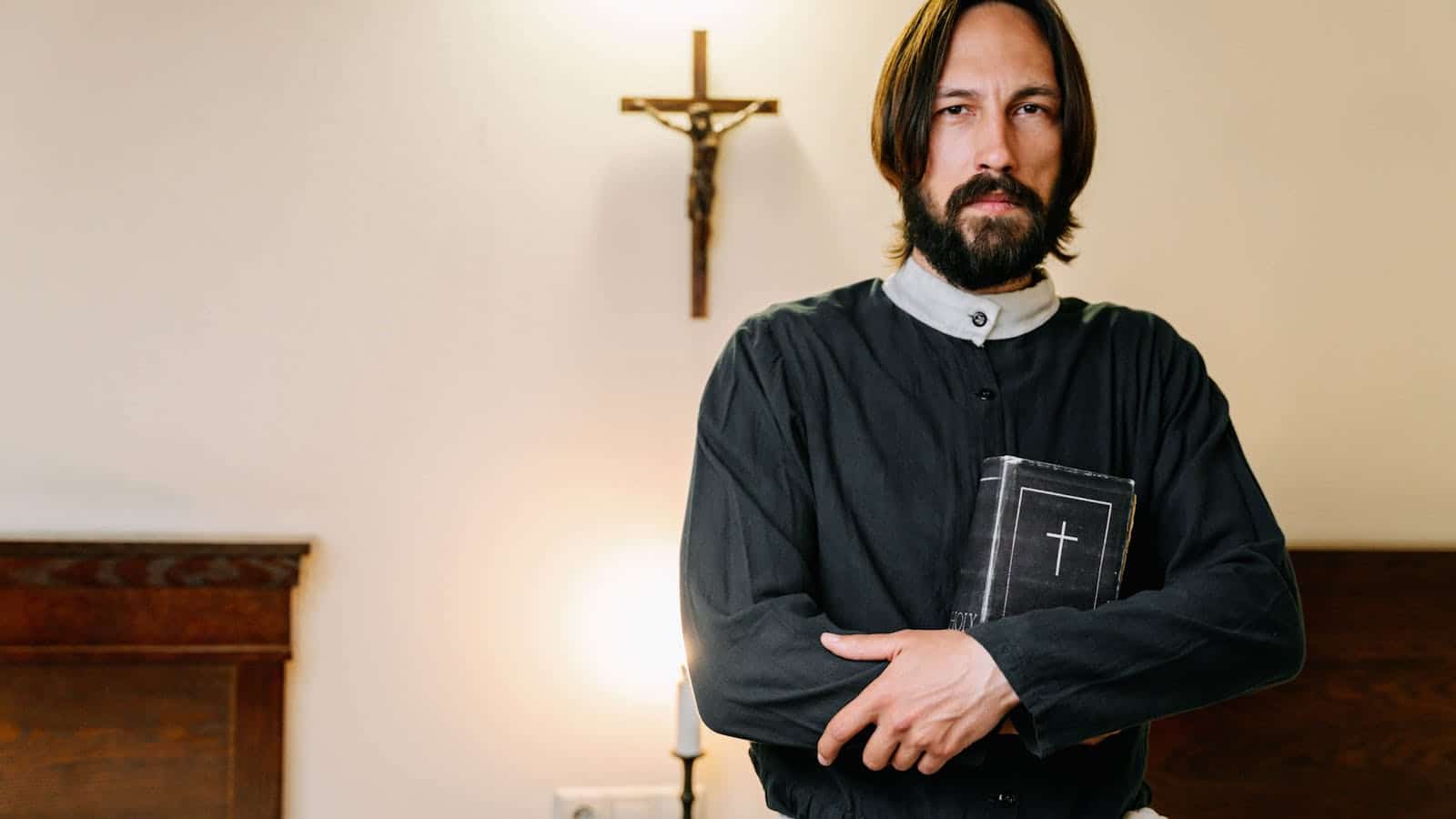
When a pastor or leader uses their position to manipulate or harm, it destroys a person’s ability to trust anyone in charge. You start to view every boss, teacher, or mentor with deep suspicion because your primary model of authority turned out to be unsafe. This skepticism makes it incredibly hard to form healthy mentor relationships or respect leadership in a workplace setting later in life.
The damage is often compounded because these leaders spoke for God, making the betrayal feel cosmic in scale. According to an NIH study, approximately one-third of U.S. adults have experienced some form of religious trauma. This staggering number explains why so many people now instinctively recoil when anyone tries to exercise authority over them.
Deep Sense Of Isolation And Loneliness

Leaving a high-control religious group often means losing your entire social network in a single afternoon. You go from having a built-in community of friends and support to having absolutely no one to call when things get tough. This sudden solitude can trigger severe depression as you realize your previous friendships were conditional on your compliance.
The loneliness is specific and biting because you feel like an alien in the “secular” world you were warned about. It takes a long time to learn how to make friends without the instant connection of shared belief. Many survivors find themselves drifting on the edges of social groups, terrified to get close enough to be hurt again.
Chronic Feelings Of Shame And Guilt

Many toxic church environments use shame as a primary tool to keep members in line and obedient. You might find yourself apologizing for simply existing or feeling guilty for enjoying normal human experiences like a Sunday morning sleep-in. This internalized shame voice doesn’t just turn off the moment you stop attending services.
Rewiring your brain to stop scanning for sin in every thought is a massive undertaking that takes years of work. Research from the Word In Black in 2024 revealed that nearly 40% of people who stopped attending church cited “personal hurt” as a primary reason. That hurt often manifests as a lingering feeling that you are fundamentally flawed or “bad” at your core.
Struggle With Decision Making

High-control groups often dictate every aspect of life, from who to date to what career to pursue. When you finally leave, the freedom to choose can feel paralyzing because you never flexed that muscle. You might find yourself freezing up over small choices like what to watch on TV or what to eat for dinner.
This paralysis comes from a fear that making the “wrong” choice will lead to disastrous, even eternal, consequences. You spend hours overthinking simple problems because you were taught that one misstep could ruin your life. Learning to trust your own gut instinct is a slow and often terrifying process.
Hypervigilance And Anxiety

The nervous system of a church-hurt survivor is often stuck in a permanent state of fight or flight. You are constantly waiting for the other shoe to drop or for someone to reveal their true, nasty colors. This hypervigilance is exhausting and drains the energy you need for your job, family, and hobbies.
It is common to have physical reactions to triggers like specific songs, smells, or even certain tones of voice. A March 2024 report from PRRI found that 31% of religiously unaffiliated Americans left their childhood faith specifically due to clergy misconduct or abuse scandals. The body remembers the stress of those environments even long after the mind has decided to move on.
Loss Of Meaning And Purpose

Your faith likely provided a clear roadmap for your life and a sense of destiny that felt secure. When that map is torn up, you are left staring at a blank page, wondering what the point of anything is. This existential crisis can lead to a sense of nihilism where nothing feels important or worth doing.
Rebuilding a sense of purpose without a religious framework is one of the hardest tasks for a survivor. You have to construct your own meaning from scratch, which is both freeing and absolutely terrifying. Many people spend years floating before they find a cause or passion that anchors them again.
Difficulty Forming Healthy Relationships

If your church taught that love is conditional on good behavior, you likely brought that pattern into your romantic life. You might find yourself people-pleasing to an extreme degree to avoid rejection or abandonment. Alternatively, you might put up walls so high that no partner can ever truly get close to you.
The warped view of love modeled in toxic churches often conflates abuse with discipline or concern. Some churchgoers may stop attending because of personal conflict or painful experiences. These painful experiences often teach survivors that vulnerability is dangerous and that love is always accompanied by pain.
Financial Anxiety And Hoarding

Many toxic churches put immense pressure on members to give money, sometimes even when they can’t afford it. Survivors often develop a scarcity mindset, terrified that they will run out of resources if they aren’t constantly saving. This can manifest as extreme frugality or a refusal to spend money on self-care or enjoyment.
The trauma of having your financial security threatened by spiritual guilt trips runs deep. You might hoard money as a way to build a wall of safety that no one can breach. It takes time to view money as a tool for living rather than a shield against disaster.
Cynicism Toward All Institutions

Once you see how the sausage is made in a corrupt religious organization, it is hard to unsee it elsewhere. You start to spot the same manipulation tactics in corporations, political parties, and even local community groups. This cynicism protects you, but it also keeps you from engaging in groups that could actually be good for you.
Living with a permanent arched eyebrow makes it hard to feel hope about societal change or progress. Gallup reported that only 32% of Americans express a great deal of trust in the church, a figure hovering near historic lows. This lack of trust often bleeds into a general distrust of any organized group claiming to do good.
Grief For The Lost Years

There is a specific type of mourning that comes when you realize how much time you gave to a system that hurt you. You grieve the youth group trips, the volunteer hours, and the relationships that turned out to be hollow. This anger is valid, but it can turn into bitterness if it isn’t processed with care.
Looking back at your younger self with compassion is key to moving through this stage of healing. The Pew Research Center found in 2024 that 28% of the U.S. population is now religiously unaffiliated, a group largely composed of people walking away from their past. You are not alone in having to grieve the version of your life that you thought you were building.
Reader question: Have you ever experienced church hurt—and if so, did its effects follow you even after you left?
You may want to read:
- 12 reasons more people are turning to atheism today
- 12 Ancient Prophecies That Seem To Reflect Modern Life
- 10 Lessons From The Bible That Make Sense Even Outside Religion
- 12 People God Welcomes and Those He Turns Away
- Author