Where Would Americans Hide If Society Collapsed?
Germany in 1923 saw savings vanish overnight; Zimbabwe in 2008 forced barter and reliance on foreign currency; Venezuela in 2018 drove millions to migrate.
According to the United Nations Migration Report 2024, North America alone hosts 61 million international migrants, a signal of resource pressure if U.S. society collapses.
For Americans anticipating societal collapse, the question isn’t “where is beautiful?” but “where will survival be possible without dollars?” Below are ten international refuges informed by real-world crises, migration flows, and economic lessons.
Yukon & British Columbia Interior, Canada
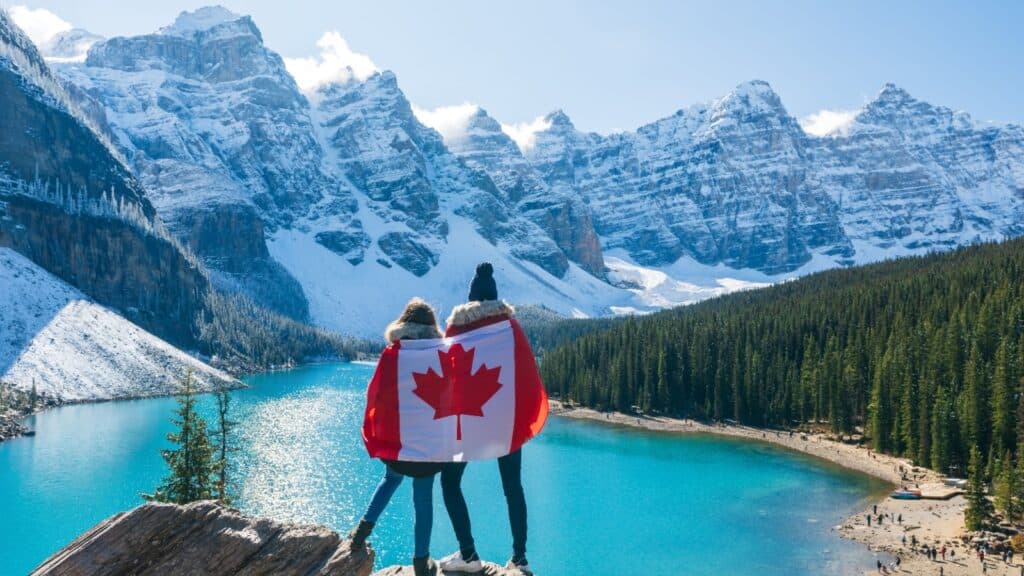
Zimbabwe’s collapse shows that cash disappears fast, but barterable goods persist. Sparse population reduces resource competition, echoing Germany’s 1923 rural survival advantage. Off-grid cabins and local barter systems create functional micro-economies independent of currency. Harsh winters deter mass migration, keeping resources locally accessible.
Proximity to U.S. borders allows limited access to supplies without full exposure. Yukon combines isolation with practical logistics, replicating historical survival patterns.
South Island, New Zealand & Remote Valleys
Hyperinflation in Germany destroyed urban wealth first; rural areas endured longer. New Zealand’s valleys offer self-sufficient farming fed by glacier streams and rainfall. Migration data indicate that low-density countries like New Zealand absorb crises efficiently, limiting external strain.
Political stability shields communities from looting and unrest, a lesson from Venezuela’s urban collapse. River-fed irrigation allows crops to thrive even if imports vanish. Integration requires cooperation, but locals’ self-reliance creates robust, cash-free networks. For Americans, these valleys offer security, resources, and relative predictability.
Patagonia & Andes Foothills, Chile
Patagonia’s sparsely populated mountains and rivers mitigate that risk. Wild game and river ecosystems provide reliable food sources, even if supply chains collapse. Sparse settlements maintain local barter, preventing resource grabs common in hyperinflation crises.
Migration data show Americans fleeing systemic collapse prioritize low-population, resource-rich regions. Extreme weather tests resilience, filtering those prepared for long-term survival. Andes foothills turn natural resources into tangible currency, reducing reliance on dollars. Patagonia’s geographic isolation offers strategic security against mass migration.
Northern Fjords & Interior Highlands, Norway
Norway’s renewable energy infrastructure mirrors historical lessons: energy independence sustains survival when money collapses. Population density is extremely low, reducing competition for essential goods.
Historical patterns show rural areas weather crises better than cities. Harsh climate discourages the influx of outsiders while preserving food stocks. Norway’s fjords combine energy, food, and isolation with historical insights into survival.
Tasmania & Outback, Australia
Venezuela’s oil dependence highlights the danger of relying on a single commodity. Tasmania offers fertile farmland, while the Outback provides extreme isolation from social unrest. Sparse populations limit resource competition, echoing rural survival advantages of historical collapses.
Southern hemisphere location buffers against northern hemisphere crises or migration pressure. Communities already practice off-grid living, creating local survival economies. Tasmania blends comfort with defensible resources; the Outback maximizes security at the cost of harsh living.
Iceland’s Rural Interior & Coastal Villages
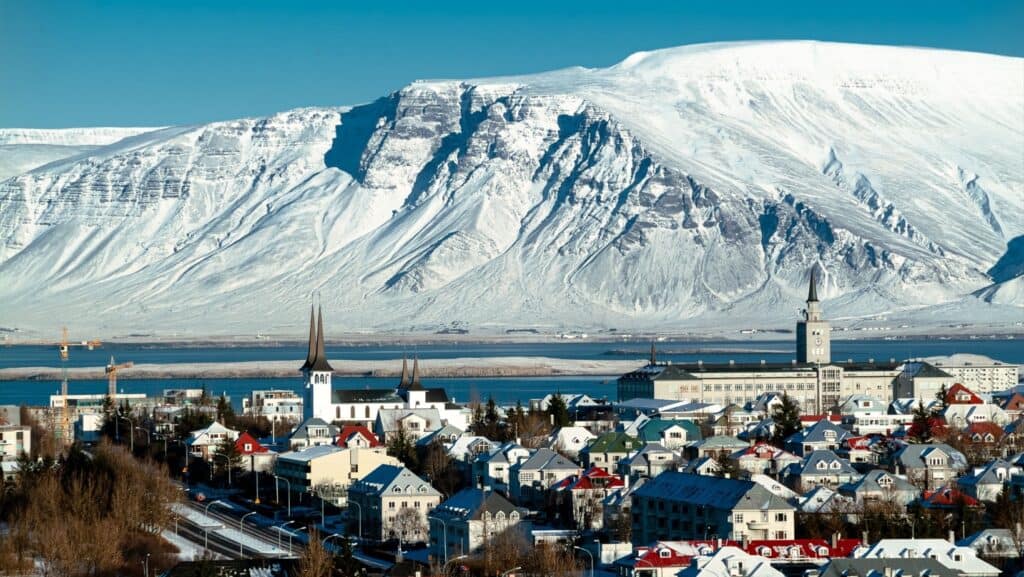
Low population density preserves resources and reduces social tension. Communities already integrate off-grid living and barter systems. Harsh climate slows disease transmission and discourages mass migration.
Historical crises show that access to real resources beats currency; Iceland exemplifies this principle. Isolation reduces geopolitical exposure, keeping survival more predictable. For Americans, Iceland offers self-reliance, energy security, and low-risk migration.
Uruguay Countryside & Small Farms
Uruguay’s political stability and small population reduce the risk of conflict during global collapse. Small, stable countries absorb newcomers more easily than crowded areas. Water security and arable land serve as tangible substitutes for currency.
Survival hinges on skill integration. Low population density ensures resources remain accessible even under strain. Uruguay is calm, predictable, and quietly resource-rich.
Interior & Mountainous Regions, Portugal
Population density remains low, providing access to resources while minimizing social conflict. Year-round arable land and isolated villages create a living buffer against global collapse. Portugal offers history, security, and practical survival potential.
Scottish Highlands & Islands
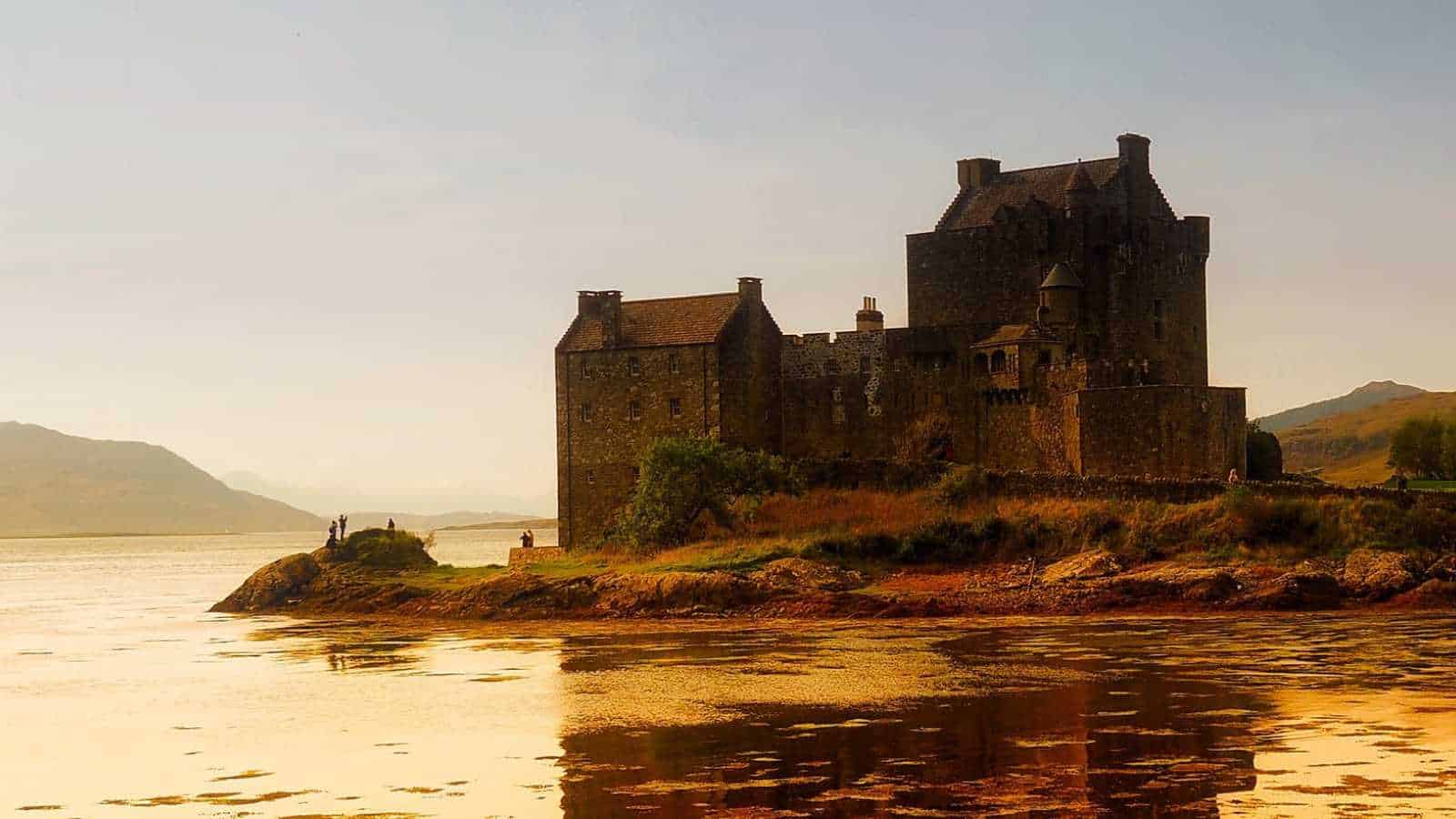
Cold climate deters migration influxes, keeping resources locally accessible. Micro-hydro, peat, and wind can power essential infrastructure. Historical collapses demonstrate that rural integration with local systems increases survival odds. Highlands combine defensibility, tangible resources, and isolation with proven survival patterns.
Costa Rica’s Southern Pacific & Mountains
Volcanic terrain enhances biodiversity and supports foraging and farming alike. Renewable energy potential reduces reliance on imported fuel. Remote mountains buffer communities from social unrest or mass migration. Here, natural resources, political stability, and prepared communities intersect for practical survival.
Key Takeaways
- Historical collapses show cash loses value, but resources retain worth.
- Americans should prioritize regions with real, tangible assets over currency.
- Low population density and resilient local communities improve survival odds.
- Renewable energy, water, and arable land are modern substitutes for “currency.”
- Integration into local networks or co-ops is essential to thrive.
- Strategic isolation reduces exposure to social unrest and migration pressure.
- Geography, history, and resource distribution dictate survival more than aesthetics.
Disclosure line: This article was developed with the assistance of AI and was subsequently reviewed, revised, and approved by our editorial team.
10 Cheapest Countries To Visit and Have a Great Time

10 Cheapest Countries To Visit and Have a Great Time
Without sugarcoating, traveling can be expensive, but that doesn’t always have to be the case. Various factors could influence how much you spend when on the move, but many expert travelers believe your choice of destination may determine how much you should be budgeting.
If you are looking for a lush, less dollar-gulping country with all the perks of unforgettable adventure, this list promises to hand you the fullness of your dream vacation without you first going broke.