Why these 12 things should always be paid for in cash
Digital payments are everywhere. We tap, swipe, and scan our way through life, making cash seem like a thing of the past. But here’s the kicker: there are still certain things that should absolutely be paid for in cash. Before you roll your eyes and think, “Who carries cash anymore?” hear me out. According to a 2022 Federal Reserve report, 26% of U.S. adults still prefer to use cash for everyday purchases.
From budgeting benefits to security, cash has its place in the modern world. So, if you want to make smarter, more secure financial decisions, here’s why these 12 things should always be paid for in cash. Trust me, you’ll thank me later.
Small, everyday purchases
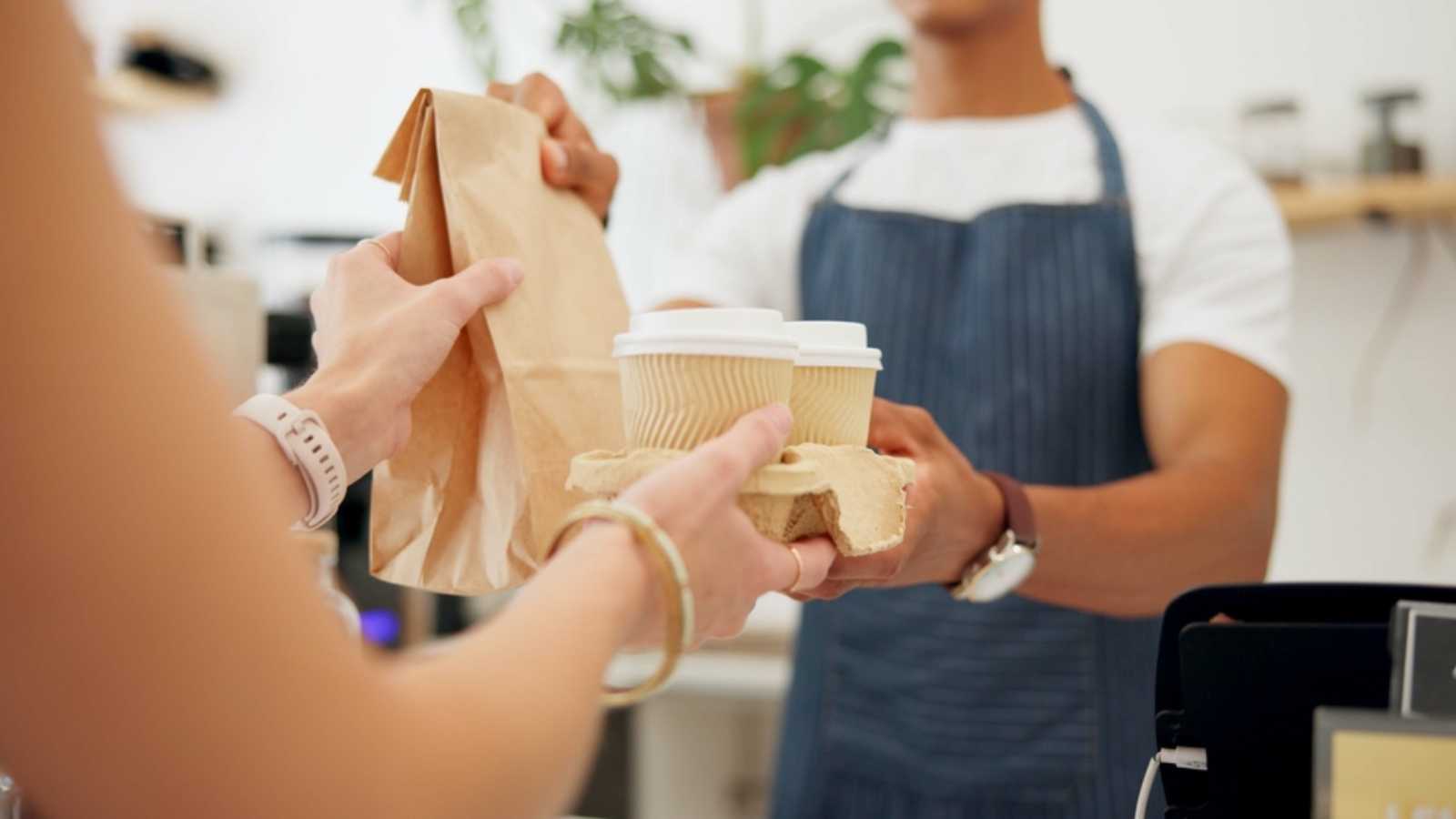
Let’s be real, small purchases add up. We’re talking about that daily coffee, the quick snack, or the impulse buy at checkout. According to a 2021 CNBC survey, people who track their spending reported that small purchases were the hardest to control.
Paying cash for these tiny transactions forces you to be more mindful. When you hand over physical money, it stings just a little more than mindlessly tapping your card. Plus, you’re likely to avoid those sneaky little purchases that don’t seem like much but drain your budget.
- Why it works: It helps with budgeting and prevents overspending
- How to nail it: Keep a set cash allowance for daily purchases
Tips for service workers
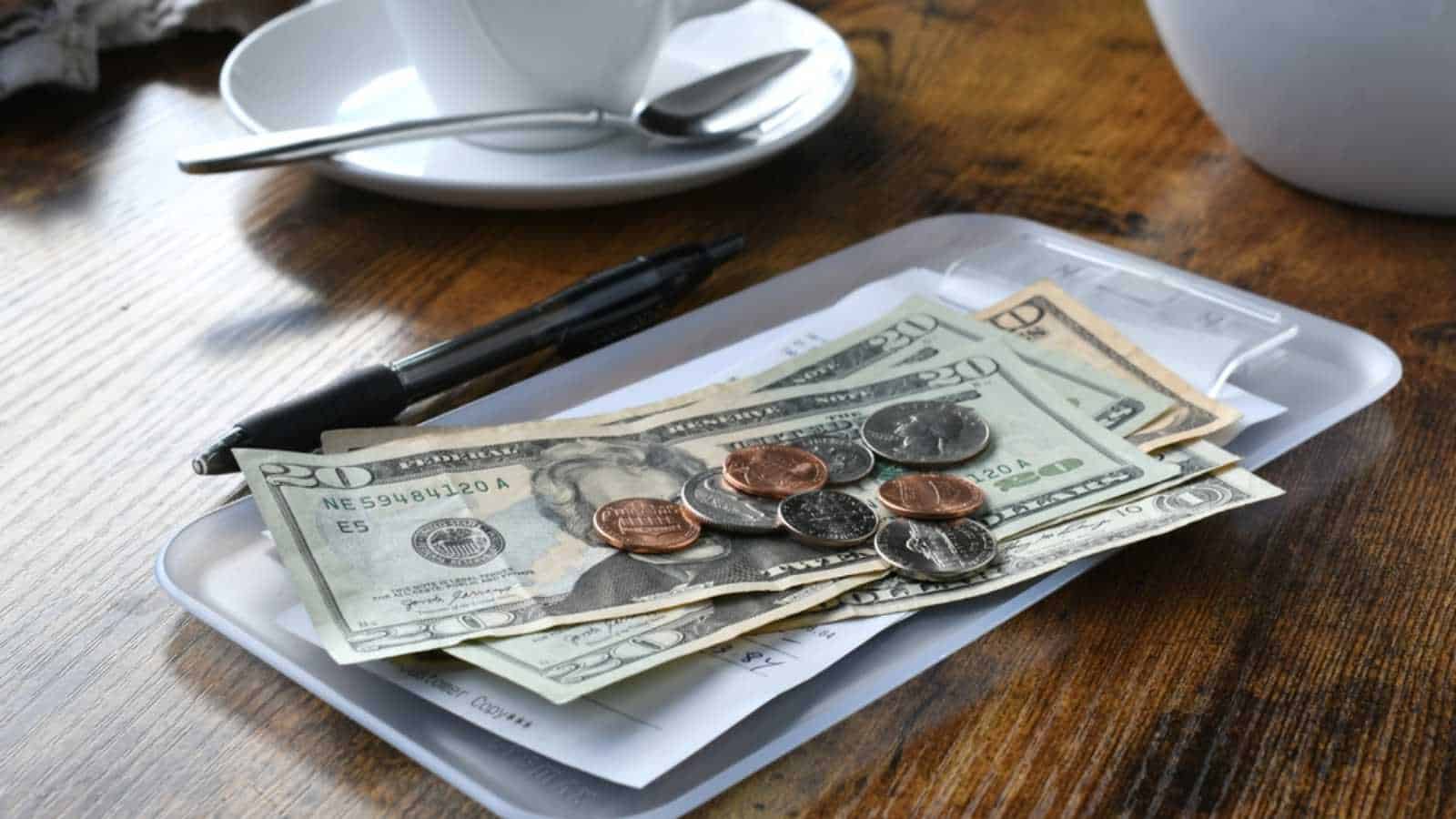
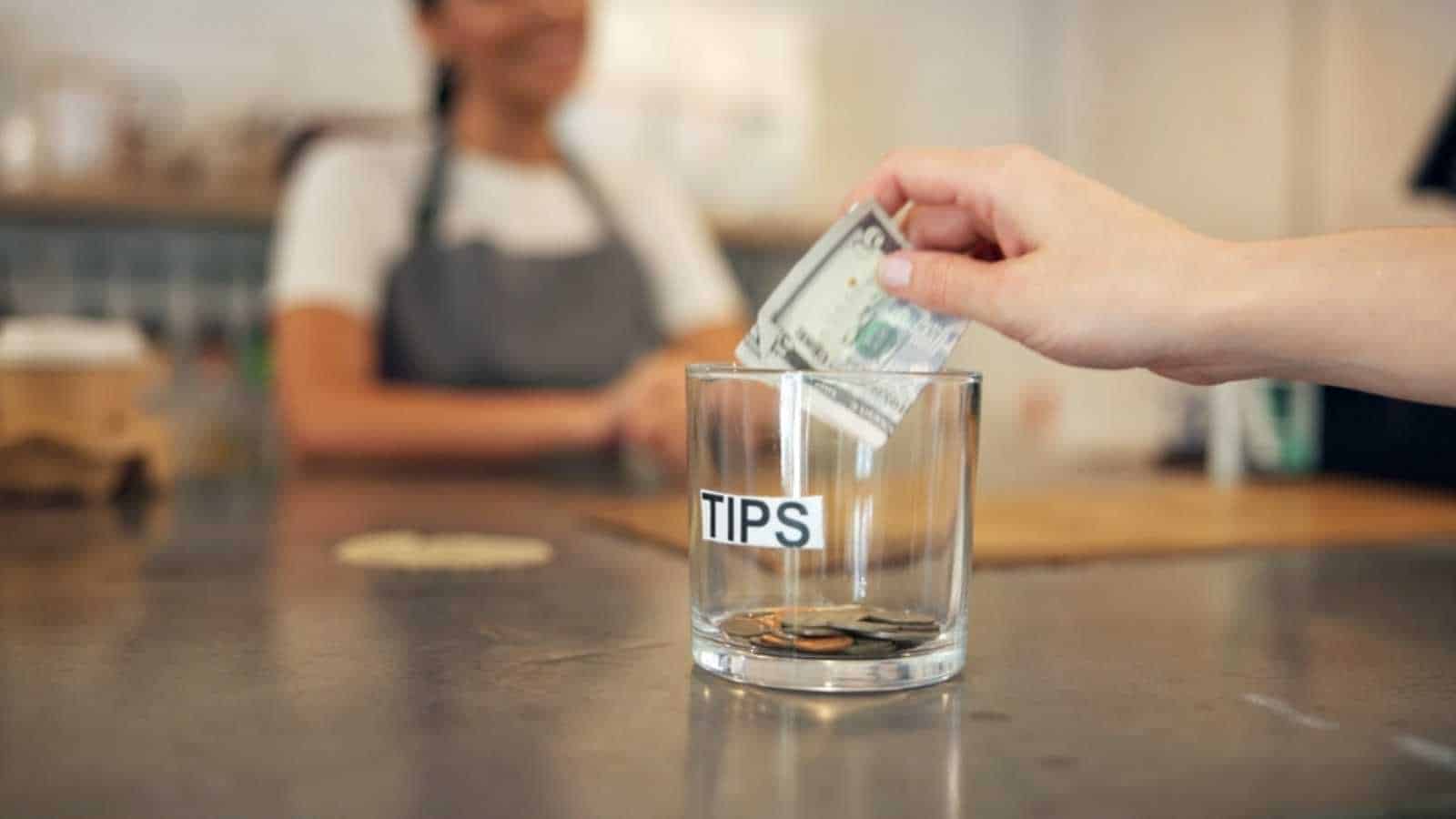
Here’s a pro tip: you know that tip you leave for the waiter, barista, or bellhop? It should always be in cash. Why? Because it’s more immediate. According to research, service workers are more likely to receive tips in cash than via card or app, which means they can keep the full amount without waiting for processing.
Cash tips are often appreciated more and can make a huge difference to those who rely on tips for a living. So, next time you’re at a restaurant, don’t just swipe your card. Keep a few bucks in cash handy; it’ll go further than you think.
- Why it works: Immediate gratification for the recipient
- How to nail it: Keep small bills in your wallet just for tips
Garage sales and flea markets
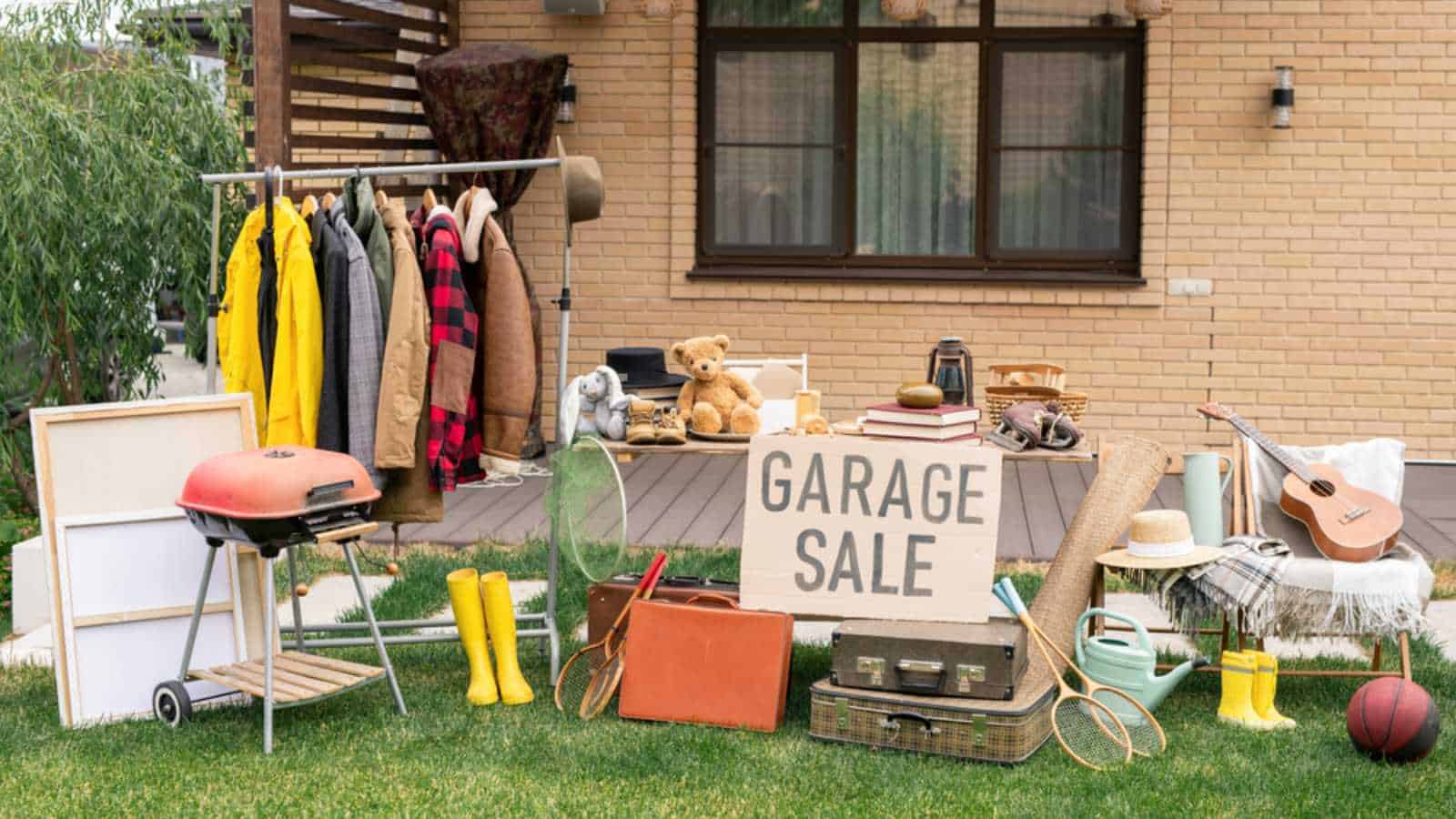
Cash is king at garage sales, flea markets, and any other cash-only spots. According to a 2019 consumer survey by the National Retail Federation, around 35% of small vendors (like those at flea markets) only accept cash, and bargaining for better deals is always smoother when you hand over bills directly.
Plus, negotiating in cash is a total power move. Ever tried haggling for a $5 item and watching the vendor suddenly throw in a bonus because you had the cash in hand? Magic.
- Why it works: Cash offers more flexibility in negotiations
- How to nail it: Keep some change in your wallet for those sweet deals
Personal loans and repayments
Let’s talk loans. Whether you’re lending money to a friend or repaying a family member, cash can be a cleaner way to handle it. 70% of Americans reported feeling uncomfortable with digital transactions for personal loans due to privacy concerns, according to a survey
Paying in cash avoids any digital footprint, keeps things simple, and helps both parties avoid misunderstandings. Plus, nothing says “I’ve got your back” like handing over cash in person.
- Why it works: No digital trail and greater clarity
- How to nail it: Agree on a fixed repayment amount and use cash for trustworthiness
Emergency expenses
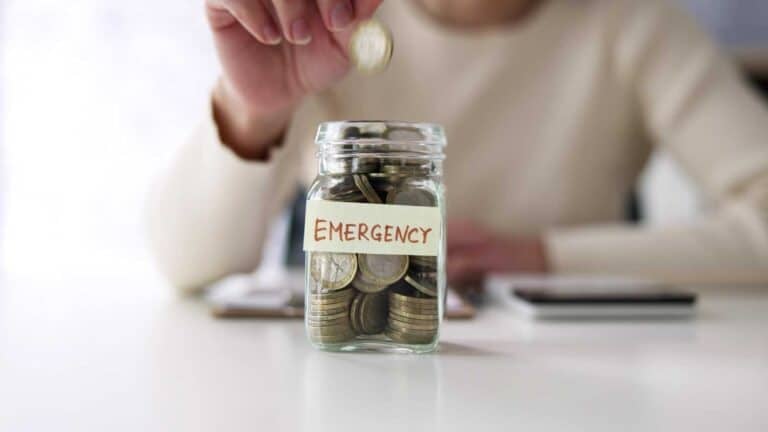
Emergencies rarely follow your plans. When something unexpected happens, like a car breakdown or an urgent medical bill, it’s better to have cash on hand. Recent data by Bankrate shows that in 2025, 27% of US adults had no emergency savings at all. Additionally, in 2025, only 41% of Americans said they would use savings to cover a $1,000 emergency expense, which is the lowest since 2021.
Having a cash stash for emergencies can save you in a pinch. Think of it as your “oops” fund that doesn’t rely on your credit card or digital accounts, which might not be available when you need them most. It’s peace of mind wrapped in a few bills.
- Why it works: Quick access to funds when everything’s going wrong
- How to nail it: Keep a small emergency cash reserve tucked away
Tips at hotels and resorts
Hotels and resorts often cater to guests who prefer paying for extra services in cash, especially for housekeeping or room service. The American Hotel & Lodging Association reports that most hotel staff prefer cash tips because they receive the full amount without waiting for it to be processed through payroll.
Next time you’re staying at a hotel, drop some cash for the housekeeping staff. It’s a simple way to show appreciation, and your gesture won’t get lost in the shuffle of credit card statements. Trust me, they notice.
- Why it works: Staff get the full amount without fees or delays
- How to nail it: Leave cash in an envelope for housekeeping or valet
Small local businesses

Cash is important when supporting small, local businesses. Many small businesses, especially those in rural areas, don’t always accept card payments or might prefer cash for simplicity. According to a 2020 study, nearly 50% of small businesses prefer cash payments to reduce transaction fees and keep their operations simple.
Paying in cash shows you’re supporting local entrepreneurs while helping them save on card fees. Plus, it keeps the community running strong!
- Why it works: It supports the local economy and reduces costs for small businesses
- How to nail it: Carry cash for your local coffee shop, bookstore, or farmers market
Split purchases with friends
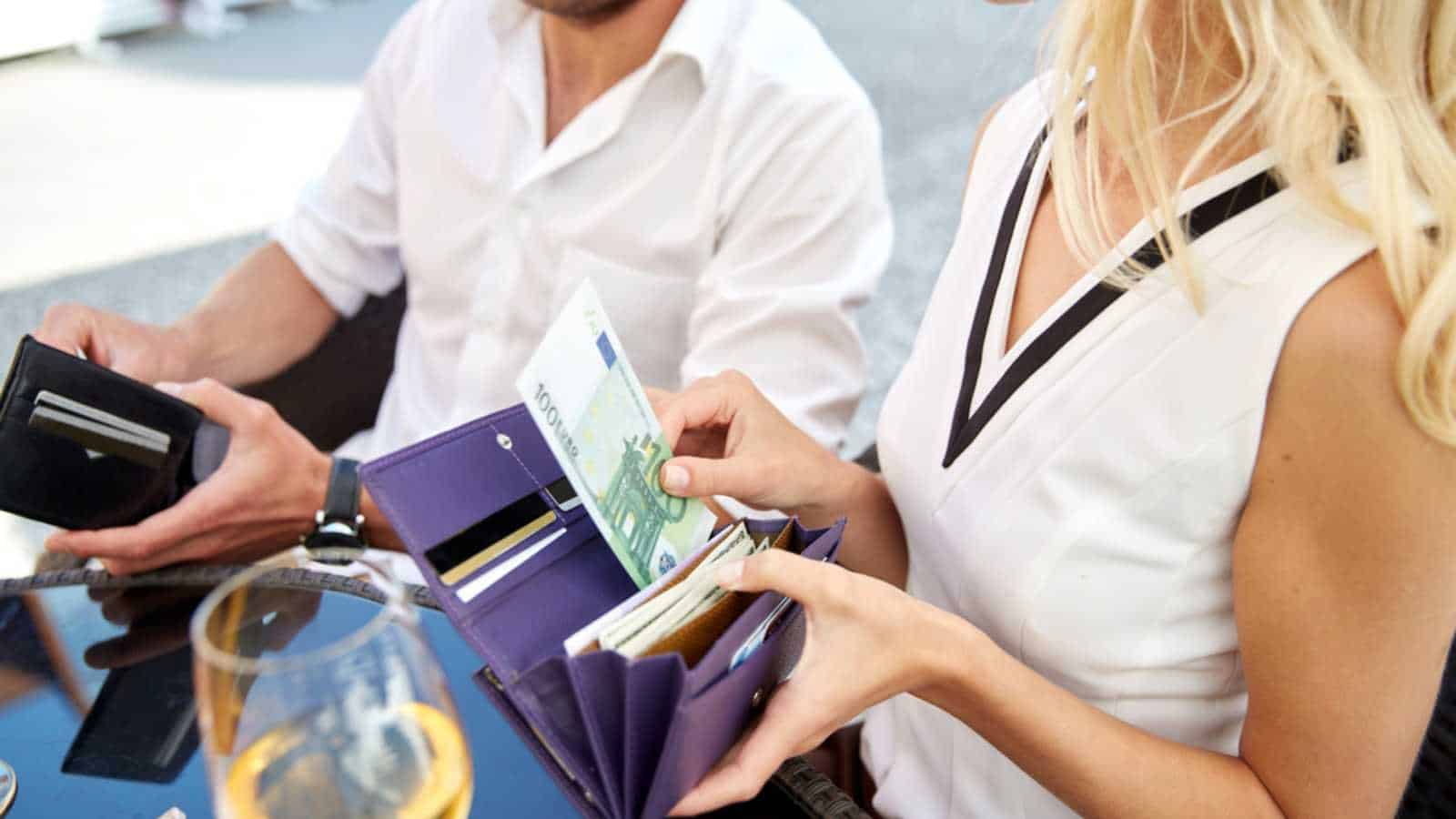
Ever been out with friends and decided to split the bill? The easiest way to avoid the whole “Who owes what?” dilemma is cash. A May 2023 Credit Karma/Harris Poll study found that 69% of Gen Z reported using cash more often than they had 12 months prior, with 59% doing so to better budget and 64% to spend less.
Handing over cash for your share of the meal or drinks avoids the “Venmo me later” situation and keeps things simple. No waiting for someone to send money or hoping they remember. It’s all handled in the moment.
- Why it works: Fast and efficient, no apps needed
- How to nail it: Keep enough cash to cover your portion of shared expenses
Taxi and ride-share tips
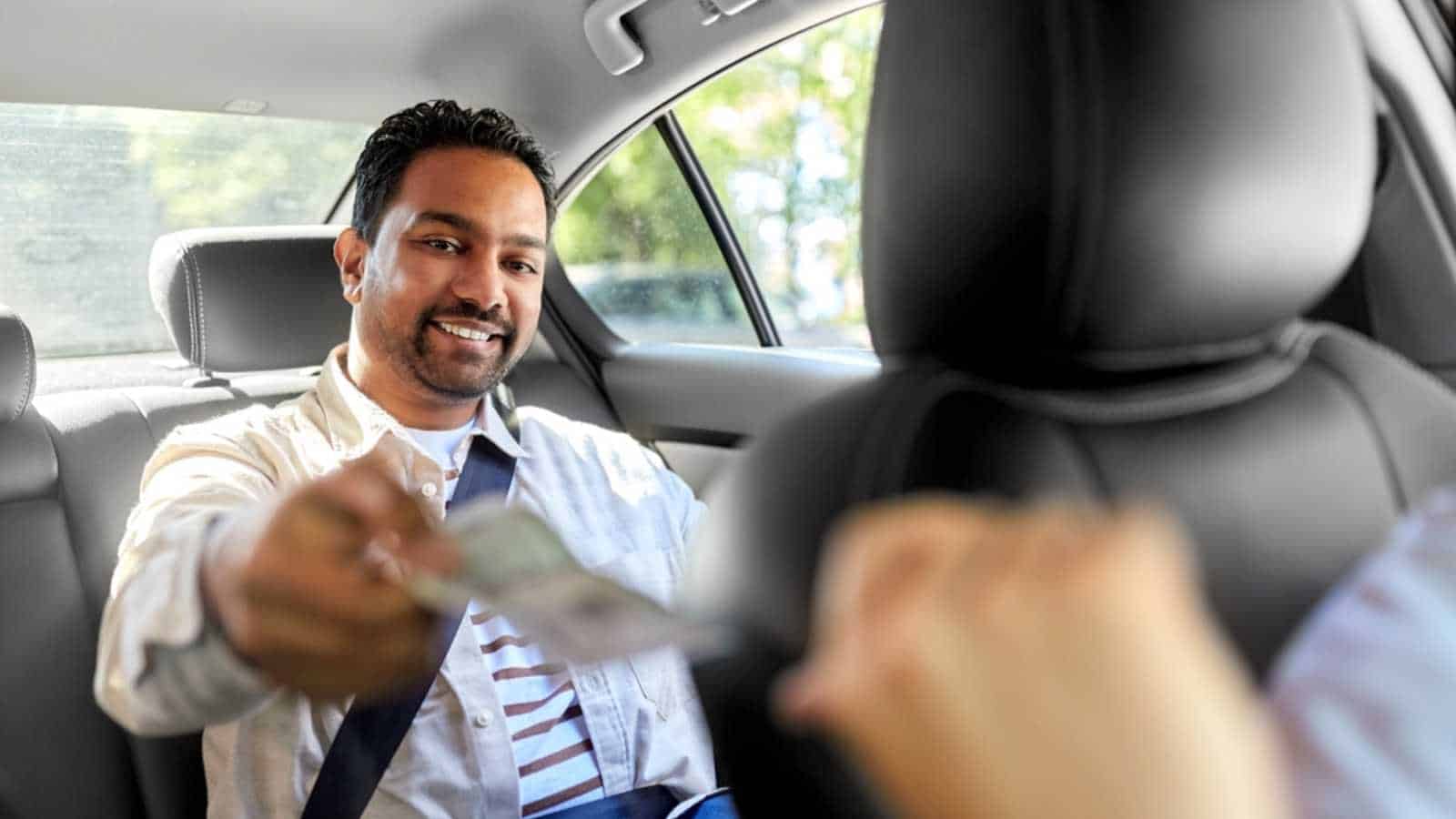
Cash is often better for tipping taxi drivers and ride-share drivers. While apps like Uber and Lyft make it easier to pay for the ride itself, drivers prefer cash tips, especially for a job well done. Surveys and driver forums indicate a strong, often overwhelming, preference for cash tips due to immediate availability, tax advantages, and avoidance of app processing delays. A 2022 survey by Driver’s Seat Cooperative found an even higher preference for cash among delivery drivers, at 78%.
Want to leave a great impression on your driver? Give them a tip in cash. It’s a small gesture that can go a long way.
- Why it works: Instant tips and no waiting
- How to nail it: Carry some small bills for those ride-share moments
Paying for a quick snack at a vending machine
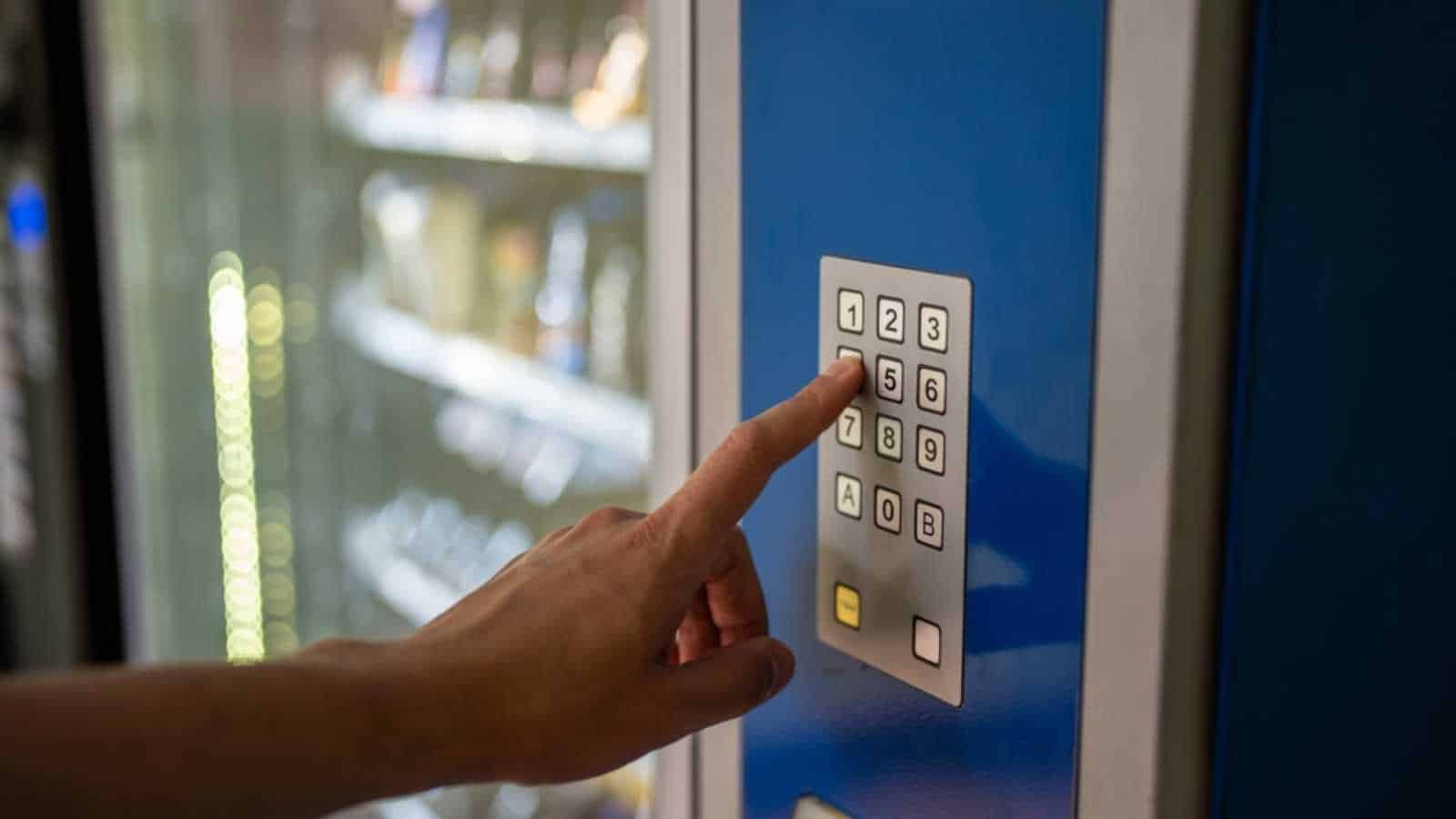
Vending machines and snack kiosks often take cash for small items. While many are moving to card readers and mobile payments, you’ll still find cash-only machines in places like gyms, airports, and office buildings. According to the Payments Industry Intelligence, nearly 50% of U.S. adults use cash for smaller purchases, such as snacks.
Keeping cash on hand for snacks makes sense when you’re in a rush and don’t want to hassle with tech, just grab your snack and move on.
- Why it works: Fast, easy, and no technology required
- How to nail it: Always have a few singles in your wallet for quick snacks
Paying for parking meters
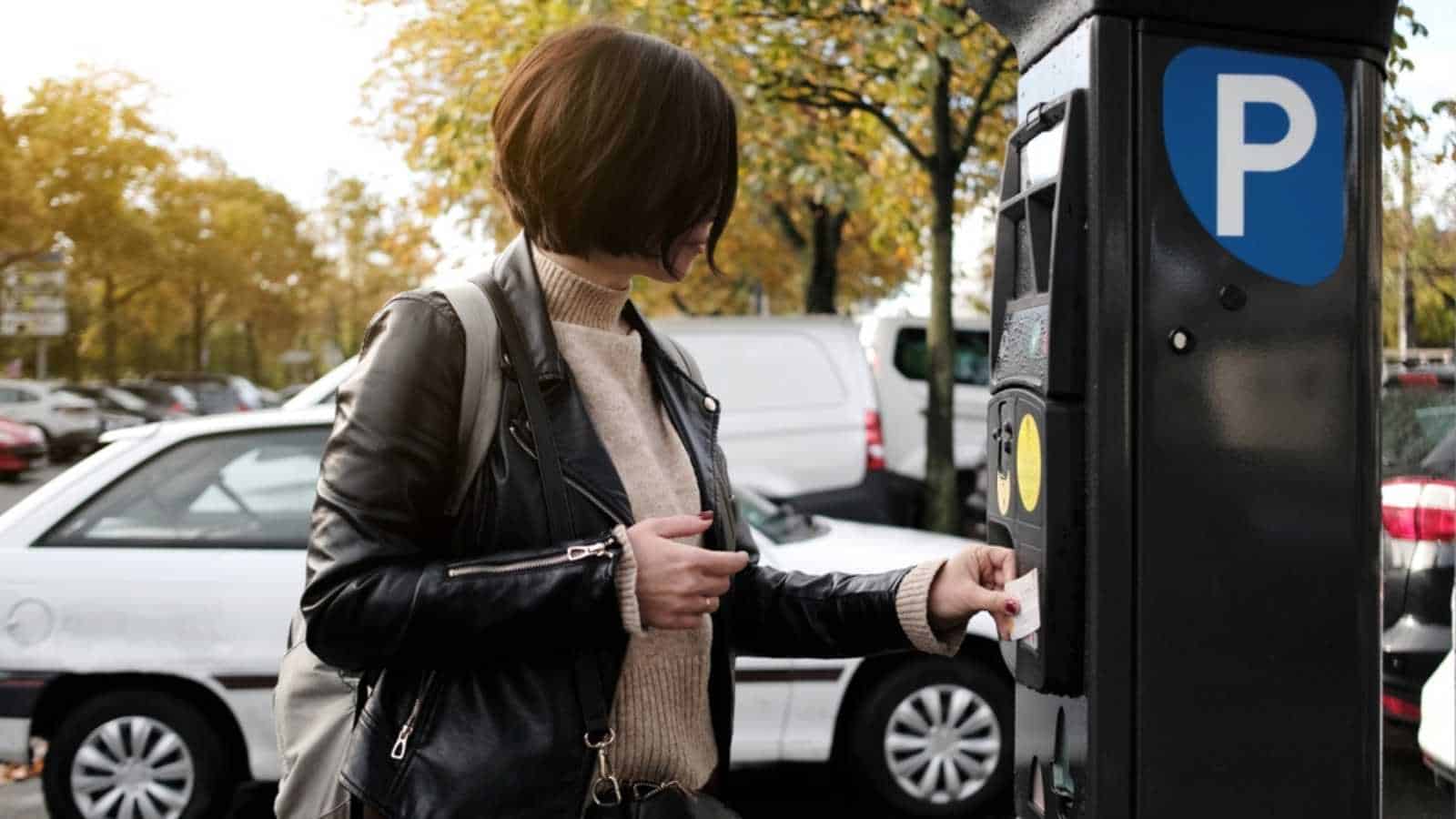
Cash still matters when paying for parking meters, especially in areas where digi‑options aren’t fully adopted or feel unreliable. According to a 2024 Parking Today survey, 14% of drivers prefer to pay with cash when given all available parking meter options, tied with digital wallets as the second most popular payment method behind apps.
Even though mobile and contactless payments are growing fast, many meters still accept coins or bills, and having cash prevents situations where the card reader or app doesn’t work. You’ve probably hit that exact frustration yourself, standing at a meter, phone dead or signal weak, wishing you had a spare buck.
- Why it works: Cash ensures you can pay even if digital systems fail or aren’t available
- How to nail it: Keep small bills and change in your car dashboard or wallet for those unpredictable parking moments
Key takeaway

Sure, digital payments are convenient, but cash still has its place. From small purchases to tipping at hotels, having cash on hand can save you time, avoid extra fees, and strengthen personal connections. So, whether you’re supporting a small business or haggling at a flea market, keep cash in your wallet for the situations that still demand it.
Next time you’re heading out, make sure you’ve got a few bucks in your pocket, you’ll be surprised at how often cash can be the easiest, smartest way to pay!
Like our content? Be sure to follow us.