Why tipping culture is making so many Americans incredibly anxious at the register
Somewhere between the cash register and the glowing tip screen, a small act of generosity quietly turned into a nationwide source of anxiety.
People grab a simple black coffee and suddenly freeze like a scared deer caught in blinding headlights at the payment terminal while collectively holding their breath. A small and seemingly innocent moment of financial exchange quickly transforms into a high-pressure ethical exam before the hot caffeine even has a proper chance to hit the paper cup.
This creeping and highly uncomfortable phenomenon currently has a firm and inescapable grip on the entire nation as regular citizens frantically scramble to figure out the new financial rules. Many deeply feel the economic pinch right now, and this persistent everyday anxiety leaves the average citizen wondering exactly how a friendly and voluntary gesture suddenly morphed into a strict societal mandate.
The Dreaded Screen Flip Maneuver
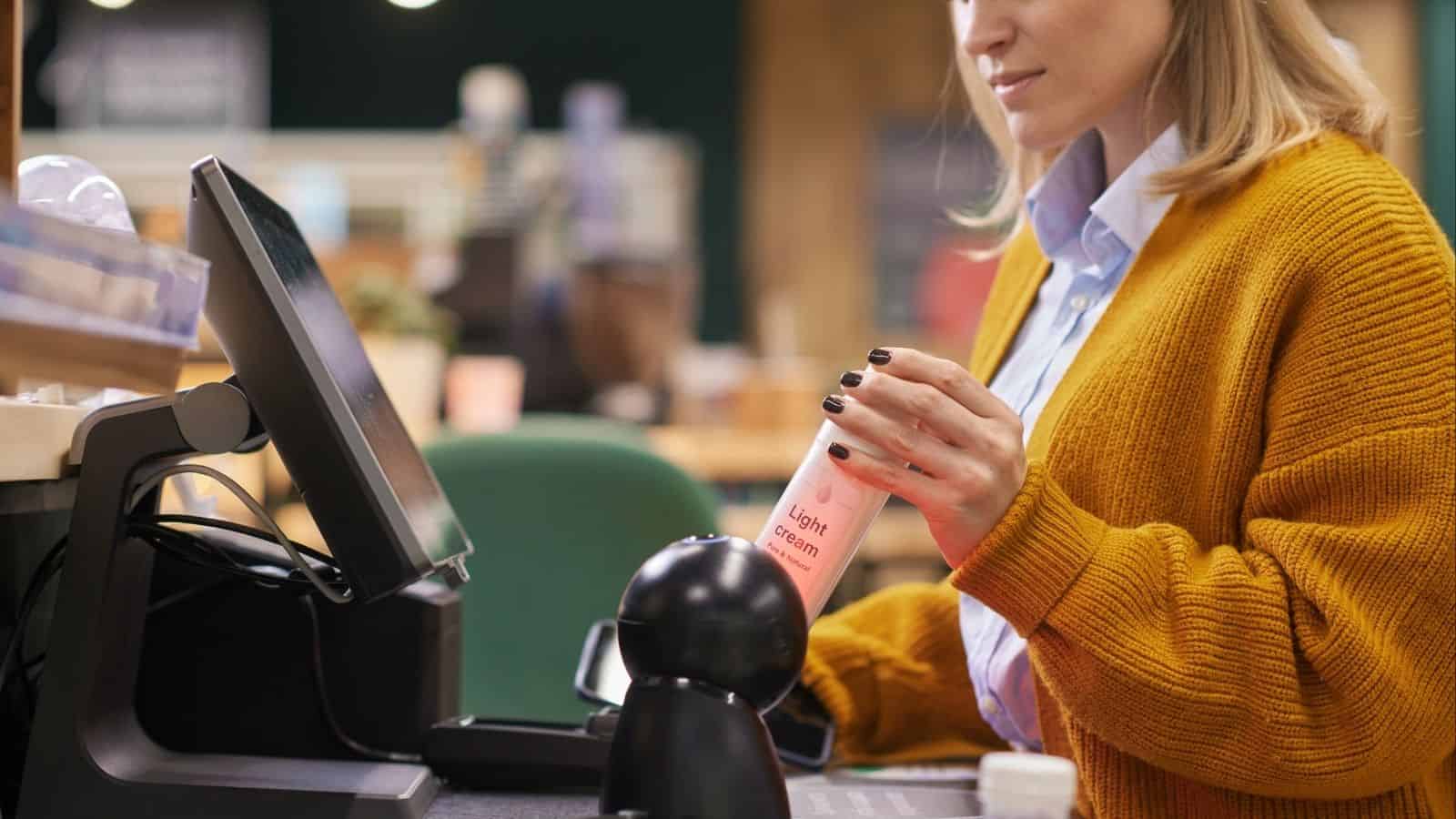
The modern point of sale system practically acts like a digital guilt machine expertly designed to extract maximum dollars from completely unsuspecting buyers. Cashiers spin that sleek tablet around with a polite smile, but the brightly lit screen aggressively demands a financial sacrifice for the absolute simplest tasks.
According to a Pew Research Center study, 72% of United States adults say tipping is expected in far more places today than it was just five years ago. Buyers stare blindly at the glowing tip options while the employee quietly watches their every single finger movement from across the wide counter.
The pressure feels incredibly heavy because the social dynamic instantly shifts from a quick and painless purchase to a very public performance review. People end up hitting the twenty percent button just to avoid an awkward silence while collecting their hot takeout boxes.
Pressure From Inflated Suggestion Buttons
Gone are the good old days when fifteen percent represented the absolute gold standard for receiving excellent service at a nice family restaurant. Screens routinely present default options starting at eighteen, twenty, and sometimes an eye-watering twenty-five percent for a transaction that took ten seconds.
A Bankrate survey revealed that 63% of Americans view the current tipping culture negatively as financial expectations continue to rise. Finding the custom tip button often feels like searching for a tiny needle in a massive digital haystack while impatient people wait in line.
Merchants deliberately bury the zero gratuity option in tiny text to discourage cheapskates from opting out of the extra payment. Shoppers cave in and pay the inflated price because they absolutely do not want to look like penny pinchers in front of the judgmental cashier.
The Confusion at Self-Checkout Kiosks
Machines obviously lack human feelings, yet these automated stations still blatantly ask for a little extra something at the very end of a sterile transaction. The New York Post reports that over 75% of Americans believe tipping has gone too far.
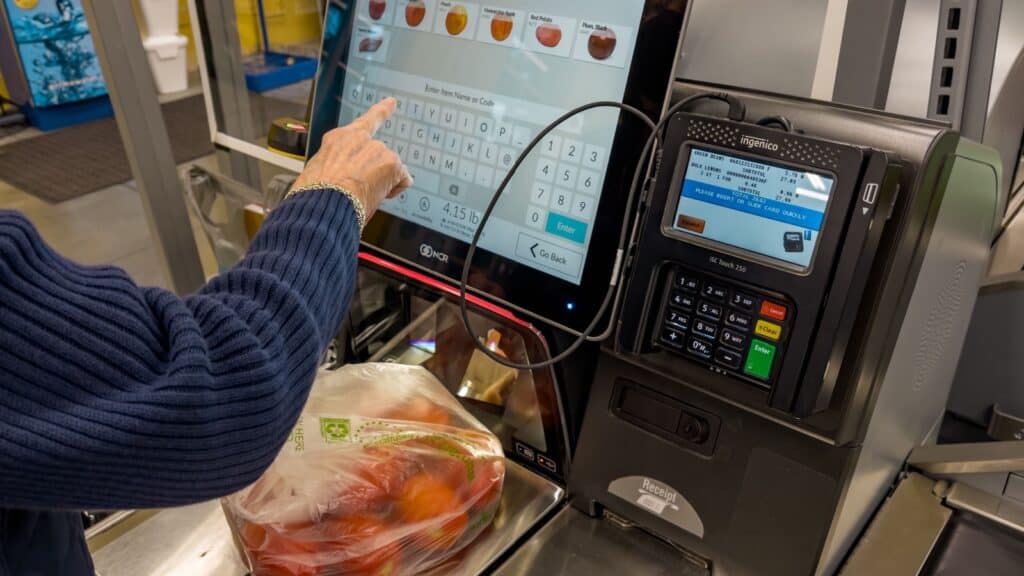
Customers literally scan and bag their own heavy groceries, making the unexpected request for a gratuity highly confusing and deeply frustrating. Paying a cold machine feels suspiciously like throwing hard-earned cash into a massive black hole with no clear financial destination.
Shoppers constantly wonder if the money goes directly to wealthy store owners or if it somehow trickles down to the few employees supervising the machines from afar. This absurd scenario absolutely makes the blood boil for tired shoppers who just want to buy their weekly milk in complete peace.
Economic Strain Tightens the Purse Strings
Families already feel completely squeezed by historically high grocery bills and soaring gas prices that mercilessly eat away at their monthly paychecks. Every extra dollar given at the bakery register directly bites into an already shrinking household budget that leaves very little room for financial error.
A Toast Restaurant Trends Report showed the total average tip across restaurants actually dropped to 18.8 percent as consumers tightened their collective belts. The skyrocketing cost of living constantly puts everyone on edge during the most basic and everyday commercial transactions at local storefronts.
Working-class folks find it incredibly hard to subsidize the wages of other workers while simultaneously struggling to pay their own exorbitant rent. They desperately want to be generous, but their depleted bank accounts constantly scream for mercy at the end of every single month.
Ambiguity Over Who Keeps the Cash
People happily tip a hardworking bartender mixing complex cocktails, but they severely question handing extra cash to a faceless and massive corporation. The modern consumer completely lacks clarity on whether the friendly barista actually takes home that digital tip or if corporate management pockets a huge cut.
A Pew Research finding noted that only thirty-four percent of Americans say it is extremely or very easy to know whether or how much to tip in these confusing situations. This glaring lack of transparency breeds deep suspicion and massive hesitation at the register whenever the payment tablet rapidly spins around.
Folks actively resent the entire idea of boosting a massive company’s bottom line under the misleading guise of supporting front-line staff members. Consumer trust evaporates instantly when the final destination of those bonus dollars remains permanently shrouded in deliberate corporate mystery.
Social Judgment From the Waiting Line
The physical layout of modern cafes deliberately creates a captive stage for intense public scrutiny and unwanted peer pressure. The impatient person standing directly behind a buyer in line can easily see exactly which button the shopper quickly taps on the glaring tablet screen.
Bankrate data highlighted that 41 percent of people feel the culture of tipping has gotten completely out of control. This invisible and breathing audience essentially forces everyday consumers to spend more money just to protect their fragile social standing in the community.
No one ever wants the trendy person waiting for an iced latte to judge them as stingy, broke, or highly inconsiderate. Debilitating fear of public shaming regularly drives the index finger directly to the highest percentage button available on the screen.
Disconnect Between Quality and Gratuity
Tipping, historically, used to serve as a direct and monetary reward for an employee actively going above and beyond the standard call of duty. Currently, businesses boldly request tips before the paying customer even receives their hot food or experiences the actual service provided.
Paying up front entirely removes any logical incentive for the staff to deliver a truly memorable or exceptionally high-quality experience. The whole modern transaction feels totally backward and completely strips the buyer of their traditional purchasing power and consumer agency.
Gratuity feels dangerously like a hidden mandatory fee instead of a voluntary and joyful token of genuine appreciation for a job well done. The absolute magic of a well-earned reward completely dies when the tip becomes a forced hostage negotiation before the meal even begins.
Like our content? Be sure to follow us.