10 once-rich American towns that are now fighting to survive
The American Dream has long been synonymous with the “boomtown,” but the data suggest that for many historic hubs, the boom was just the first act. According to a 2024 analysis by the Economic Innovation Group, nearly 60% of the U.S. population now lives in “distressed” or “at-risk” zip codes, many of which were the wealthiest per capita just a century ago. These aren’t just dots on a map; they are the former engines of the global economy now facing a stark reality: adapt or vanish.
Current trends from the U.S. Census Bureau show that while major metros are cooling, “legacy cities” are seeing a 12% uptick in private investment as developers hunt for untapped value in historic footprints. Picture this: You’re standing on a street corner that was once paved with gold, but now it’s quiet enough to hear a pin drop. We aren’t talking about ancient ruins; we’re talking about American towns that were, barely a century ago, the wealthiest zip codes on the planet. I’ve driven through many of these spots, and the whiplash between their gilded pasts and their gritty presents is enough to make your head spin.
But here’s the thing: these towns aren’t dead. They are scrapping, clawing, and reinventing themselves in 2026 with a resilience that puts most of us to shame. From converting toxic pits into tourist traps to turning old casket factories into breweries, these communities are rewriting their obituaries. So, buckle up for a tour of the boom, the bust, and the brawl for survival.
Butte, Montana: The richest hill on earth
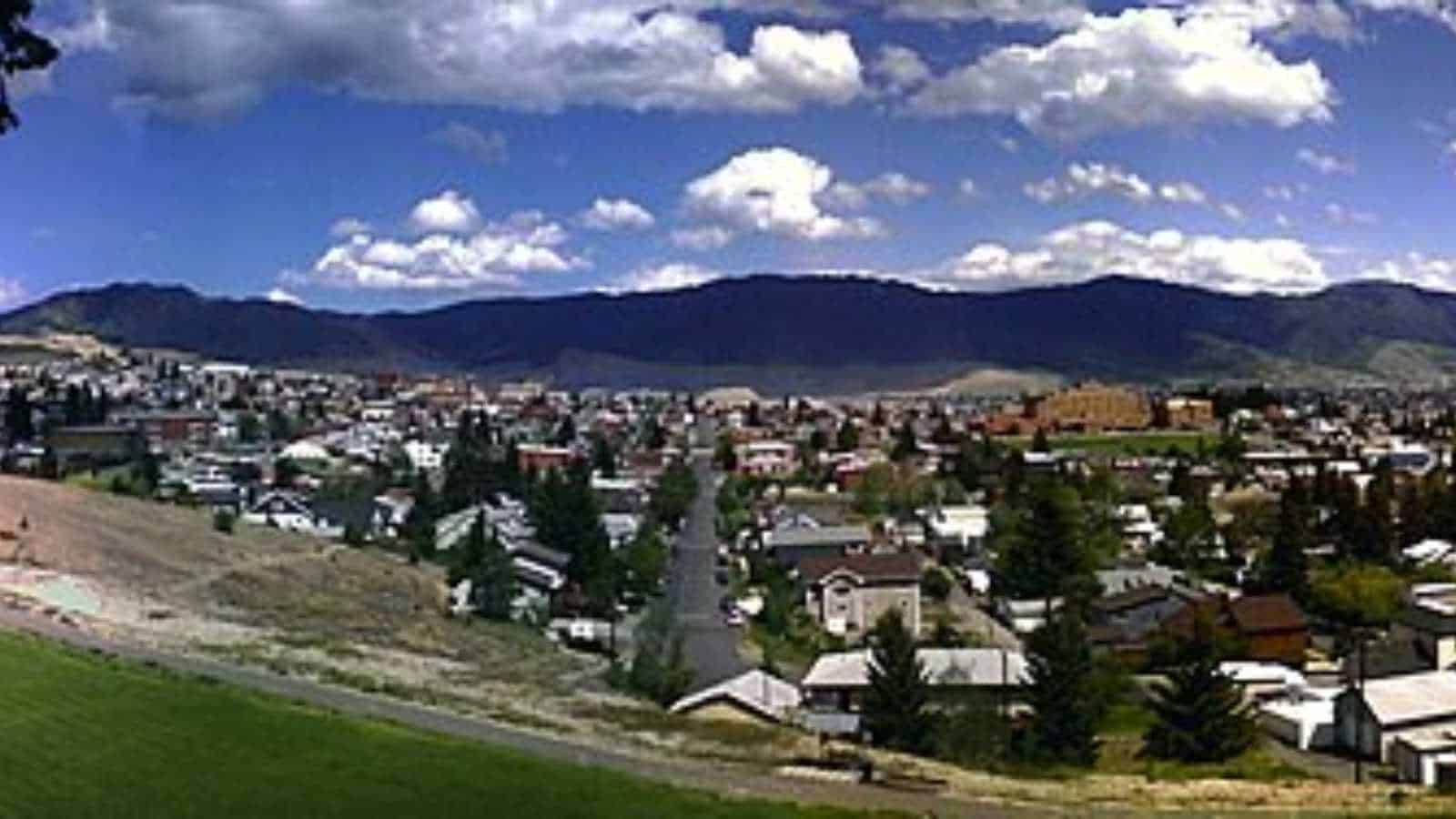
You can’t talk about lost wealth without starting in Butte. A century ago, this place supplied a third of the world’s copper, generating a staggering $48 billion in ore over its history. It was a “wide-open” town where millionaires rubbed elbows with miners in a place so electric they called it the “Richest Hill on Earth.” Today? That wealth is gone, replaced by the Berkeley Pit, a mile-long lake of toxic water that’s actively managed to keep from poisoning the local creek.
But don’t write Butte off just yet. In a twist of irony, the environmental cleanup is now a major economic driver, and the town has pivoted hard to heritage tourism. The Montana Folk Festival, free to the public, brought thousands of visitors in July 2025, proving that people will travel for world-class music and a history lesson. Plus, with home prices in Montana skyrocketing, up 65% since 2020, Butte’s affordability is attracting a new wave of remote workers looking for mountain views on a budget.
Gary, Indiana: The magic city’s new blueprint
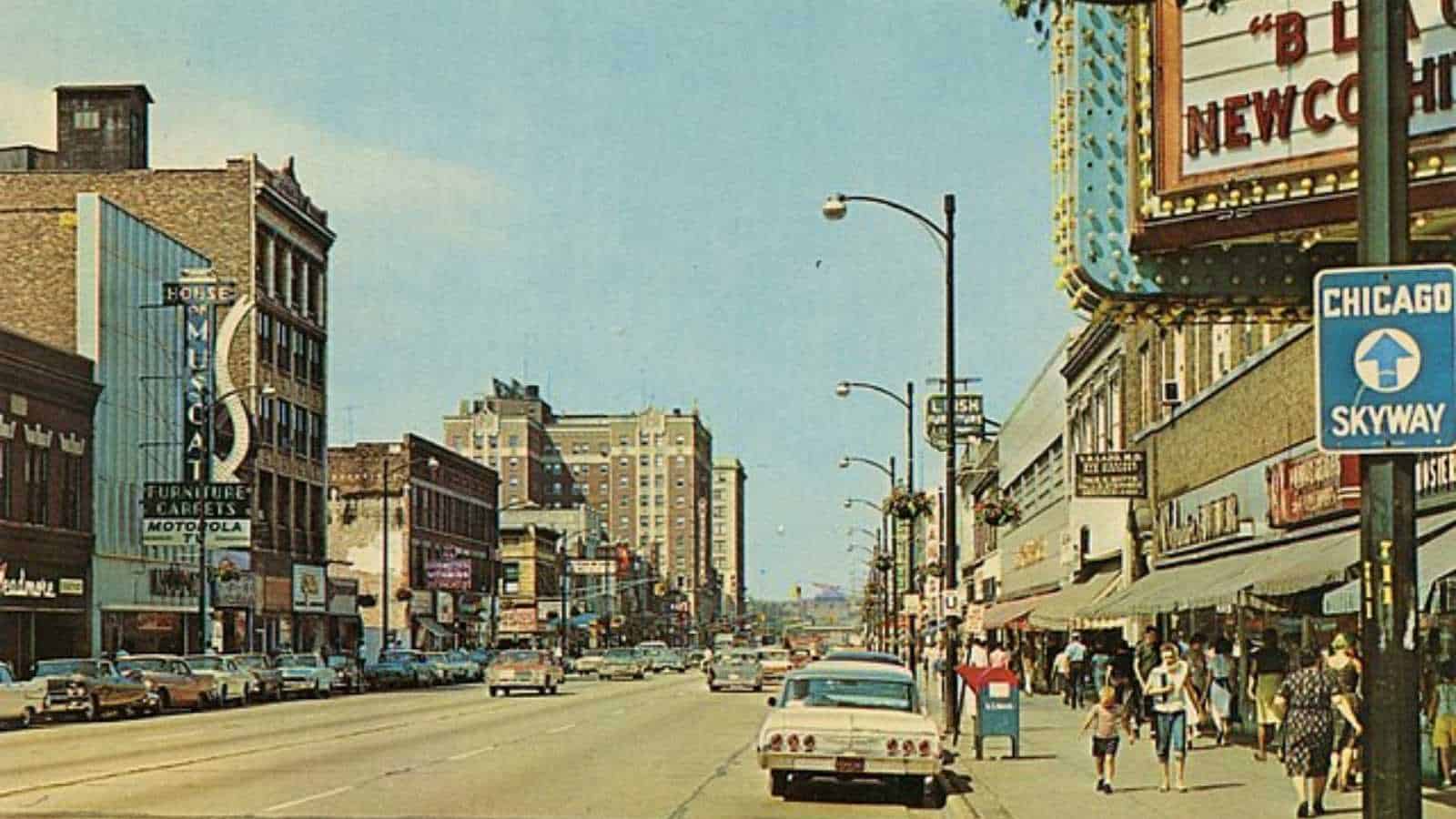
Gary was founded in 1906 by U.S. Steel and literally rose from the sand dunes like a magic trick. At its peak, the Gary Works mill employed 30,000 people, and the city was a model of industrial might. Fast forward to today, and the population has plummeted, leaving behind a landscape dotted with 13,000 blighted structures. I’ve walked downtown Gary, and while the architecture is stunning, the silence has been deafening, until recently.
Things are finally getting loud again in a good way. In late 2025, the city secured a massive $15 million READI 2.0 grant to demolish blight and revitalize the downtown corridor. Even cooler? The University of Notre Dame’s School of Architecture has partnered with the city to redesign the zoning and preservation standards, bringing Ivy League muscle to this blue-collar fight. They aren’t just tearing things down; they’re building a “vertical” future for downtown that honors its “Magic City” roots.
Youngstown, Ohio: From black monday to 3D printing
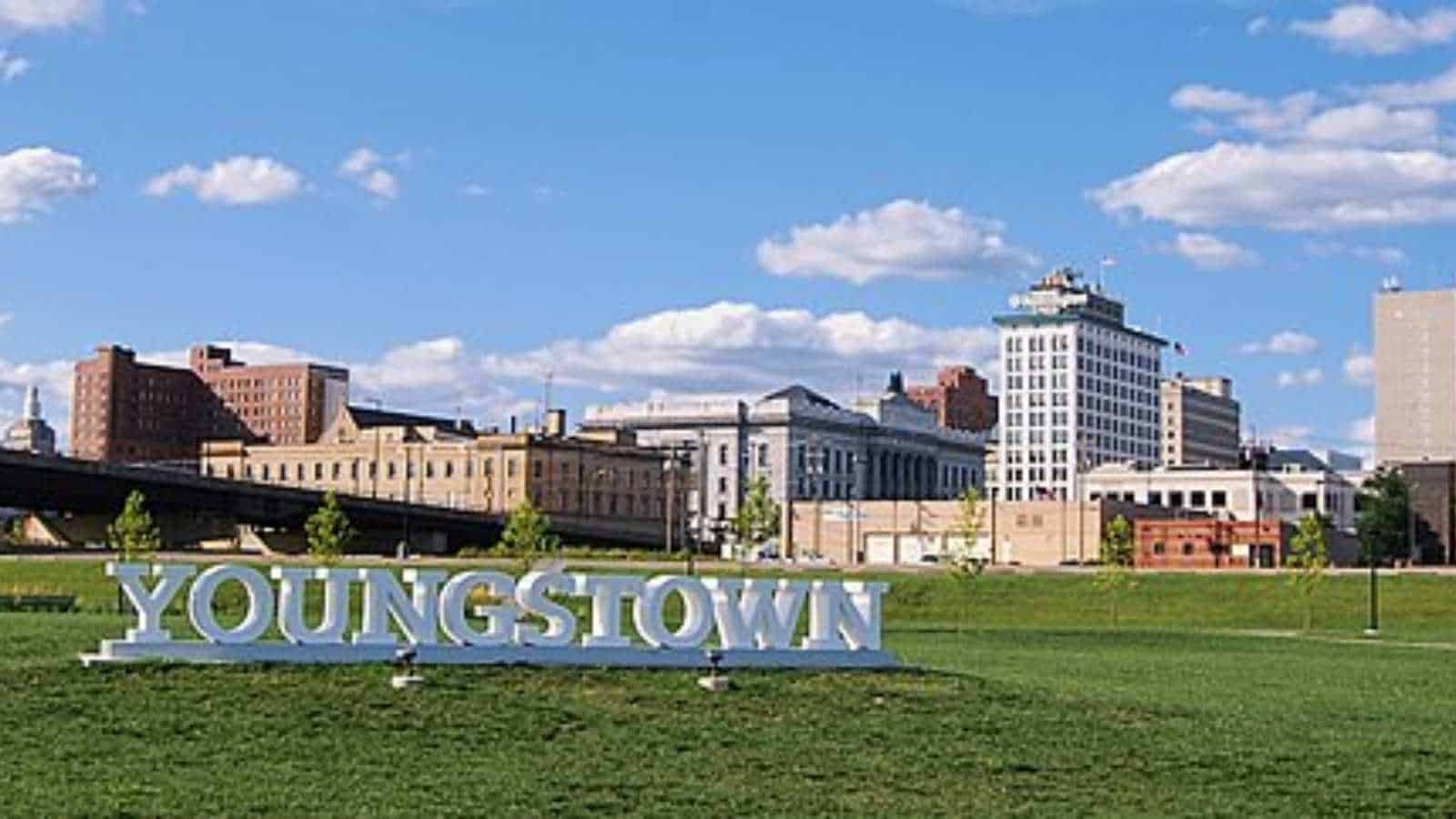
Youngstown is the heavyweight champion of taking a punch. On “Black Monday” in 1977, the steel mills started closing, eventually costing the region 50,000 jobs and gutting the local economy. For decades, it was the poster child for Rust Belt decay. But if you visit now, you won’t hear people crying over spilled steel; you’ll hear the hum of 3D printers.
The city is reinventing itself as a tech hub. In 2025, the state awarded $26 million to launch the Youngstown Innovation Hub for Aerospace and Defense, aiming to turn the region into a center for advanced manufacturing. On top of that, “Project Penguin,” a $30 million Amazon distribution center, broke ground recently, signaling that logistics giants see value in the Valley. Wages are actually up 17% over the last five years, proving that this fighter is getting back on its feet.
Natchez, Mississippi: The cotton capital’s hospitality pivot
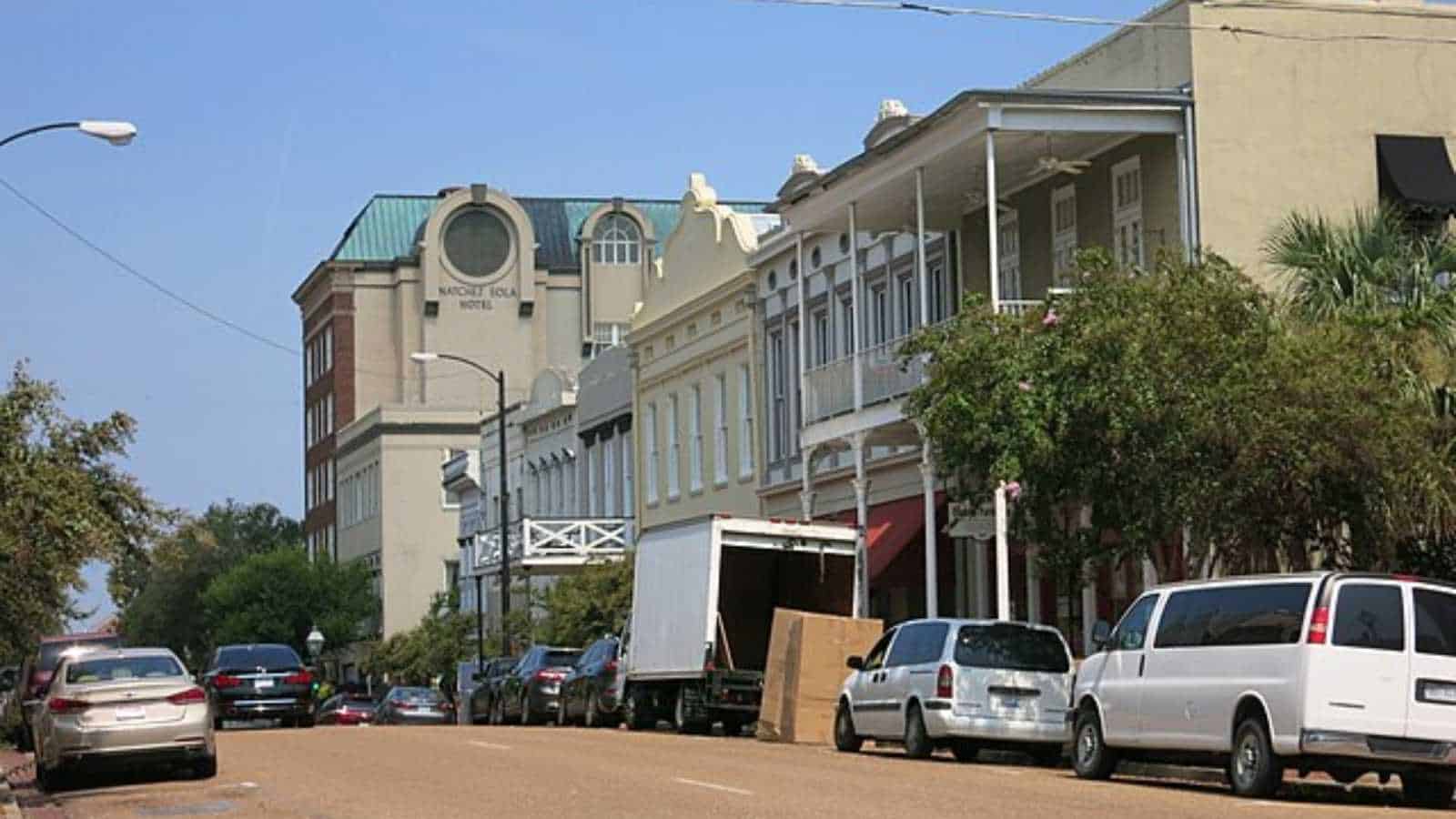
Before the Civil War, Natchez had more millionaires per capita than anywhere else in the United States. The wealth here was staggering, built on cotton and the backs of enslaved people, leaving behind a legacy of antebellum mansions that are as beautiful as they are complicated. But as the cotton trade faded, so did the money.
Now, Natchez is betting the house on hospitality. The historic Eola Hotel, a downtown jewel that’s been closed since 2014, inked a deal in late 2025 to reopen as a Marriott Tribute Portfolio property by 2027. Mayor Dan Gibson recently cited data showing the city is finally growing again for the first time in decades, issuing nearly $100 million in building permits since 2020. IMO, seeing a major brand like Marriott invest here is a huge vote of confidence.
Flint, Michigan: Vehicle City revs the engine
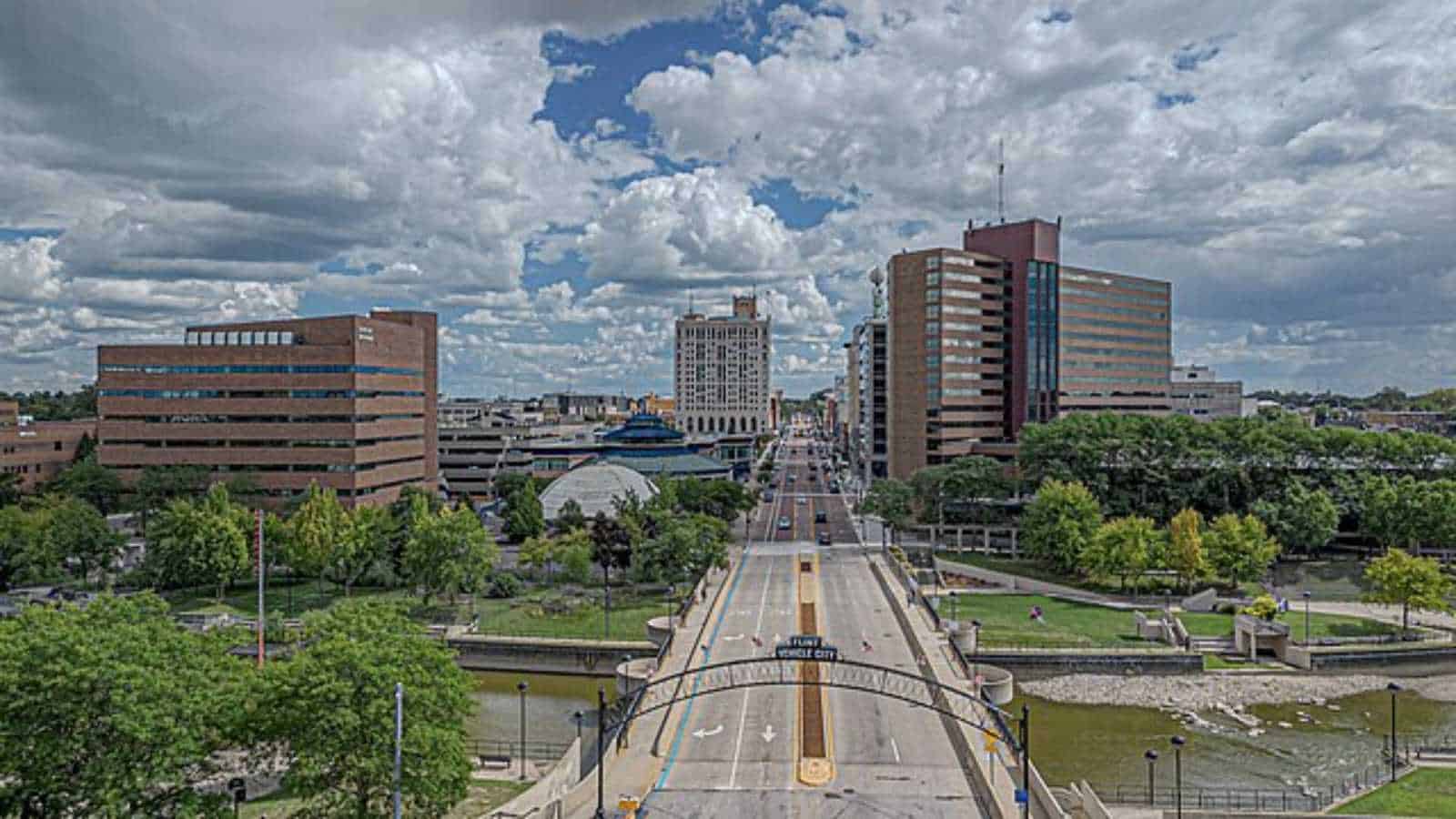
Flint’s story is heartbreaking, from being the birthplace of GM and having one of the highest median incomes in the world to facing a water crisis that made global headlines. But frankly, the “pity Flint” narrative is getting old. The locals are tough as nails, and big money is flowing back into the city.
Just look at “Buick City,” the massive former industrial site that sat empty for years. In 2025, Ashley Capital announced that the first building of its new Flint Commerce Center was 100% leased, bringing logistics jobs back to the very dirt where cars used to be built. Meanwhile, a $41 million downtown YMCA opened its doors in 2025, bringing life and foot traffic back to the city center. Flint isn’t asking for handouts; it’s building its own way out.
Springfield, Ohio: The champion city’s growing pains
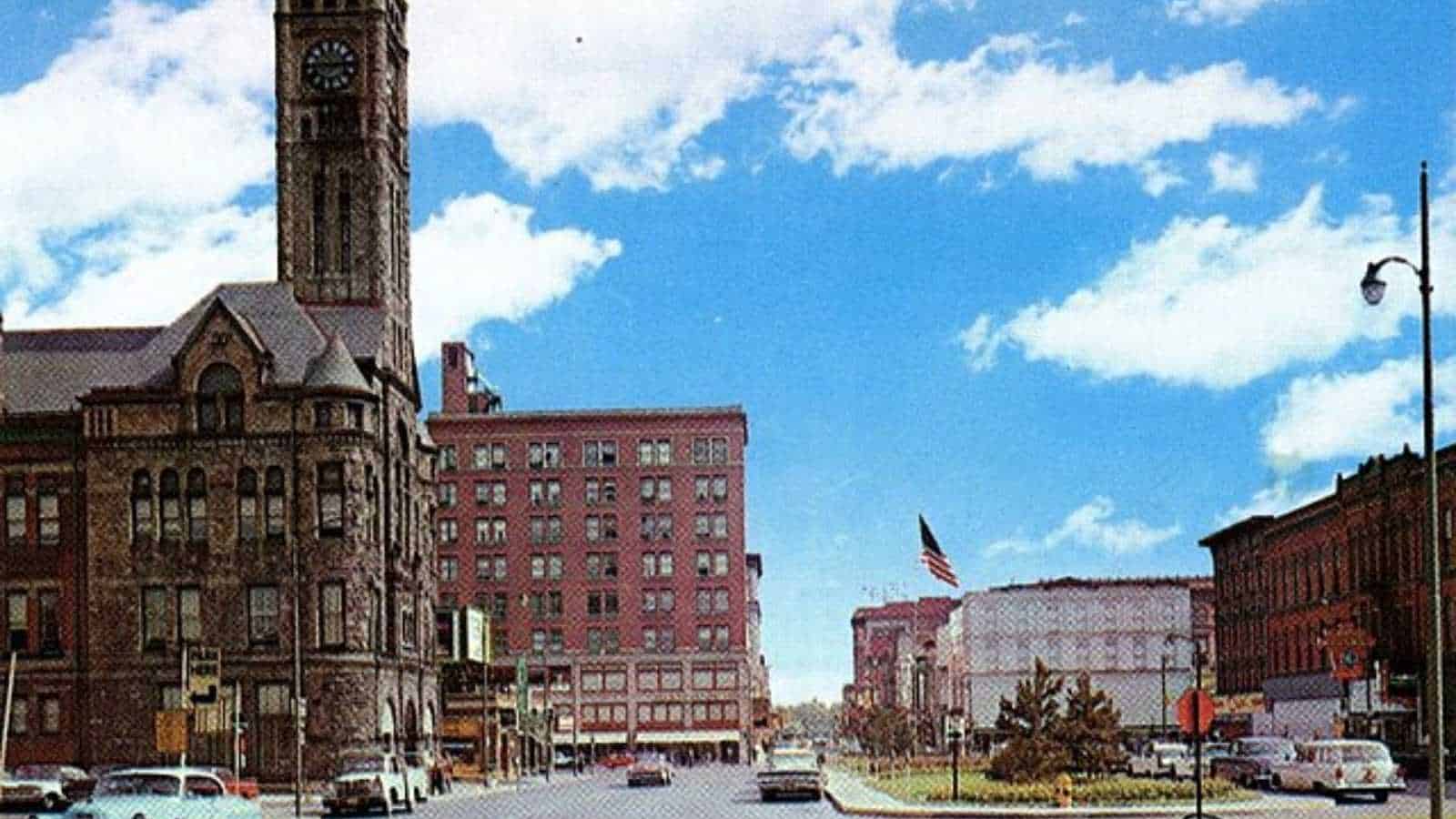
Springfield used to be known as the “Champion City” because it produced the Champion Reaper, a piece of farm equipment that changed global agriculture. Today, it’s facing a very modern challenge: a massive, sudden influx of population. Roughly 12,000 to 15,000 Haitian immigrants have moved to town recently, revitalizing the workforce but straining local resources.
With Temporary Protected Status (TPS) for Haiti set to expire in February 2026, the community is currently facing a wave of uncertainty. Despite the national headlines and tension, there are bright spots. Mother Stewart’s Brewing, located in a refurbished casket factory (yes, really), has become the town’s living room, hosting events and proving that revitalization can be funky and fun. Plus, housing values hit a median of $200,368 in 2025, a sign that demand is definitely there.
Camden, New Jersey: Eds, meds, and cheesesteaks
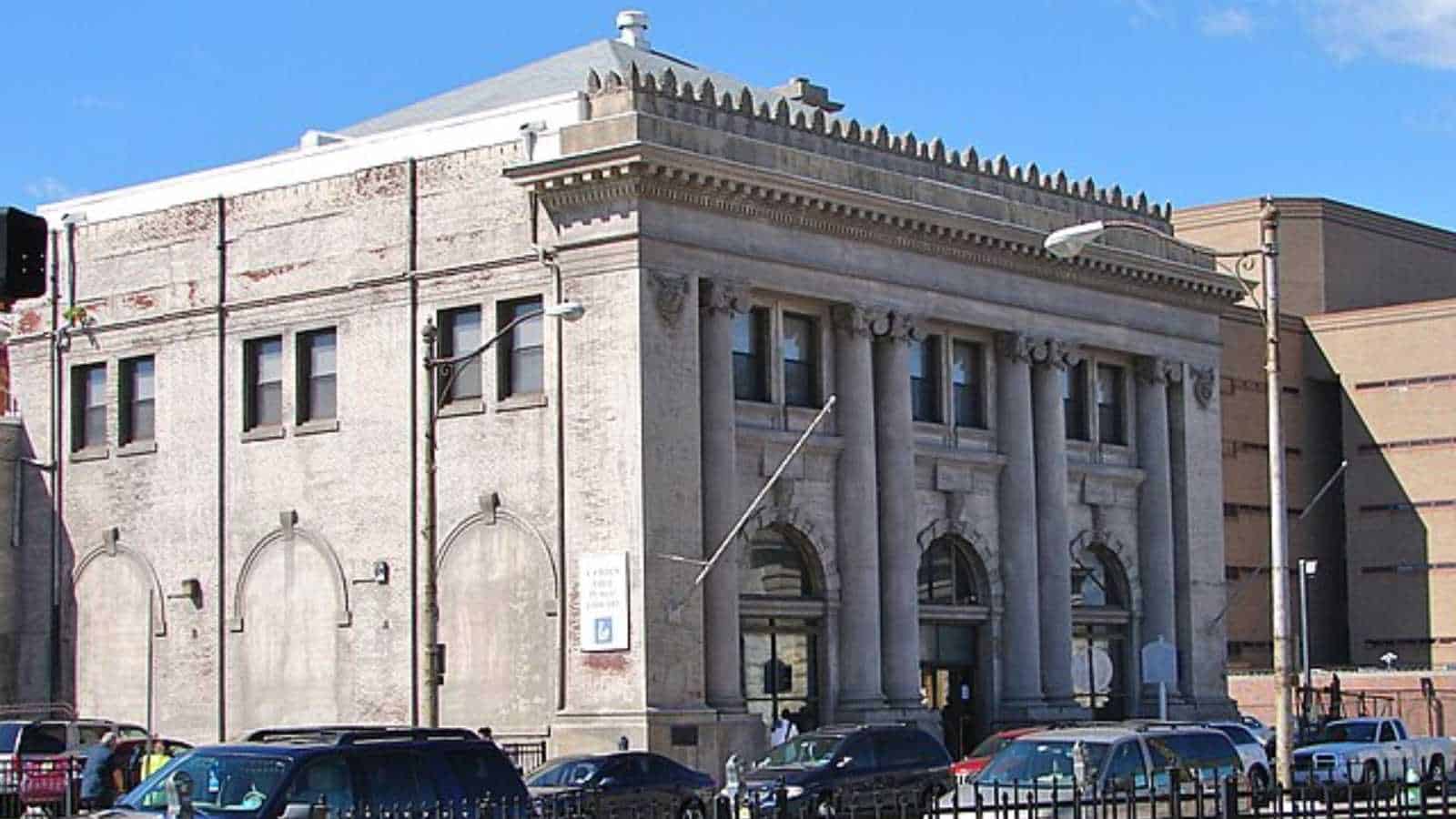
Camden was once an industrial titan, home to Campbell’s Soup and the New York Shipbuilding Corporation, which was the largest shipyard in the world during WWII. After a brutal post-industrial crash, Camden spent years on the “most dangerous cities” lists. But have you seen it lately? The “Eds and Meds” strategy (expanding universities and hospitals) is actually working.
Unemployment dropped to around 5.4% by late 2025, a massive improvement. The state also just launched a search for developers to transform 16 acres of waterfront into a mixed-use destination. And let’s be real, the late Anthony Bourdain famously claimed the best Philly cheesesteak is actually in Camden at Donkey’s Place. If that’s not reason enough to visit, I don’t know what is.
Braddock, Pennsylvania: The library that saved a town
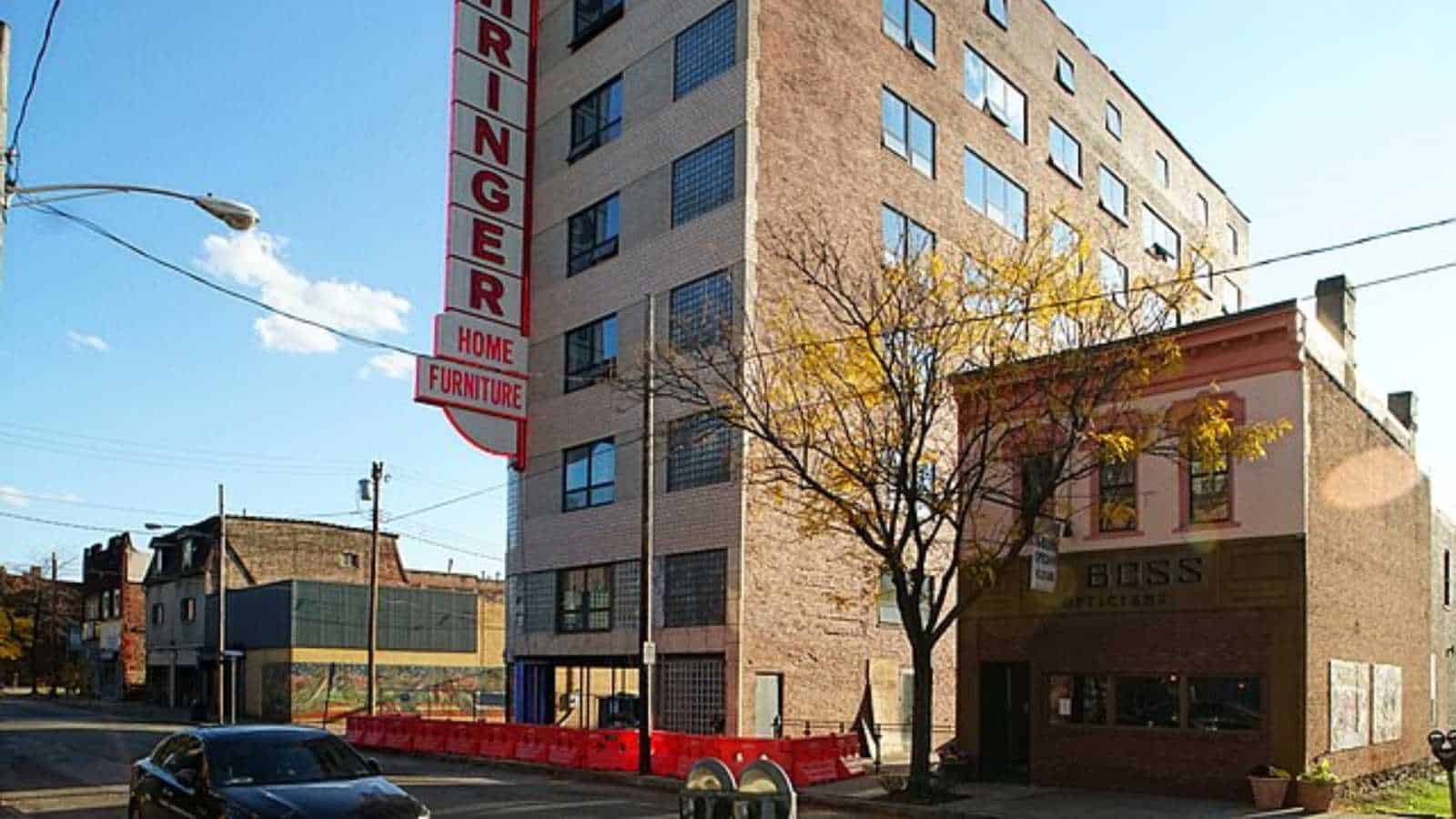
Braddock is ground zero for the American steel industry; it’s where Andrew Carnegie built his first mill, the Edgar Thomson Works, in 1875. The mill is still running (highly automated now), but the town lost 90% of its population. It became a symbol of urban ruin, but one building is sparking a comeback.
In May 2025, the Braddock Carnegie Library (now branded as “Carnegie One”) celebrated a $21 million renovation and grand reopening. This isn’t just about books, folks. It’s a community hub with a ceramics studio and a restored music hall. Along with new affordable housing for artists, Braddock is proving that you can shrink a city without killing its soul.
Cairo, Illinois: The ghost town refusing to fade
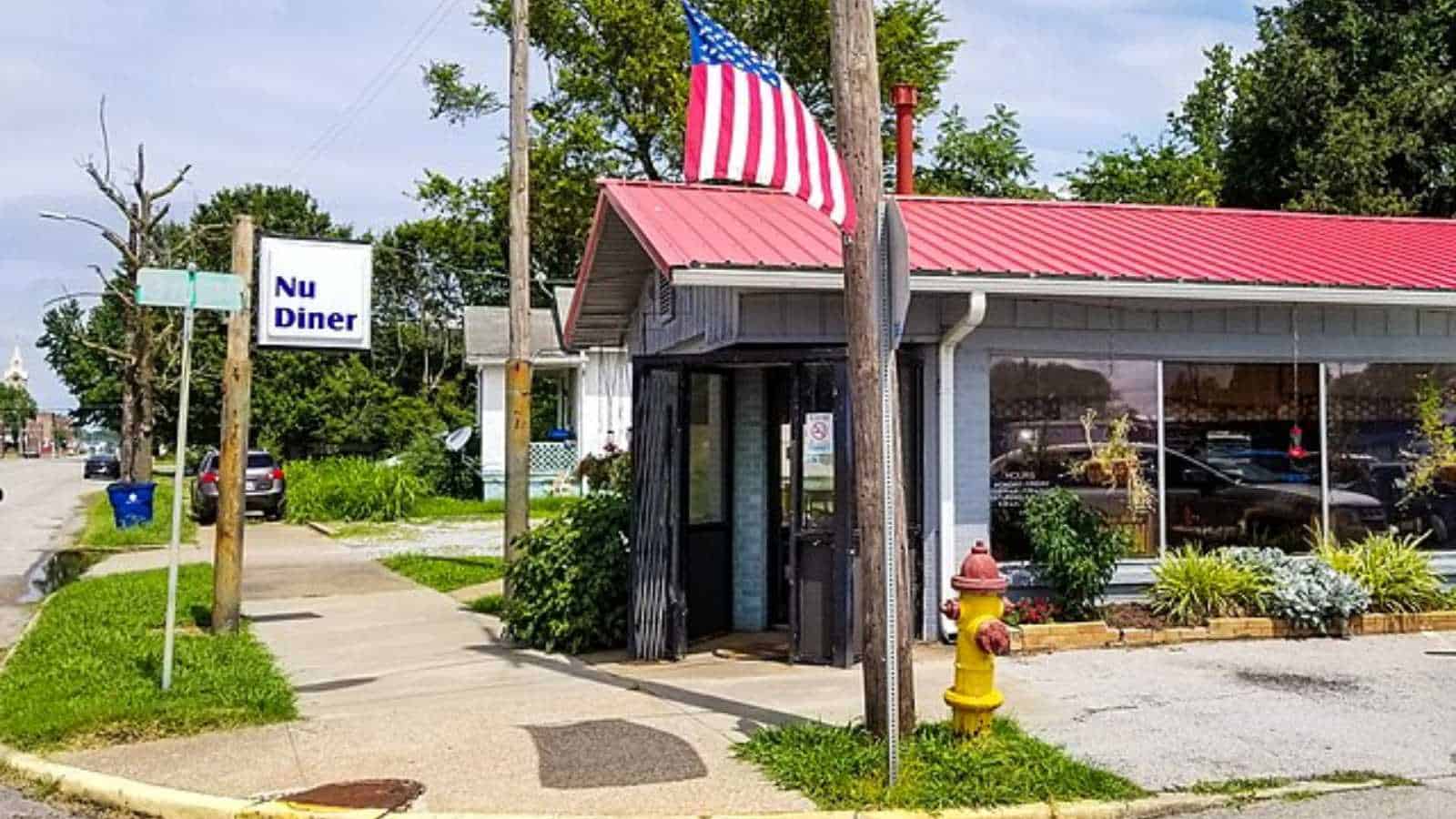
Cairo (pronounced Care-o) sits at the confluence of the Ohio and Mississippi rivers. It should be a logistics powerhouse, but racial tension and economic bypassing left it on life support. For seven years, the town didn’t even have a grocery store. Can you imagine?
But 2024 and 2025 brought a pulse. The community rallied to open the Rise Community Market, a co-op grocery store that restored a basic human necessity to the town. Even bigger news? The Cairo Port District is advancing a massive port terminal project, with feasibility studies and navigational simulations conducted in early 2025. If this port gets built, Cairo could be back on the map in a major way.
Pine Bluff, Arkansas: Betting on the bluff
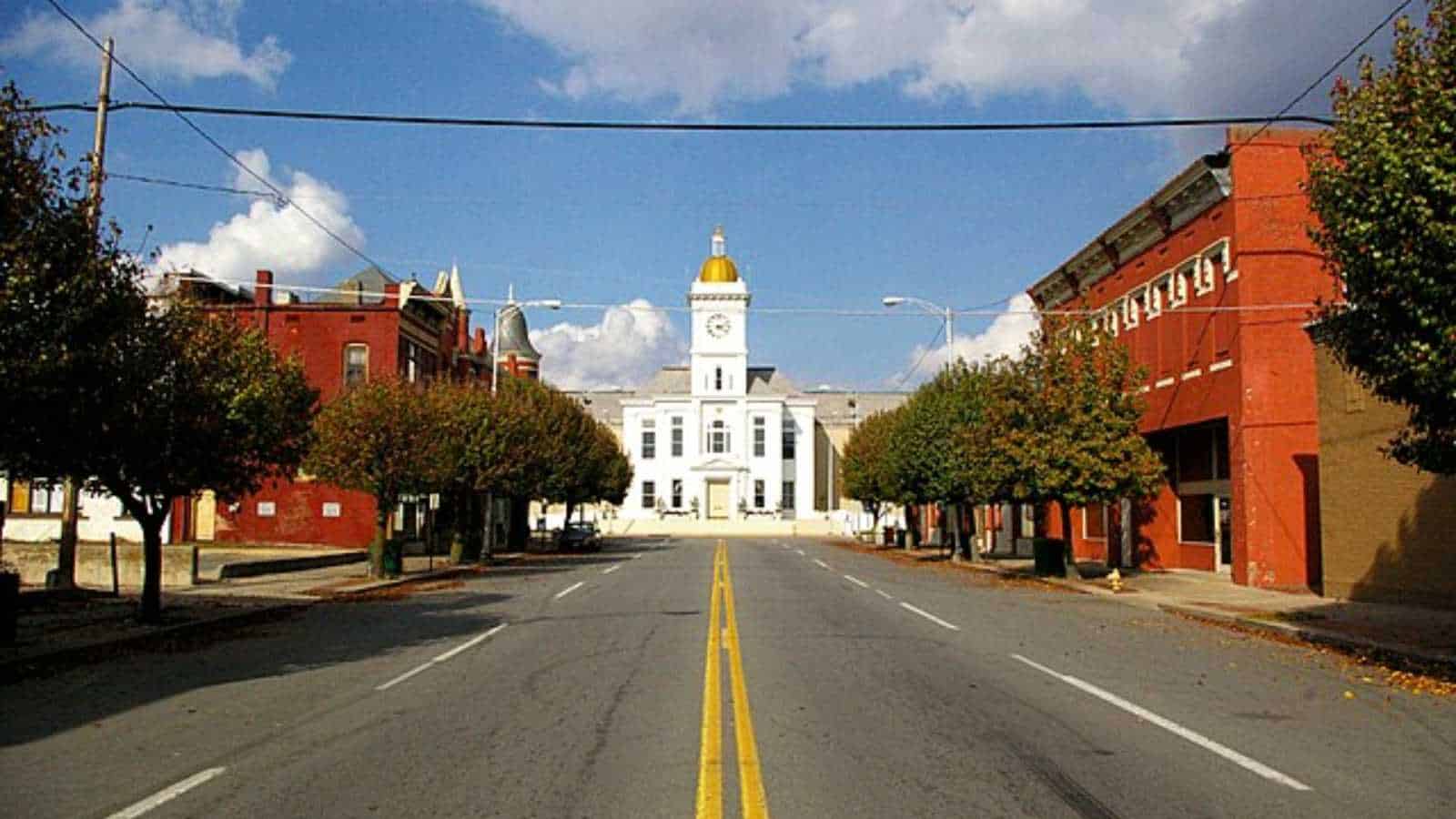
Once the second-largest city in Arkansas and a cotton powerhouse, Pine Bluff hit the skids hard, losing population faster than almost anywhere else in the U.S. in recent years. But they aren’t going down without a fight. They passed a sales tax to fund their own rescue program, called “Go Forward Pine Bluff.”
The Saracen Casino Resort is now the economic anchor, generating over $5 million in tax revenue annually for the city. And in 2024, the city won a $548,492 DOT grant to fix the highway infrastructure that severed neighborhoods, aiming to reconnect the community physically and economically. It’s a slow grind, but they are putting their money where their mouth is.
Key Takeaway
These ten towns aren’t waiting for a savior; they are saving themselves. Whether it’s Youngstown embracing 3D printing, Gary tearing down blight, or Butte turning a toxic pit into a tourist attraction, the spirit of American resilience is alive and well in 2026.
So next time you’re planning a road trip, maybe skip the usual tourist traps and drop a few dollars in a town that’s fighting for its life. You might just find the best cheesesteak, or the best story, you’ve ever had.
Disclosure: This article was developed with the assistance of AI and was subsequently reviewed, revised, and approved by our editorial team.
20 Odd American Traditions That Confuse the Rest of the World
20 Odd American Traditions That Confuse the Rest of the World
It’s no surprise that cultures worldwide have their own unique customs and traditions, but some of America’s most beloved habits can seem downright strange to outsiders.
Many American traditions may seem odd or even bizarre to people from other countries. Here are twenty of the strangest American traditions that confuse the rest of the world.
20 of the Worst American Tourist Attractions, Ranked in Order

20 of the Worst American Tourist Attractions, Ranked in Order
If you’ve found yourself here, it’s likely because you’re on a noble quest for the worst of the worst—the crème de la crème of the most underwhelming and downright disappointing tourist traps America offers. Maybe you’re looking to avoid common pitfalls, or perhaps just a connoisseur of the hilariously bad.
Whatever the reason, here is a list that’s sure to entertain, if not educate. Hold onto the hats and explore the ranking, in sequential order, of the 20 worst American tourist attractions.