10 reasons why millions of Americans are walking away from their childhood faith
The traditional Sunday morning routine is quietly dying across the United States.
A historic shift is transforming the nation’s spiritual landscape. Millions of adults are stepping away from childhood faith to join the rapidly growing “nones.” This trend isn’t slowing down.
Data from the Pew Research Center reveals that those claiming no religious affiliation have climbed to historic highs of 24%-29% among U.S. adults. This shift represents the largest cultural movement in recent history. Society is watching a massive reorganization of how Americans find community and meaning. The underlying drivers of this unprecedented shift merit close examination.
A loss of belief in traditional doctrines

Intellectual doubt is the leading cause of this spiritual migration. A massive 67% of unaffiliated Americans state they simply stopped believing in religious teachings. For many, childhood dogmas don’t hold up under adult scrutiny.
This doubt is particularly pronounced among former Catholics. About 81% of those who became “nones” report questioning the church’s core teachings. Without cognitive buy-in, the habit of attendance quickly crumbles.
Teachings on LGBTQ issues

Exclusive stances on gender and sexuality are alienating millions of young believers. The share of people leaving due to negative LGBTQ teachings jumped from 29% in 2016 to 47% in 2023. This issue is especially critical for Gen Z women, who are leaving congregations at historic rates.
PRRI CEO Melissa Deckman reports that young women have increasingly shed religious labels over the past decade. Traditional dogmas denying marriage equality are pushing young Americans out the door.
Scandals and moral failures among religious leaders
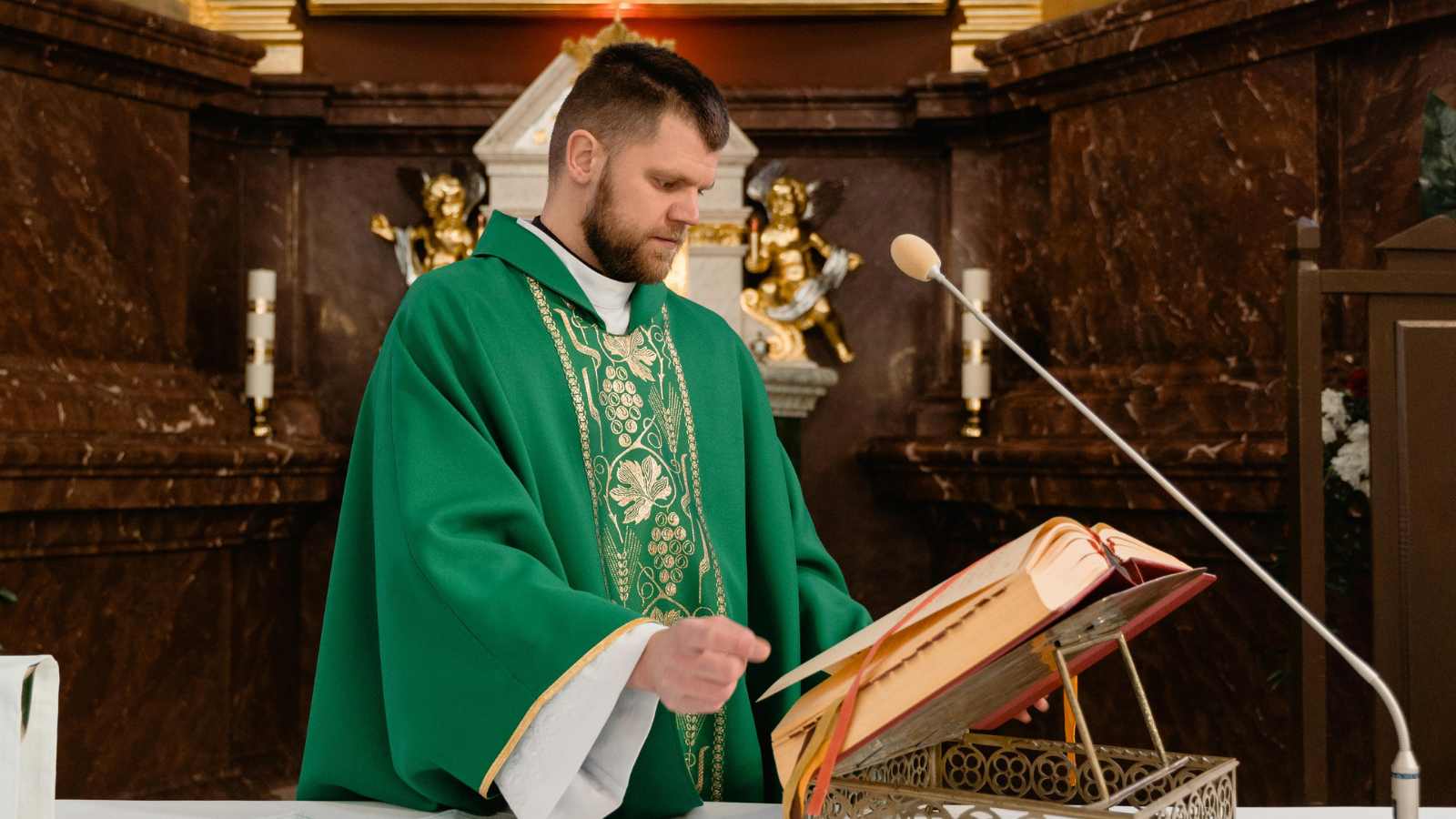
High-profile ethical failures have shattered systemic trust in religious institutions. Roughly 31% of religiously unaffiliated Americans left their childhood faith due to clergy sexual abuse scandals, as per the Public Religion Research Institute (PRRI). This betrayal feels especially deep for those raised in the Catholic tradition.
Indeed, 45% of former Catholics cite these scandals as a major reason for leaving. Among unaffiliated women, trust in leadership is particularly fragile. When protective institutions protect abusers instead of victims, believers lose faith in the message itself.
Negative impacts on personal mental health

Many Americans are finding that rigid religious spaces breed more anxiety than peace. Research indicates that 32% of unaffiliated adults walked away because religion was bad for their mental health. The pressure to conform to strict, shame-based rules often becomes too heavy to bear.
Younger generations are highly sensitive to these toxic environments. Prioritizing mental well-being has led many to choose secular peace over religious guilt.
The hyper-political nature of local churches

The partisan capture of American pulpits is driving away everyday believers. About 20% of unaffiliated Americans say they left because their congregation became too focused on politics. The alignment of certain churches with partisan groups has alienated those in the political middle.
Many people go to church seeking spiritual peace, not another political argument. When sermons sound like political action ads, the sacred atmosphere disappears. For many, walking away is a protest against the merging of church and state.
Simple, everyday life disruptions

A massive portion of dechurching has nothing to do with angry protests. Instead, people often drift away because of minor logistical hurdles. Moving to a new city, changing jobs, or adapting to new family schedules often breaks the church-going habit.
Religious researcher Michael Graham notes that most people leave for “really pedestrian reasons.” Sociologist Dr. Ryan Burge confirms that “the biggest reason why people leave church is because they moved.” Once the weekly routine is broken, finding a new congregation becomes a low priority.
A weak religious upbringing at home

Religious habits are rarely sustainable if they were not deeply rooted in childhood. About 41% of unaffiliated Americans report that their families were never that religious when they were growing up. A casual attitude toward faith in childhood often translates to complete secularism in adulthood.
Without a solid foundation, childhood traditions are easily discarded. A lack of religious passion at home makes adult disaffiliation almost inevitable.
The realization that goodness does not require a pew

A major shift in moral reasoning has occurred across the country. Unaffiliated Americans believe they can be perfectly moral without any religion. They rely on empathy, logic, and common sense to navigate right and wrong.
The old narrative that secularism leads to moral decay is losing its grip. Most “nones” focus on avoiding harm to others as their primary moral compass. Living a good, ethical life no longer feels tied to religious membership.
A quiet, gradual drift away from faith

For millions of Americans, faith did not end with a dramatic crisis. It was a slow, quiet fade-out of daily life. Pew data show that 38% of those who left their childhood faith simply drifted away over time.
Another 38% realized that religion had simply lost all personal importance to them. Life became busy, and Sunday mornings were reclaimed for rest, family, or travel sports. When faith fails to feel useful or relevant, it quietly slips into the background.
Deep spiritual needs are going completely unmet

Churches often fail to deliver the deep existential meaning seekers crave. Former Catholics report leaving because their spiritual needs were ignored. Instead of a genuine connection, many encounter bureaucracy and superficial programming.
Among those who still consider themselves spiritual, religious institutions feel outdated. They prefer private reflection over organized rituals. When houses of worship become dry and transactional, seekers look elsewhere for depth.
Key takeaway

The historic decline of childhood faith in America is a complex mix of theological doubt, ethical disagreements, and practical lifestyle shifts. Whether driven by pain from scandals, frustration over political polarization, or the simple friction of modern life, millions of Americans have chosen a secular path. This great dechurching is fundamentally reshaping the nation’s cultural and social future.
Disclaimer – This list is solely the author’s opinion based on research and publicly available information. It is not intended to be professional advice.
Like our content? Be sure to follow us