10 screen-free activities for toddlers that actually work
With screen time for toddlers hitting record highs, these simple, screen-free swaps are giving exhausted parents a practical way to take back their living rooms.
You likely know that sinking feeling when the silence in the house is broken only by the hypnotic jingle of a cartoon, and you realize the tablet has been the babysitter for too long. It is a universal struggle, but shifting gears does not have to be a battle of wills or a test of your patience. Finding simple ways to unplug can actually bring a sense of relief to the whole house.
You might feel like you are swimming upstream, especially when you hear that some parents say their child under 2 watches TV. That statement is staggering, but it is also a reminder that you are definitely not alone in this challenge. Let’s look at some fun, practical swaps that will keep those little hands busy and their minds growing without a single pixel in sight.
Sensory Bins With Rice Or Pasta

Grab a large plastic container from the kitchen and fill it with dry rice, pasta, or even dried beans to create an instant play zone. This activity is fantastic because it engages their sense of touch and sound in a way that screens simply cannot match. You can hide small toys or puzzle pieces inside the bin for them to discover, turning it into a mini treasure hunt that keeps them occupied.
The best part is that you likely already have everything you need right in your pantry, so there is no need to buy anything new. Toddlers love scooping and pouring, which helps develop their fine motor skills while they think they are just making a glorious mess. Just pop a sheet or towel underneath the bin for easy cleanup, and let them explore the textures for as long as they like.
Build A Fort With Blankets
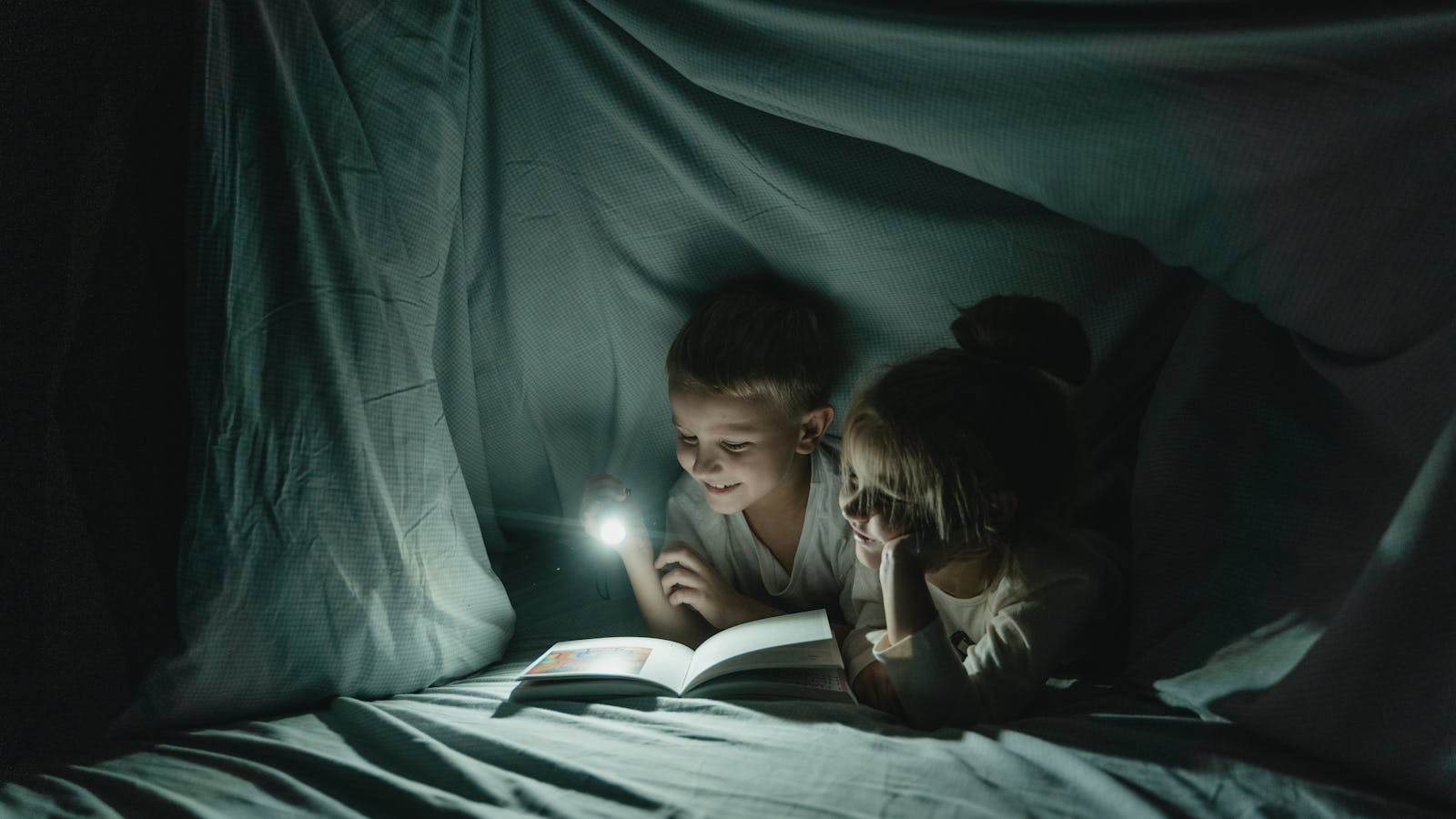
There is something undeniably magical about transforming the living room couch into a secret castle or a hidden cave. Draping sheets over chairs creates a cozy little nook where imaginations can run wild without any digital interference. You can toss in a few pillows and a flashlight to make it feel like a real adventure, perfect for a rainy afternoon.
This simple setup encourages creative play and gives them a private space to feel independent yet safe. It is fascinating to see how a few ordinary household items can become a spaceship or a bear den in their eyes. Plus, once the fort is built, they often spend a good chunk of time playing inside, giving you a moment to breathe.
Water Play Station At The Sink
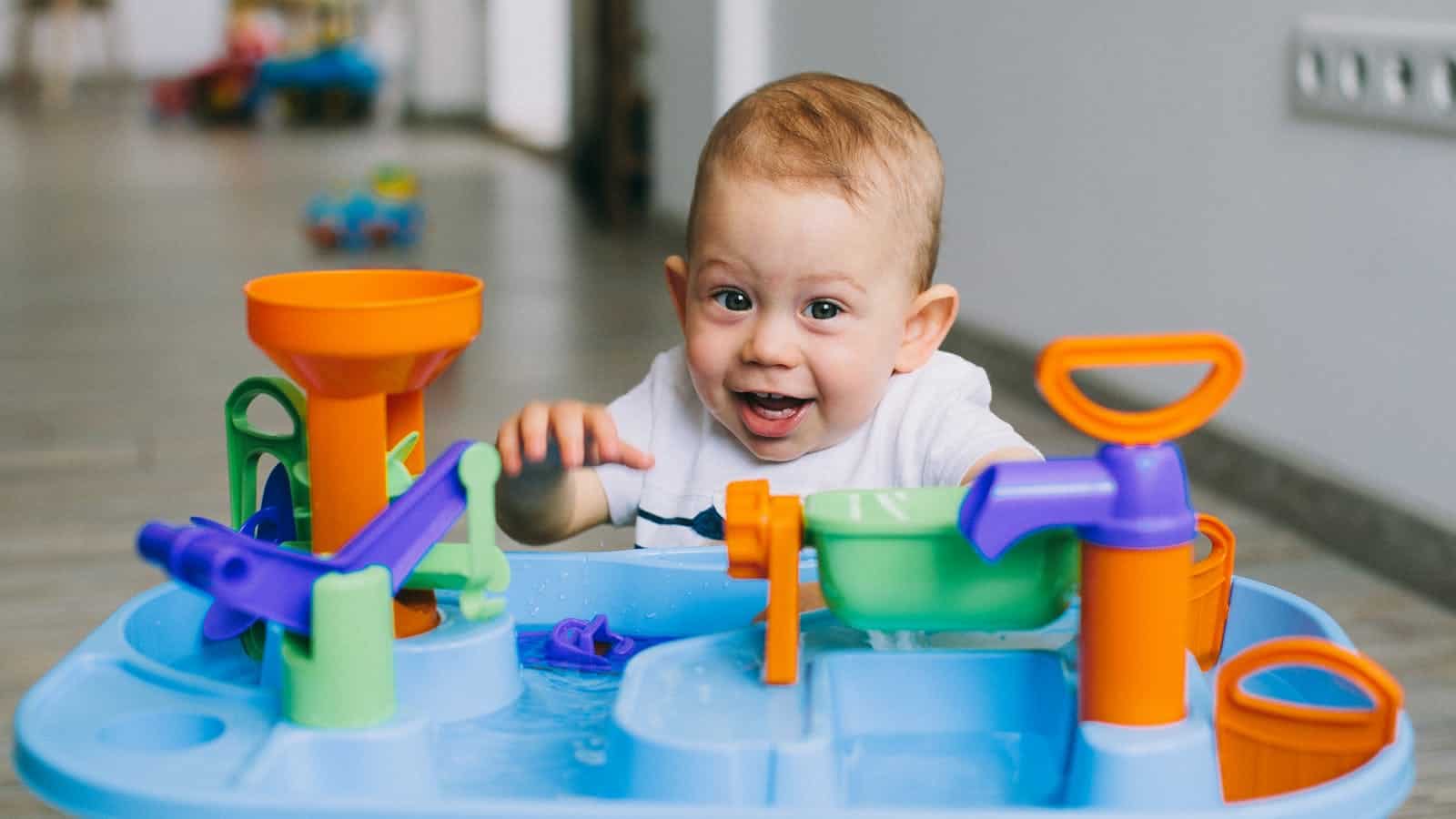
Pull a sturdy stool up to the kitchen sink and let a trickle of water run for an engaging and calming experience. Water play is surprisingly absorbing for toddlers, as they can fill cups, wash plastic dishes, or bathe their waterproof toys. You can add a drop of tear-free soap to make bubbles, which adds another layer of excitement to the whole process.
While they splash around, you can stay nearby and get some chores done or just enjoy a warm coffee while watching them. According to a December 2025 study from Quebec, 43% of 2.5-year-olds get over an hour of screen time on weekdays, so swapping one hour for water play is a huge win. It is a simple joy that washes away the grumpiness of the day and resets their mood.
Cardboard Box Creativity
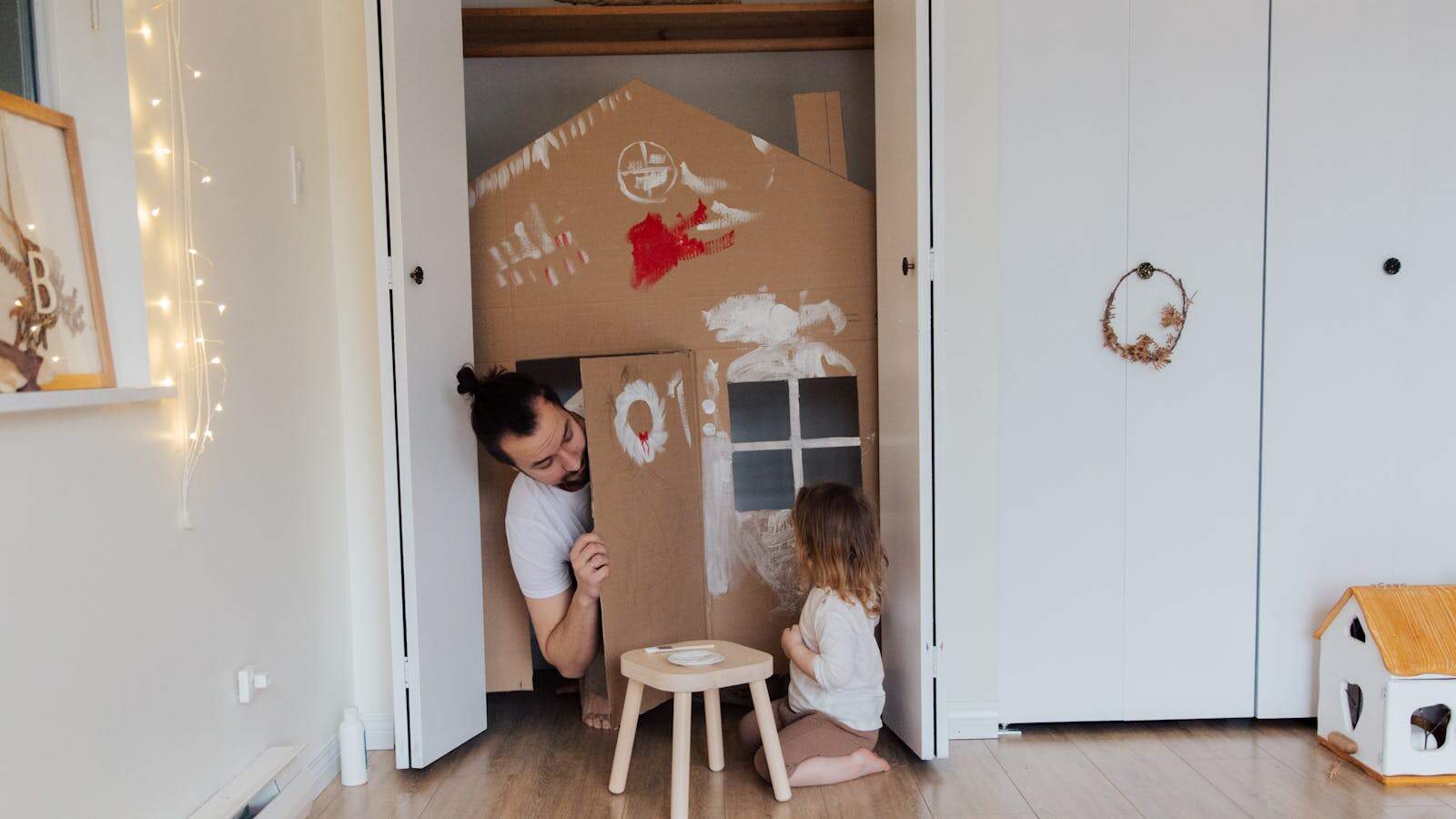
Never underestimate the power of a plain cardboard box to spark hours of inventive fun for a small child. You can hand them some crayons or washable markers and let them decorate their new “house” or “race car” exactly how they want. It is a blank canvas that invites them to think outside the box, quite literally, and use their own ideas to play.
This activity is free and saves a box from the recycling bin for one more day of glory. Often, the packaging a toy comes in ends up being more interesting to a toddler than the expensive gift itself. Cut out a window or a door, and suddenly you have a prop that supports dramatic play and storytelling skills.
Dance Party With Music
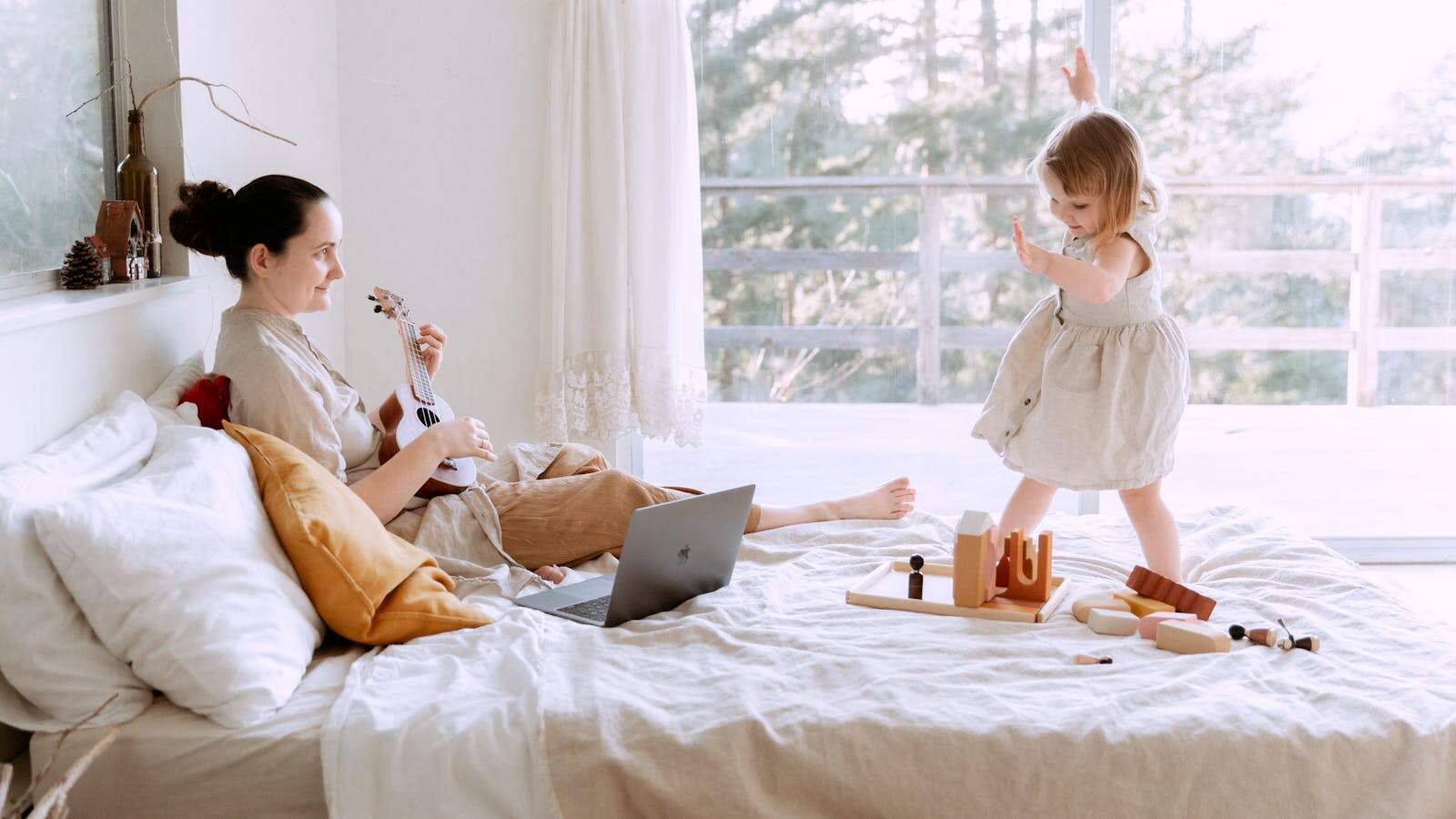
Clear a little space in the living room and put on some upbeat tunes to get those wiggles out immediately. Dancing is a wonderful way to burn off excess energy and improve coordination without needing any special equipment. You can freeze the music every so often to play a game of “freeze dance,” which always results in giggles and silly poses.
It is easy to rely on videos for music, but using just audio encourages them to move freely rather than stare at a screen. A 2025 report from Lurie Children’s Hospital found that 60% of parents feel guilty about screen time, but a dance party is completely guilt-free. It connects you with your child through rhythm and laughter, leaving everyone feeling lighter and happier.
Play Dough And Kitchen Play

Set up a designated table with a few tubs of play-dough and some safe kitchen tools like plastic cookie cutters and rolling pins. Squishing, rolling, and cutting the dough strengthens the small muscles in their hands that they will later need for writing. It allows them to experiment with shapes and colors in a tactile way that a swipe on a tablet never could.
You can make your own dough at home with flour, salt, and water if you are feeling adventurous, or just use the store-bought kind. This quiet activity is perfect for when they need to wind down but still want to do something active with their hands. It is amazing how long they can sit and focus when their goal is to make a “pizza” or a “snake.”
Outdoor Nature Hunt

Step outside and turn a regular walk into a scavenger hunt by asking your toddler to find simple things like a brown leaf or a round stone. Connecting with nature grounds them and provides fresh air that is essential for their physical and mental well-being. You do not need a park; even a small patch of grass or a sidewalk can hold plenty of tiny wonders for them to spot.
Spending time outdoors has been linked to better sleep patterns, which is a benefit every parent can appreciate. In fact, a 2025 Lurie Children’s Hospital study notes that 71% of parents use screens to manage behavior in public, but a nature hunt is a great alternative distraction. It teaches observation skills and turns a potentially boring errand into an interactive game.
Reading Books Together

Cuddle up with a stack of colorful picture books and let your toddler choose which story they want to hear first. Reading aloud builds vocabulary and fosters a love for stories that will serve them well throughout their entire education. You can use funny voices for the characters to keep them engaged and ask them to point out objects on the page.
Sadly, reading habits are slipping, as the National Literacy Trust reported in 2024 that daily reading to young children dropped to 50.5%. Reversing this trend in your own home creates a bonding ritual that screens just cannot replicate. Even just fifteen minutes a day can make a massive difference in their language development and attention span.
Helping With Simple Chores

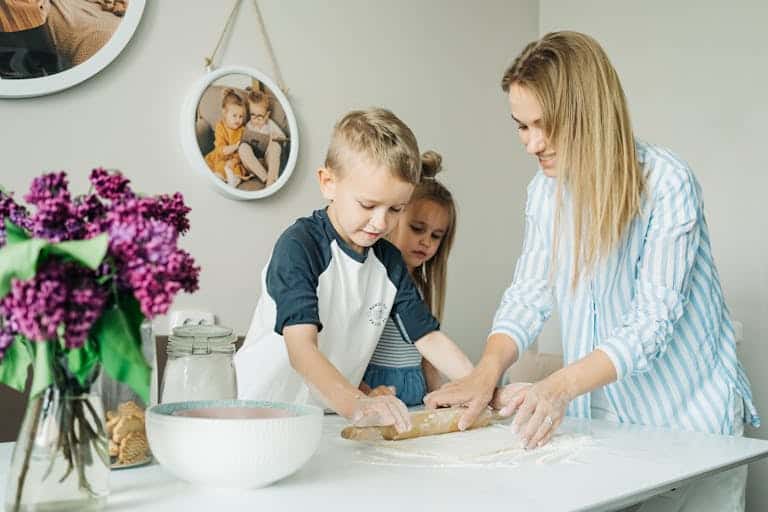
Toddlers love to feel helpful, so give them a small, manageable task like wiping the table or matching socks. Involving them in daily routines gives them a sense of purpose and teaches them valuable life skills from a very young age. They might not do it perfectly, but the pride on their face when they “help” is absolutely priceless.
This turns mundane housework into a shared activity where you can talk and work together as a team. It shifts the dynamic from you doing everything to them participating, which can reduce the need for distractions like the TV. Plus, it sets a foundation for responsibility that will grow as they get older.
Puzzles And Sorting Games
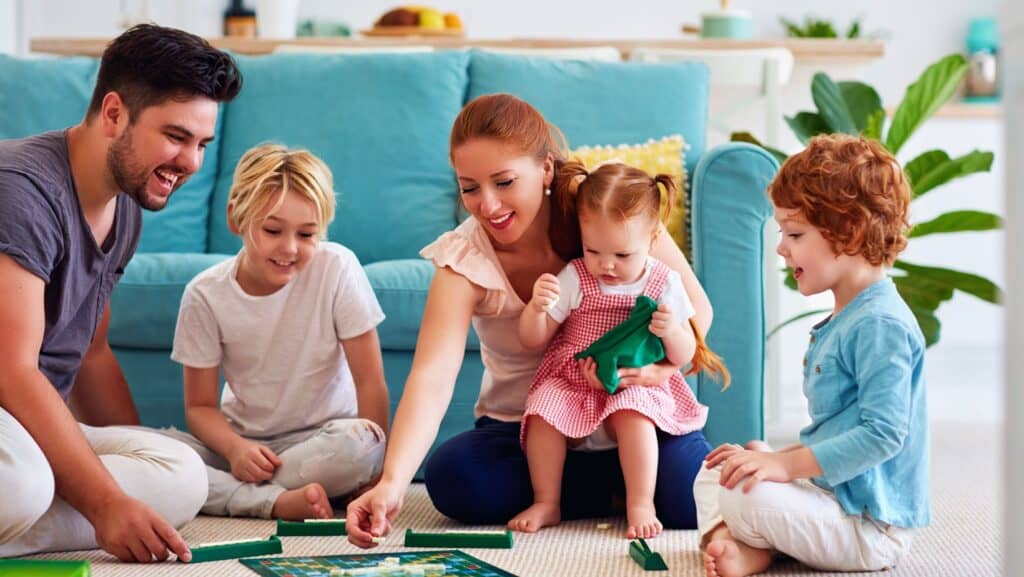
Bring out a chunky wooden puzzle or a shape sorter to challenge their problem-solving skills in a fun way. Figuring out where each piece fits encourages critical thinking and patience as they test different possibilities. You can also use everyday items, like sorting laundry by color or separating forks from spoons, to create a game.
These activities are excellent for cognitive development and allow for quiet, focused play time. Pew Research reported in 2025 that daily YouTube use for children under 2 jumped to 35%, but puzzles offer a much healthier brain workout. Watching them solve the puzzle on their own is a rewarding moment that builds their confidence to tackle new challenges.
Like our content? Be sure to follow us.