10 services that poor people spend on that the wealthy and middle class don’t
The cruel paradox of poverty is that the less money you have, the more you might spend to survive.
Financial inequality is about much more than the size of a paycheck or the balance in a savings account. It often comes down to the hidden costs of being broke. Wealthy and middle-class folks rarely think about the fees attached to accessing their own money. People living paycheck to paycheck, however, constantly face a barrage of predatory services that siphon away their hard-earned dollars.
These alternative financial products promise convenience but deliver a cycle of debt that is incredibly hard to escape. Families struggling to make ends meet are systematically charged more for basic transactions than those with comfortable financial safety nets. This disparity creates a system where it is literally more expensive to be poor. Let us examine the specific services that drain wealth from the most vulnerable Americans while bypassing the affluent entirely.
Pawn Shop Loans
Trading personal valuables for a fraction of their worth is a desperate move made by folks who have run out of options. These shops offer immediate cash without a credit check, but they charge exorbitant interest rates to buy the item back. A middle-class family would simply get a personal loan from their local credit union instead of pawning a family heirloom.
If the borrower misses the repayment deadline, the shop keeps the item and sells it for a massive profit. It is incredibly heartbreaking to watch vulnerable people lose their cherished possessions just to afford necessities. The rich never have to barter their jewelry or electronics to cover an unexpected utility bill.
Payday Loans
These short-term cash advances act like financial quicksand for families desperate to cover basic bills before their next paycheck arrives. Instead of providing a genuine lifeline, these storefront lenders trap borrowers in a vicious cycle of rolling over the same debt month after month. Wealthy Americans never have to resort to these measures because they can simply tap into savings or use a low-interest credit card.
According to InCharge Debt Solutions, the average payday loan borrower spends $520 in fees to repeatedly borrow just $375, staying in debt for five months of the year. That is an astronomical price to pay just to keep the lights on or put groceries in the fridge. The middle class entirely sidesteps this trap, leaving the poorest households to foot the bill for predatory lending practices.
Check Cashing Services
Most people deposit their paychecks straight into a traditional bank account using a smartphone app without paying a single dime. Unbanked individuals, on the flip side, are forced to hand over a chunk of their earnings just to access their own money. These storefronts charge a percentage of the check’s total value, meaning the worker takes home less than they actually earned.
The FDIC’s 2023 survey revealed that 14.2% of U.S. households, or about 19 million homes, are considered underbanked and rely heavily on pricey nonbank services like check cashers. Losing a few dollars every week might not seem like much to a rich person, but it adds up to a massive loss of wealth over a lifetime. Affluent families simply do not pay a premium just to turn a piece of paper into usable cash.
Money Order Services
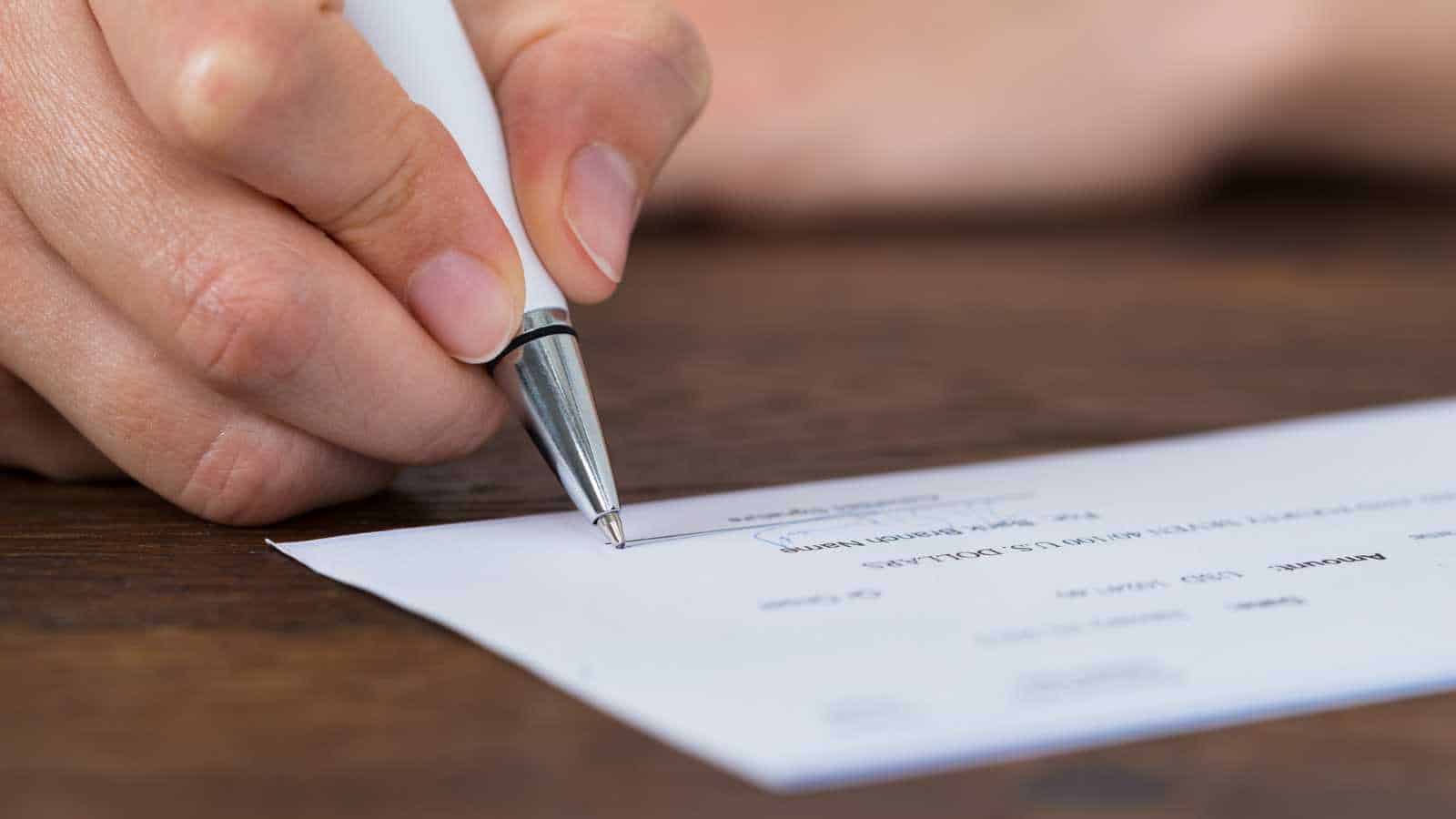
Writing a personal check is a free and completely normal way to pay rent for the vast majority of Americans. Unfortunately, landlords often demand guaranteed funds from tenants with shaky financial histories, forcing them to purchase money orders. Every single trip to the grocery store or post office to buy one of these slips adds another unnecessary fee to their monthly expenses.
These seemingly tiny charges act like a slow leak in a tire, quietly draining resources that could be used for food or savings. The affluent have no concept of paying a premium just to hand their money over to someone else. It is yet another minor inconvenience that translates into a tangible financial penalty for the working poor.
Overdraft Protection Fees

Traditional banks often market overdraft coverage as a helpful courtesy that prevents embarrassing card declines at the grocery store checkout. In truth, this service is a punitive penalty that hits people exactly when their bank accounts are empty. A wealthy person with thousands in checking never triggers this fee, while someone living on the edge gets slapped with a $35 charge for a $4 cup of coffee.
Data from the Consumer Financial Protection Bureau shows that banks collected $5.8 billion in overdraft and nonsufficient fund fees in 2023 alone. This staggering figure proves that major financial institutions are padding their profits by heavily penalizing the poorest account holders. The middle class avoids this totally by maintaining comfortable buffer balances that keep their accounts safely in the green.
High Interest Auto Title Loans

Using a car as collateral for a quick infusion of cash sounds like a logical fix for a sudden mechanical breakdown or medical emergency. The reality is that these agreements come with crippling interest rates that frequently lead to vehicle repossession. The wealthy simply pull from an emergency fund when disaster strikes, entirely avoiding the risk of losing their primary mode of transportation.
A report by the Pew Charitable Trusts found that title loan customers spend a staggering $3 billion on auto title loan fees each year. Losing a car means losing the ability to get to work, which only deepens the financial hole for struggling workers. This predatory product exists almost exclusively to drain the limited assets of the working poor.
Rapid Tax Refund Advances

Tax season is supposed to be a time of financial relief for lower-income workers who rely heavily on government credits. Predatory tax preparers exploit this anticipation by offering immediate cash advances that secretly carry ridiculous hidden fees. A financially stable family happily waits a few weeks for the IRS to process their return without paying an intermediary for early access.
These anticipation checks take a massive bite out of the only significant lump sum many struggling families receive all year. Surrendering a portion of a crucial tax refund just to get it a few days early keeps poor folks locked in a state of financial desperation. The wealthy use their tax returns to build investments, while the poor are forced to squander theirs on manufactured impatience.
Rent To Own Retailers

Buying a new couch or refrigerator is a standard weekend errand for someone with a comfortable salary and good credit. For those without extra cash, specialized stores offer the illusion of affordability through low weekly payments. Unfortunately, these payment plans disguise massive markups that exploit consumers who cannot qualify for traditional financing.
Industry data from MoveZen Property Management indicates that rent-to-own agreements generally force consumers to pay 20% to 50% above standard market rent. By the time the final payment clears, a struggling family has paid double or triple what a middle-class buyer would have spent outright. It is a classic example of how a lack of capital upfront forces people to pay a massive premium over the long haul.
Prepaid Debit Cards

Swiping a piece of plastic at the cash register is how virtually everyone buys things today, but the type of card matters immensely. While affluent consumers use premium credit cards that offer cash back and travel rewards, marginalized groups are stuck with fee-loaded prepaid cards. These alternatives nickel and dime their users with charges for activation, monthly maintenance, and even checking the balance.
The FDIC notes that 4.2% of U.S. households, representing 5.6 million homes, were entirely unbanked in 2023, pushing many to use fee-heavy prepaid cards just to manage daily expenses. Paying money just to spend your own money is an absurd concept to anyone with a standard checking account. This disparity means that the poorest Americans subsidize the financial system while receiving absolutely none of the perks.
Subprime Auto Lending

Securing reliable transportation is essential in most American cities, but the cost of getting behind the wheel varies wildly. Buyers with poor credit are steered into specialized dealerships that tack on astronomical interest rates to cheap, unreliable cars. A wealthy buyer simply secures a single-digit interest rate from a major bank and drives off the lot with a brand new warranty.
These high-risk loans often result in monthly payments that rival a mortgage, making default a highly likely outcome. When the car inevitably breaks down, the borrower is stuck paying for a useless vehicle just to avoid ruining their credit further. Middle-class drivers enjoy manageable payments and dependable cars, totally dodging the subprime debt trap.
Like our content? Be sure to follow us.