
11 everyday American habits the rest of the world thinks are bizarre
What passes as routine in one country can quietly reveal just how unusual normal really is somewhere else.
People across the globe love diving into different cultures to see how folks live, eat, and socialize. Americans certainly have their fair share of daily routines that seem completely normal within the borders of the fifty states. However, travelers crossing the ocean often find themselves totally bewildered by some of these casual customs.
Many common practices that feel like second nature in the States leave international tourists scratching their heads. Exploring these quirky cultural differences reveals just how fascinating human behavior can be from one continent to another.
Adding Mountains Of Ice To Every Beverage

Ordering a simple glass of water or soda at an American restaurant usually guarantees a cup filled to the brim with frozen cubes. Waiters will happily refill the crushed ice before the drink even gets warm, which absolutely shocks European visitors. Asking for a beverage without ice frequently results in a confused look from the friendly server behind the counter.
Tourists often complain that they get very little actual liquid in their cups due to the sheer volume of frozen water. The intense obsession with chilled beverages seems unnecessary to people who grew up drinking tepid tap water. Most foreign visitors simply prefer their drinks at room temperature to actually taste the flavor instead of freezing their taste buds.
Tipping Generously For Almost Every Service
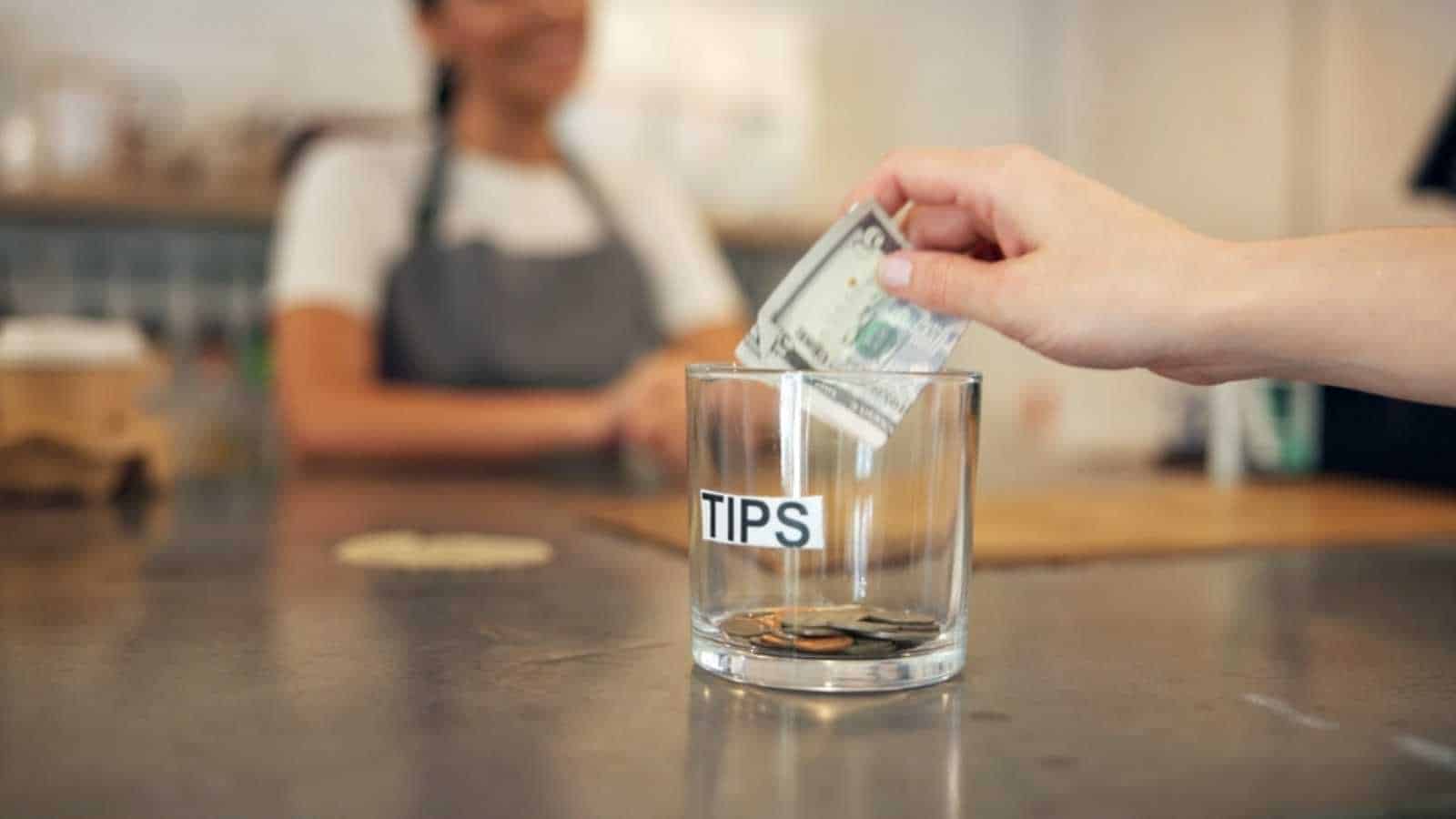
Handing over extra cash at the end of a meal feels like an absolute requirement rather than a polite bonus. International visitors constantly stress over the math required to figure out the proper gratuity for their waiters. According to a recent 2023 Pew Research Center survey, 72 percent of United States adults say tipping is expected in far more places today than five years ago.
Many countries pay their hospitality staff a standard living wage, completely removing the need for a tip at the end of the night. Tourists panic when they see the suggested gratuity percentages printed at the bottom of their coffee shop receipts. Americans accept tipping as a normal part of dining out, but tourists find the hidden costs incredibly frustrating.
Serving Massive Portion Sizes At Restaurants
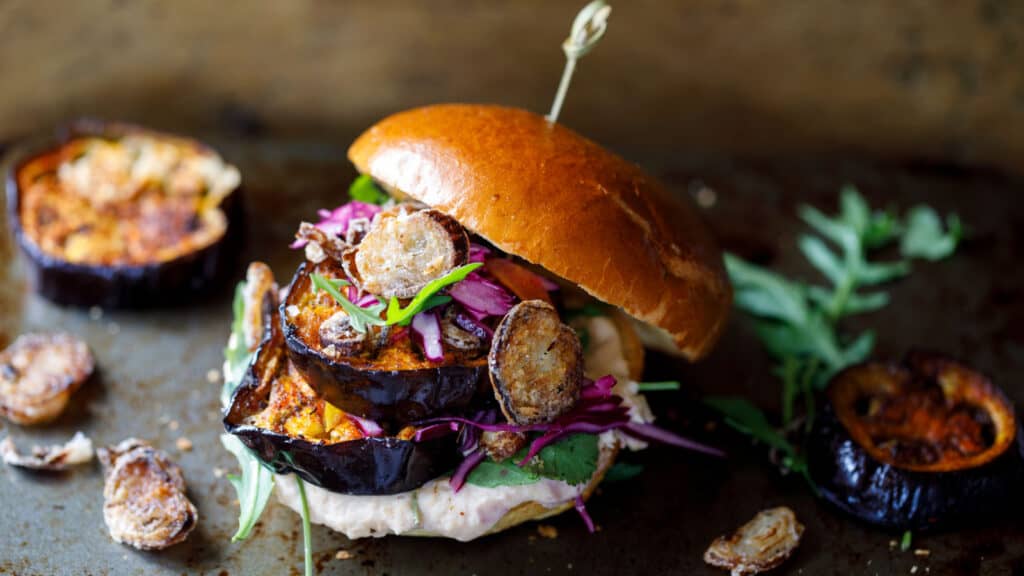
Anyone ordering a standard appetizer in the States might mistake the plate for a family dinner meant to feed four people. Restaurants pride themselves on providing massive value, piling French fries and burgers high on enormous platters. A 2025 report from the United States Department of Agriculture shows the average American consumes roughly 68.1 pounds of meat in 2021, heavily driven by these massive restaurant sizes.
Taking a box of leftovers home is a highly expected practice that many global cultures simply do not understand. Foreign diners often struggle to finish half of their main course before waving the white flag of surrender. This super-sized approach to dining stands in stark contrast to the modest plating found across European cafes.
Asking Strangers How They Are Doing

Walking into a store usually triggers a cheerful greeting from the cashier, asking about your current state of well-being. Americans use this phrase simply to say hello, completely disregarding any expectation of a genuine or detailed response.
Answering a polite greeting with a detailed medical history is a common and hilarious mistake made by tourists. The cultural expectation dictates a quick and cheerful reply before moving on with the transaction. This friendly but superficial verbal exchange perfectly highlights the outgoing nature of American social interactions.
Using Bright Red Solo Cups For Parties

Hollywood movies have broadcast the image of the iconic plastic drinking vessel to audiences all over the globe. International viewers often assume these colorful containers are just fake props used exclusively by movie studios to save money. Finding out that every college party and backyard barbecue actually uses these exact items is a shocking revelation for visitors.
The bright plastic cups are cheap, sturdy, and hold a significant amount of liquid for a long evening of socializing. Grocery stores dedicate entire aisles to these party essentials during the warm summer months. Foreigners love taking a stack of these legendary cups back home as literal souvenirs from their overseas adventures.
Depending Heavily On Air Conditioning

Stepping into an office building during the middle of July usually requires a heavy sweater to survive the freezing indoor climate. The obsession with artificial cooling means that movie theaters and shopping malls feel like literal refrigerators. According to the United States Energy Information Administration, 88 percent of American households actively use air conditioning equipment.
Europeans typically rely on cross ventilation and open windows to deal with the warm summer heat. The constant hum of cooling units running day and night is an auditory backdrop that tourists struggle to ignore. Adjusting to the drastic temperature changes between the hot pavement and an icy grocery store causes major culture shock.
Leaving Vast Gaps In Public Bathroom Stalls
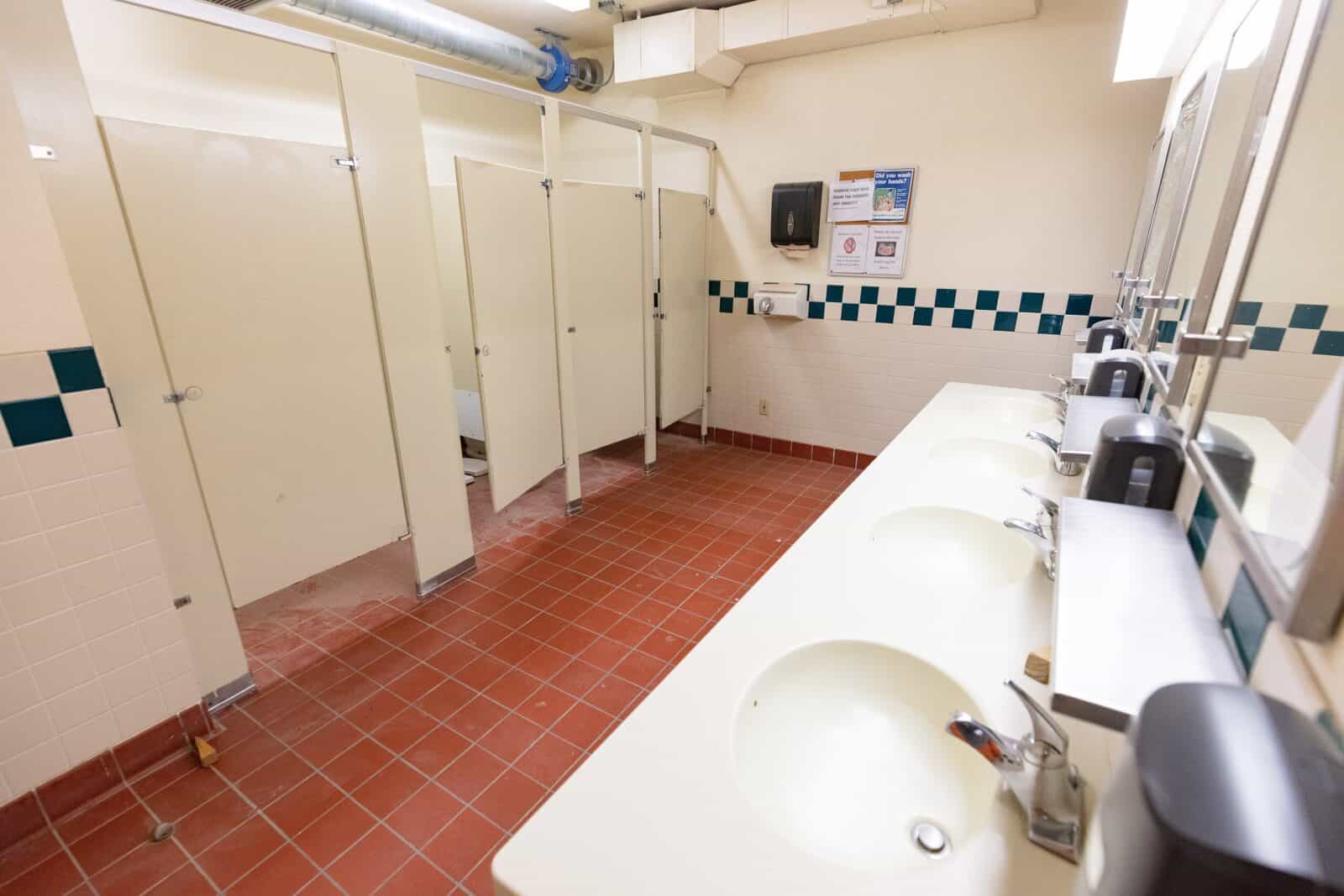
Using a public restroom should be a private affair, but the design of standard American stalls makes that nearly impossible. The wide spaces between the metal doors allow anyone walking past to make direct eye contact with the person inside. Travelers accustomed to fully enclosed European water closets find this lack of basic privacy completely mortifying.
The raised floors and lowered ceilings expose far more than necessary during a quick trip to the facilities. Facility managers claim this open design makes cleaning the floors much easier for the janitorial staff. Most international visitors would gladly trade a spotless floor for a sturdy door that actually reaches the ground.
Doing Everything Through a Drive-Thru Window

Staying in the driver’s seat to handle banking, food, and pharmacy needs is the ultimate symbol of Western convenience. Pedestrian-friendly cities abroad simply do not have the physical space to accommodate endless lines of idling vehicles. A 2025 PYMNTS report found that 59 percent of Americans who drink coffee buy it from a drive-thru.
Eating a full meal while driving through busy highway traffic is a multitasking skill that astounds overseas guests. The heavy reliance on automobiles shapes the entire physical layout of sprawling suburban neighborhoods. Tourists are completely fascinated by the ability to grab a cappuccino without ever unbuckling their seatbelts.
Writing The Date In A Confusing Format

Placing the month before the day makes absolutely zero logical sense to the vast majority of the human population. The rest of the globe arranges its calendars in ascending order of time, starting with the day and ending with the year. Booking international flights or reading expiration labels frequently results in comical scheduling errors for foreign tourists.
Refusing to adopt the global standard creates endless headaches for international business transactions and simple communication. Americans defend their method by pointing out that people naturally say the month out loud before the specific day. Despite the logical arguments from both sides, this stubborn chronological habit remains a permanent fixture of daily life.
Displaying The National Flag Everywhere
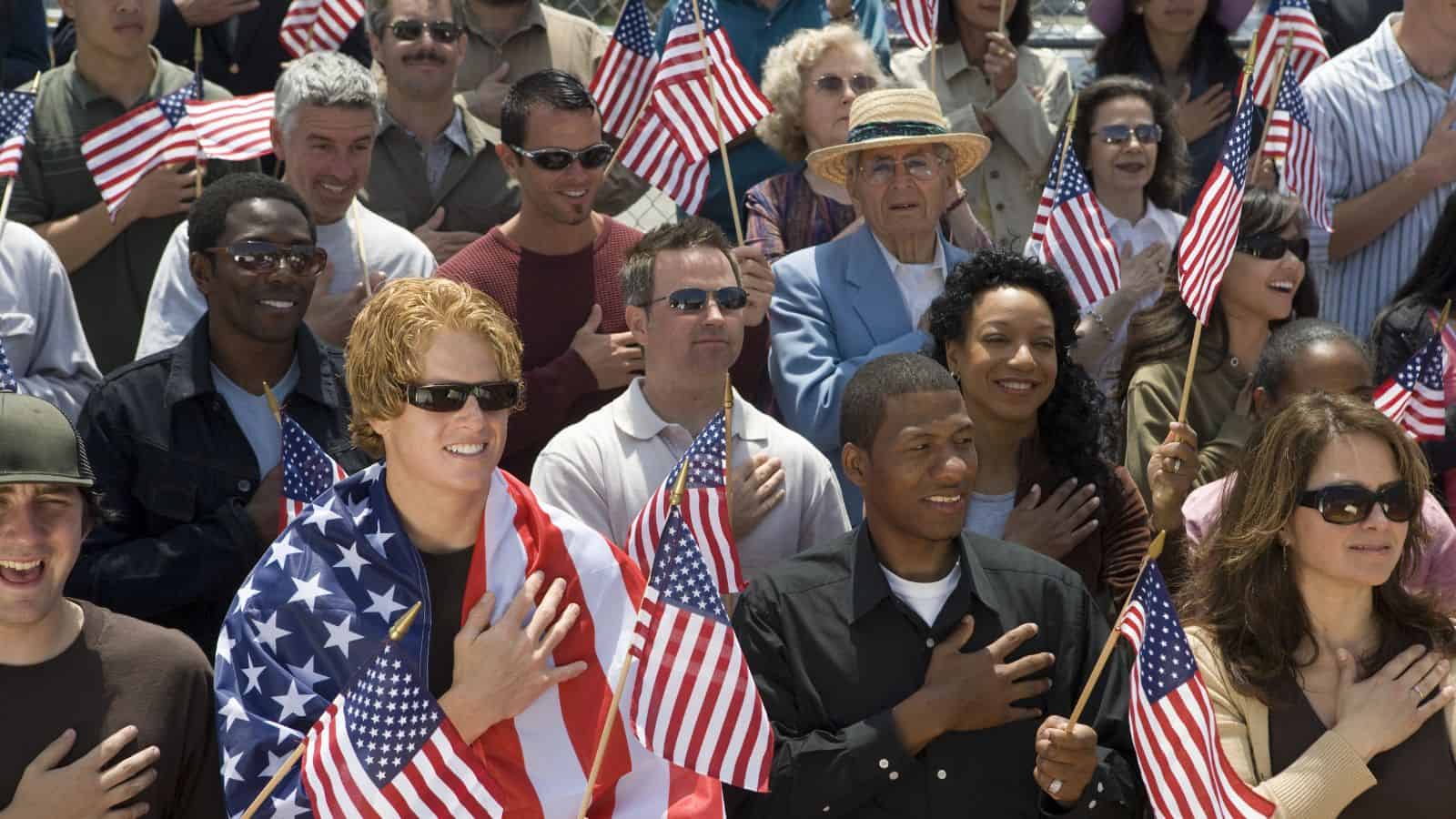
Patriotism takes a highly visual form with red, white, and blue banners hanging from residential porches and commercial buildings alike. Most other nations reserve their national symbols for government buildings or major international sporting events. A 2021 YouGov poll found that an impressive 72 percent of Americans say the American flag makes them feel proud.
Driving down a standard suburban street reveals a staggering number of stars and stripes fluttering in the wind. The deep pride associated with displaying these colors feels almost mandatory during summer holidays like the Fourth of July. Tourists often feel like they walked onto a patriotic movie set simply by visiting a regular residential neighborhood.
Leaving Hard-Earned Vacation Days Unused

European workers regularly enjoy four to six weeks of mandated time away from their jobs to recharge and travel. The corporate culture in the United States actively discourages taking an extended break from office responsibilities. Checking work emails by the hotel pool is a tragic reality for employees trying to relax on a weekend getaway.
International friends cannot fathom voluntarily giving back paid leisure time to a wealthy corporate employer. The social pressure to remain productive forces many professionals to cancel their hard-earned travel itineraries. This intense dedication to the daily grind leaves the rest of the civilized globe feeling deeply concerned for American mental health.
Like our content? Be sure to follow us






.jpg?uselang=en#Licensing)