11 hotel room red flags you should check immediately
Before you drop your bags or touch the bedspread, a five-minute hotel room check could be the difference between a smooth stay and a costly nightmare.
Walking into a hotel room usually marks the start of a relaxing getaway or a productive business trip. You might feel tempted to flop onto the bed immediately after a long flight. However, seasoned travelers know that taking five minutes to inspect the space can save you from a disaster. Ignoring the warning signs could result in sleepless nights or unwanted pests coming home with you.
This inspection does not have to be a difficult chore that takes up your evening. A quick look around key areas will tell you if the room is safe and sanitary. From the bathroom corners to the door lock, these red flags are easy to spot if you know where to look. Here are the things you need to check before you even think about unpacking your suitcase.
Evidence Of Bed Bugs
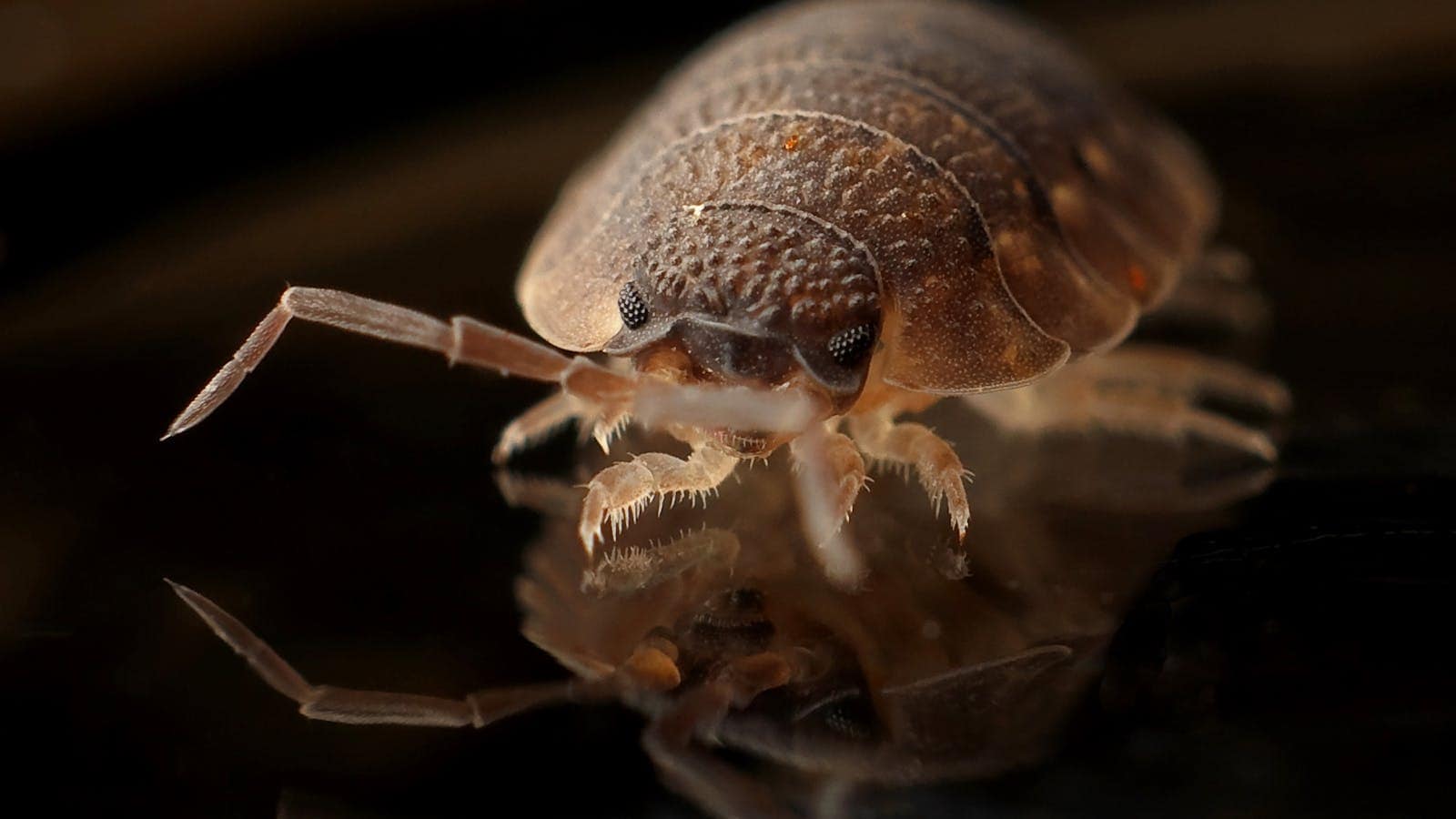
You should never put your suitcase on the bed until you have thoroughly inspected the mattress. Orkin released a 2025 report listing Chicago as the number one city for bed bug infestations for the fourth year in a row. These critters are excellent hitchhikers and can easily crawl into your luggage if you are not careful with where you place it.
Peel back the sheets and look closely at the mattress seams for any signs of movement. Dark rust colored spots on the fabric are a major indicator that bugs have been feeding there recently. If you spot anything suspicious during this check, grab your bags and demand a different room immediately.
The Television Remote Control

Housekeeping staff work hard, but they often forget to sanitize small electronics between guests. The television remote is often one of the dirtiest objects found in a hotel room. It collects oils, food particles, and bacteria from hundreds of hands without ever coming into contact with a disinfectant wipe.
You can protect yourself by wrapping the device in the plastic laundry bag found in the closet. This simple trick allows you to change the channel without actually touching the germ-covered surface. It is a quick fix that keeps your hands clean while you relax and watch a movie.
Hidden Cameras In Devices

The idea of being watched is frightening, but it is a valid concern for modern travelers. A recent survey by IPX1031 revealed that 58% of Americans are worried about hidden cameras in vacation rentals and hotels. You should take a moment to scan the room for anything that looks out of place or blinks oddly.
Check smoke detectors, alarm clocks, and even USB chargers for suspicious lenses or lights. Shine your smartphone flashlight on these devices to see if a camera lens reflects the light back at you. If you find anything that makes you uncomfortable, cover it up and contact the front desk right away.
Mold In Bathroom Corners

Hotel bathroom ventilation is often poor, creating a perfect breeding ground for fungus. Breathing in mold spores can trigger allergies or asthma attacks within minutes of entering the room. You need to inspect the ceiling above the shower and the grout lines between the tiles for black spots.
If the air smells heavy or damp, that is usually the first sign of a moisture problem. Do not stay in a room that smells like a wet basement, as this indicates long-term water damage. Request a move to a different floor where the air quality is likely to be significantly better.
Stains On The Bed Sheets

A made bed does not always guarantee that the linens are fresh or clean. You must pull back the heavy comforter to inspect the sheets and pillowcases for any leftover hair or stains. Sometimes, housekeeping might smooth out used sheets if they look visually clean to save time during a rush.
Finding a stray hair or a yellow spot is a clear sign that the bed was not changed. Business Travel News says a 2024 J.D. Power study found that overall hotel guest satisfaction has dropped to 647 out of 1000 points, largely due to room condition. Do not accept a dirty bed when you are paying for a premium experience.
Compromised Door Locks
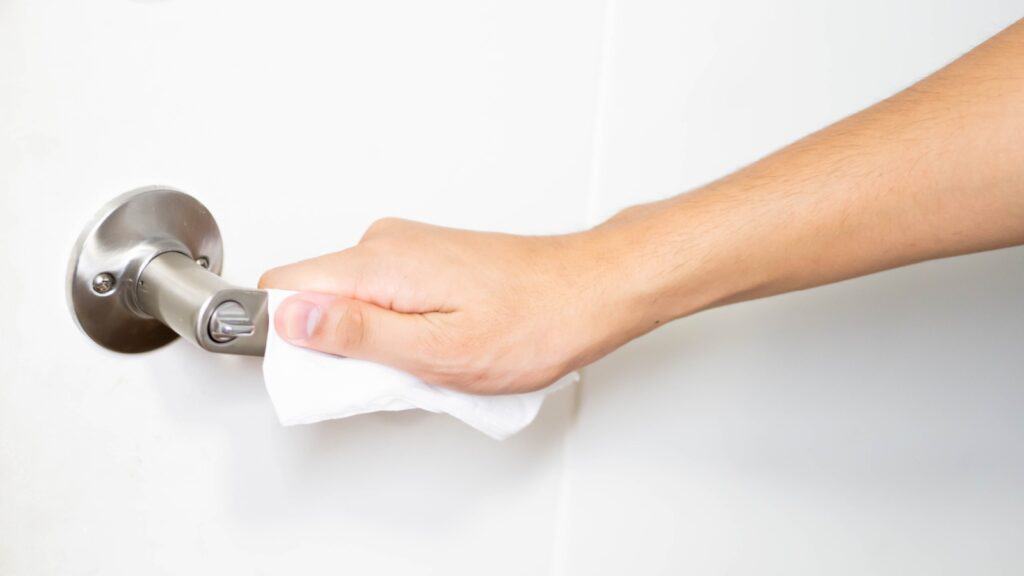
Your safety depends entirely on whether the door can actually keep intruders out. The electronic lock might turn green, but the deadbolt or safety latch could still be broken. Throw your bag down and test every locking mechanism on the door before you get comfortable.
Wiggle the handle from the inside to see if the latch catches firmly without slipping. A loose or damaged lock is a serious security risk that you should never ignore. If the door does not feel secure, tell the management that you cannot stay in that room.
Carpet Smells And Stains

Carpets act like a sponge for spills, dirt, and moisture that accumulate over the years. If you walk in and are hit with a musty odor, the carpet is likely harboring mildew or old filth. Look for large, damp patches or sticky areas near the bedside tables and the entryway.
Walking barefoot on a questionable hotel carpet is a risk you should avoid taking. Wear your socks or travel slippers to protect your feet from whatever is hiding in those fibers. A bad smell is usually a sign that the room has not been deep-cleaned in a very long time.
Frayed Electrical Cords
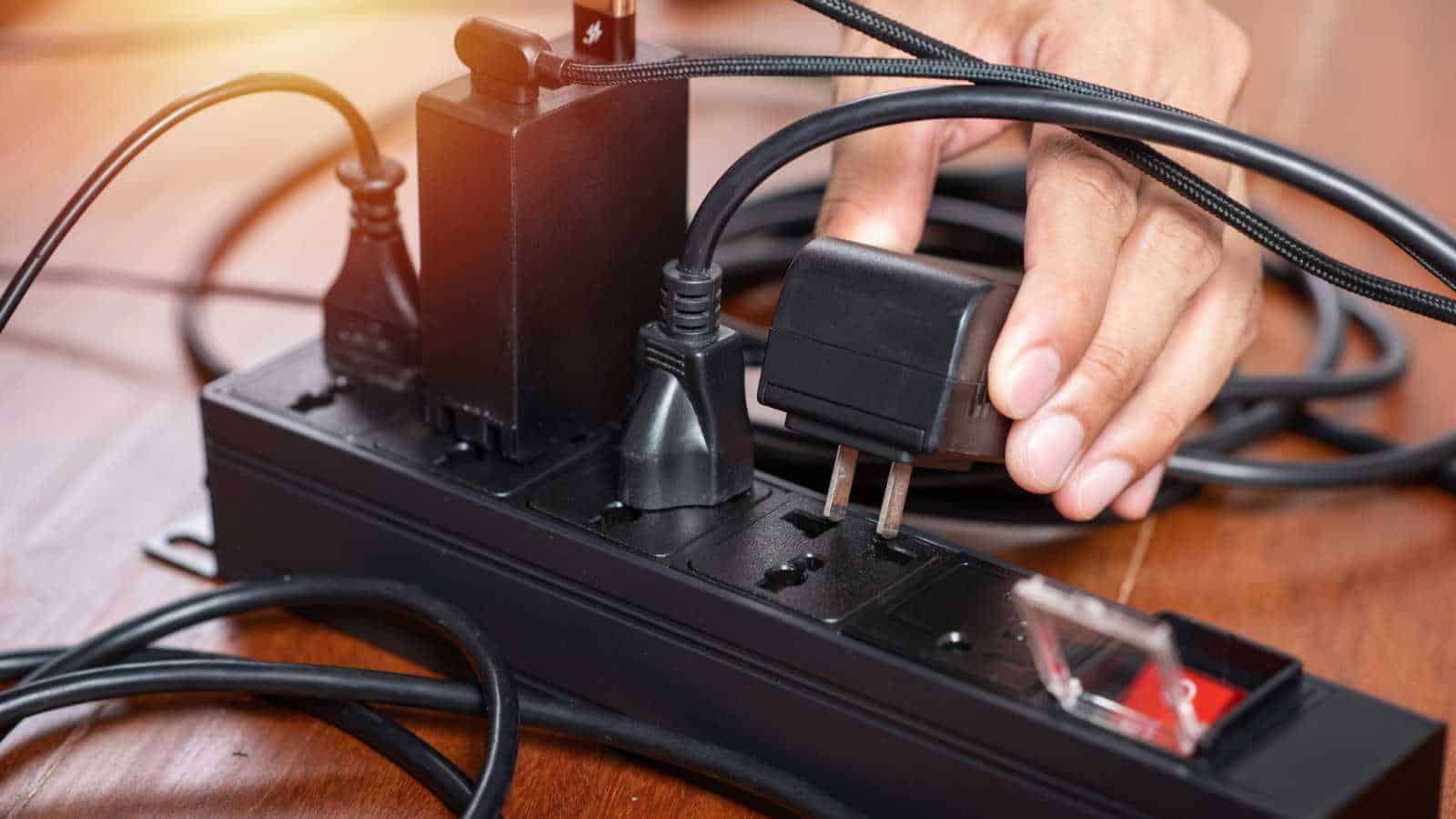
Hotels often use the same lamps and alarm clocks for a decade or more. Worn-out cords behind the nightstand can pose a serious fire hazard while you sleep. Take a quick peek behind the furniture to see if the plastic coating on the wires is cracked or chewed.
Do not use any outlet that looks scorched or feels loose when you plug in your charger. The risk of an electrical short is much higher in older buildings with outdated maintenance. Unplug any damaged appliances immediately and notify the front desk of the safety issue.
Dust On High Surfaces

Thick dust on the headboard or top of the wardrobe shows a lack of attention to detail. If the cleaners missed the visible dust, they likely missed sanitizing the high-touch areas, too. Swipe a finger across the top of the picture frames or the lampshade to check for grime.
Heavy dust accumulation can make the air in the room feel stuffy and irritate your throat. The American Hotel & Lodging Association noted in 2025 that 65% of hotels are facing staffing shortages, which affects the thoroughness of cleaning. Seeing dust clumps is a warning that the room was cleaned in a hurry.
Inconsistent Water Temperature
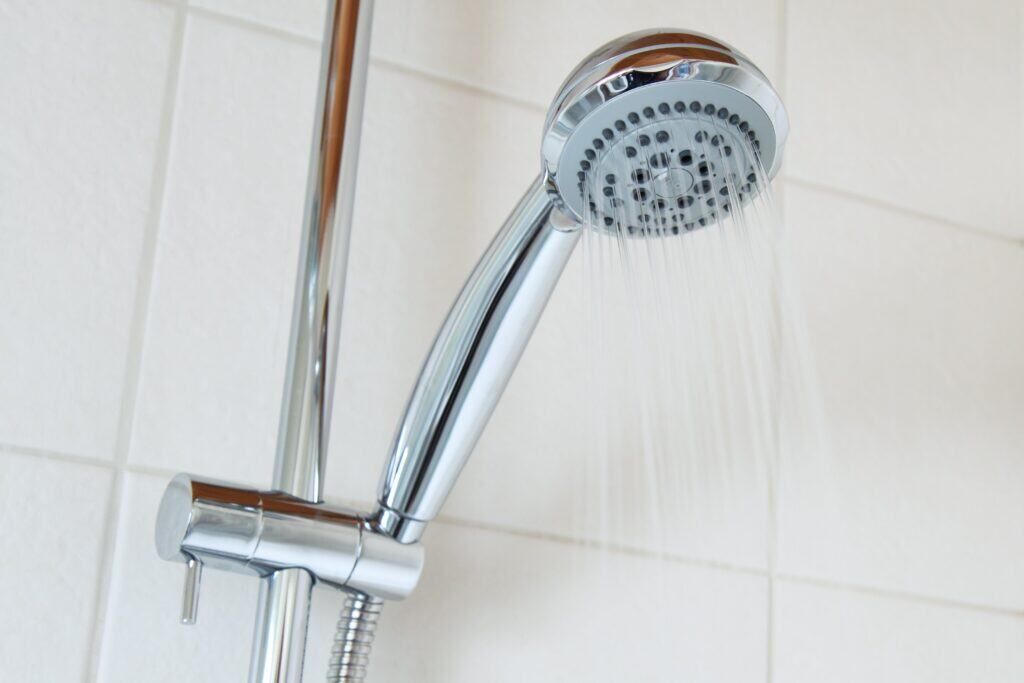
Nothing ruins a morning faster than a shower that refuses to get hot. Turn on the shower taps as soon as you arrive to check the water pressure and temperature. It is better to find out now than when you are naked and covered in soap the next morning.
Let the water run for a minute to see if it turns brown or smells like rust. Old pipes can leach minerals into the water, which can stain your skin and hair. If the water is not clear and hot, ask maintenance to fix it or move you.
Pest Droppings In Drawers
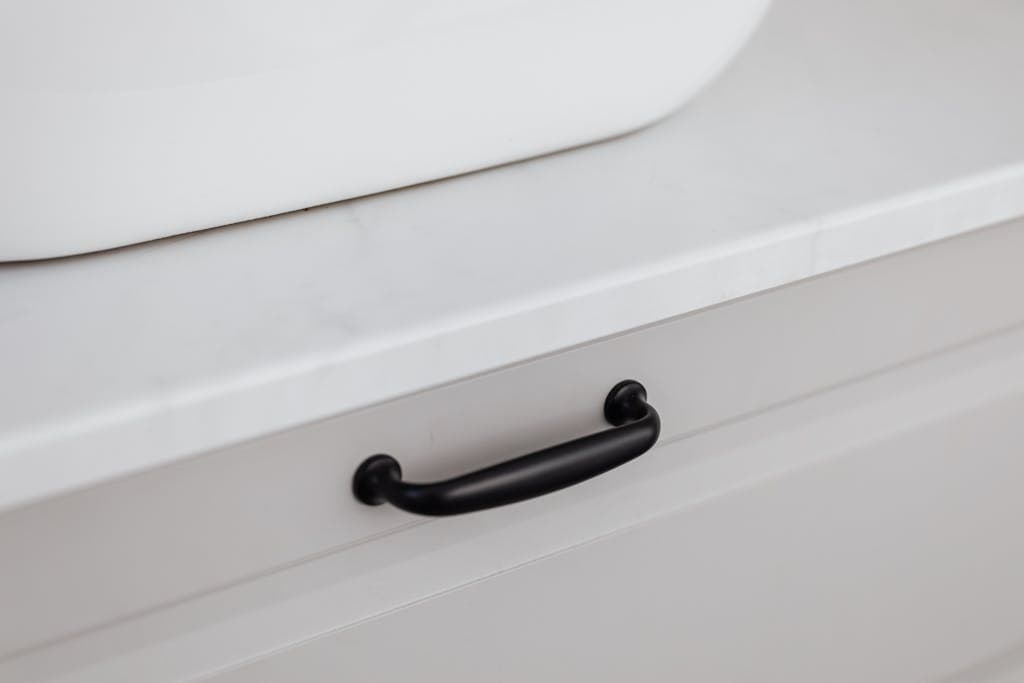
Many travelers throw their clothes into the dresser without looking inside first. Open the drawers and shine a light in the corners to check for small black pellets. Rodent or cockroach droppings are a sign of a serious infestation that the hotel has failed to address.
You should keep your luggage zipped up and elevated on the rack rather than using the furniture. Pests are most active at night, so finding evidence during the day means there are many of them. This is an absolute dealbreaker that warrants a refund and a departure.
Like our content? Be sure to follow us