11 reasons Gen Z is refusing to answer doorbells
A once-friendly ring at the door has become a symbol of anxiety, technology, and shifting boundaries for a generation redefining how and whether they engage face to face.
Remember the days when a doorbell ring meant excitement? A neighbor dropping by with cookies or a friend looking to play. Those days are largely gone, replaced by a generation that views an unexpected doorbell as a borderline crisis event. For Gen Z, that chime isn’t an invitation; it’s an intrusion that sends them hiding behind the couch.
It’s not that they are rude or antisocial, but the rules of engagement have fundamentally changed for young adults today. Between rampant anxiety and the technology that lets them screen the world, opening the door feels outdated and risky. They are rewriting social norms one unanswered Ring notification at a time.
The Text-First Mentality

If you haven’t sent a preliminary text, you do not exist. Gen Z operates on scheduled interactions, and the pop-up visit is a major social faux pas. Why would they open the door for a complete mystery when everyone they know has their number?
It sounds extreme, but consider the data on real-time communication. According to a CommBank Everyday survey, 49% of Gen Z feel anxious about simply speaking on the phone. If a phone call causes panic, imagine the stress of a physical stranger standing five feet away.
Screening Via Smart Doorbells
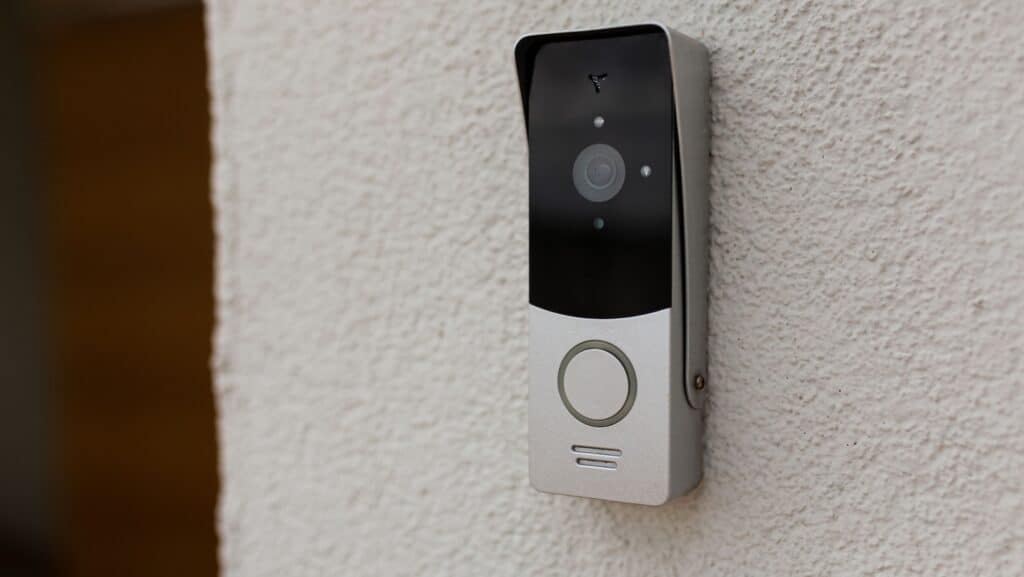
Technology has given this generation the ultimate peephole. Why get up when you can check your phone to see if it’s a salesperson or just an Amazon delivery? It is much safer to assess the situation from the comfort of the bedroom.
The adoption of this technology is massive across the country right now. Parks Associates research showed that as of 2025, 20% of US internet households already owned a video doorbell. With that kind of visibility, actually opening the door becomes entirely optional.
Stranger Danger Rebooted

This generation grew up with constant warnings about the dangers lurking outside. The “don’t talk to strangers” mantra wasn’t just for playgrounds; it applied to the front porch, too. That ingrained childhood caution doesn’t magically vanish when you turn twenty.
True crime podcasts and documentaries are staples of many young adults’ media diets. While entertaining, they also reinforce the idea that opening your door to an unknown person is the first step in a horror movie plot. They would rather be safe and perceived as rude than polite and regret it.
Prioritizing Mental Health Spoons

Gen Z is hyper-aware of their mental energy, often referred to as “spoons.” An unexpected social interaction requires spending energy they might not have banked for the day. Protecting their peace often means ignoring the door to avoid draining their social battery.
The stress loads this generation carries are verifiable and significant. The American Psychological Association reported in 2023 that Gen Z adults report higher stress levels than prior generations. Sometimes, dealing with the person on the porch is just one stressor too many.
The Rise Of Contactless Delivery

The pandemic solidified a culture where interaction isn’t necessary for commerce. You order food, it gets dropped off, and you retrieve it like a ninja once the driver leaves. There is almost zero expectation that you need to physically take a package from someone’s hands anymore.
This preference has stuck around long after lockdowns ended. Elite Extra cites a McKinsey & Company study saying 60% of consumers still prefer contactless services. If the pizza guy doesn’t expect the door to open, why should anyone else?
Fear Of Solicitors And Scams

Nobody likes being sold something on their own doorstep, but Gen Z is acutely aware of being targeted. The person knocking is rarely bearing gifts; they are usually selling solar panels or religion. Opening the door feels like voluntarily walking into a high-pressure sales pitch.
Their wariness regarding fraud is actually quite justified by the data. According to FTC data, younger adults (ages 20-29) reported losing money to fraud more often than older adults. Ignoring the knock is a simple, effective defensive strategy against real-world scams.
Deep Immersion In Headphones

Let’s be practical: sometimes they genuinely just don’t hear it. Between high-quality noise-canceling headphones and intense gaming sessions, the outside world is muted. A standard doorbell simply cannot compete with the immersive audio volume of modern life.
If they are deep into a remote work meeting or a multiplayer game, the doorbell is a background annoyance. Breaking focus to deal with an unknown variable at the door is highly disruptive. Unless the house is actually on fire, the headphones are staying on.
Not The Homeowner Anyway

Many Gen Zers are living at home longer or renting with multiple roommates. If they don’t own the property, they often don’t feel authorized or obligated to manage unexpected visitors. The mentality is often “not my house, not my problem” when the bell rings.
They might assume the visitor is a parent or another roommate. If they aren’t expecting anyone personally, taking charge of the door interaction feels unnecessary. It is easier to just wait and see if someone else deals with it first.
Social Anxiety Spikes

Beyond general stress, specific social anxiety plays a huge role in ignoring the door. The pressure to perform socially on the spot without preparation is terrifying for many. The thought of awkward small talk with a neighbor is enough to induce palpitations.
This isn’t just shyness; it is a prevalent issue among the demographic. A study in Cyberpsychology, Behavior, and Social Networking indicated high levels of social anxiety among Gen Z related to both online and offline interactions. Avoiding the door is often a coping mechanism for genuine psychological distress.
The Death Of The Drop-In

Cultural norms have shifted away from the casual “pop-by.” In previous decades, neighbors just showed up, but today that is seen as intrusive behavior. In 2026, if you respect someone’s time, you schedule your visits in advance.
Gen Z interprets an unscheduled knock as a lack of boundaries. It signals that the person outside doesn’t understand modern social etiquette. By not answering, they are silently reinforcing the boundary that unannounced visits are unacceptable.
Waiting For The “All Clear” Text

Even when they know a delivery has arrived, the door remains closed until the coast is clear. They will watch the driver drop the package and drive away before making their move. It is a tactical retrieval operation designed to minimize human contact.
This behavior ties back to the desire to control the interaction completely. Opening the door while someone is there introduces unpredictability that they don’t want. The safest approach is always to grab the goods once the human element has been removed.
Like our content? Be sure to follow us