11 Things Lifeguards Wish You Knew Before Jumping In
There’s something about a sparkling pool or the sound of waves crashing on the shore that draws people in. Whether you’re headed to a local lake, your backyard pool, or the ocean, swimming and water recreation are among summer’s greatest joys. But water, calm or rough, can quickly turn dangerous if basic precautions aren’t followed. Every year, thousands of people are injured or killed in preventable water-related incidents. Fortunately, most of these tragedies can be avoided with a little preparation, awareness, and respect for the water.
Drowning: A Silent Threat

Drowning isn’t always what it looks like in the movies. There may be no flailing arms or calls for help. According to the CDC, drowning is often silent and fast, taking as little as 30 seconds. It remains the leading cause of death for children ages 1 to 4 and the second leading cause of unintentional injury death for children ages 5 to 14. For adults, alcohol, medical conditions, and lack of swimming ability are contributing factors.
Learn to Swim—and Know Your Limits

Swimming is a life skill. The American Red Cross recommends that everyone learn basic swimming techniques, including how to float, tread water, and perform simple strokes. If you’re supervising children, being a strong swimmer is critical. But even confident swimmers can get into trouble in open water. Currents, waves, and unexpected drops in depth can disorient even the most skilled. Always swim in designated areas, preferably where lifeguards are present, and never swim alone.
Pool Safety Basics

Pools may seem safer than oceans or lakes, but they pose unique risks, especially for children. Here’s how to minimize them:
- Supervise closely: Children should never be left unattended near water. Drowning can happen in seconds, even in shallow water.
- Install barriers: Home pools should be surrounded by a four-sided fence at least four feet high with a self-latching gate. Pool covers and alarms provide added security.
- Use drains with care: Pool and hot tub drains can pose an entrapment hazard. Ensure drains are compliant with the Virginia Graeme Baker Pool and Spa Safety Act, and never let children play near suction outlets.
- Keep safety gear on hand: Have life rings, reaching poles, and a charged cell phone nearby in case of emergency.
Beach and Open Water Hazards

Natural bodies of water are more unpredictable than pools. They can conceal drop-offs, strong currents, and debris. Here’s what to look out for:
- Rip currents: These powerful, narrow currents can pull swimmers out to sea. If caught in one, don’t fight it. Swim parallel to shore until free, then head back to land. Look for posted signs or ask a lifeguard if you’re unsure whether rip currents are a risk.
- Waves and tides: Large waves can knock you down or carry you into deeper water. Tide schedules change throughout the day and can catch beachgoers off guard.
- Weather changes: Storms can roll in quickly, especially near the ocean. Lightning is extremely dangerous near water. At the first sound of thunder, get out and seek shelter.
- Water quality: Some lakes and beaches may post warnings about bacteria levels or harmful algal blooms. Check local advisories before swimming.
Life Jackets Save Lives

For boating, paddleboarding, kayaking, or young or inexperienced swimmers, life jackets are non-negotiable. The U.S. Coast Guard requires life jackets on boats, and they must be U.S. Coast Guard-approved, properly fitted, and in good condition. Pool floaties and inflatable toys are not safety devices and give a false sense of security.
Don’t Rely Solely on Lifeguards

Lifeguards are trained professionals, but they can’t watch every individual at all times, especially during peak hours. Parents and caregivers must stay within arm’s reach of small children, even if a lifeguard is present. The concept of “touch supervision” is key for toddlers and non-swimmers. Older children still need consistent, undistracted oversight.
Alcohol and Water Don’t Mix

Alcohol is a factor in up to 70% of water-related deaths among teens and adults. It impairs judgment, balance, coordination, and swimming ability. It also increases the likelihood of risky behavior, such as diving into shallow water or swimming alone. Boating under the influence is illegal and just as dangerous as drunk driving.
Diving and Head Injuries

Diving into unknown or shallow water can result in catastrophic spinal cord injuries. Always check depth before diving and avoid head-first entries in unfamiliar or unmarked water. Many home pools are not deep enough for diving at all. Follow all posted signage and err on the side of caution.
Watch for Signs of Trouble

Knowing how to recognize distress can save a life. People who are drowning often don’t call for help because they are trying to breathe. Look for:
- Gasping or hyperventilating
- Head low in the water with mouth at water level
- Glassy or unfocused eyes
- Attempting to roll onto the back but failing
- Vertical position in the water with no forward motion
If you suspect someone is in trouble, call for help and reach or throw a flotation device—never jump in unless you are trained in water rescue.
CPR Can Be a Lifesaver

In an emergency, knowing CPR can be the difference between life and death. Bystander CPR dramatically increases survival chances while waiting for professional responders. Take a course through the Red Cross or your local health department; it’s an investment that could save a loved one.
Teach Kids the Rules Early
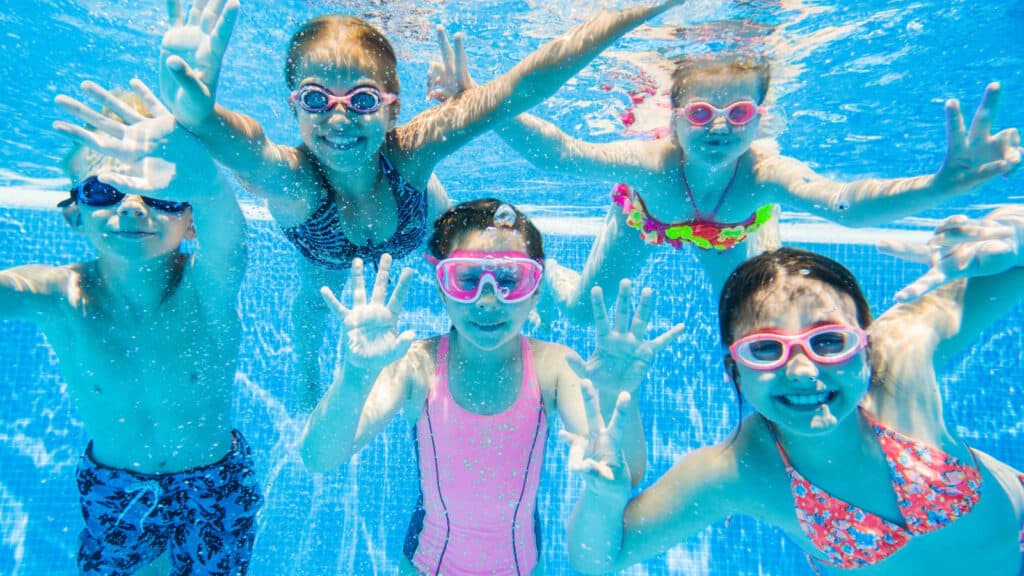
Instilling water safety habits early creates lifelong safe swimmers. Teach children:
- Never swim without adult permission
- Stay away from pool drains
- Don’t run near the pool deck
- Always wear a life jacket on a boat or when near open water
- If they see someone in trouble, tell an adult and don’t jump in
Modeling good behavior is just as important; kids learn by example.
Final Thoughts

Water fun doesn’t have to come with fear, but it does require respect and preparation. Whether you’re at a backyard pool party or a vast shoreline, take a moment to assess your surroundings, set rules, and prioritize safety. A few seconds of prevention can make all the difference between a day of joy and a lifelong tragedy. So, grab the sunscreen, fill the cooler, and dive into summer, with your eyes wide open.
If you’re looking for more summer health and safety tips, check out The Queen Zone’s article on how to prep your dog for the 4th of July; a great read for pet owners planning waterside celebrations.
Dehydration or Sunstroke? How to Tell the Difference and When It’s a Medical Emergency

When it’s hot outside, your body works overtime to keep cool. But sometimes, your internal cooling system can’t keep up, and that’s when dehydration or even sunstroke (also called heatstroke) can hit. Both are serious, but one is a medical emergency.
READ: Dehydration or Sunstroke? How to Tell the Difference and When It’s a Medical Emergency
Join Us

Join us on this empowering journey as we explore, celebrate, and elevate “her story.” The Queen Zone is not just a platform; it’s a community where women from all walks of life can come together, share their experiences, and inspire one another. Welcome to a space where the female experience takes center stage. Sign up for our newsletter so you don’t miss a thing, Queen!