11 U.S. cities people criticize the most
Some cities can post good news and still get roasted before lunch. That says a lot about how city reputations work in America right now. People judge places through crime headlines, rent shocks, potholes, school debates, airport delays, TikTok rants, and one bad weekend trip that suddenly becomes a whole personality. The FBI reported that national violent crime fell by an estimated 4.5% in 2024, yet many city reputations still feel stuck in yesterday’s bad headlines.
That gap fuels the noise around places people love to criticize. Some complaints come from real strain, like high housing costs, visible homelessness, flooding risk, and poverty. Other complaints flatten big, complicated cities into easy punchlines. This list looks at 11 U.S. cities that people criticize the most, while still giving each city enough room to be more than a comment-section joke.
Detroit still gets roasted
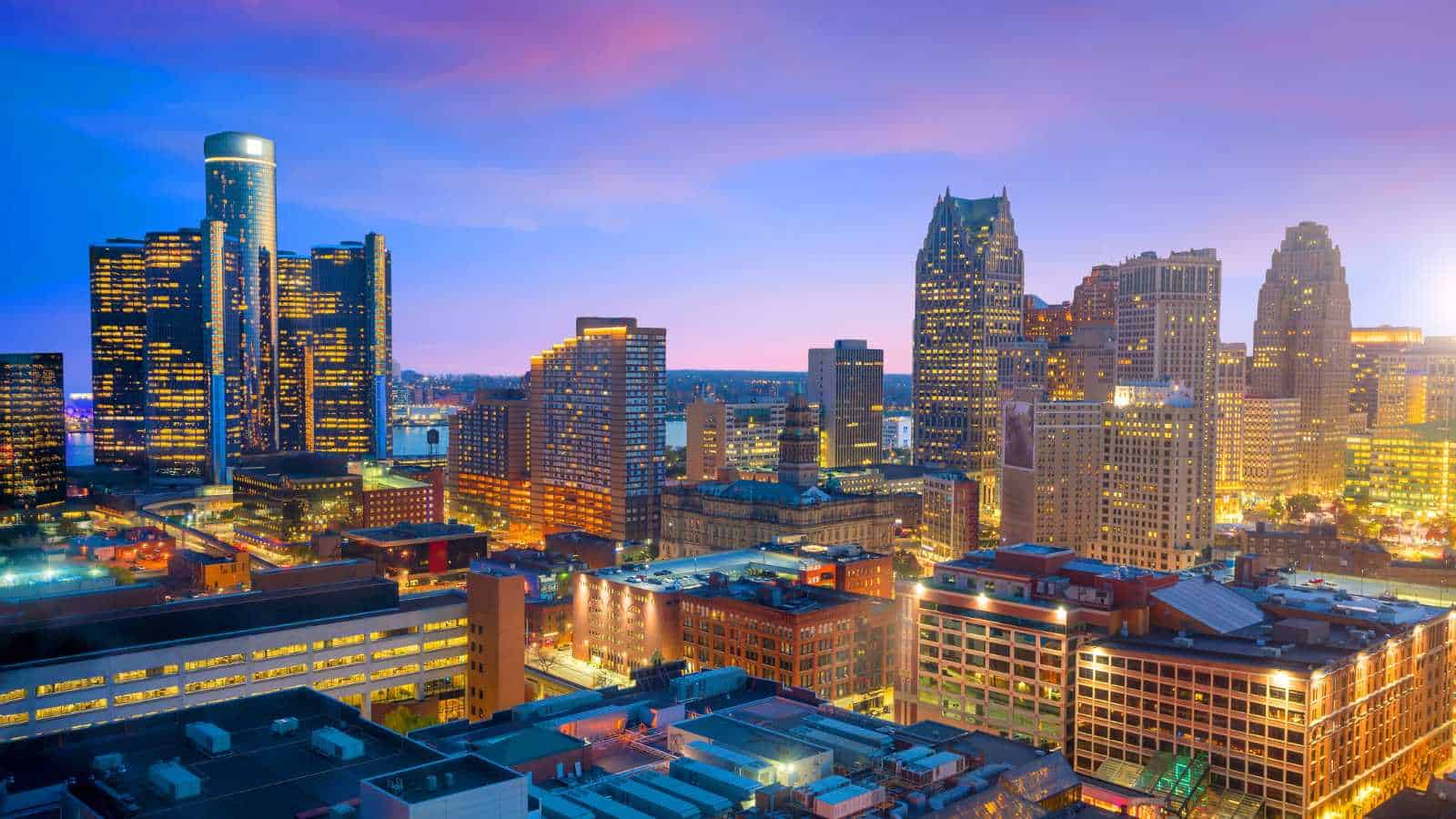
People criticize Detroit because the old story refuses to leave the room. Outsiders still picture abandoned houses, empty factories, and scary crime headlines before they picture restaurants, riverfront walks, sports crowds, or creative small businesses. The Associated Press reported that Detroit recorded 165 criminal homicides in 2025, a number city officials described as the lowest count since at least the early to mid-1960s.
That progress matters, but reputations do not change as fast as crime dashboards. Many residents still want stronger schools, safer blocks, better transit, and more reliable services outside the shiny downtown core. Detroit gets criticized because people see the gap between comeback stories and daily struggles. Still, the city keeps proving that grit can look loud, stylish, musical, and deeply proud.
Baltimore fights a stubborn label
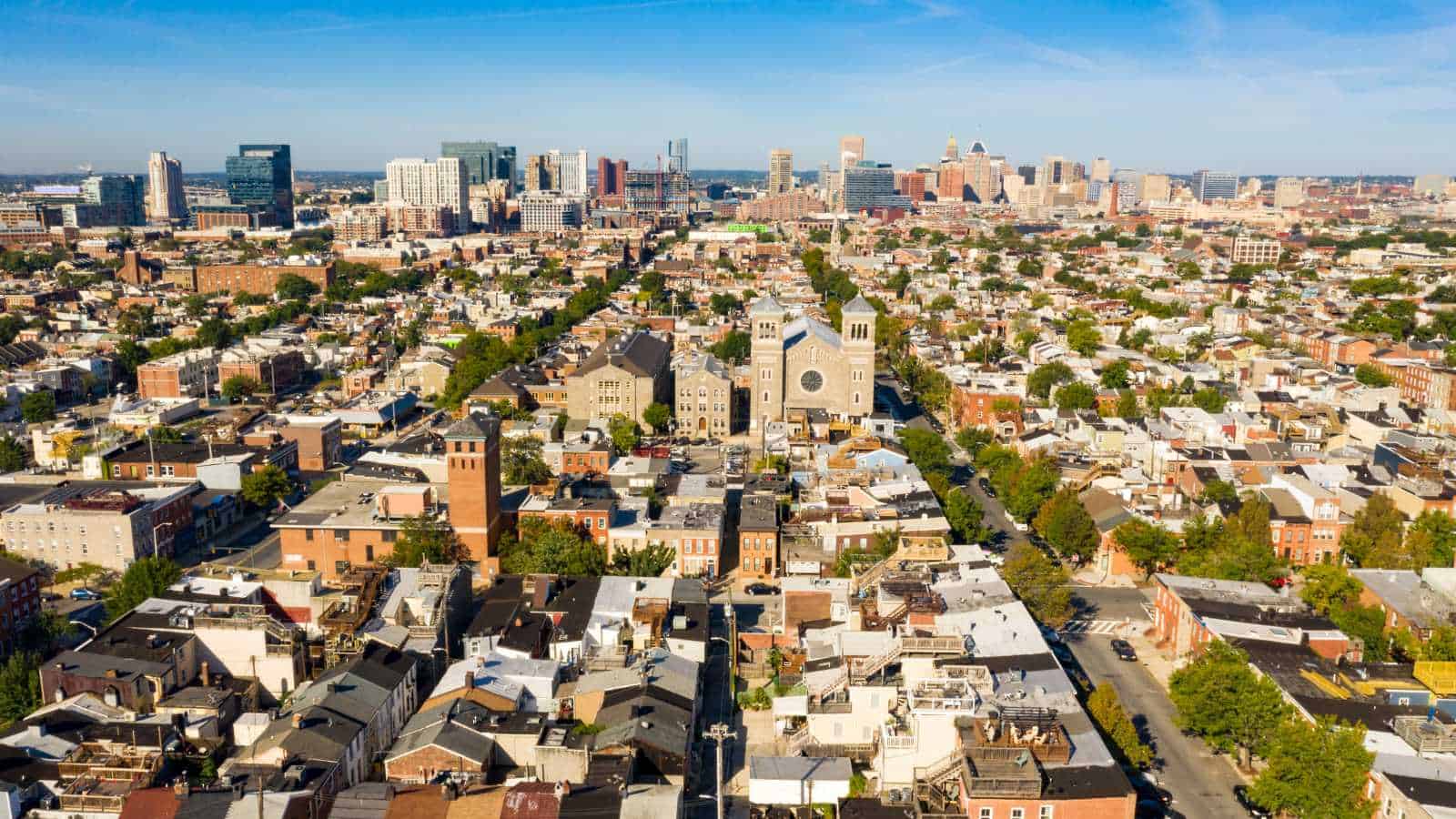
People criticize Baltimore because crime headlines often drown out everything else. The city has history, waterfront beauty, rowhouse charm, universities, hospitals, food culture, and a strong arts pulse, yet many Americans still jump straight to safety concerns. USAFacts put Baltimore city’s crude homicide rate at 31.7 per 100,000 people in 2024, which keeps public safety at the center of national conversations about the city.
Residents also complain about vacant homes, uneven schools, public trust, and neighborhoods that seem to wait too long for visible investment. Those complaints carry weight because many families feel the difference from one block to the next. Still, Baltimore has a warmth that outsiders often miss. The city is loudly criticized, but locals defend it with the same volume because they know its heart beats far beyond the headlines.
Cleveland hears old punchlines
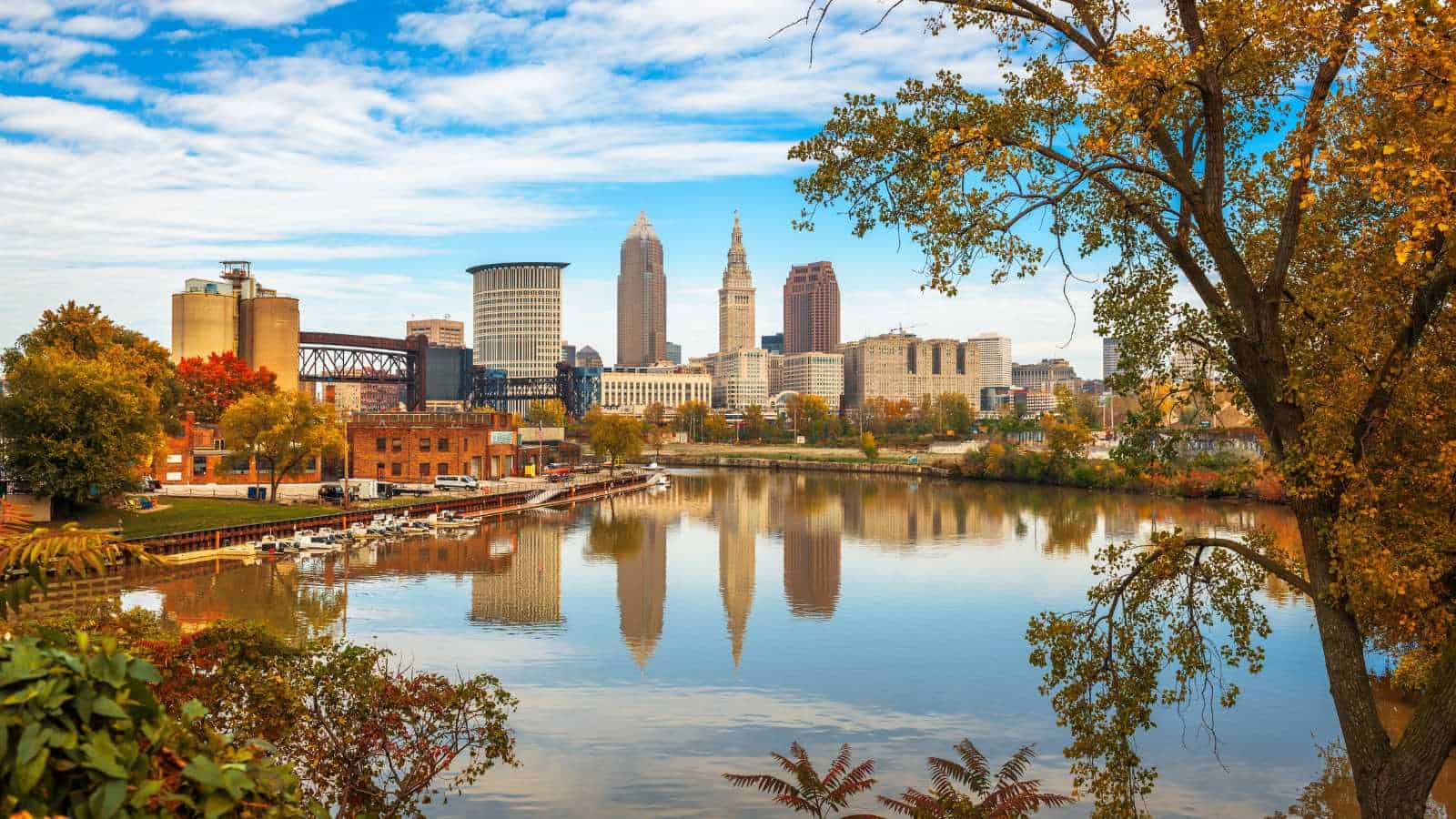
People criticize Cleveland because the city still carries the aftertaste of industrial decline. Outsiders use it as a punchline for gray weather, tired factories, losing seasons, and economic frustration, even though that image misses plenty of personality. The Center for Community Solutions reported that Cleveland’s poverty rate fell to 30.6% in the 2024 five-year American Community Survey estimates. Yet, the figure still shows why hardship remains visible across many neighborhoods.
Residents point to aging housing, limited job opportunities in some areas, and a lakefront that could better serve the public. Those issues prompt complaints because people can see the city’s potential right there.
At the same time, Cleveland has loyal sports fans, strong hospitals, great food, a rich musical history, and a surprisingly fun cultural scene. The city gets dragged because its problems show, but its pride shows too.
Memphis worries people fast
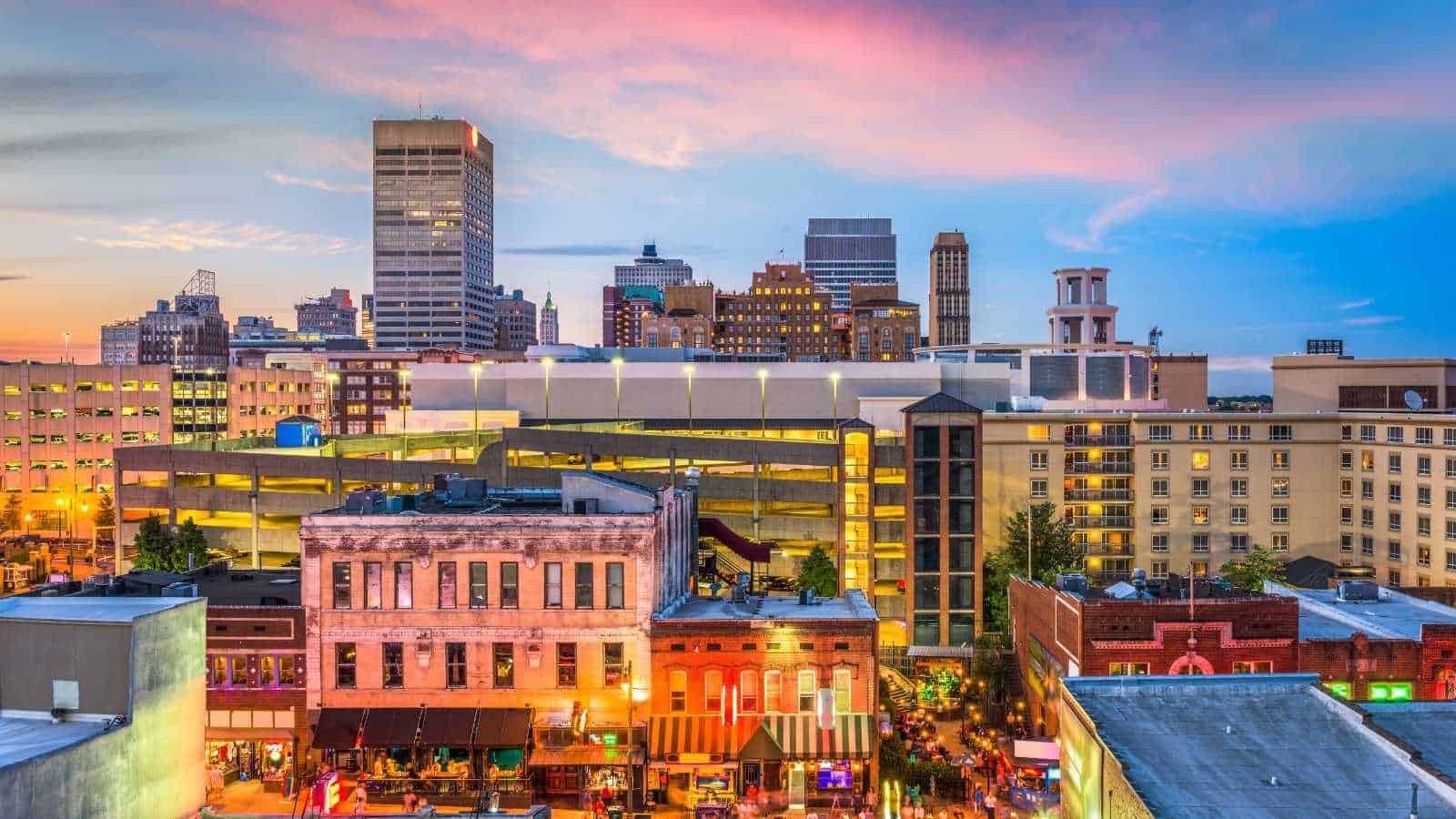
People criticize Memphis because safety concerns come up before almost every other topic. That feels frustrating for residents who want people to remember the music, barbecue, civil rights history, church roots, and neighborhood pride. The Council on Criminal Justice reported that Memphis had a homicide rate of 20.6 per 100,000 residents in the first half of 2025, which kept the city under a bright national spotlight.
Crime anxiety changes how people shop, commute, raise kids, and enjoy nightlife. Residents also discuss poverty, underinvestment, road safety, and the sense that some neighborhoods receive attention only after something terrible happens. Still, Memphis carries soul in a way few cities can fake.
People criticize it hard, but the city’s cultural power keeps pulling visitors, musicians, families, and fierce hometown defenders back into the conversation.
New Orleans
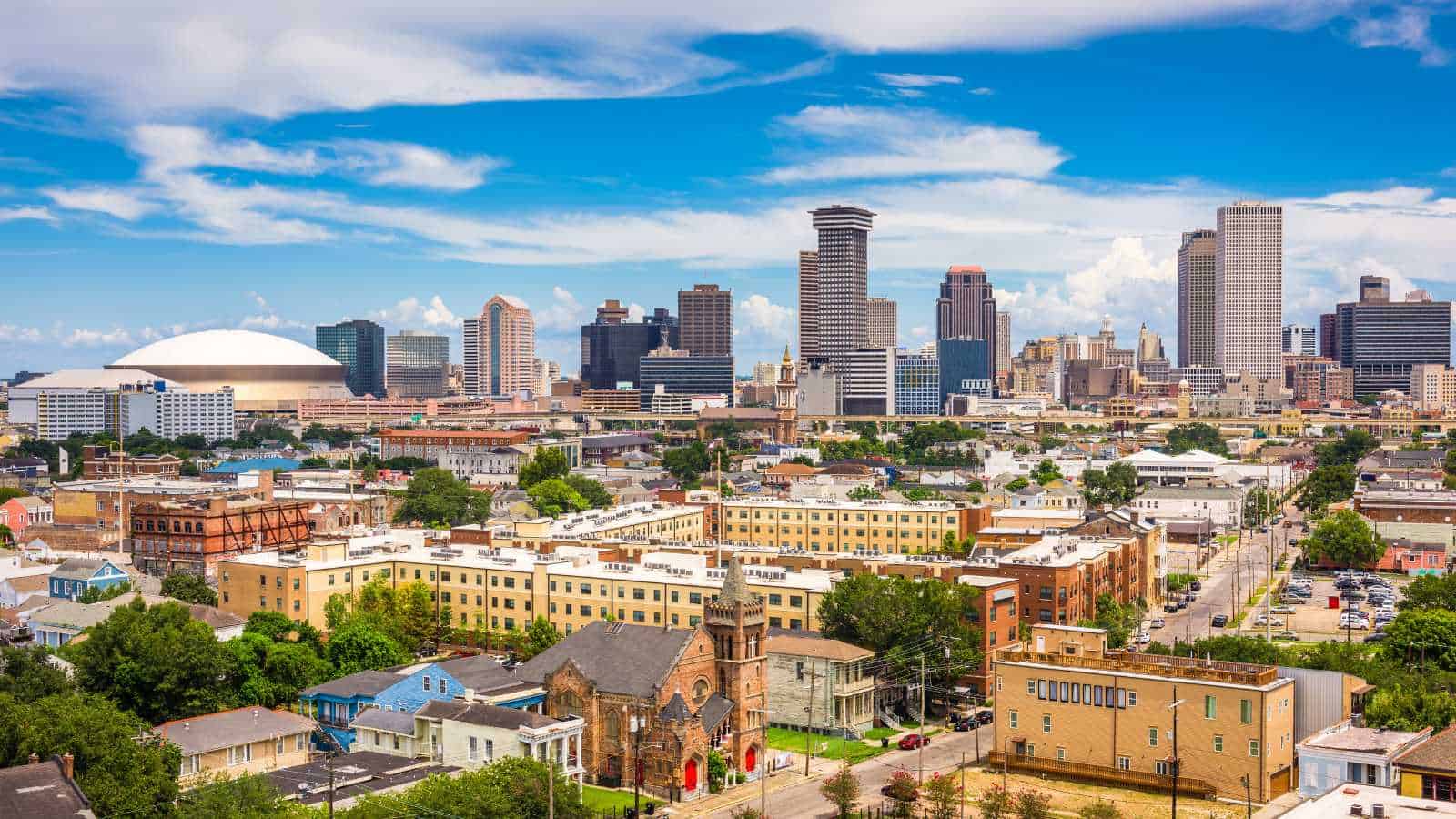
People criticize New Orleans because fantasy and reality do not always align. Visitors see jazz, parades, cocktails, old balconies, and unforgettable food, but residents also deal with flooding, insurance stress, aging infrastructure, and the daily strain of living in a city built around risk.
The Associated Press reported that a new flood risk study found that about 99% of New Orleans’ population falls into the high-risk category, depending on storm path and rainfall patterns.
That kind of number makes ordinary decisions feel heavier, from buying a home to planning a hurricane season budget. Locals also complain that tourism often receives more attention than housing, drainage, and neighborhood needs. Still, New Orleans has a cultural force that no ranking can flatten. People criticize it for feeling fragile, but they love it for feeling alive.
Los Angeles exhausts people quickly
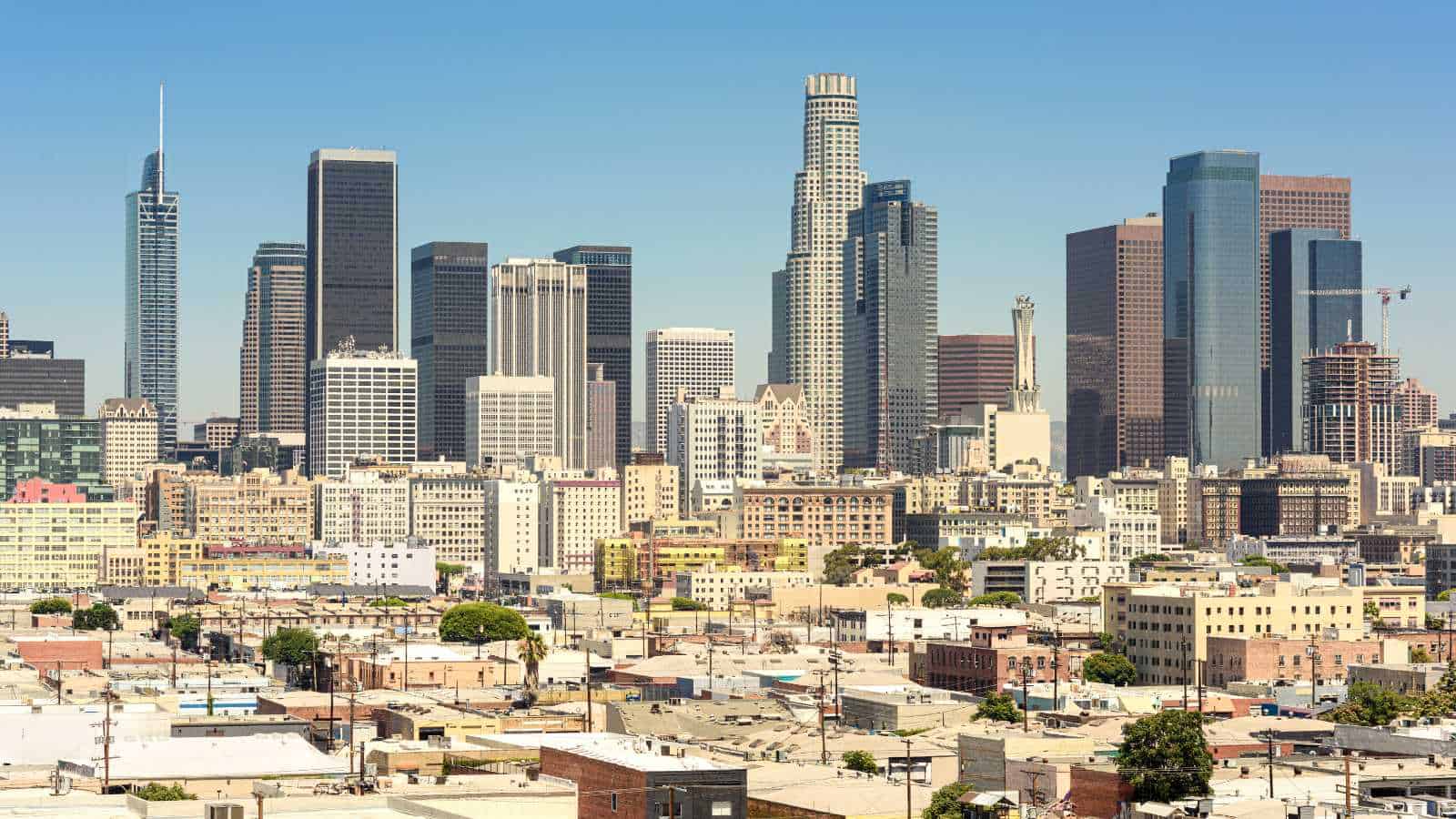
People criticize Los Angeles because the dream comes with a hefty price tag. The city sells sunshine, fame, beaches, food trucks, creativity, and reinvention, then hands residents traffic, rent stress, fire anxiety, and long commutes. USC’s summary of the 2025 Greater Los Angeles Homeless Count noted 43,699 people experiencing homelessness in the city of Los Angeles.
That visible crisis shapes how people experience sidewalks, parks, transit stops, and neighborhood business districts. Residents also complain that basic errands can feel like a strategy session because distance and traffic eat up the day.
Still, LA keeps attracting artists, entrepreneurs, students, chefs, designers, and dreamers because opportunity there still sparkles. People criticize Los Angeles for feeling impossible, but they keep chasing it because it can also feel electric.
Miami sells pressure with paradise
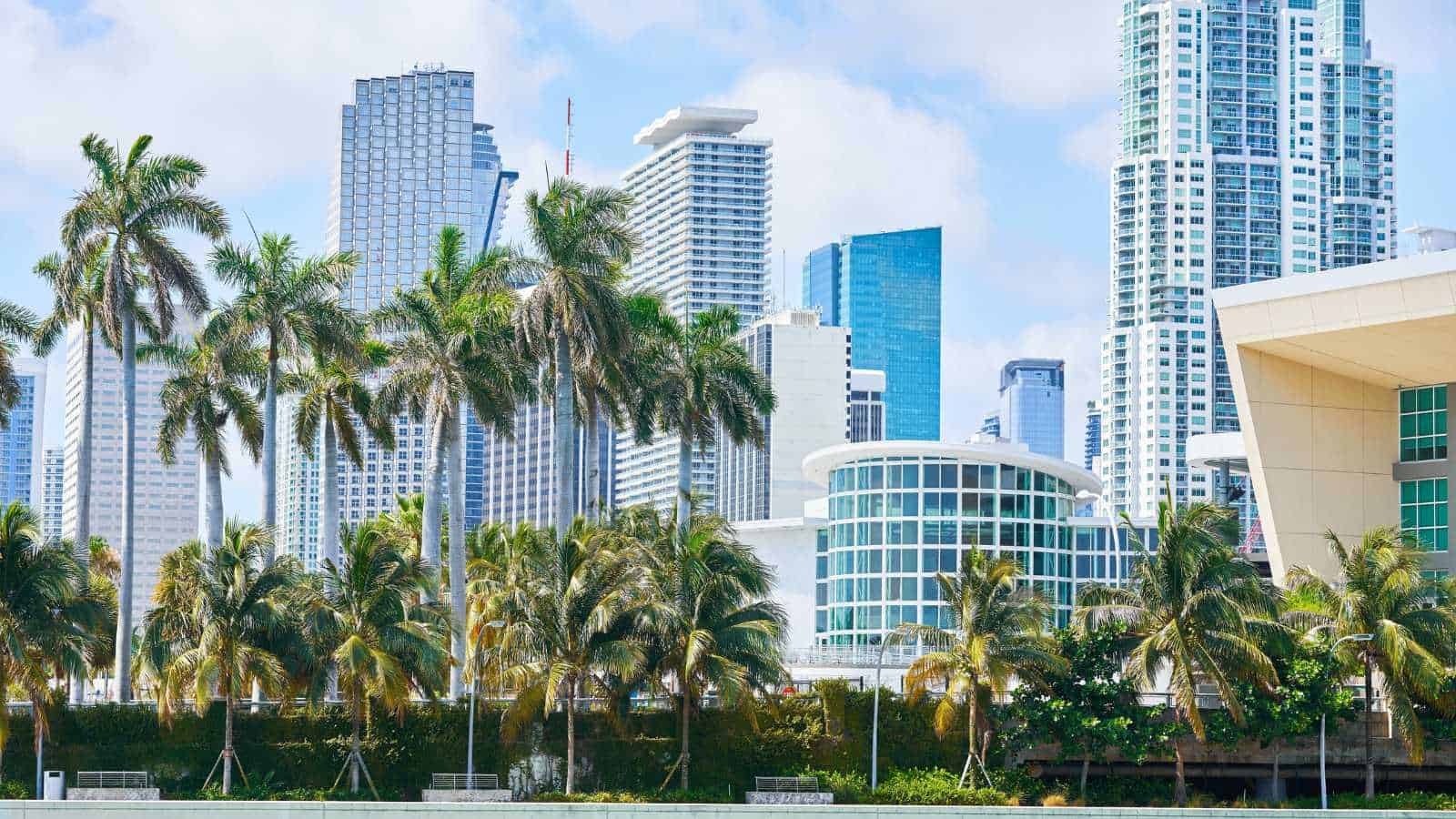
People criticize Miami because the glossy postcard hides a tough daily math problem. The city looks effortless online, with blue water, nightlife, luxury towers, and pretty brunch tables, but many residents feel squeezed by rent, insurance, storms, wages, and traffic.
Locals also complain about investor money, noisy tourism, seasonal chaos, and the feeling that longtime residents keep losing ground. Miami still gives people energy, style, food, music, and global flavor. People criticize it because the city looks rich, but many residents do not feel rich at all.
Newark gets judged too quickly
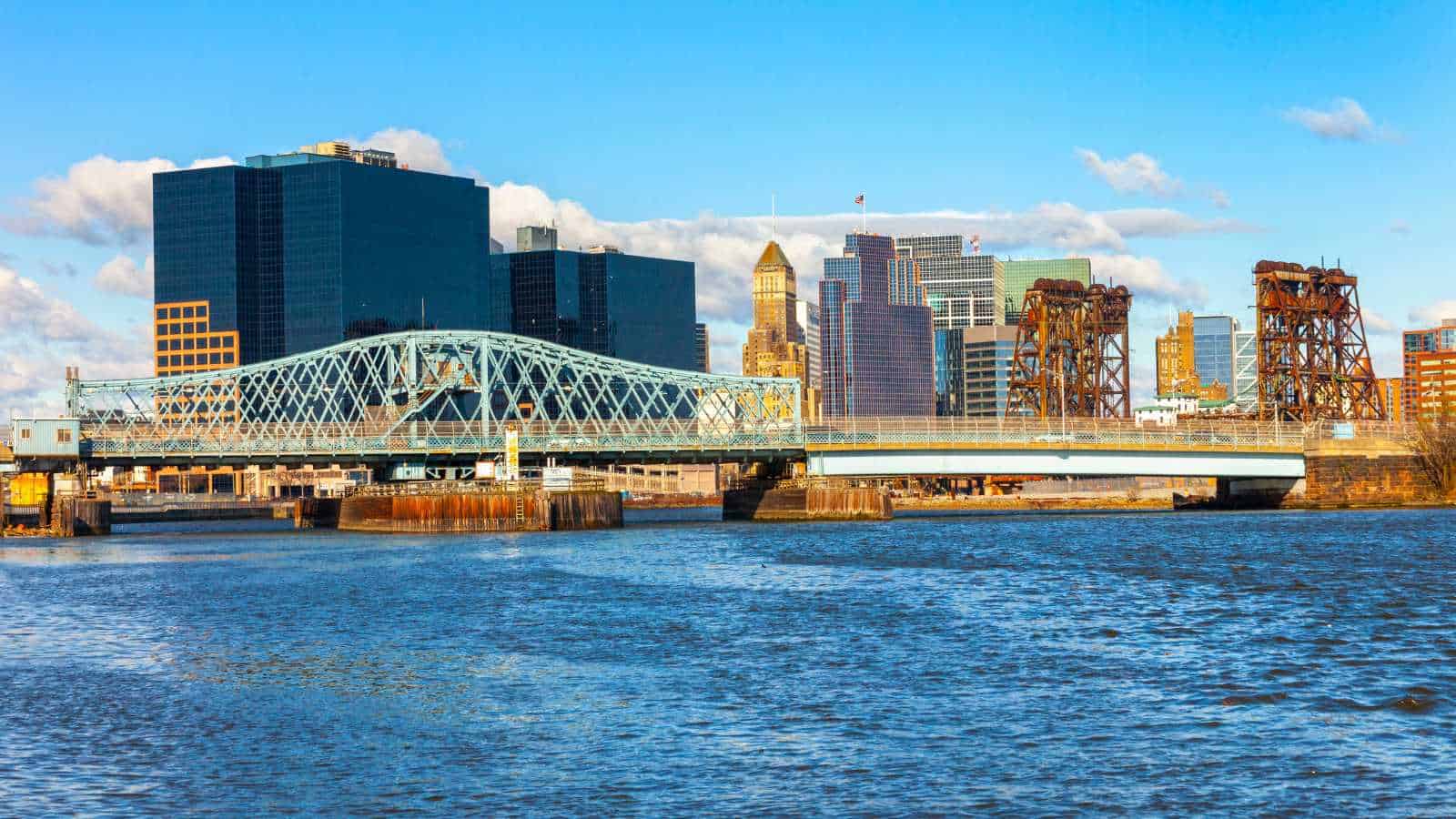
People criticize Newark because many outsiders see it only briefly before forming an opinion. Some know it only through the airport, a train transfer, or a headline, then they treat the whole city like a rough stop on the way to somewhere else.
The city also sits beside New York, so people compare it to a giant neighbor that pulls money, attention, and glamour. That comparison can feel unfair because Newark has universities, artists, restaurants, immigrant communities, and neighborhoods with deep roots. Still, visible hardship makes criticism easy for people who never stay long enough to learn the full story. Newark gets judged fast, but it keeps building anyway.
Trenton feels left behind
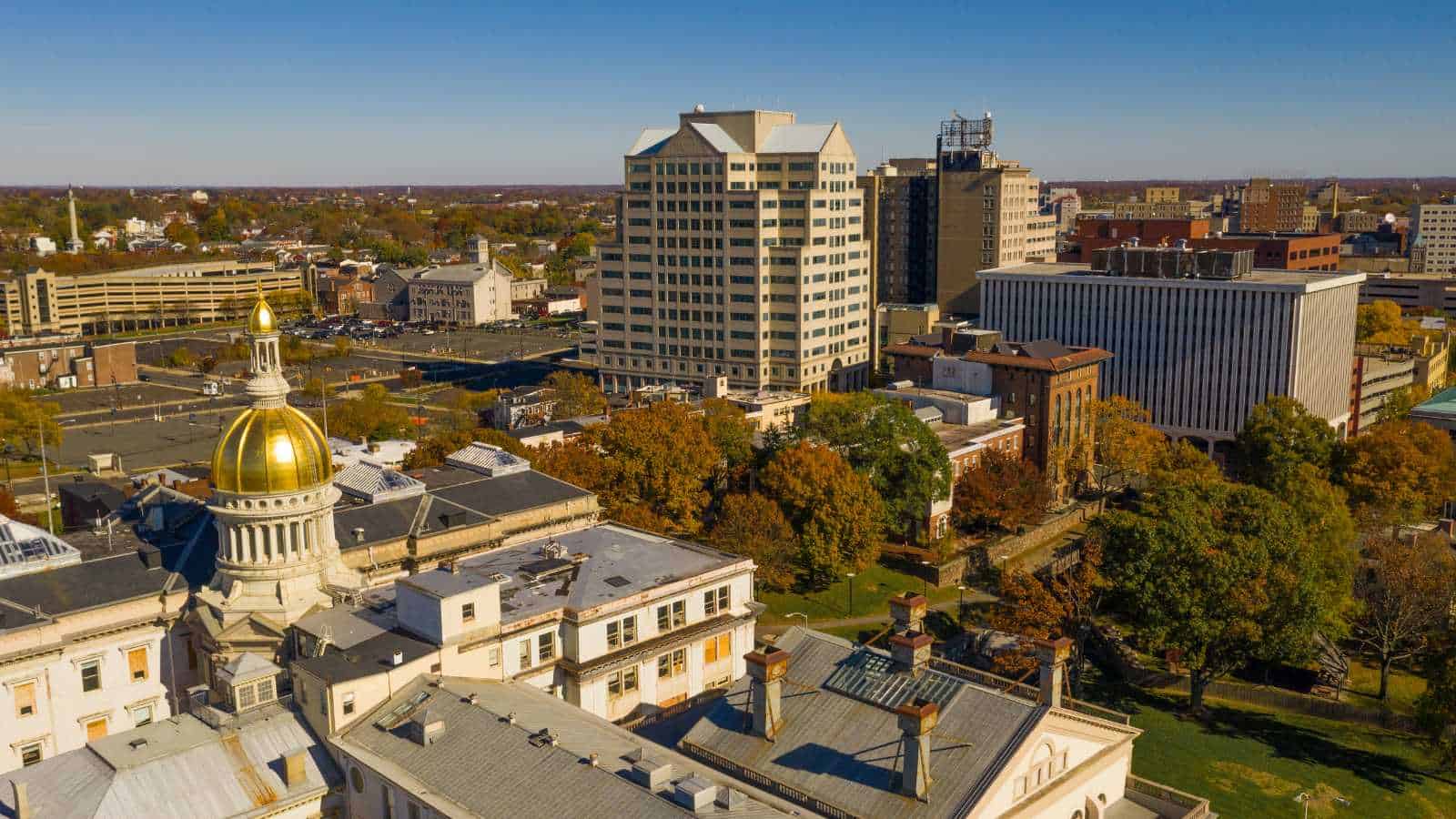
People criticize Trenton because the capital city often feels smaller in attention than in responsibility. Residents complain about jobs, safety, schools, empty storefronts, and a downtown that should feel more active than it often does.
People expect a state capital to look polished, busy, and confident, so signs of neglect stand out even more. That mismatch creates disappointment for visitors and exhaustion for residents who want more visible progress.
Yet Trenton has a history, a location, community advocates, and civic energy that deserve greater attention. People criticize it for seeming stuck, but the city still has assets that could support a better chapter.
Philadelphia hears daily grumbling
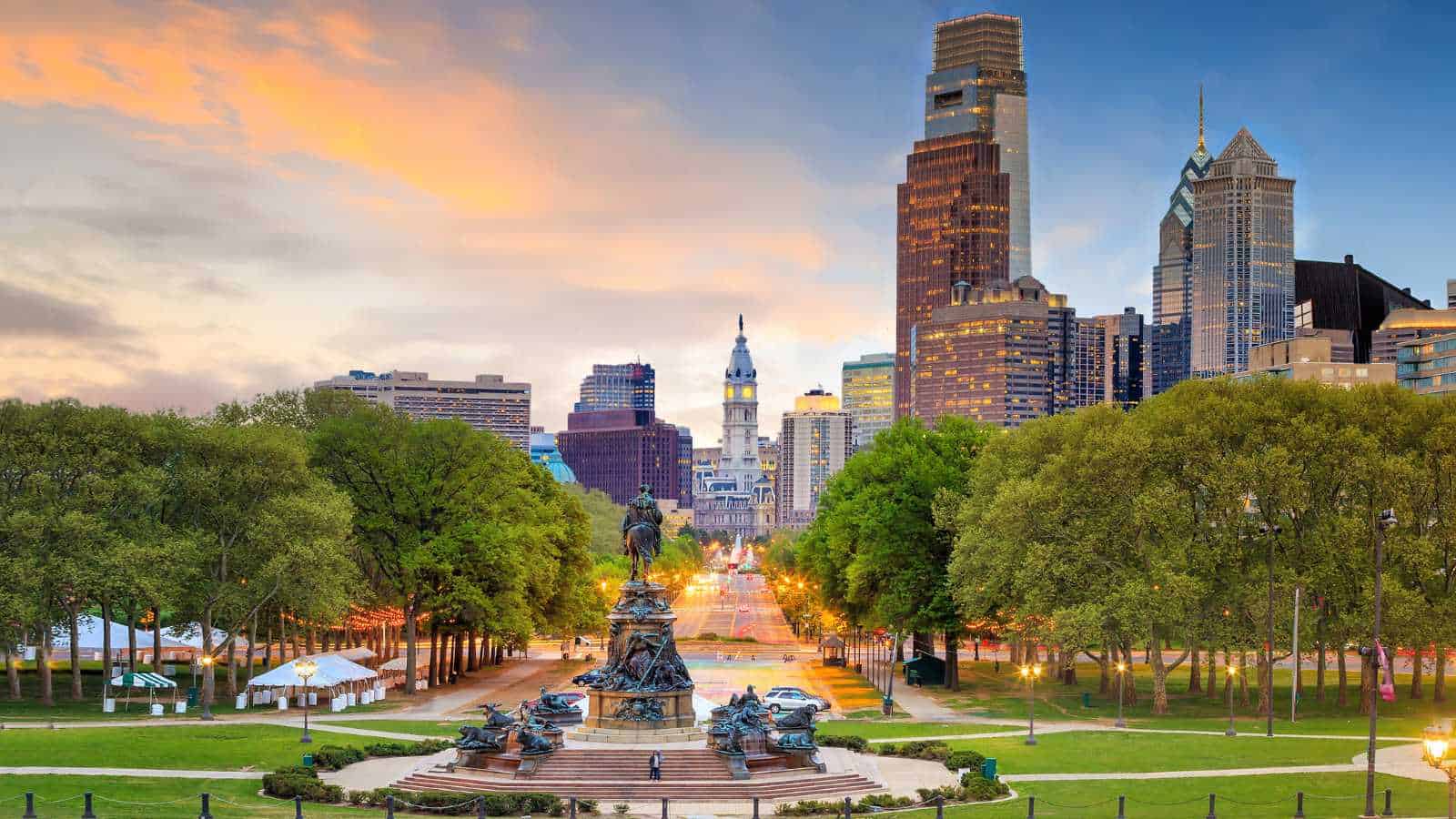
People criticize Philadelphia because it invites big love and big complaints in the same breath. Residents brag about the food, history, walkability, passion for sports, murals, and neighborhood identity, then complain about trash, taxes, crime, schools, and aging infrastructure before the coffee cools.
A missed trash pickup, a transit delay, or a pothole can feel less like a small nuisance and more like proof that the city asks too much from ordinary people. Still, Philadelphia has a personality so strong that even its critics sound attached. People roast Philly because they expect better from a city they still care about.
Chicago becomes the punching bag
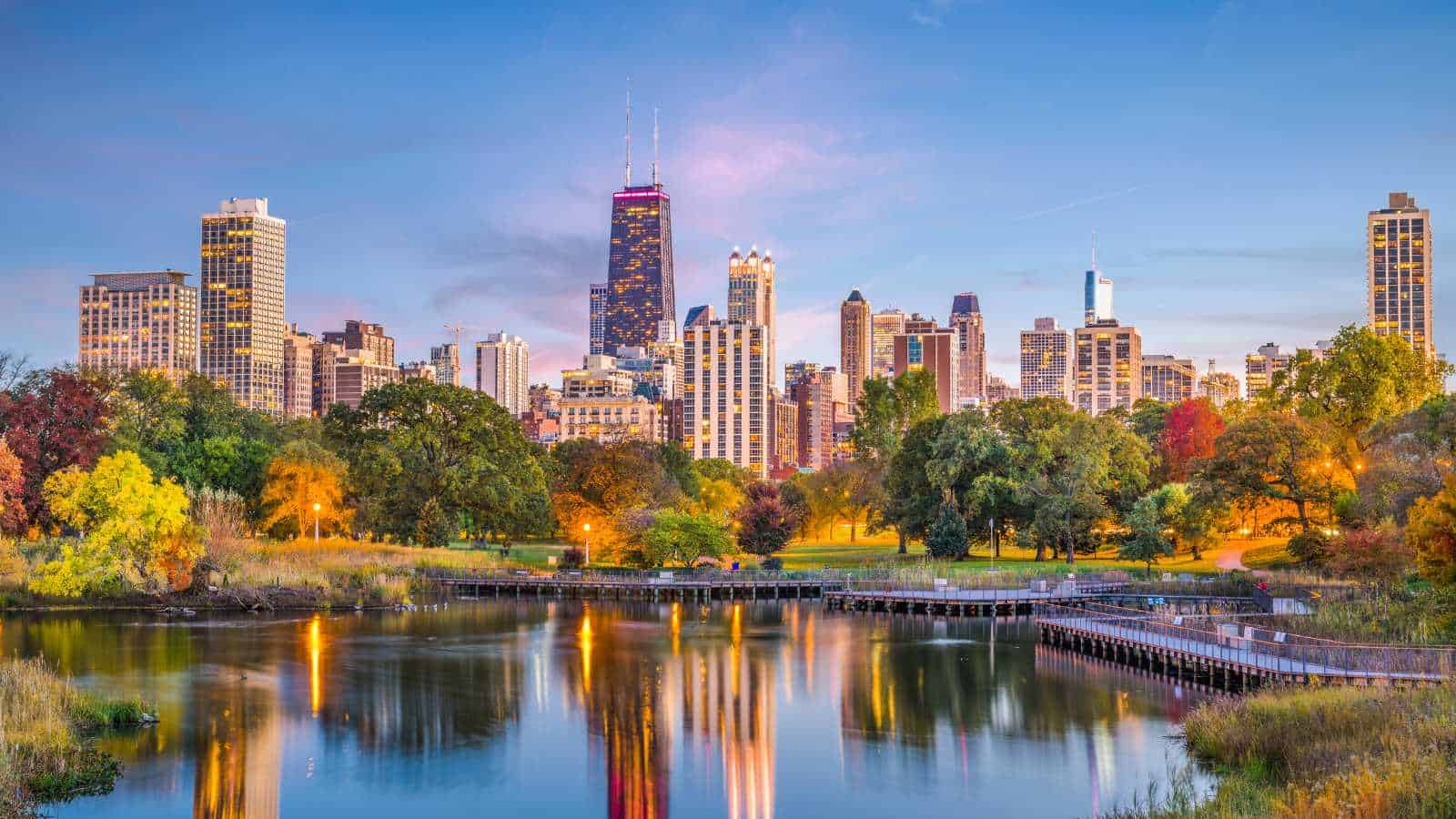
People criticize Chicago because national politics often turn the city into a symbol. Outsiders talk about crime, taxes, winter, school battles, and segregation, then forget that the city also has beaches, architecture, food, theater, neighborhoods, and major job centers.
The University of Chicago Crime Lab reported that Chicago had 168 fewer homicides through mid-December 2025 than during the same period the year before.
That improvement complicates the loudest talking points, but it does not erase the fear and grief families still feel in hard-hit communities. Residents also complain about uneven investment, high costs, and the sense that some neighborhoods bear far more of a burden than others.
Chicago gets criticized because its problems look huge on a national screen. Yet its defenders stay loud because the city offers a scale, beauty, and swagger that few places can match.
Key takeaway
These 11 cities attract criticism because people repeatedly notice the same pressure points. Safety concerns, housing costs, poverty, homelessness, flooding risk, and weak services can turn everyday life into a grind.
Social media then adds speed, drama, and attitude, so one neighborhood problem can become a national reputation overnight.
Still, a criticized city is not a failed city. Detroit, Flint, Baltimore, Cleveland, Memphis, New Orleans, Los Angeles, Miami, Newark, Trenton, Philadelphia, and Chicago all carry real problems and real pride.
The fairest read sits in the middle, where frustration meets loyalty, and where residents keep asking for better because they know their cities are worth the fight.
Disclaimer – This list is solely the author’s opinion based on research and publicly available information. It is not intended to be professional advice.
Like our content? Be sure to follow us.