Social media rumors about a potential military draft fuel anxiety among young Americans
A generation already carrying unprecedented mental strain is now confronting fears fueled more by algorithms than reality.
The internet has become a massive echo chamber for wild speculation and panic. Lately, platforms like TikTok have been buzzing with intense chatter about a potential military draft returning to the United States. A viral frenzy was sparked when lawmakers moved to automate Selective Service registration for young men. Young people across the country are now glued to their screens, wondering if they might be called to serve against their will.
This digital panic is creating real-world stress for a generation already dealing with a heavy mental load. Viral videos push claims that people will be instantly packed off to boot camp, creating absolute chaos online. We need to separate hard facts from internet fiction to understand what is truly happening right now. The reality is far less dramatic than what your favorite influencer might be screaming about on camera.
The Sudden Shift to Automatic Registration

The core of the recent panic stems from a straightforward legislative update regarding the Selective Service System. Lawmakers decided to automate the registration process by pulling information from existing databases instead of requiring men to manually sign up. The government simply wants to save taxpayer money and keep people out of legal trouble for forgetting to register.
Some context reveals why lawmakers felt this administrative change was necessary in the first place. Records indicate that the registration rate for eighteen-year-old men was 61.8 percent in 2020, but it recently plummeted to a mere 39.9 percent. Officials hope that automating the process will easily fix this massive drop in compliance without causing unnecessary alarm.
Viral Misinformation Sparks Massive Panic

Social media thrives on sensational content that keeps users engaged through fear and outrage. Influencers quickly jumped on the legislative news and twisted it into an immediate call to arms for American youth. These exaggerated claims ignore the fact that an actual draft requires an act of Congress and the president’s signing off on it.
The sheer scale of these digital rumors is honestly hard to wrap your head around. A March TikTok post by influencer Spencer Hunt about draft rumors gathered over 213,000 likes and thousands of shares in record time. Young people see these massive numbers and instantly assume the absolute worst-case scenario is unfolding before their eyes.
The Heavy Toll on Mental Health

This endless stream of doomsday content is hitting an already vulnerable demographic right where it hurts. Constant exposure to terrifying scenarios is pushing stress levels through the roof for teenagers and college students. Experts warn that this specific type of digital fearmongering can trigger severe panic attacks and deep feelings of hopelessness.
We cannot ignore the raw data showing how fragile the current state of youth mental health truly is. A recent Nurx report notes that a staggering 42 percent of Generation Z already suffers from depression and 61% from anxiety. Tossing rumors of a forced military deployment into that fragile mix is like throwing gasoline on an open fire.
Confusion over What Registration Actually Means

A shocking number of young Americans fundamentally misunderstand the purpose of the Selective Service System. Many assume that having their name on the list means they will be handed a uniform and a rifle tomorrow. In reality, the registry is just a standby list created to keep track of eligible individuals during a catastrophic national emergency.
There has not been a mandatory draft in the United States since the end of the Vietnam War in 1973. The military relies entirely on volunteer forces, and those volunteers have been showing up in solid numbers recently. In fact, the armed forces reported their best recruitment numbers in fifteen years during 2025, with every branch meeting its goals.
Privacy Concerns over Government Data Sharing

Beyond the fear of combat, many young people are deeply uncomfortable with how the government handles their personal information. Automating the registration process means agencies are quietly swapping data behind the scenes without asking for direct permission. People feel like their privacy is being invaded when state driver records are automatically handed over to federal defense databases.
This specific issue has caused a massive spike in fear among communities with uncertain legal status. Google searches asking if Selective Service shares data with immigration authorities spiked massively. Families are terrified that a simple database update might lead to unexpected deportations or other severe legal consequences.
Public Opinion Heavily Opposes Conscription

Despite all the noisy online chatter, the actual appetite for a forced military draft is incredibly low across the nation. Politicians are well aware that bringing back conscription would be absolute political suicide in the current climate. Voters from every side of the political aisle agree that forcing citizens into combat is a terrible idea.
The statistics paint a very clear picture of exactly where the American public stands on this controversial issue. According to a May 2026 Overton Insights poll, 66 percent of Americans are strongly or somewhat opposed to a military draft. There is simply no broad public support for the terrifying scenarios being peddled by social media influencers right now.
The Absence of Female Registration Requirements
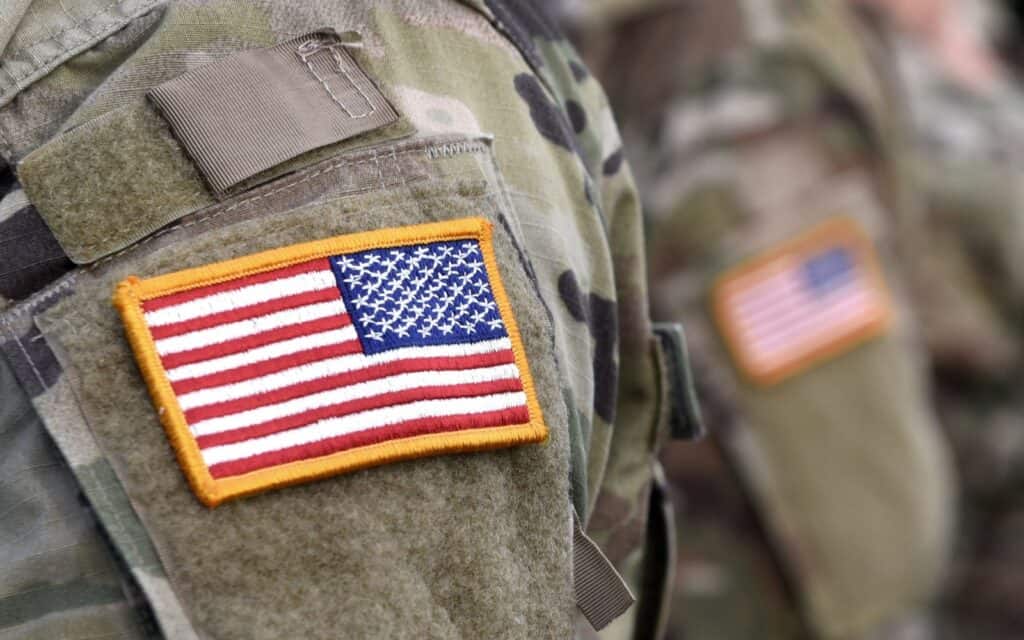
Another massive point of contention in this ongoing debate is the fact that the requirement still only applies to men. Female citizens are completely exempt from the Selective Service System under current federal law. Many critics argue that this gender based rule is wildly outdated and fundamentally unfair to half the population.
Lawmakers have repeatedly debated updating the law to include women, but those proposals always end up stalling out. Traditionalist politicians block the changes, while progressive voices demand equal treatment across the board. Until a consensus is reached, the burden of registration will continue to fall exclusively on the shoulders of young men.
Loss of Civic Duty Symbolism

For past generations, heading down to the post office to register for the draft was viewed as an important rite of passage. It was a conscious act of civic duty that connected young men to the broader responsibilities of citizenship. Taking the manual action away removes the personal choice and turns a patriotic milestone into a silent background algorithm.
Young men now feel like passive subjects in a massive bureaucratic machine rather than active participants in their country. They receive a card in the mail telling them they are registered without ever lifting a finger. This lack of agency only deepens their distrust of the government institutions making decisions on their behalf.
Humorous Coping Mechanisms Online

When faced with terrifying news, the internet always responds with a massive wave of dark humor and viral memes. TikTok is currently flooded with hilarious videos of young men pretending to be hopelessly incompetent to avoid military service. People are posting satirical push-up challenges and joking about their terrible physical fitness to cope with the stress.
This collective joking serves as a vital release valve for the intense anxiety building up in the younger generation. Laughing at the absurdity of a potential draft makes the actual threat feel much smaller and easier to handle. Humor allows these kids to bond over their shared fears while mocking the older politicians making the rules.
The Real Takeaway for American Families
Parents and young adults need to take a deep breath and step away from the viral panic cycle. The legislative change is purely an administrative update meant to clean up a messy and inefficient government system. There is absolutely no hidden agenda to suddenly ship millions of American teenagers off to a foreign war zone.
We must teach our kids to critically evaluate the frightening claims they encounter while scrolling through their feeds. A healthy dose of skepticism is the best defense against the endless wave of digital misinformation. Understanding the basic facts about our volunteer military will quickly neutralize the toxic fear spread by careless content creators.
Like our content? Be sure to follow us