12 foods experts recommend leaving off your grocery list
It’s one thing to budget, it’s another to stick to a plan that actually works. Many women do everything “right” and still find themselves pinching pennies by the end of the month. A 2024 survey by Investopedia found that 44% of women in the U.S. have less than 250 dollars left after paying essential bills each month. That’s a lot of pressure on grocery trips, bill payments, and that occasional treat.
The smart money moves sound good, but sometimes they’re sneaky; what seems like a “wise” habit could be silently draining your finances. In this guide, we’ll break down 12 popular budgeting habits that might seem harmless but could actually work against your long-term goals. So, let’s uncover which habits deserve a rethink!
Sugary citrus drinks

Sugary citrus drinks love to borrow the healthy glow of oranges, lemons, and grapefruit, but many behave more like soda than fruit. The FDA revoked authorization for brominated vegetable oil, or BVO, in food in 2024, and the agency gave companies a one-year compliance window because BVO had been used to stabilize flavoring oils in fruit-flavored beverages.
These drinks can also deliver a fast sugar rush without the fiber that whole fruit brings. Experts usually point shoppers toward water, sparkling water, or plain water with sliced citrus. You still get the zing, but you skip the energy crash from the candy aisle.
Cheap refined vegetable oils
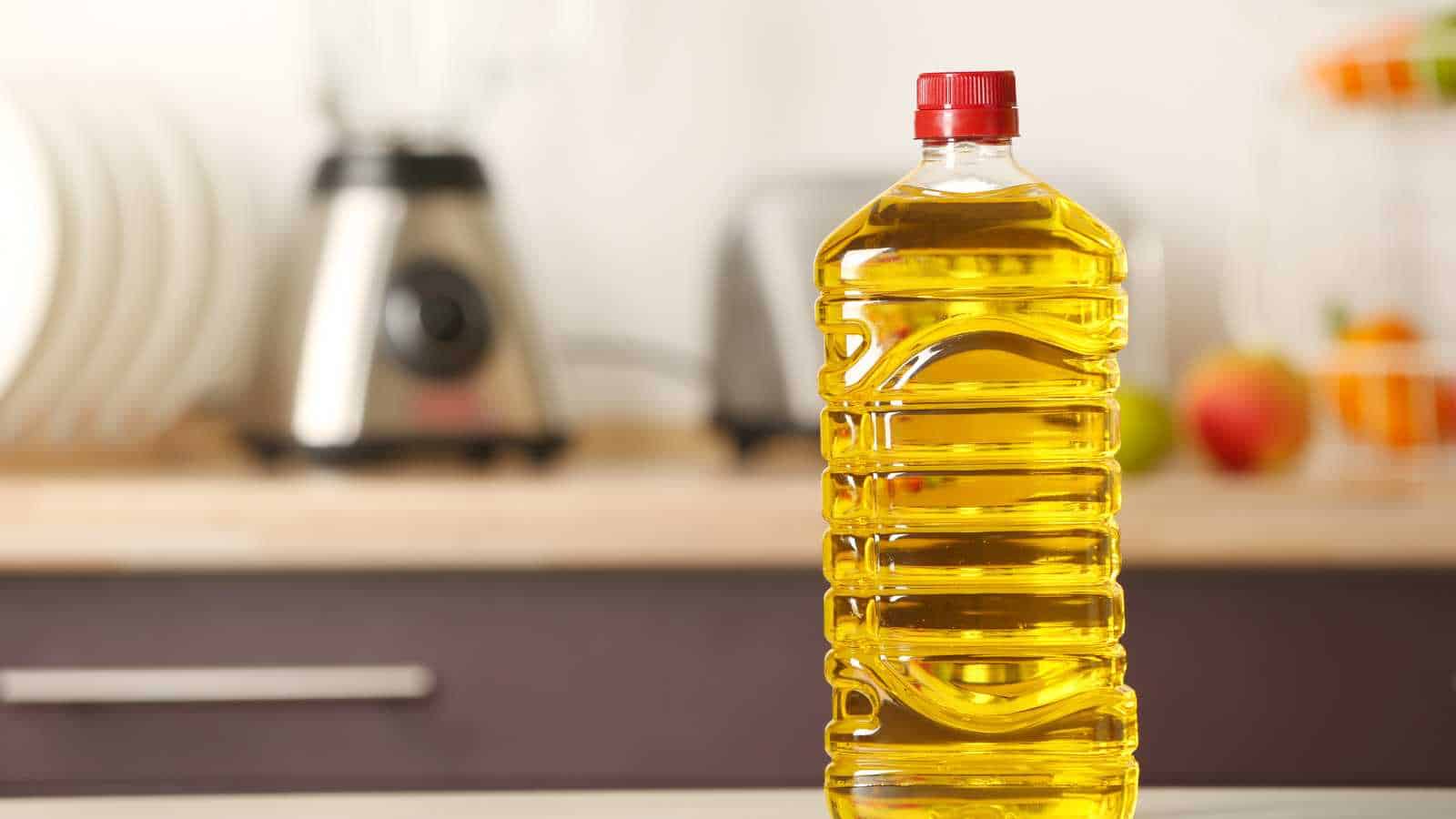
Cheap refined oil blends may look budget-friendly, but they can encourage heavy pouring, deep-frying, and repeated use in everyday cooking. The American Heart Association recommends choosing cooking oils with less than 4 grams of saturated fat per tablespoon and no partially hydrogenated oils or trans fats.
The AHA does not ask shoppers to fear every plant oil. It asks them to intentionally choose better fats. A giant jug of bargain oil can become a shortcut to greasy meals if it turns every vegetable into a fry project. Use olive, canola, avocado, or other heart-smart oils in modest amounts. Let roasted vegetables, herbs, vinegar, citrus, and spices do more of the flavor work.
Veggie wraps
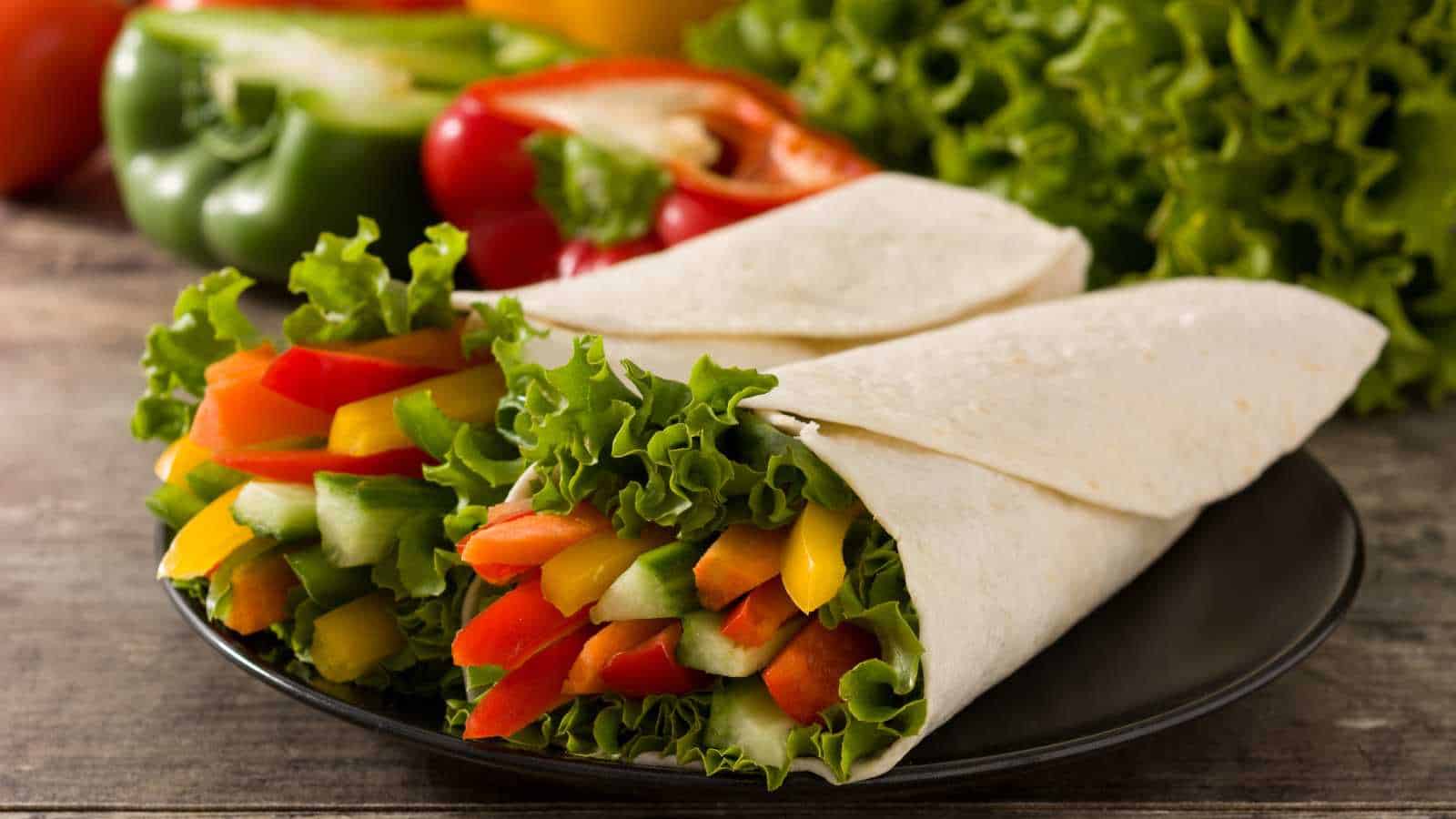
Veggie wraps win the beauty contest in the bread aisle, but their green color often oversells their nutritional value. Cleveland Clinic dietitian Julia Zumpano notes that spinach wraps may contain only trace amounts of spinach and often rely on refined grains, with no real calorie, carb, or fiber advantage.
A wrap can still work for lunch, but the word “veggie” should not do all the convincing. Look for 100% whole grain as the first ingredient, decent fiber, and a short ingredient list. Better yet, fill a plain whole-grain wrap with real greens, beans, chicken, tuna, avocado, peppers, or tomatoes. That move turns the meal green for real.
Soda and sugary beverages
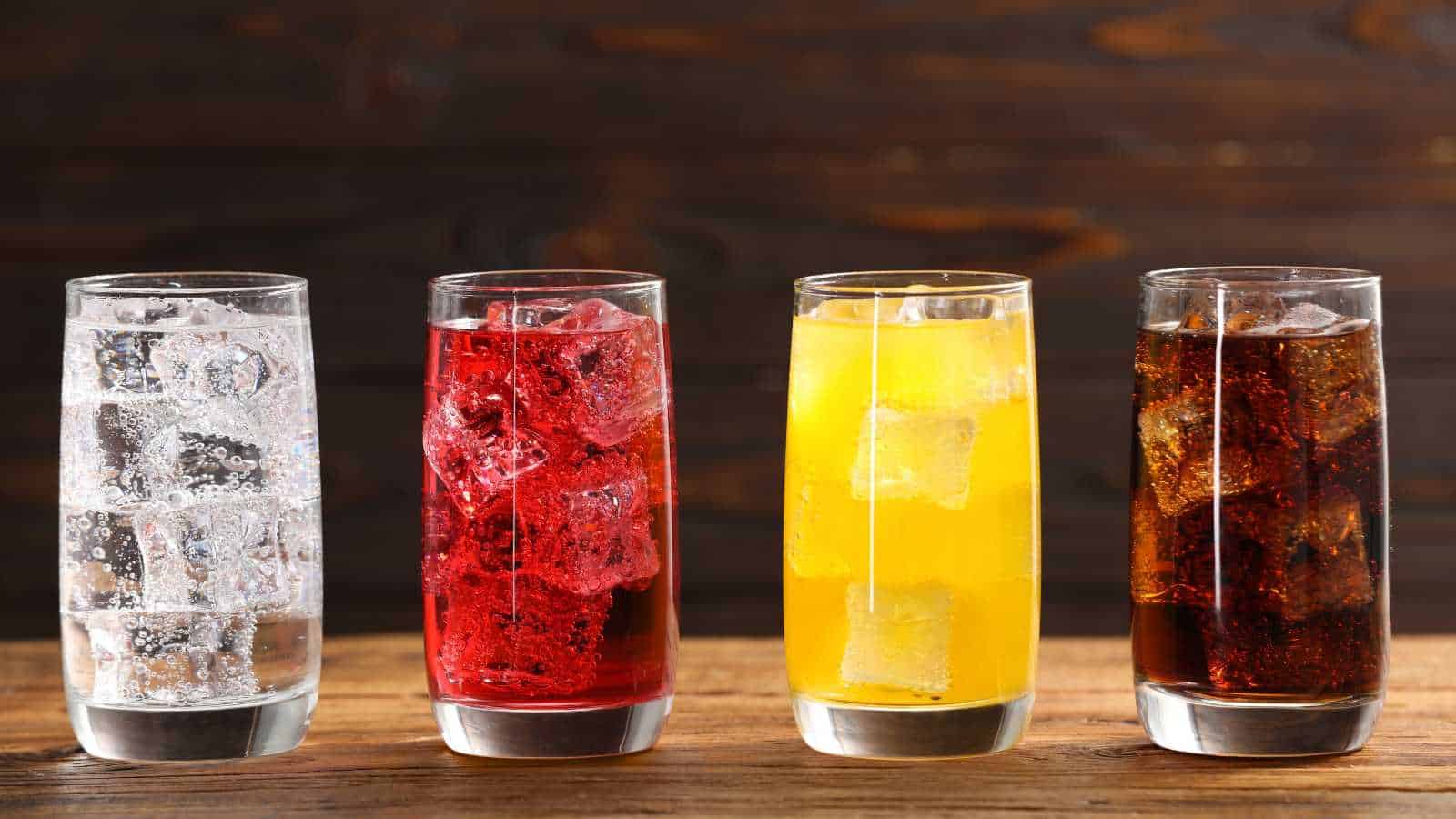
Soda still earns a top spot on many expert skip lists because it brings sugar without fullness. The CDC states that a 12-ounce regular soda has more than 10 teaspoons of added sugar, or about 42 grams. One drink can take a big bite out of the daily added sugar budget, especially for women who also get sugar from coffee creamers, sauces, cereals, and desserts.
Soda also trains taste buds to expect sweetness all day. If plain water feels boring, try seltzer, unsweetened iced tea, mint water, cucumber water, or citrus water. Your afternoon energy may thank you.
Frozen coffee drinks and slushes

Frozen coffee drinks and slushes feel playful, but many act like dessert in a plastic cup. A daily frozen coffee can quietly become a habit, with sugar, cream, syrup, and whipped topping added before noon. Choose iced coffee, cold brew, or a smaller blended drink with fewer syrup pumps. Keep the fun, but stop letting the cup run the day.
Packaged diet snacks
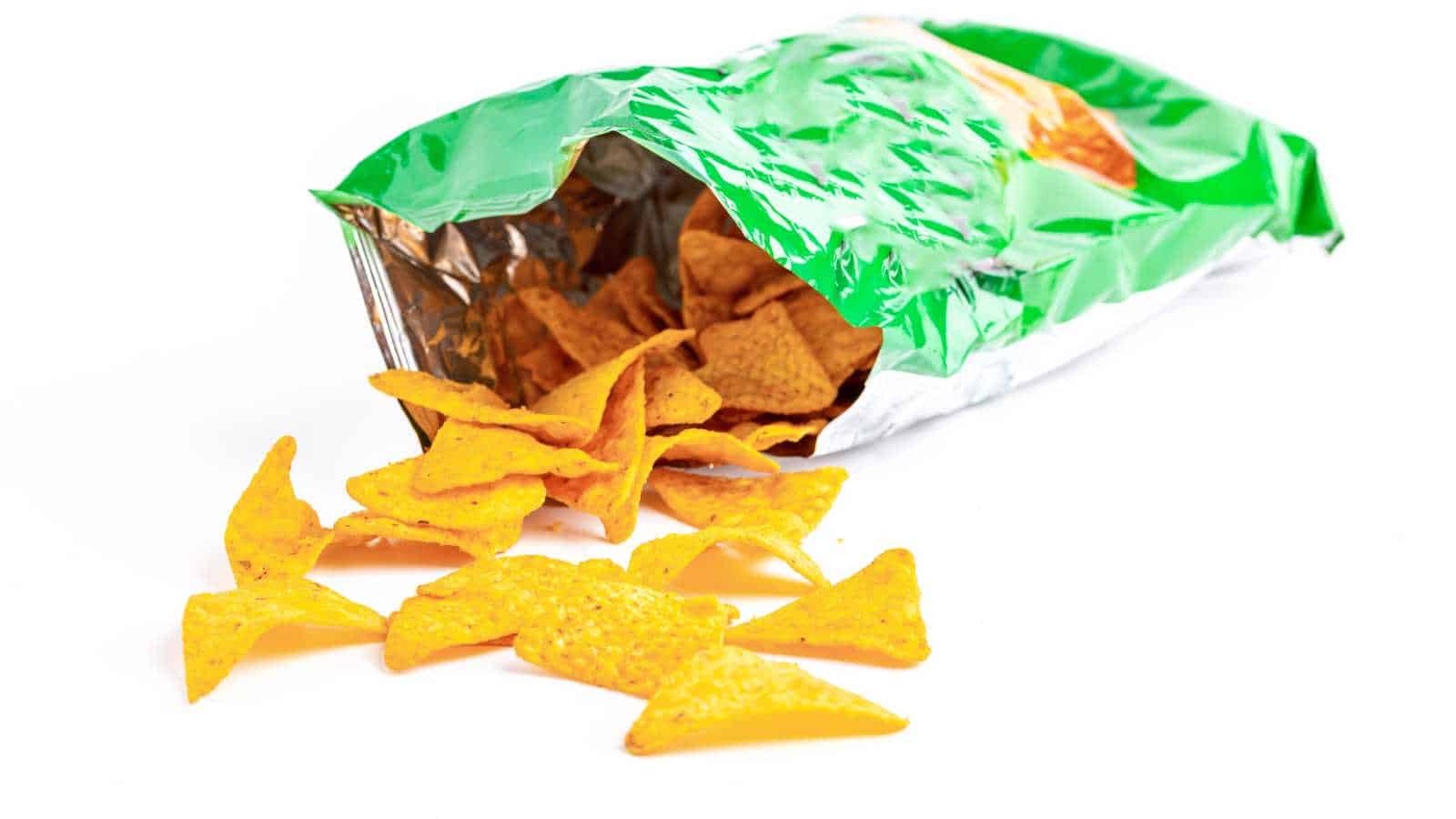
Packaged diet snacks often promise control, but many keep cravings alive with engineered sweetness, refined starches, gums, and flavor dust. In a tightly controlled NIH study, people ate about 500 more calories per day on an ultra-processed diet than on an unprocessed diet, even though the meals were matched for key nutrients.
A 100-calorie cookie pouch can still leave you hunting through the pantry twenty minutes later. Experts usually prefer snacks that provide protein, fiber, and healthy fats because these nutrients help keep hunger at bay. Try nuts, boiled eggs, hummus with vegetables, Greek yogurt, cottage cheese, or fruit with peanut butter. Real food tends to quiet the snack monster better.
Instant noodles
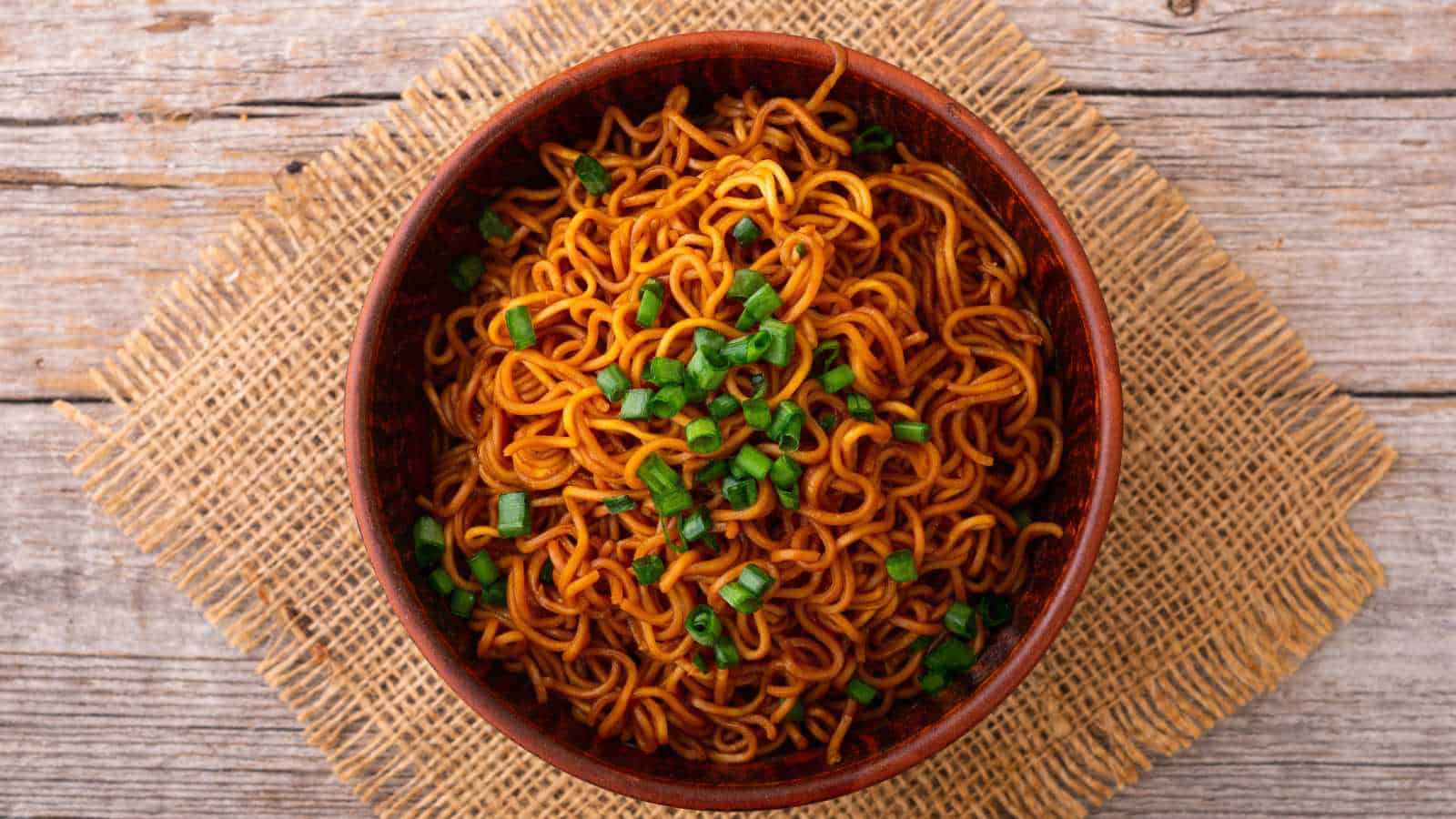
Instant noodles save time, but they can blow up the sodium count before dinner even starts. WHO recommends that adults keep sodium under 2,000 milligrams per day, which makes it easier to judge salty pantry shortcuts. Many instant noodle bowls lean hard on refined noodles, salty seasoning packets, and added oils. They also bring little protein or fiber unless you rebuild the meal yourself.
Women who are watching their blood pressure, heart health, or bloating may want to treat them as backup foods rather than weekly staples. If you already have a few packs at home, use half the seasoning packet. Add eggs, tofu, spinach, carrots, mushrooms, peas, or leftover chicken.
Processed meats
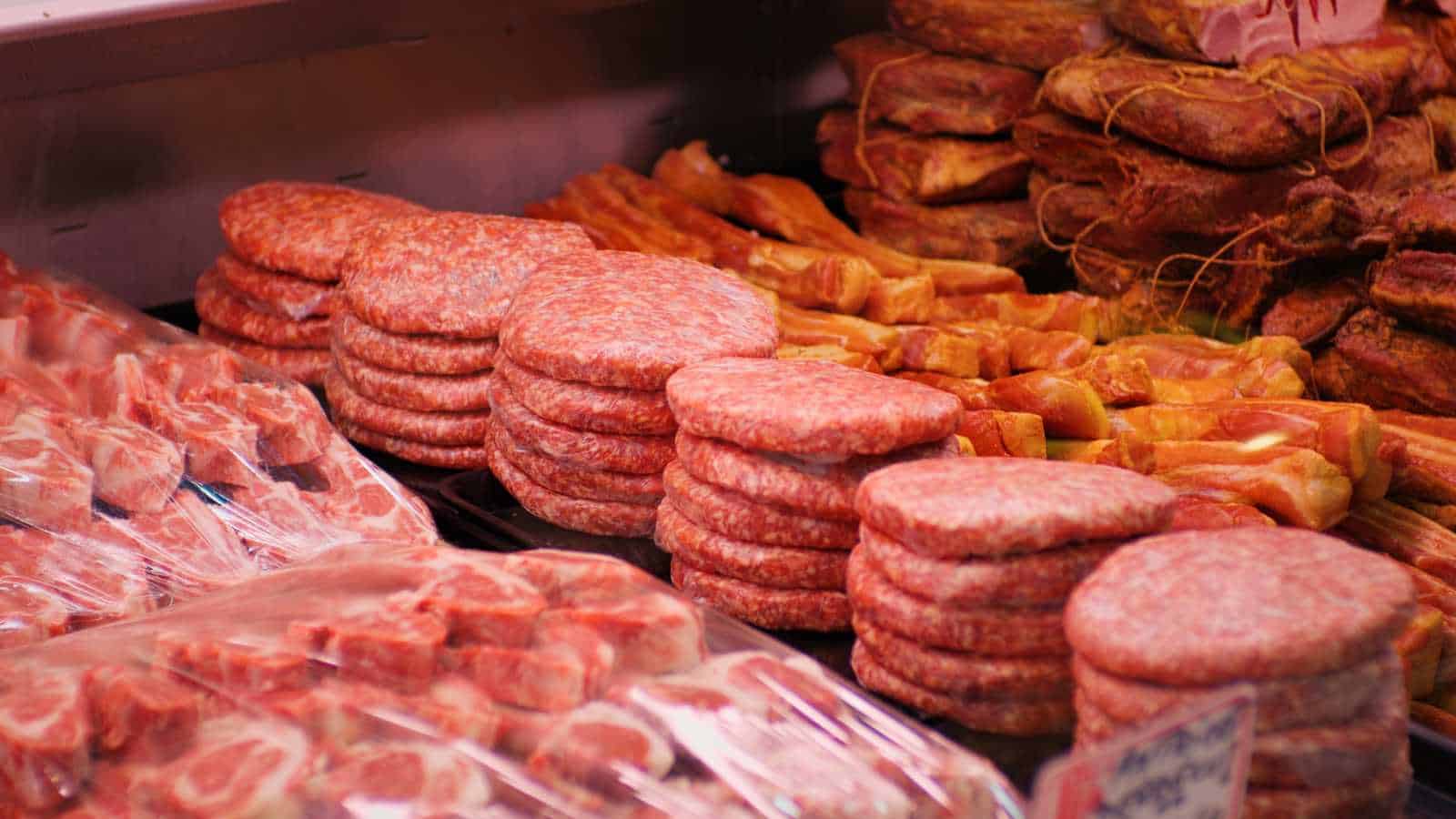
Processed meats offer convenience, but experts keep waving caution flags. The World Health Organization classifies processed meat as Group 1, carcinogenic to humans, based on evidence linking it with colorectal cancer. These foods can also contain high levels of sodium and saturated fat, so they affect the body from multiple angles.
A turkey sandwich or breakfast plate need not disappear forever, but processed meats should not anchor the weekly meal plan. Choose chicken, fish, eggs, beans, lentils, tofu, or fresh turkey more often. Your cart will still have protein, just with fewer red flags.
Margarine and hydrogenated spreads
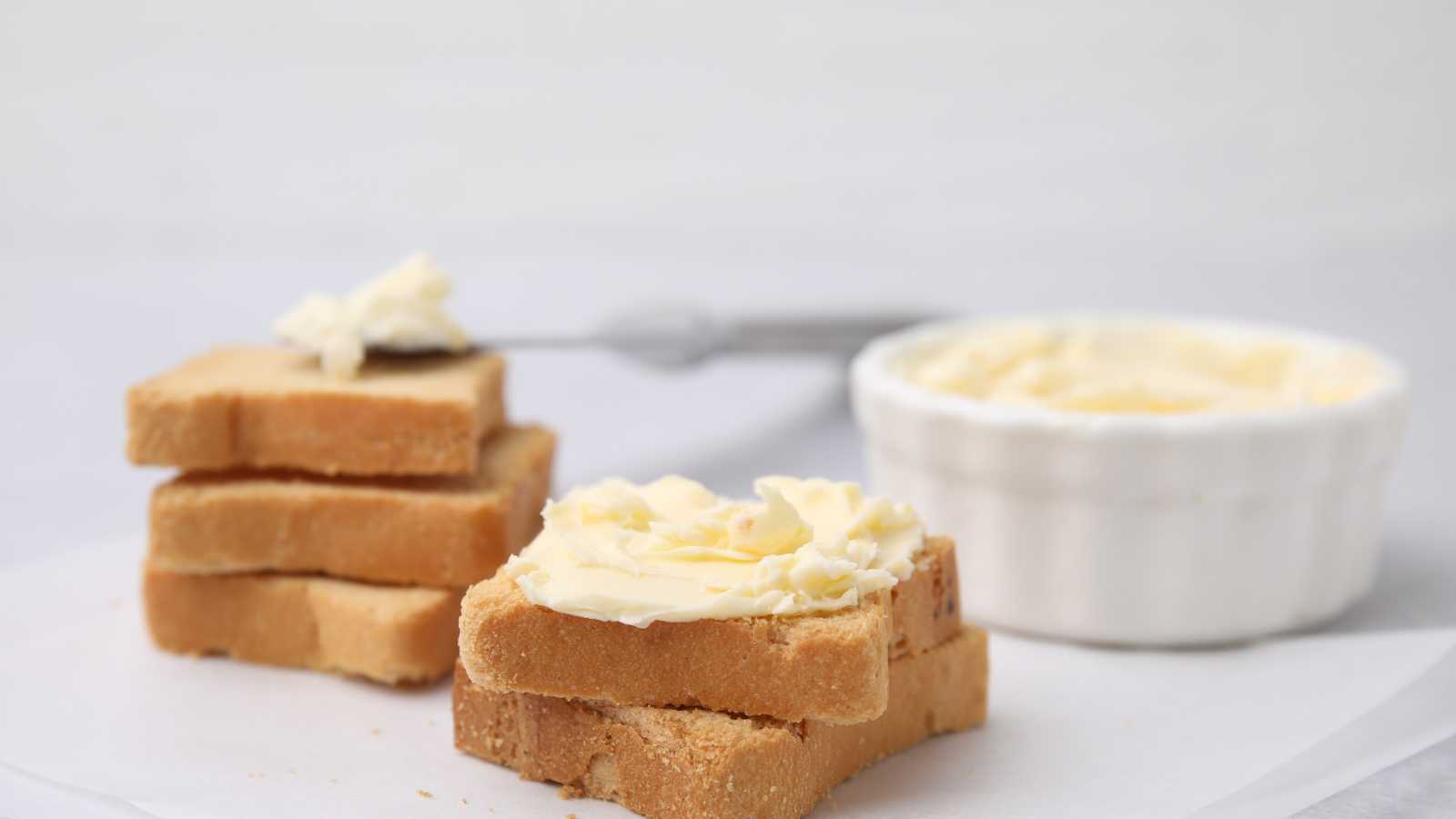
Margarine and hydrogenated spreads deserve a careful label check because older versions built their reputations during a confusing era of fats. Many U.S. spreads now use different formulas, but shoppers still need to watch for hard sticks, tropical oils, long ingredient lists, and saturated fat levels.
Soft spreads can fit some diets, yet they should not get a free health halo. Choose simple fats in modest amounts. Olive oil, avocado, nut butters, and small portions of butter can make more sense than mystery spreads labeled “chemistry class.”
Unpasteurized milk

Unpasteurized milk may sound rustic and pure, but food safety experts strongly warn against it. Raw milk can carry dangerous bacteria, including Salmonella, E. coli, and Listeria. Pasteurization uses heat to kill harmful germs, protecting a basic family staple without turning milk into junk food.
Raw milk fans often praise taste and tradition, but a grocery list should not gamble with foodborne illness. Choose pasteurized milk, yogurt, kefir, and cheese from safe sources. You can still get calcium, protein, and dairy comfort without inviting bacteria to breakfast.
Flavored yogurts
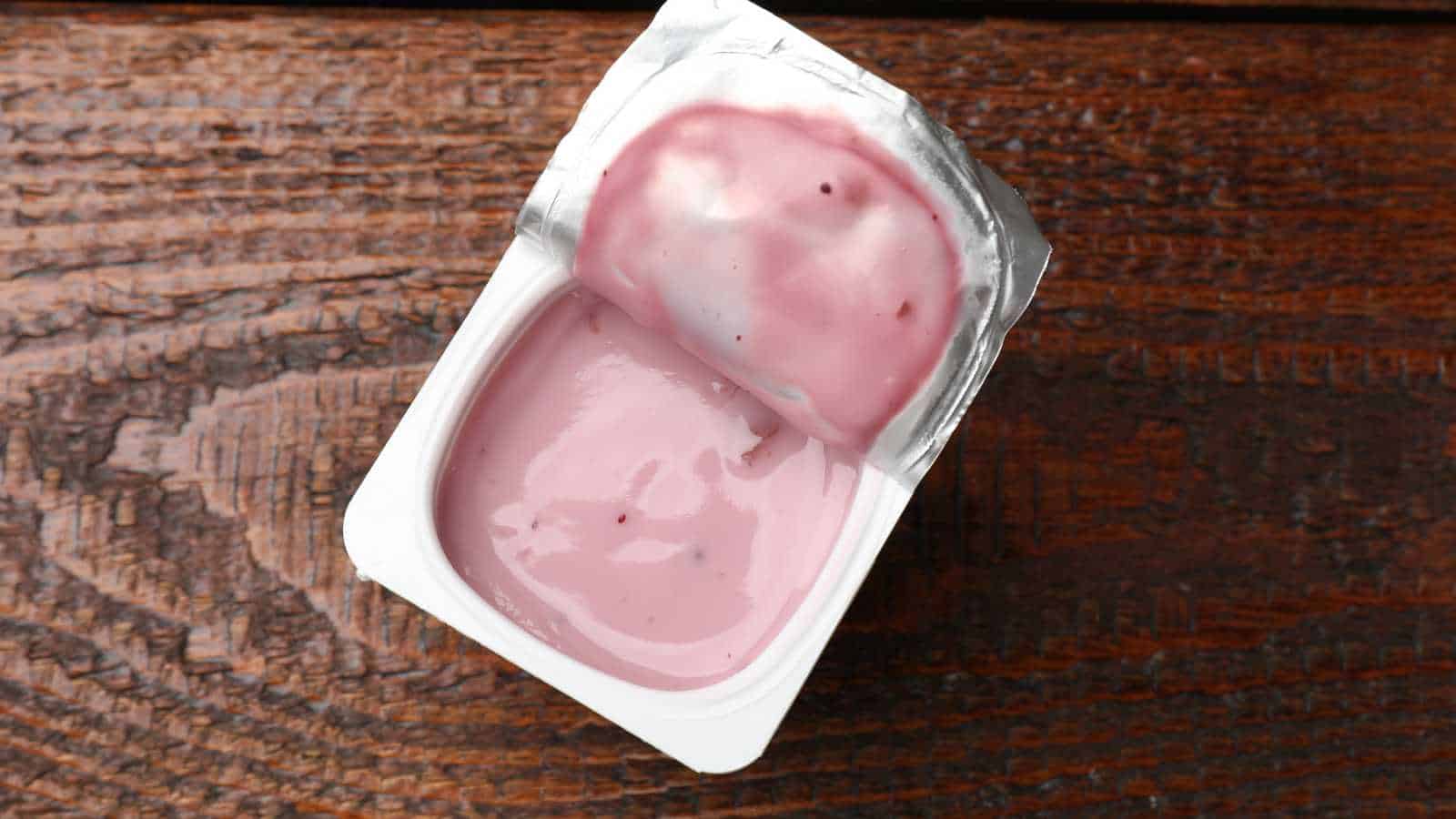
Flavored yogurt can look like a wholesome breakfast, but some cups lean closer to dessert. USDA FoodData Central-branded data, shown through MyFoodData, lists one 170-gram strawberry low-fat yogurt with 16 grams of added sugar. That source provides shoppers with a practical label-reading reminder. Yogurt itself can be a smart buy because it brings protein, calcium, and live cultures in a wide variety.
The problem starts when brands add candy-style sweetness, syrups, cookie toppings, or fruit blends that taste more like jam. Choose plain Greek yogurt or lightly sweetened yogurt most often. Add berries, cinnamon, nuts, chia seeds, or a small drizzle of honey at home. You control the sweetness, and breakfast stays on your side.
Packaged fruit snacks
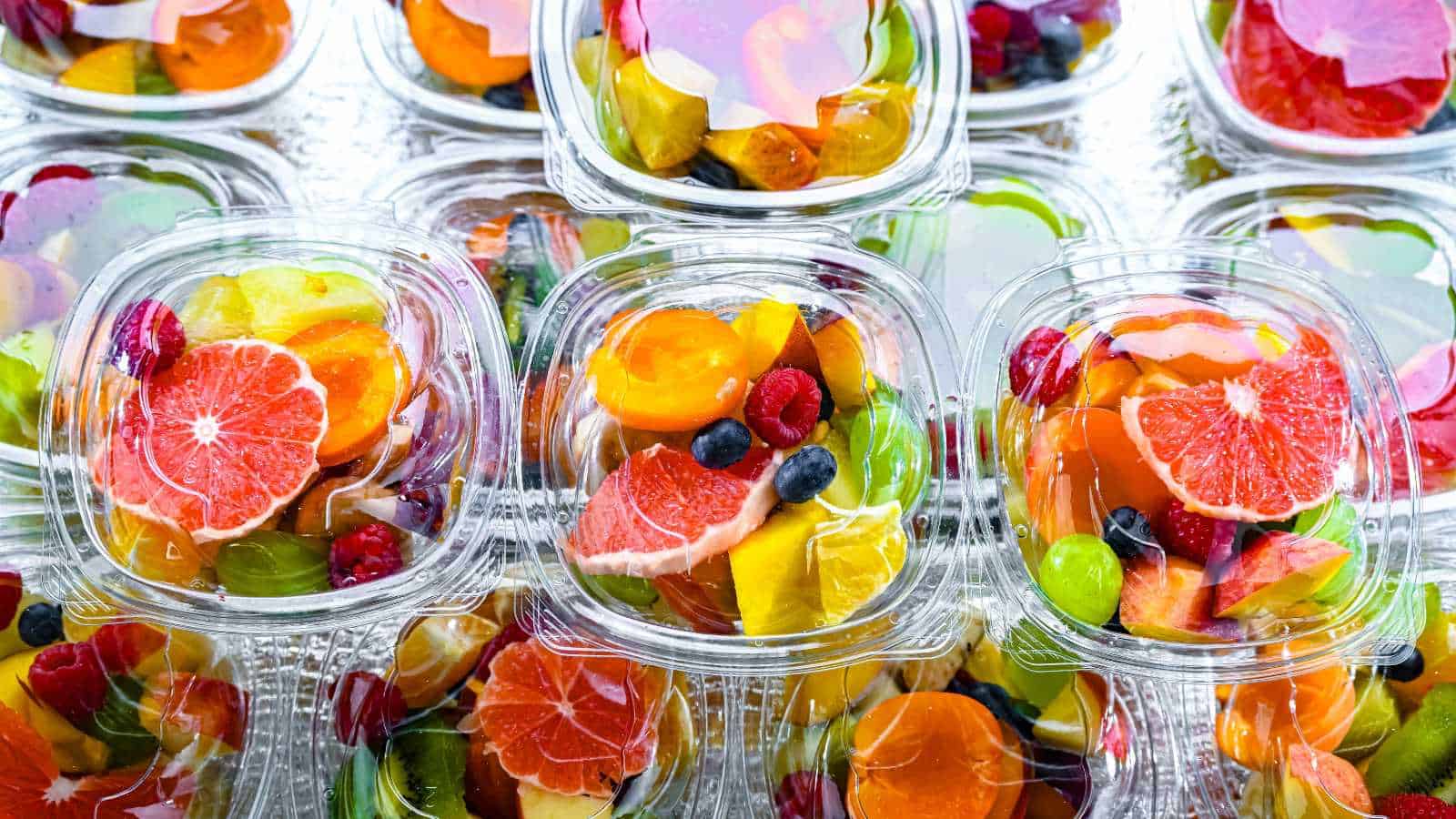
Packaged fruit snacks dress up like lunchbox heroes, but many act more like gummy candy. Many pouches rely on corn syrup, sugar, starches, concentrates, and flavorings to create that chewy candy bite.
They can help in a pinch, but they should not stand in for fruit. Keep apples, mandarins, grapes, berries, and raisins without added sugar, or unsweetened fruit cups, ready for grab-and-go days. Sweet can still be simple.
Key takeaway

Experts do not need your grocery cart to look perfect. They want it to stop giving prime space to foods that pretend to be healthier than they are. Sugary drinks, dessert coffees, flavored yogurts, fruit snacks, diet snack packs, instant noodles, processed meats, and raw milk can drain energy, crowd out better foods, and make healthy eating feel harder than it needs to be.
The better cart feels simple. Choose more water, whole fruit, plain yogurt, whole grain wraps, fresh proteins, beans, vegetables, and clearly labeled fats. Read the first few ingredients before the front of the package wins you over. Small swaps can make meals brighter, budgets calmer, and snack time much less dramatic.
Disclaimer – This list is solely the author’s opinion based on research and publicly available information. It is not intended to be professional advice.
Like our content? Be sure to follow us.