12 cities built in some of the world’s most difficult places to survive
Some cities enjoy mild weather and gentle landscapes, while others seem to challenge nature to a fistfight. People have established major communities on frozen ground, oxygen-thin plateaus, sinking coastlines, scorching deserts, and riverbanks that swing between historic floods and record droughts.
I have a soft spot for maps that make me ask, “Who looked at this location and thought, perfect, let’s build thousands of homes here?” The question matters even more as cities grow: the United Nations expects the global urban share to rise from 55% to 68% by 2050, while the World Meteorological Organization says 2024 ran about 1.55°C above the preindustrial average and ranked as the warmest year on record. WMO Secretary-General Celeste Saulo warns that “every additional increment of global warming increases the impacts on our lives, economies and our planet.”
Yakutsk, Russia
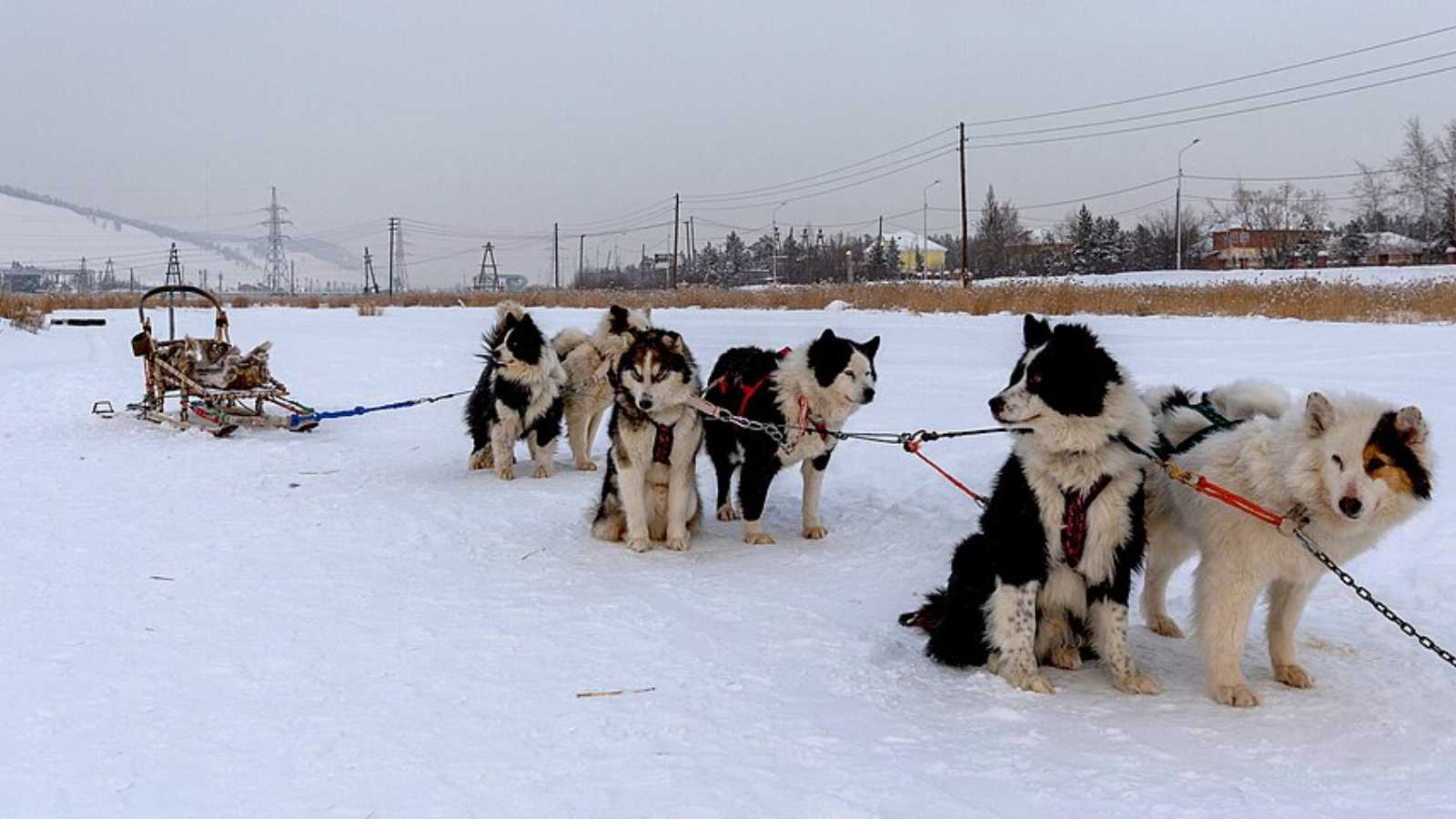
Yakutsk sits in eastern Siberia, where winter creates conditions that sound less like a forecast and more like a freezer warranty. NOAA-based climate records place the average January high near minus 29.6°F and the average low near minus 40°F, meaning residents regularly start their mornings at temperatures that would close schools and roads across most of the United States. Ever worried that your phone battery drains too quickly in winter? Imagine watching it lose power within minutes whenever you step outside.
The severe cold shapes almost every practical decision, from clothing and transportation to construction and food storage. Frozen ground limits ordinary building methods, while extreme temperature swings challenge roads, engines, pipes, and foundations; researchers have also detected a long-term rise in average winter temperatures across central Yakutia, which creates fresh problems as frozen soil conditions change. I admire Yakutsk because the city never pretends that humans have conquered the climate; residents simply prepare better than the rest of us and continue with Tuesday.
Norilsk, Russia
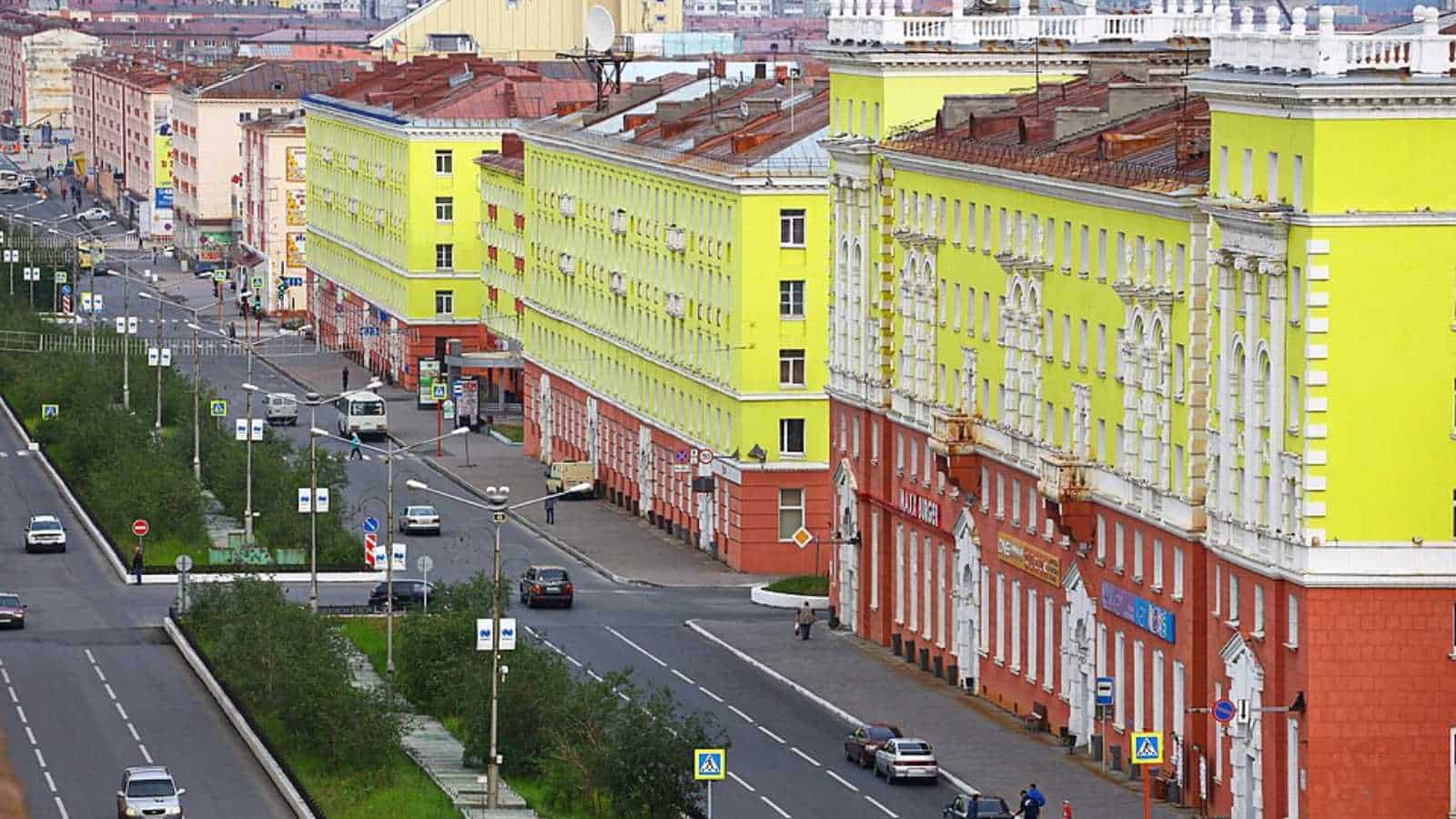
Norilsk combines several hardships that most cities would prefer to experience separately. The city endures a polar night lasting almost 46 days, from late November until mid-January, so the sun refuses to rise for roughly six and a half weeks. Cold already tests the body, but prolonged darkness can also disrupt sleep, mood, and daily routines, which makes that cheerful winter commute even more delightful.
Heavy industry adds another serious challenge. A 2025 study classified every sampled urban soil site as polluted and found that 71% of samples carried high or very high ecological risk; petroleum products exceeded background levels by 12.5 times on average. Norilsk supports mining and metal production in a place where isolation, frozen terrain, pollution, and darkness all demand constant adaptation, so the city earns its spot without needing dramatic exaggeration.
Ulaanbaatar, Mongolia
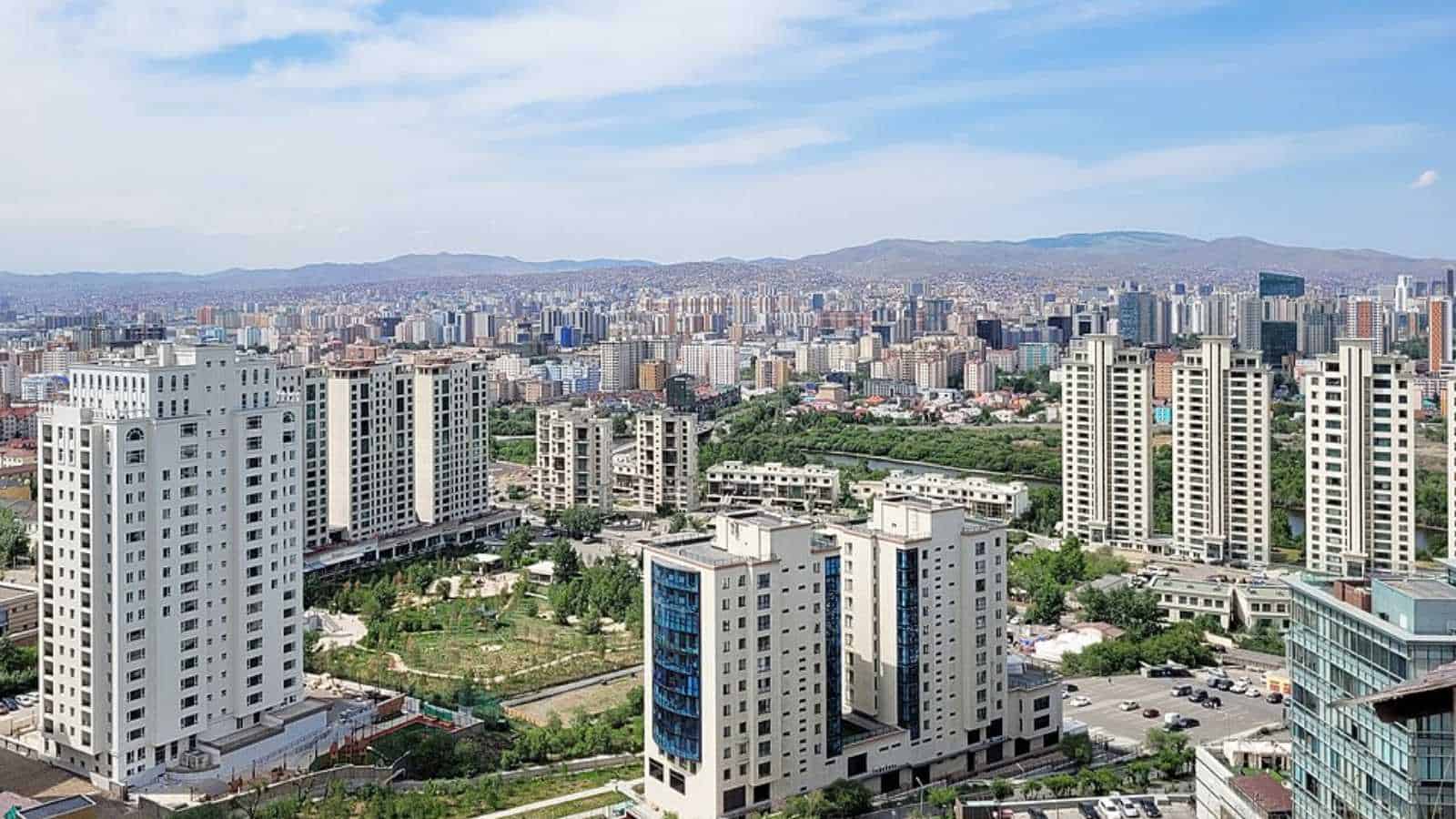
Ulaanbaatar occupies a mountain-ringed valley where winter temperatures plunge, and temperature inversions trap polluted air near the ground. Many households burn coal or other solid fuels for heat, and the surrounding terrain prevents smoke from escaping easily. UNICEF reports typical winter PM2.5 concentrations of 80 to 90 micrograms per cubic meter, while the worst cold-day peaks can exceed 650, more than 40 times the World Health Organization’s 24-hour guideline.
The numbers become even harder to ignore when children breathe that air on their way to school. UNICEF recorded one extreme hourly reading of 3,320 micrograms per cubic meter in 2018, although Mongolia’s raw-coal restrictions later helped reduce long-term pollution levels. Few cities illustrate such a cruel trade-off so clearly: families need heat to survive the cold, yet traditional heating methods can make the air hazardous.
Iqaluit, Canada
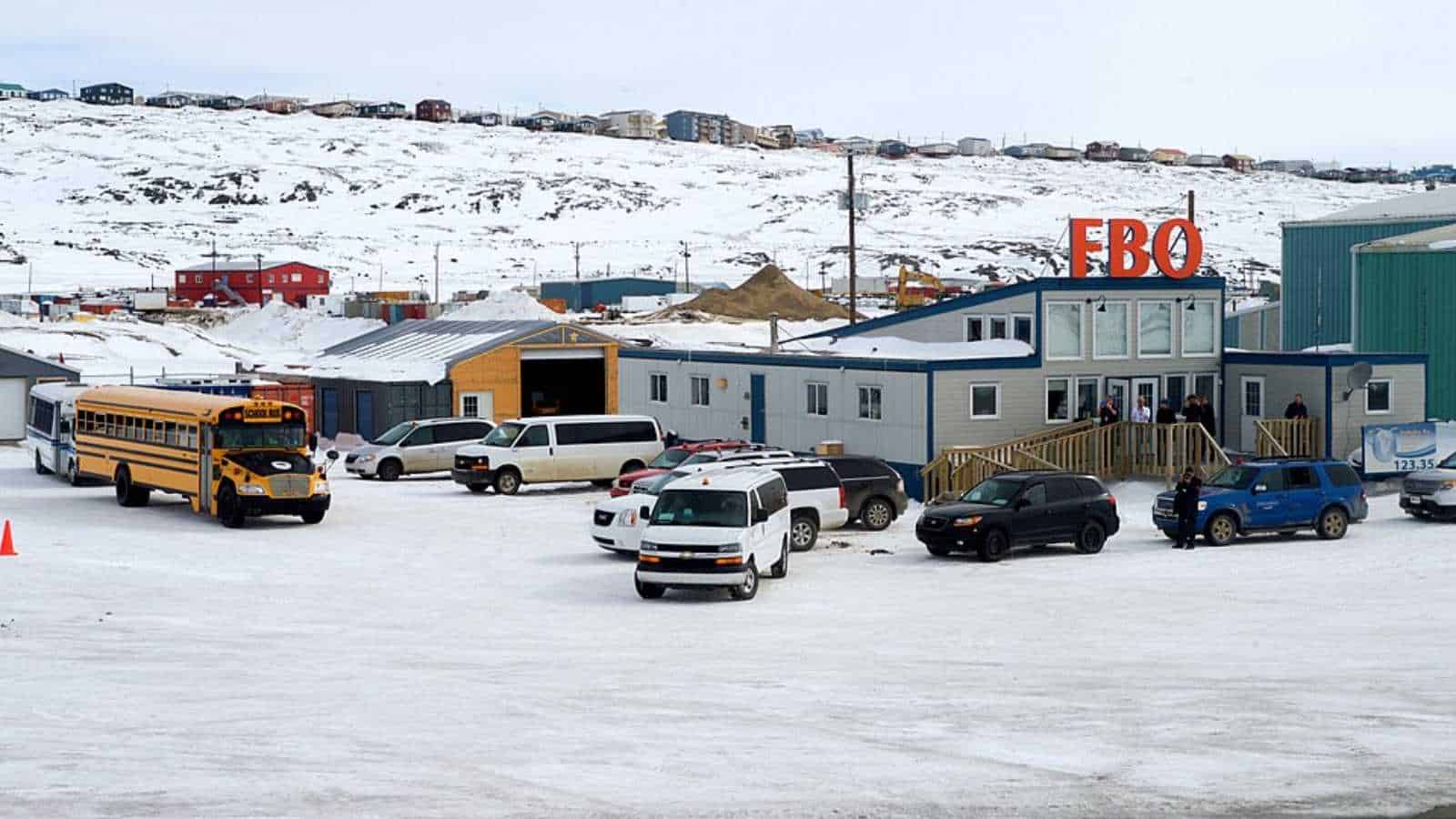
Iqaluit, the capital of Nunavut, faces cold that dominates much of the calendar. Environment and Climate Change Canada’s historical normals show average temperatures of about minus 15.9°F in January and minus 18.4°F in February, while average February lows drop close to minus 26°F. Those figures do not include the wind chill that can make a perfectly respectable parka reconsider its career choices.
Geography adds another layer of difficulty because no road connects Iqaluit to southern Canada. Aircraft and seasonal ships carry many goods into the city, while imported diesel supplies much of its energy, so storms and transportation costs affect food, fuel, construction, and maintenance. Local sustainability programs increasingly combine modern infrastructure with Inuit knowledge, which offers a useful reminder: survival in extreme places depends on culture and community as much as technology.
El Alto, Bolivia
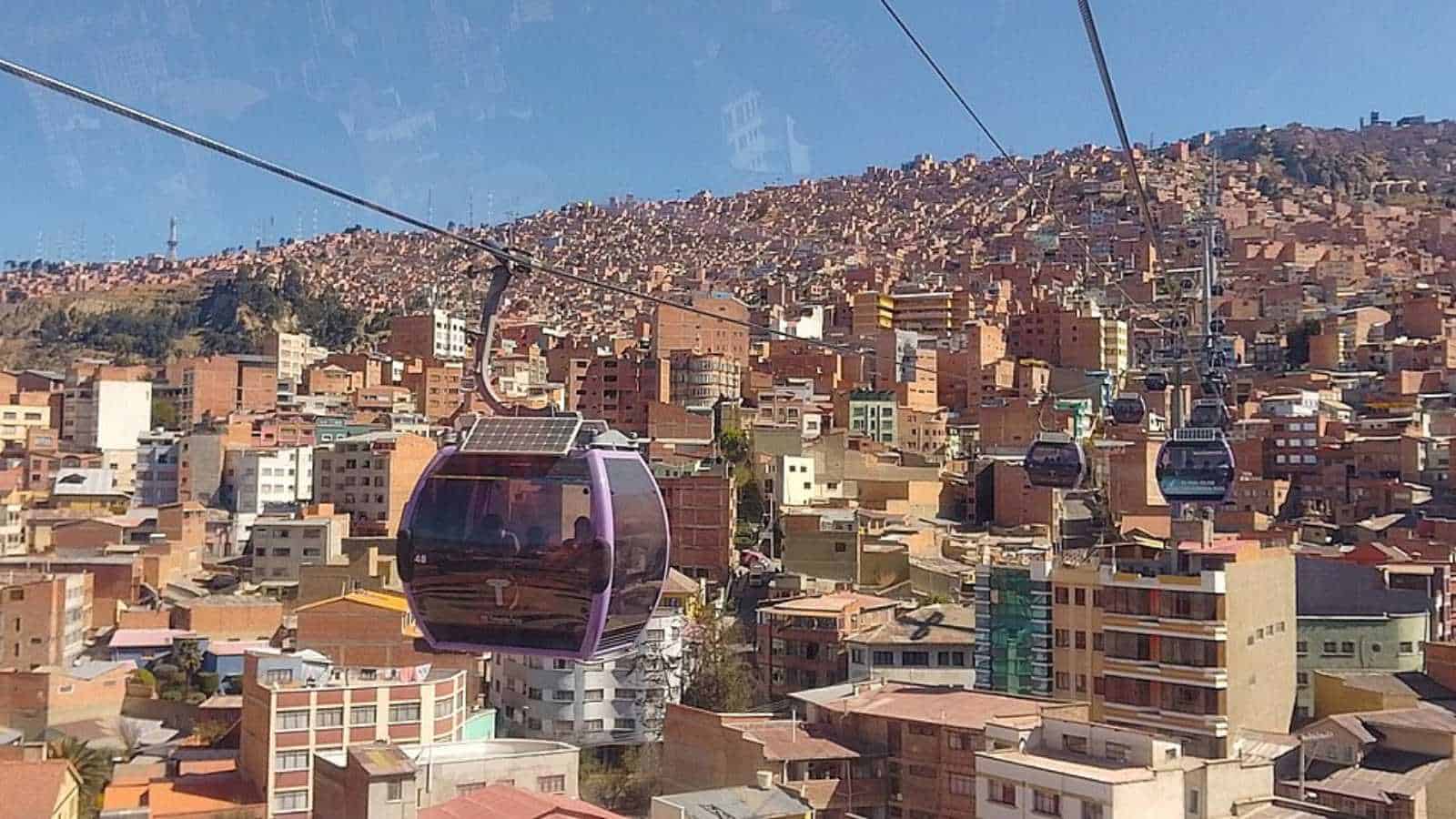
El Alto spreads across Bolivia’s Altiplano at roughly 13,100 feet above sea level, making it one of the highest major cities on Earth. The CDC warns travelers that altitude illness can begin above 8,000 feet because low air pressure reduces available oxygen, so a visitor who flies directly into El Alto may experience headaches, nausea, exhaustion, or breathlessness. Residents adapt over generations and through daily experience, but newcomers quickly discover that stairs have developed a personal grudge.
Cold nights, intense sunlight, limited oxygen, rapid expansion, and infrastructure gaps place constant pressure on the city. World Bank projects constructed more than 13 kilometers of roads and 18 kilometers of sidewalks, improving transportation for about 197,000 people and showing how investment can reduce the hardships that geography creates. Compared with smaller high-altitude communities, El Alto feels especially remarkable because it supports a huge, busy urban economy rather than a scattered mountain settlement.
Potosí, Bolivia
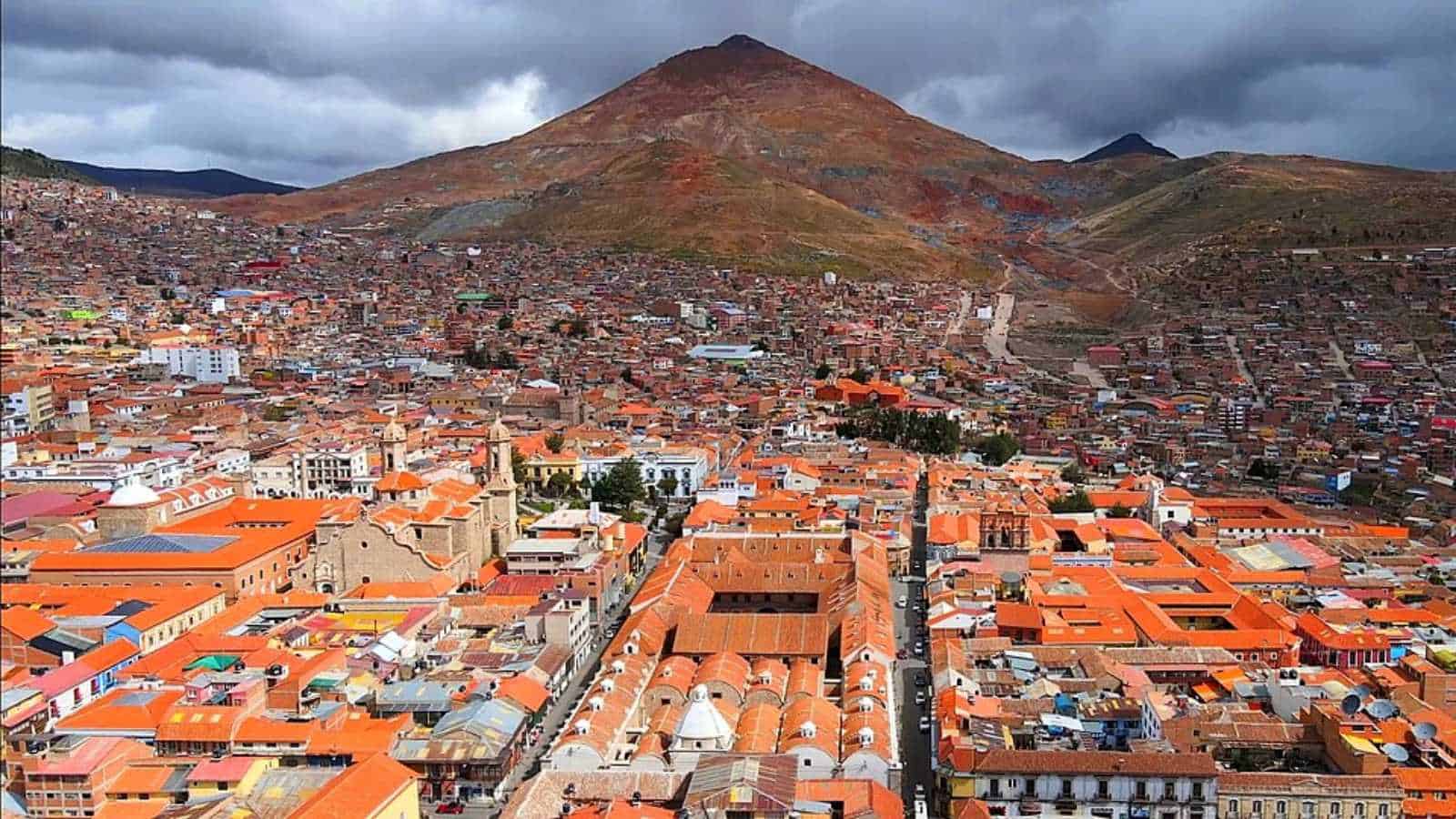
Spanish colonists developed Potosí beside Cerro Rico during the 1500s after silver discoveries transformed the region. The city rises about 13,400 feet above sea level, so visitors face the same low-oxygen risks that the CDC associates with elevations above 8,000 feet. Now add steep streets, freezing nights, a mining economy, and a mountain that centuries of excavation have weakened, and you have a setting that rarely offers an easy day.
UNESCO says continued mining has left Cerro Rico porous and unstable, and the organization placed Potosí on its World Heritage in Danger list. In 2025, UNESCO urged authorities to close mining sections above 14,436 feet, stabilize slopes, fill sinkholes, and strengthen monitoring. Potosí fascinates me because the mountain created the city’s wealth, identity, and global importance, yet that same mountain now threatens the urban landscape below it.
Arica, Chile
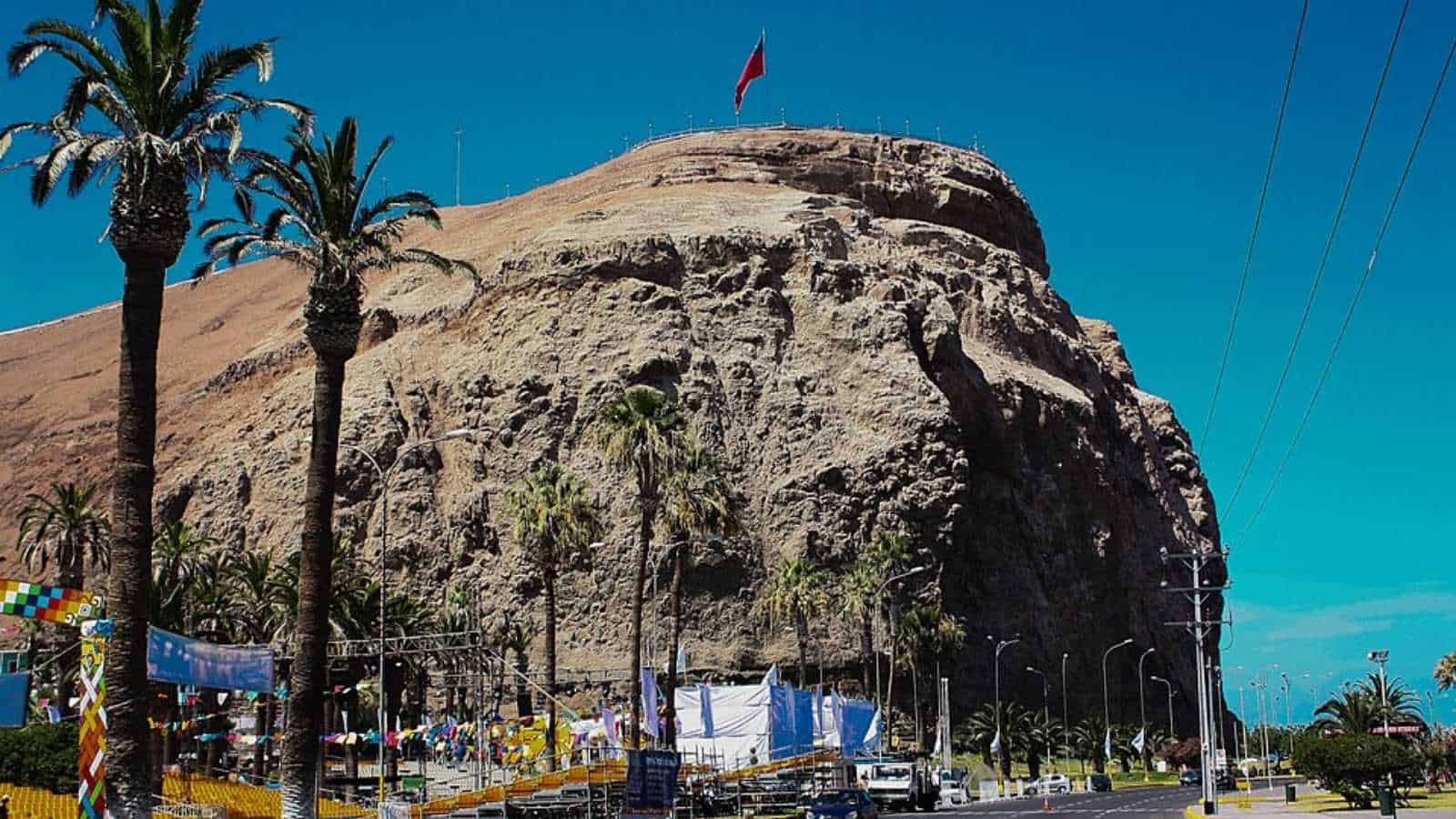
Arica sits between the Pacific Ocean and the Atacama Desert, one of Earth’s driest environments. Chile’s meteorological service lists just 2.3 millimeters, or about 0.09 inch, as the normal annual precipitation at Arica’s Chacalluta station. For comparison, many American cities can receive more rain during one afternoon thunderstorm than Arica expects across an entire year.
The Andes block moist air from the east, while the cold Pacific current limits rain-producing clouds from the west. Arica therefore depends heavily on rivers, reservoirs, aquifers, imported resources, and careful water management rather than rainfall. The coastal fog adds some moisture, but fog does not exactly fill a bathtub on command, does it?
Phoenix, Arizona
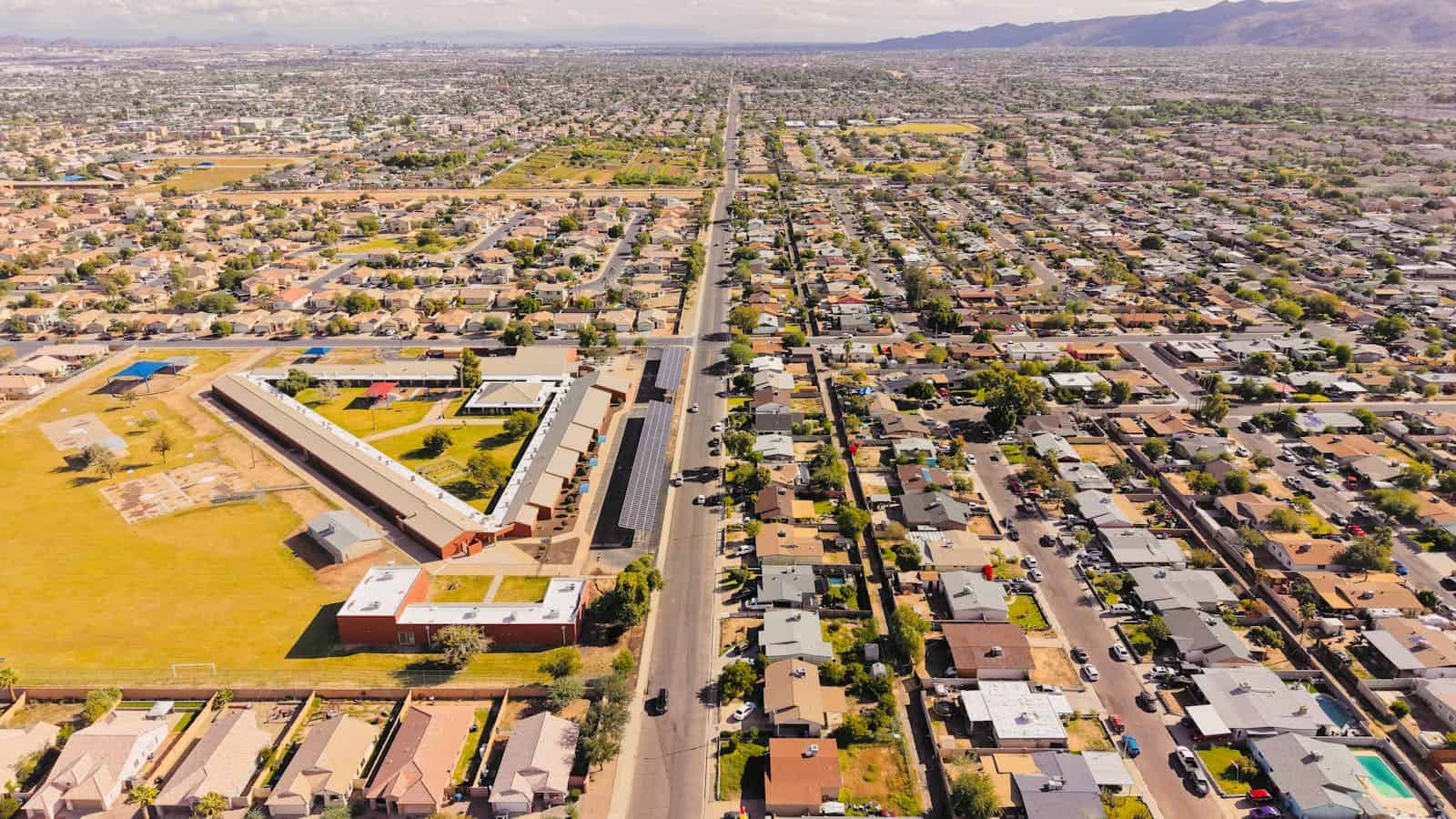
Phoenix offers the most familiar entry for many U.S. readers, but familiarity does not make the conditions less extreme. The metropolitan area endured 113 consecutive days at or above 100°F in 2024, crushing the previous record of 76 days. Maricopa County confirmed 602 heat-related deaths that year, even though the total fell from the record 645 deaths in 2023.
Air conditioning allows millions of people to live and work in the Sonoran Desert, but equipment failures can quickly turn homes into dangerous spaces. County investigators found air conditioners inside 88% of homes where indoor heat deaths occurred, yet 70% of those units did not function. Public health official Dr. Nick Staab offered the essential message: “Heat deaths are preventable,” but prevention requires reliable cooling, water, shade, transportation, outreach, and functioning electrical systems.
Kuwait City, Kuwait
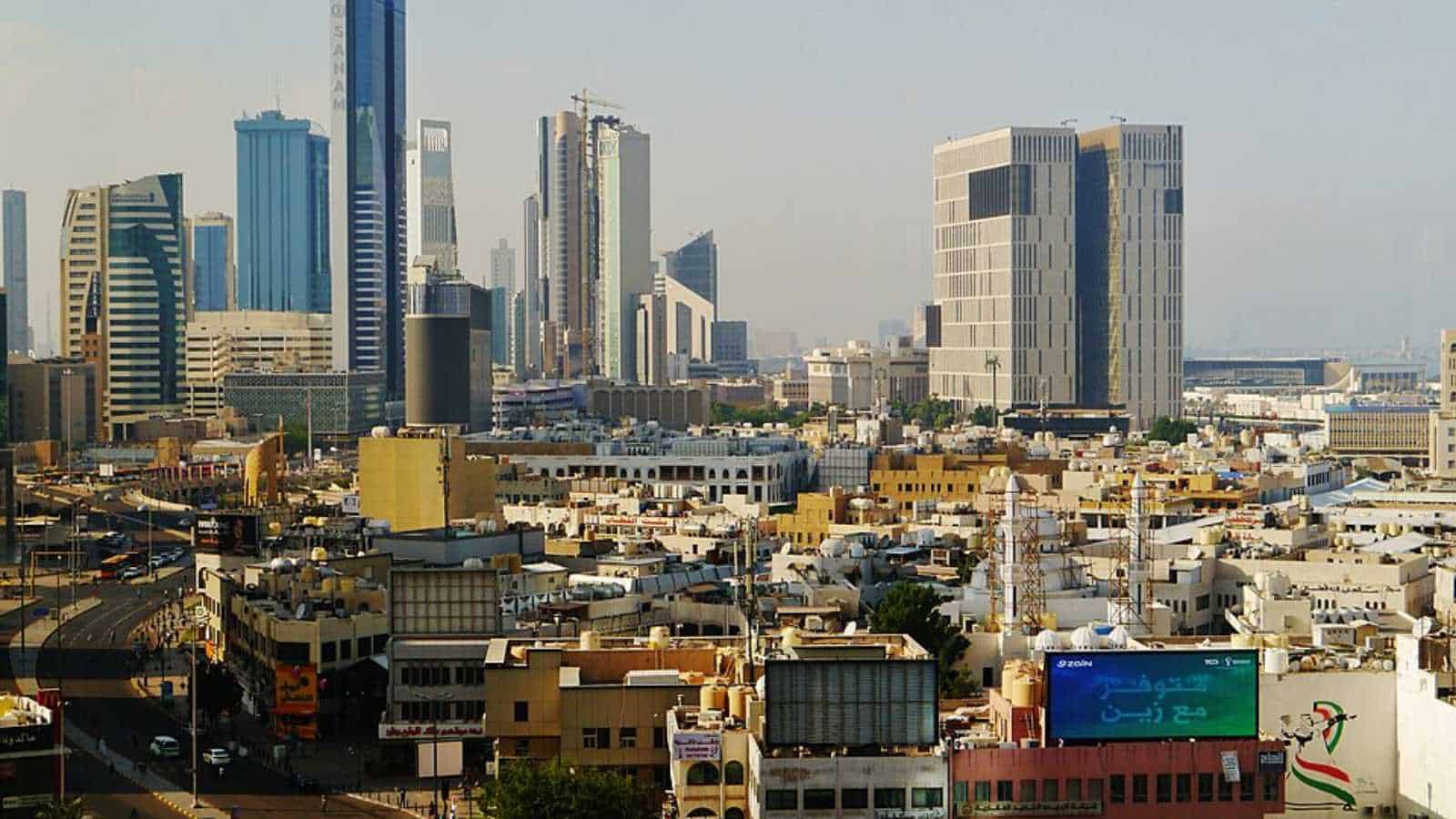
Kuwait City sits beside the Persian Gulf, where intense sunshine combines with desert heat and coastal humidity. The World Meteorological Organization verified a temperature of 129°F at Mitribah, Kuwait, in July 2016, which set the official continental record for Asia. Kuwait City does not reach that mark every afternoon, thankfully, but temperatures above 110°F regularly force residents to arrange work, exercise, shopping, and travel around the heat.
The broader Arab region now warms at roughly twice the global average, according to a WMO regional assessment. The report found that 2024 ran 1.08°C above the 1991 to 2020 average, while several areas experienced temperatures above 122°F for as many as 12 days. Air conditioning, desalination, shaded buildings, and nighttime activity support urban life, but they also require enormous amounts of reliable energy and infrastructure.
Manaus, Brazil
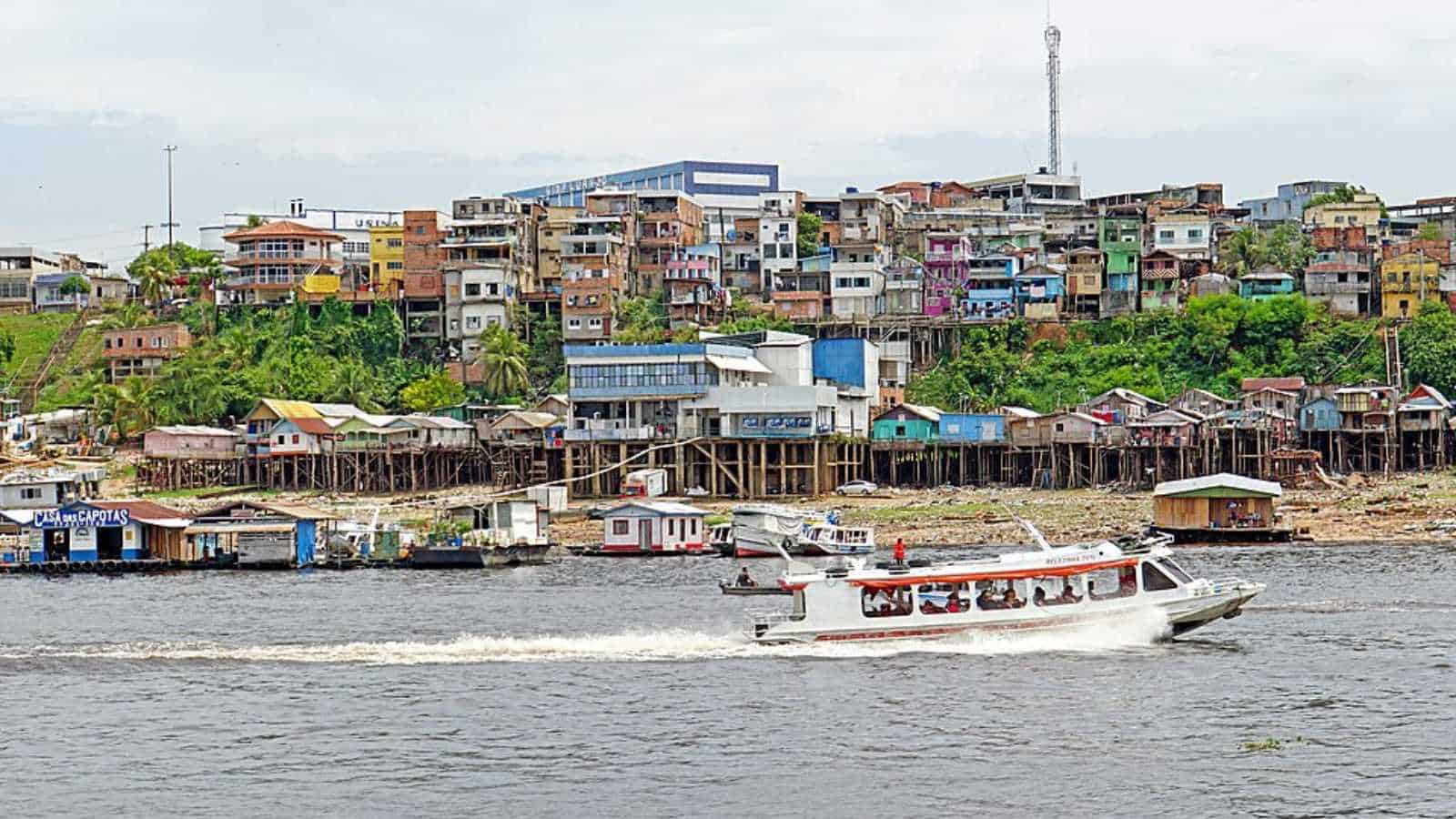
Manaus rises from the Amazon rainforest near the meeting of the Rio Negro and Solimões rivers. Average humidity hovers around 79%, so sweat evaporates slowly and makes ordinary heat feel heavier. Rain, rivers, vegetation, insects, intense sunlight, and limited road connections have always shaped life here, but recent droughts have turned the city’s traditional relationship with water upside down.
In October 2024, the Rio Negro at Manaus reached its lowest level since measurements began in 1902, stranding boats and disrupting the river transport system that carries people, medicine, food, and commercial goods. Wildfires and dry vegetation also sent thick smoke over Manaus during recent drought seasons. A rainforest city struggling with water shortages sounds like a bad joke, yet it shows how quickly climate extremes can rewrite the rules of survival.
Jakarta, Indonesia
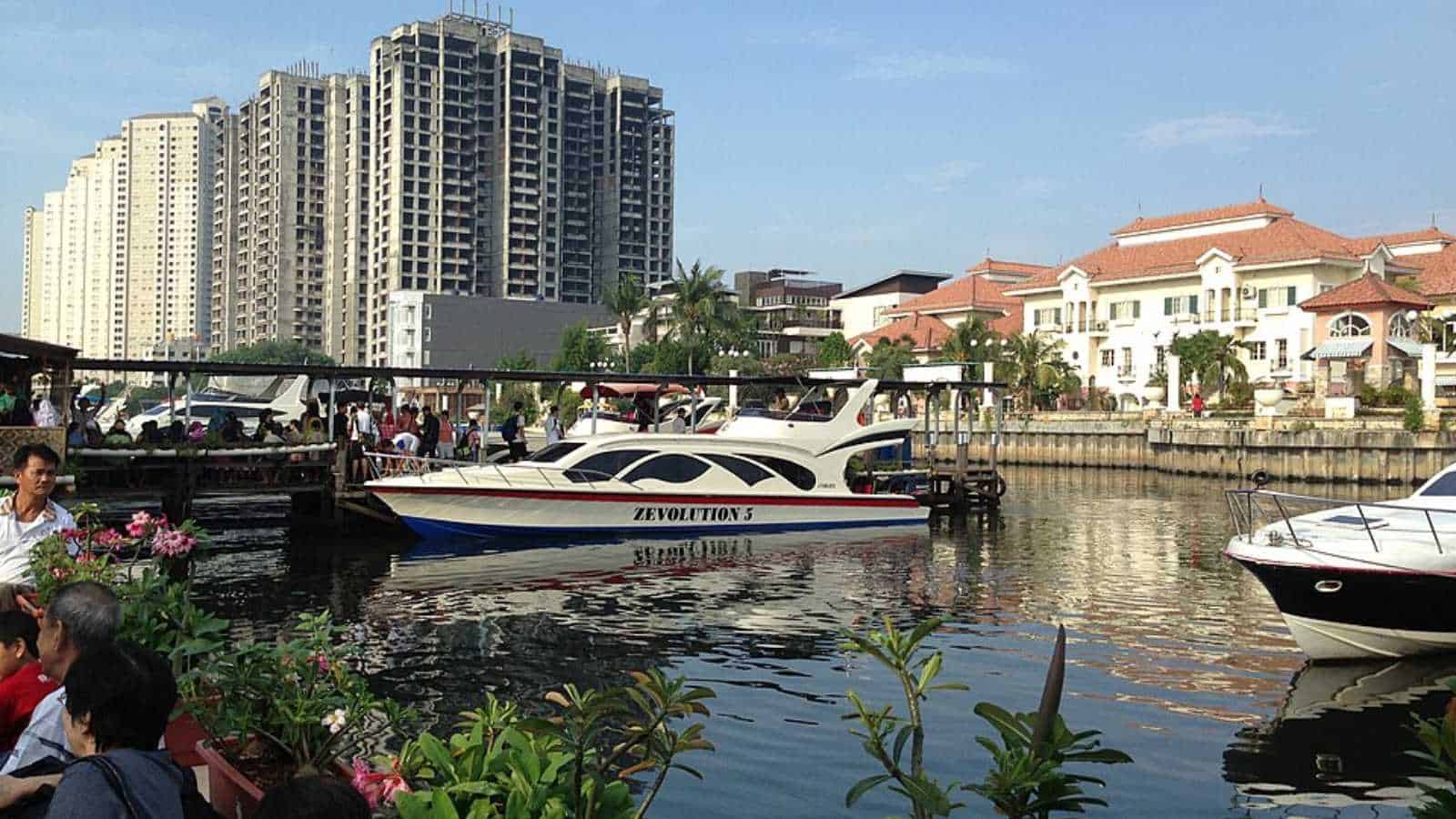
Jakarta faces flooding from rivers, heavy rainfall, coastal storms, rising seas, and sinking land. Around 40% of the city lies below sea level, while some districts sink rapidly because households, businesses, and industries pump groundwater from underground aquifers. Researchers have measured localized subsidence rates approaching 31 centimeters, or roughly one foot, per year in Jakarta, which gives the phrase “moving neighborhood” an entirely unwanted meaning.
Limited piped-water coverage contributes to the problem because many residents still rely on wells. City data showed that only about 67% of Jakarta’s residents had access to piped water in 2023, although authorities aim to reach full coverage by 2030. Pumps, reservoirs, seawalls, drainage improvements, river restoration, and better water services can reduce risk, but the city must pursue several solutions at once while supporting millions of residents.
Venice, Italy

Venetians created their city across muddy lagoon islands and supported buildings with vast networks of wooden piles. That method produced one of the world’s great urban landscapes, but subsiding ground and rising sea levels have increased the threat from high tides. A 2019 tide reached 187 centimeters, flooded about 80% of Venice, and demonstrated how quickly streets, businesses, churches, and homes can disappear beneath salt water.
Engineers now use the MOSE system, which includes 78 movable barriers across the lagoon’s three main inlets. The barriers protected Venice from potential flooding 154 times between their 2020 launch and April 2026, but every closure interrupts shipping and alters the lagoon’s natural water exchange. Venice looks romantic in photographs, but maintaining that beauty requires constant forecasting, pumping, restoration, monitoring, and very expensive gates that essentially tell the Adriatic Sea, “Not today.”
Key takeaway

These 12 cities prove that people can create functioning communities in almost any environment, but human determination never works alone. Residents rely on specialized buildings, heating and cooling systems, water infrastructure, transportation networks, medical knowledge, local traditions, and an impressive ability to treat extreme conditions as part of everyday life.
Climate change now raises the stakes through hotter heat waves, shifting permafrost, deeper droughts, rising seas, and stronger flooding risks. The next time your neighborhood weather feels slightly inconvenient, remember Yakutsk’s frozen mornings, Arica’s almost nonexistent rain, or Venice’s giant underwater gates; and perhaps forgive the forecast just this once.
Related Content:
- 12 U.S. cities seeing some of the steepest population drops
- The new American hotspots: 12 cities people are moving to in 2026
- 12 reasons some people choose life abroad instead of the American Dream