12 common signs that suggest a woman is financially struggling
Money stress rarely walks into a room with a spotlight flashing. Instead, it plays a quiet game of hide-and-seek, slipping into the background of daily life through the smallest, most hushed choices.
Despite how effortlessly many women seem to hold it all together, the systemic pressure behind the scenes is real. According to the International Labor Organization, women globally earn, on average, about 20% less than men. That leaves many households making tough choices when life throws even a small curveball.
When you couple that stubborn pay gap with skyrocketing housing costs and everyday inflation, it leaves millions of brilliant, hardworking women making agonizing choices the moment life throws even a minor curveball.
Financial strain has a distinct body language. There is a quiet code to how it manifests before the storm actually hits. We aren’t here to judge or shame. Far from it. We are peeling back the curtain to reveal the subtle, often invisible red flags of economic exhaustion.
Minimum payments slip

Minimum payments tell a quiet story. A woman pays less than required, misses deadlines, or splits one bill across several small deposits. She opens her banking app often, then closes it fast because the numbers feel too loud. This fragile routine turns one tight month into a prolonged financial mess.
Fees, anxiety, and shame travel together, quietly compounding behind closed screens. Yet, a practical check-in helps far more than panic ever could. Confronting the screen is painful, but hiding costs twice as much. The real danger isn’t the current balance; it is the hidden trap waiting just beneath the next cycle.
She times life around payday

Every plan waits for direct deposit. She delays groceries, gas, medication, and small outings until money lands. This reality does not always stem from careless spending; instead, income and bills simply fail to meet neatly in the middle.
Data from The Bank of America Institute shows that approximately 25% of U.S. households live paycheck to paycheck. A supportive friend notices this timing without making her feel exposed.
Offering a low-cost dinner at home feels infinitely kinder than extending another expensive invite she must decline. True connection requires noticing the quiet gaps between paydays.
Credit cards cover basics

The grocery cart is full, the fuel tank is topped off, and the utility bills are paid on time. From the outside, it looks like a picture of stable, everyday comfort. Yet, beneath the surface of these routine errands lies a silent, escalating struggle.
When high rent drains every dollar of cash, a credit card quietly transforms from an emergency safety net into a dangerous, makeshift paycheck. She promises herself she will clear the balance when next month arrives, but a new wave of expenses always lands first. Relying on revolving debt to survive the week is the ultimate warning sign that a household’s foundation is fracturing.
Her emergency fund stays thin
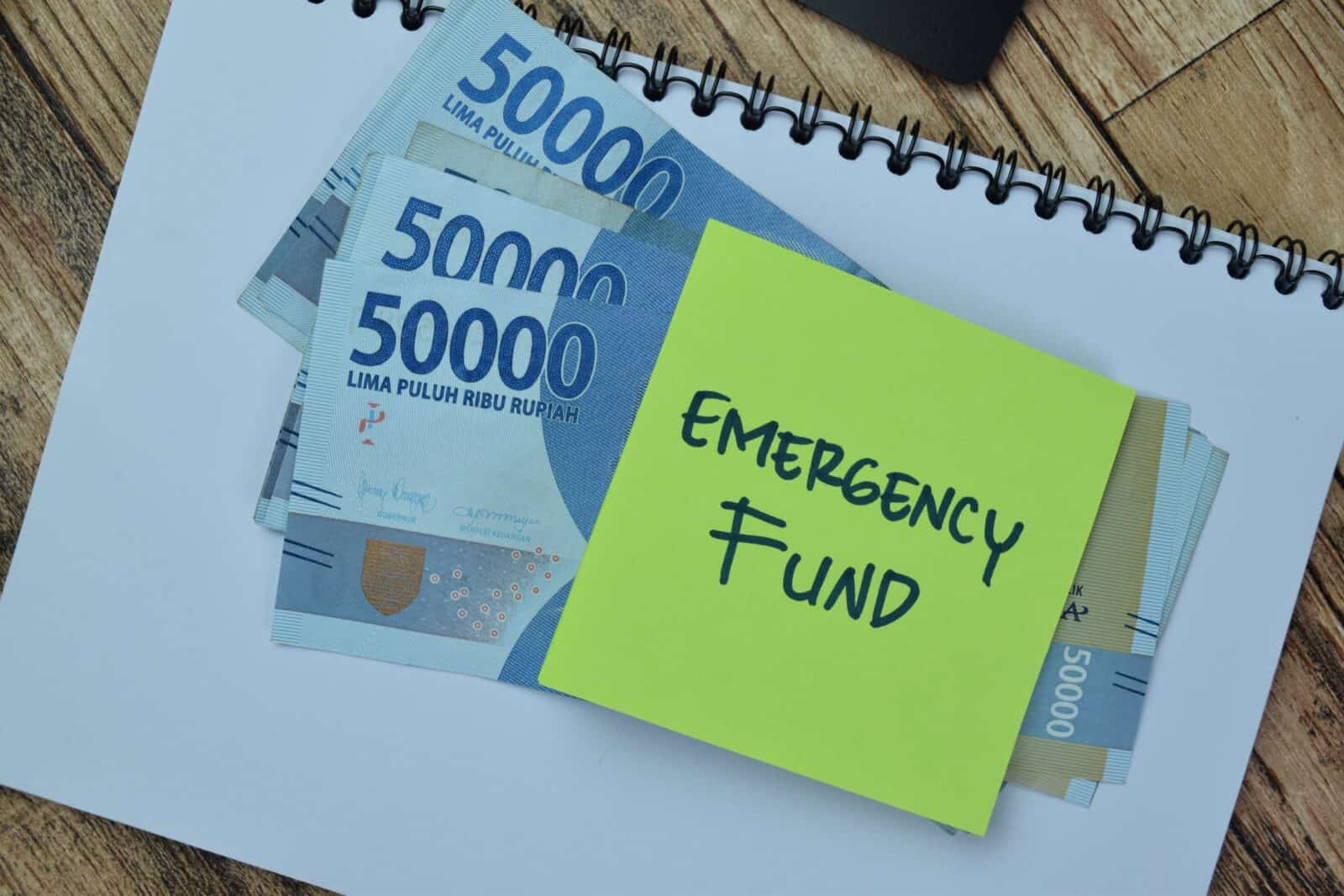
A shrinking emergency fund makes ordinary life feel dramatic. Picture a woman constantly shifting the exact same $50 among checking, savings, and a credit card payment.
She insists everything is fine, silently praying her car, teeth, phone, and fridge survive one more month. This constant financial tightrope walk drains mental energy long before the money actually runs out.
Data from the Colorado Bankers Association reveals that 59% Americans are uncomfortable with their level of emergency savings. The persistent anxiety forces people to avoid fun, pause major goals, and reject invitations before anyone even asks. When confronting this silent strain, gentle support beats a rigid lecture every time; no one requires a budgeting sermon during crisis mode.
Buy now, pay later piles up

The checkout screen promises easy relief. A shopper splits the cost of school supplies, groceries, or winter coats into tiny, painless chunks. Today feels manageable. However, the trap snaps shut when six separate “harmless” balances come due on the same Tuesday. Suddenly, that convenient digital tool mutates into a crushing financial ambush.
This invisible debt spiral does not signal a reckless shopping addiction; it reveals a desperate attempt to stretch every single dollar just to survive. When the baseline cost of existence outpaces the paycheck, breaking routine purchases into pieces becomes the final, fragile lifeline.
Rent takes the room

Housing pressure can swallow the whole budget. A woman may pay rent first, then squeeze food, transport, health care, and savings into whatever remains. She may stay in a place that feels too small, too far, or too stressful because moving costs too much.
Analysis by the Harvard Joint Center for Housing Studies defines a household as cost-burdened if it spends more than 30% of its income on housing and utilities. That number helps explain why many women feel stuck even with steady work. Rent can make a decent paycheck feel tiny. The warning sign appears when shelter leaves little room for anything else.
Groceries turn into math

Grocery stress shows up in small swaps. Women compare every shelf, skip favorites, choose cheaper proteins, or stretch one meal into several. They joke about being creative in the kitchen, but humor merely covers a tight budget. That pressure feels even heavier for mothers who fight to ensure children eat well first.
Food choices reveal far more than simple personal taste. A shopping cart shows exactly where the squeeze lives. When basic nutrition demands a calculated strategy, daily routines become silent battles. Families quietly sacrifice nutrition just to keep the kitchen running, leaving many to wonder how long this stretch can last.
Also on MSN: 12 mistakes that make women lose money
She postpones health care

Health care delays can signal deeper financial strain. A woman may ignore pain, cancel a checkup, stretch prescriptions, or wait until a problem feels impossible to overlook. She may tell herself she is too busy, but the real barrier may sit in the cost column.
Deloitte’s Women’s Health Equity Report confirmed that 50% of women survey respondents skipped or delayed needed medical care within a 12-month period. Women were also found to be 31% more likely to skip care due specifically to cost, compared to men. That choice can save money today and create bigger worries tomorrow. This sign deserves compassion, not judgment. Many women protect everyone else first and place their own care last.
Retirement feels blurry

Financial pressure forces a woman to focus entirely on today, leaving tomorrow completely blank. Immediate demands like rent and groceries crowd out long-term planning. She slips into survival mode, skipping savings contributions, draining small balances early, and tossing unopened statements aside. It is easy to assume she will fix the gap later, but time moves quickly, and silent deficits compound.
This behavioral pattern matters because economic hardship robs people of security, choices, and peace of mind. However, breaking this overwhelming cycle does not require massive wealth; a single intentional micro-action can instantly restore her sense of control and rewrite her trajectory.
Child care eats the paycheck

Child care can turn a full-time job into a financial puzzle. A woman may work extra hours, change shifts, rely on relatives, or pass up better opportunities because care costs feel too heavy. She may look tired because she manages two calendars before her day even starts.
Research from Care.com indicates that 78% of families spend 10% or more of their household income on child care, with 1 in 5 families paying over $30,000 annually. That kind of pressure can shrink savings, rest, and career choices all at once. The sign appears when one bill controls nearly every plan. Many mothers carry that math quietly.
Short-term loans look tempting
Short-term loans masquerade as rescue boats during stormy weeks. Women often weigh payday, pawn, or auto title options when urgent rent, costly repairs, and overdue utilities simply cannot wait. Yet, a hidden trap snaps shut immediately after the cash clears. These high-interest lifelines spark vicious cycles of compounding debt, turning temporary relief into permanent financial panic.
Reaching for quick money signals a cash shortfall rather than poor character, especially when the doors of traditional banking slam shut. The real emergency isn’t the sudden choice itself, but the predatory system that deliberately forces the gamble. Unmasking these aggressive lending tactics reveals exactly how deep the trap goes.
She borrows quietly

Private borrowing often comes wrapped in embarrassment. A woman may ask a sister, friend, parent, or partner for a small amount and promise to repay quickly. She may avoid explaining the full situation because pride still matters.
Per the long-running data from the Federal Reserve’s Report on the Economic Well-Being of U.S. Households, about 10% of adults who cannot cover a surprise $400 expense with cash or savings would turn to friends or family for the money. That request can feel small to the lender and huge to the person asking. Quiet borrowing does not mean failure. It often means she has run out of softer options.
Key takeaway
Financial struggle often shows up through timing, trade-offs, and silence. A woman may plan around payday, keep little emergency savings, lean on credit, delay health care, stretch groceries, borrow privately, or pause retirement goals. None of these signs makes her irresponsible. They simply suggest that financial pressure has begun to shape her choices.
The best response blends respect with practical care. Ask gently. Offer low-cost plans. Share resources without sounding superior. Most women do not need shame when money gets tight. They need room to breathe, a plan that feels realistic, and people who notice without making the struggle louder.
Disclaimer – This list is solely the author’s opinion based on research and publicly available information. It is not intended to be professional advice.
Like our content? Be sure to follow us.