12 economic truths experts rarely admit publicly
For all the complexity of modern economics, a handful of uncomfortable realities continue to shape the global economy. The world economy is expected to grow by roughly 3% in 2025, well below the average rates seen during many previous decades of globalization. Meanwhile, global debt has climbed to a record $348 trillion, equivalent to more than three times the world’s annual economic output.
At the same time, the World Bank estimates that roughly 44% of humanity still lives on less than $6.85 per day, highlighting how economic progress remains uneven despite decades of growth. These figures reveal a gap between economic headlines and economic reality.
Economists know many of these truths. Policymakers often know them too. Yet they are rarely discussed openly because they challenge popular narratives about growth, prosperity, and opportunity. Here are 12 economic truths experts seldom emphasize in public.
The Stock Market Is Not The Real Economy

Financial news channels often use a dramatic jump in the major stock market indexes to declare that working families are thriving. What they fail to mention is that equity prices primarily reflect corporate profitability and institutional investor liquidity rather than the well-being of the regular workforce.
Distribution data from government surveys confirm how concentrated equity ownership really is. Federal Reserve research on U.S. household wealth shows that the top 10% of families hold the vast majority of corporate equities, with lower‑ and middle‑income households owning only a small sliver.
Celebrating a record-breaking market high when your local community is struggling with factory closures is a complete mismatch of economic realities.
Inflation Is An Intentional Policy Choice
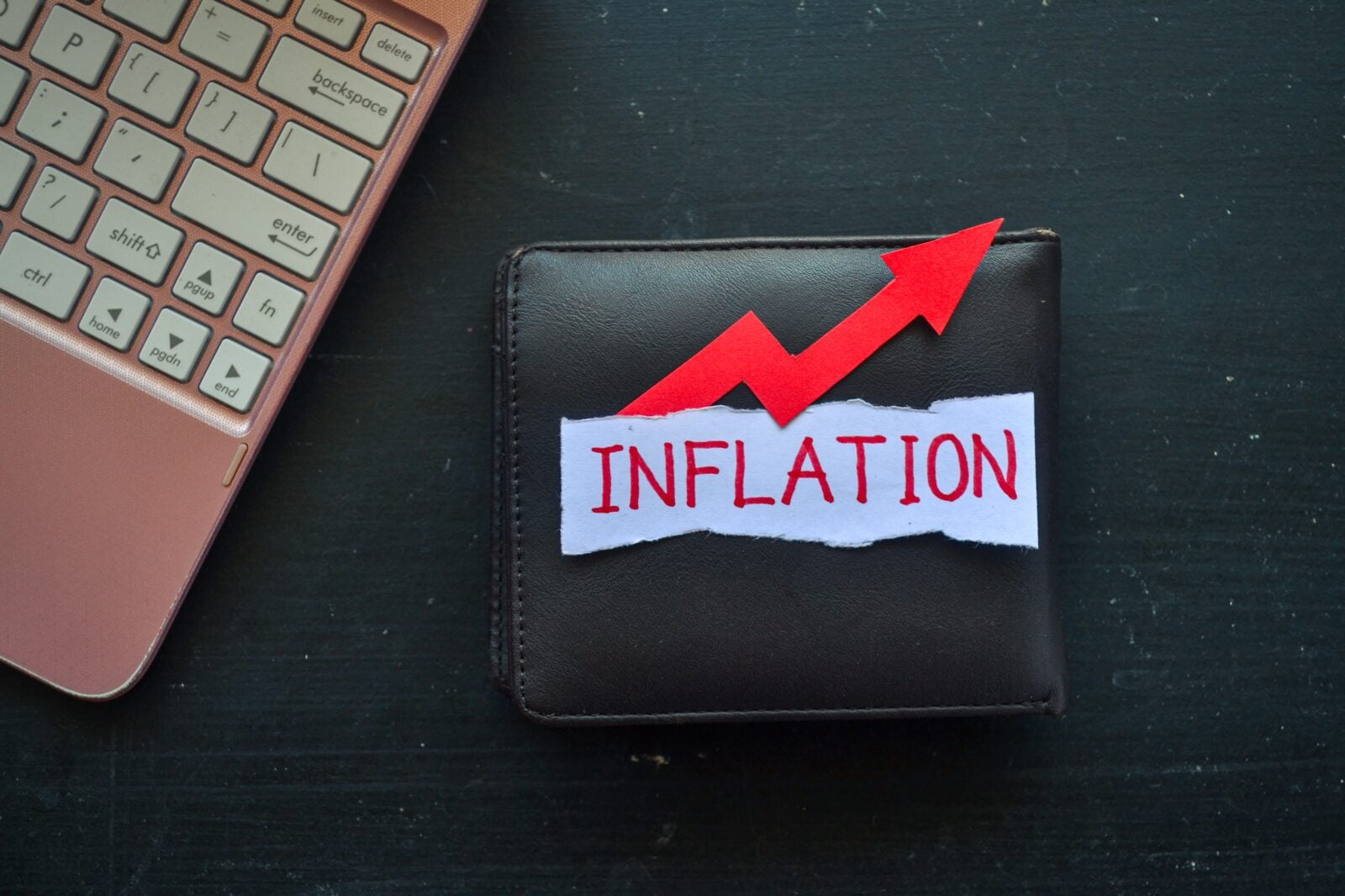
Mainstream commentary loves to treat rising prices like an unpredictable natural disaster, akin to a sudden summer thunderstorm. The reality is that central banking systems actively target a continuous decline in your cash purchasing power every single year.
According to its long-term strategy framework, the Federal Reserve explicitly aims for 2% annual inflation over time, describing this rate as most consistent with its mandate for price stability and maximum employment.
This deliberate devaluation acts as a quiet, invisible tax on your standard checking account balance, slowly chipping away at your stability. Over a multi-decade timeline, this policy guarantee means that your buried jar of cash is mathematically destined to lose half its value.
Your Savings Account Is Made To Lose Value

Leaving your excess funds sitting quietly at a standard local bank feels like the safest move on the board. Unfortunately, commercial institutions typically offer baseline interest percentages that sit significantly below the real-world pace of consumer price increases. This structural gap means that traditional savers are actively penalized for avoiding volatile investments.
Financial commentators frequently point out that when inflation outpaces savings yields, savers lose purchasing power in real terms. Historical comparisons between average savings account rates and consumer price inflation show long stretches where cash in the bank failed to keep up.
This systemic structure ensures that institutional lenders secure cheap capital from depositors while those same depositors watch their real purchasing power erode.
National Debt Is Programmed To Grow Forever

Political leaders love to bicker on television about balancing the federal budget and reducing national obligations. The quiet reality acknowledged by treasury insiders is that the modern fiscal apparatus cannot survive without a constantly expanding mountain of red ink. The entire global monetary framework relies on the continuous issuance of government bonds to supply deep liquidity to international commerce.
According to the U.S. Department of the Treasury’s Fiscal Data, total federal debt has risen past 34 trillion dollars in recent years, with no realistic plan to pay it down to zero.
Attempting to pay off this balance in full would collapse the global banking ecosystem by removing the primary asset used as corporate collateral. The game is not about clearing the ledger, but rather keeping the engine running fast enough to outrun the interest payments.
Full Employment Is Actually A Secret Danger

Politicians constantly boast about driving corporate hiring metrics down to absolute historic minimums during campaign stops. However, central banking authorities view an excessively tight labor market as a primary trigger for dangerous wage‑price spirals. When every single citizen has a job, workers gain the leverage to demand higher wages, which forces companies to raise retail prices.
National labor databases from the U.S. Bureau of Labor Statistics show that the unemployment rate has often hovered around 4% when officials describe the labor market as close to “full employment,” a level they monitor carefully for overheating risks.
The uncomfortable reality is that the system actively requires a specific portion of the population to remain out of work.
True Middle Class Wealth Is Tied to Scarcity

The ultimate symbol of traditional suburban success has always been owning a home with a small green yard. What experts hide is that housing values only skyrocket when municipalities deliberately restrict the construction of new residential buildings.
If regional developers were permitted to build a massive surplus of affordable units, existing homeowners would watch their equity evaporate. This structural reality means that the older generation’s wealth relies directly on pricing the younger generation out of the neighborhood.
Analyses highlight how restrictive zoning and limited supply keep prices elevated and extend the years younger households spend renting. The system is fundamentally engineered to reward early buyers by penalizing those who arrive later to the market.
Consumer Spending Relies Entirely On Discontent

The entire commercial retail engine is built to fall apart if citizens suddenly become entirely satisfied with their current possessions. Advertising campaigns are meticulously engineered to create a sense of personal inadequacy that can only be cured by purchasing a new vehicle or gadget.
Modern national accounts confirm just how much the system depends on continuous shopping. In the United States, personal consumption expenditures make up roughly two‑thirds of gross domestic product in a typical year.
If everyone suddenly decided to embrace minimalist lifestyles and save their earnings, the corporate marketplace would slip into a massive depression overnight.
Wages Are Intentionally Left Behind Productivity

Corporate executives frequently explain that salary stagnation is the natural result of intense global competition and shifting market dynamics. The hidden truth is that decoupling worker compensation from corporate output is a primary method for expanding profit margins for equity shareholders.
Longitudinal economic studies show that while national productivity has risen, typical pay has lagged. According to the Economic Policy Institute, net productivity in the U.S. grew by about 59.7% between 1979 and 2021, while typical worker compensation rose by only about 15.8%.
This massive divergence means that the average employee is effectively giving away their technological efficiency gains straight to institutional investors. Your hard work is actively funding someone else’s capital accumulation.
The Financial System Requires Everyday Consumer Debt

Living a life entirely free of credit cards and auto loans sounds like a beautiful personal triumph. However, if every single citizen suddenly paid off their balances and operated strictly with cash, the commercial banking sector would face instant bankruptcy
. The modern fractional-reserve banking system creates new money primarily when individuals and businesses take out new loans. Official credit statistics show how central borrowing is to the system.
Federal Reserve data in the monthly G.19 consumer credit release show total outstanding consumer credit at more than $ 5 trillion, reflecting a steady climb over time. This continuous borrowing cycle provides the very interest revenue that keeps commercial financial institutions profitable and operating.
Tax Frameworks Disproportionately Burden Labor

Political debates around federal collection systems are intentionally focused on top-tier marginal income brackets to keep the public distracted. The deep structural truth is that our fiscal framework is specifically engineered to favor investment capital over physical human labor.
A professional who earns their living through a standard W‑2 salary is often taxed at a higher effective rate than someone living off capital gains and qualified dividends.
This legal distinction allows elite investors to navigate around the heavy contributions required of the ordinary working class. The system is designed to encourage asset ownership by placing the primary funding of infrastructure squarely on the shoulders of the working population.
Economic Progress Measures Hide Human Reality

Gross Domestic Product is widely regarded as the gold standard metric for tracking national success and societal advancement. What economists rarely mutter in public is that this number rises during periods of immense human tragedy and structural breakdown.
A massive spike in chronic medical conditions or an increase in messy divorces similarly boosts the index by generating legal and medical service fees.
Researchers working on alternative metrics of progress argue that conventional economic statistics overlook large parts of well‑being and life satisfaction. The metrics we use to judge our collective progress are completely blind to actual human happiness.
True Global Resource Costs Are Externalized

The incredibly low prices we enjoy on imported consumer electronics and everyday household apparel rely on a fragile global agreement. These discounts are only possible because manufacturing facilities overseas are often permitted to pollute local environments and pay extremely low wages.
Our affordable lifestyle is directly subsidized by the ecological degradation of developing nations worldwide. Reports highlight how resource extraction and production burdens fall disproportionately on certain regions, while consumption is concentrated elsewhere. The real cost of our modern convenience is simply charged to a global account that someone else will eventually have to settle.
Key Takeaway

Peeling back the layers of these hidden structural realities highlights why traditional financial advice often fails to deliver peace of mind to the average household. The deliberate erosion of cash value means that simply working harder is no longer a complete strategy for long-term survival.
Navigating this intricate landscape requires regular families to look past the superficial headlines and focus heavily on true asset accumulation rather than relying solely on traditional savings structures.
Disclaimer – This list is solely the author’s opinion based on research and publicly available information. It is not intended to be professional advice.
Like our content? Be sure to follow us