12 financial documents you must never throw away
The papers we’re quickest to discard are often the quiet guardians of our wealth, rights, and identity.
There is a distinct thrill that comes from feeding old paperwork into a shredder, watching years of clutter turn into confetti. It feels lighter to empty a filing cabinet, yet that burst of cleaning energy can sometimes backfire if you toss the wrong things. While getting organized is great, protecting your financial history is far more critical.
We often think everything is digital now, but hard copies still hold incredible power during emergencies or legal disputes. You do not want to be the person frantically searching for a deed or a tax form when the clock is ticking. Some papers are simply too valuable to destroy, no matter how old they look.
Tax Returns And Proof Of Filing

You should hold onto your tax returns and all supporting documents for at least three to seven years. The IRS generally has three years to initiate an audit, but that window stretches to six years if they suspect significant underreporting of income. Keeping these records proves you followed the rules and protects you from paying extra penalties.
While audits are rare, they are a massive headache if you lack the right evidence to defend yourself. In fiscal year 2023, the audit rate for individual returns was just 0.2%. Even with those low odds, having your W-2s and 1099s ready acts as your best insurance policy against government inquiries.
Birth Certificates And Adoption Papers

These vital records are the foundation of your identity and are difficult to replace quickly when you need them most. You will need original copies for everything from getting a passport to enrolling in Social Security benefits later in life. Photocopies often won’t cut it for official government business, so keep the originals in a fireproof safe.
Adoption papers are equally permanent and should never be discarded under any circumstances. These documents are essential for proving legal guardianship and securing rightful inheritance for children. Losing them can create legal hurdles that take months or even years to resolve in court.
Social Security Cards
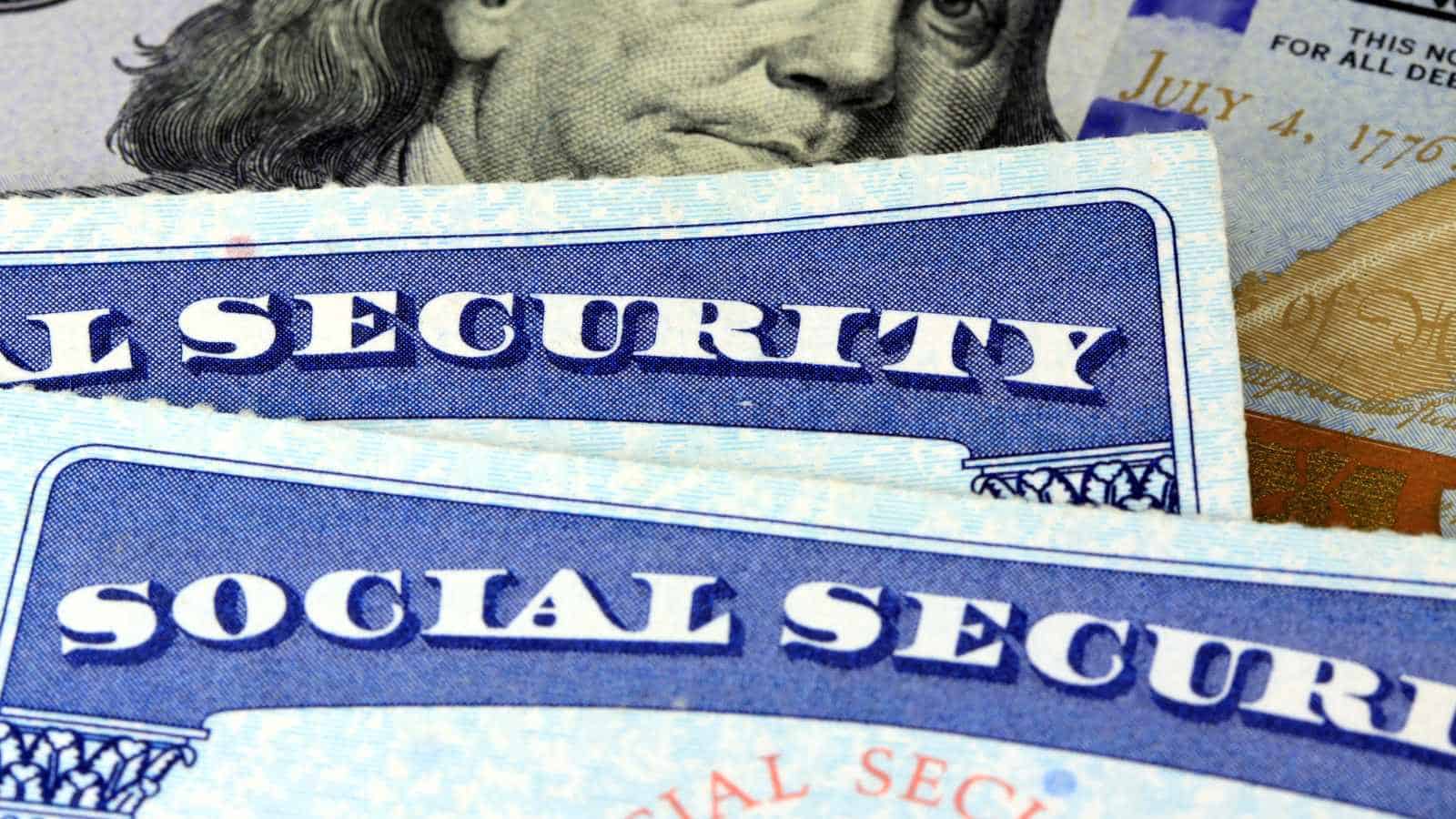
Your Social Security card is the golden ticket for employment, benefits, and tax purposes in the United States. Carrying it in your wallet is risky, so it is best to lock it away at home. If you lose this card, you open the door wide for identity thieves to wreak havoc on your credit.
Identity theft is a growing problem that can ruin your financial health before you even notice. According to the Federal Trade Commission’s 2024 Data Book, consumers reported losing $12.5 billion to fraud in 2024, a 25% jump from the previous year. Guarding your Social Security number is the first step in stopping fraudsters from adding you to that statistic.
Marriage Licenses And Divorce Decrees

A marriage license is more than a sentimental keepsake; it is a legal contract that affects your taxes, insurance, and estate rights. You will need this document to prove your name change or to qualify for spousal benefits. If you ever need to apply for a mortgage together, lenders will often ask for this paper trail.
Divorce decrees are just as critical because they outline asset division and alimony or child support agreements. Throwing this away could leave you vulnerable if your ex-spouse challenges the terms later. Considering the average wedding 403 cost $36,000 in 2026, according to The Knot, that piece of paper represents a significant financial event.
Wills, Living Trusts, And Powers Of Attorney

Estate planning documents are the voice that speaks for you when you cannot speak for yourself. These papers dictate exactly how your assets are distributed and who handles your affairs if you become incapacitated. If you lose the original signed copy, the court might assume you destroyed it on purpose.
Despite their importance, many people neglect this part of their financial health until it is too late. A 2025 survey by Caring.com found that only 24% of Americans have a will, which is a 8% decline from the previous year. Keep these documents safe and tell a trusted family member exactly where to find them.
Real Estate Deeds And Mortgage Payoff Statements

The deed to your home is the ultimate proof of ownership and should remain in your possession for as long as you own the property. Disputes over property lines or ownership rights can arise decades later, and this document settles the argument. It is much harder to sell or refinance your home without clear proof of title.
Once you pay off your mortgage, the lender sends a satisfaction of mortgage letter or a payoff statement. Never throw this away, as it is the only proof that you no longer owe the bank a dime. Computer glitches happen, and you do not want to be on the hook for a “zombie debt” that you already cleared.
Vehicle Titles And Loan Discharge Papers

You must keep your car’s title for as long as you own the vehicle because you cannot legally sell it without one. The title is also necessary for registering the car in a new state or using it as collateral for a loan. If you lose it, the DMV replacement process is slow and frustrating.
When you finish paying off a car loan, the lender will send you a lien release document. Clip this to your title immediately to prove the car is 100% yours. If the lender forgets to notify the state that you paid up, this paper is your get-out-of-jail-free card.
Retirement Plan Annual Statements

You generally only need to keep the most recent annual statement for your 401(k) or IRA to track your balance. However, you should keep every Form 8606 you ever file, as it tracks nondeductible contributions to your IRA. This prevents you from paying taxes twice on the same money when you finally withdraw it.
It is shockingly easy to lose track of old retirement accounts when you change jobs. Yahoo Finance revealed that as of mid-2025, forgotten 401(k) accounts held $2.13 trillion in assets, nearly doubling over the last decade. Keeping your records straight ensures you do not leave your hard-earned cash behind.
Investment Purchase Confirmations

Every time you buy a stock or mutual fund, you get a trade confirmation recording the price you paid. You need to keep these until you sell the investment so you can calculate your cost basis. Knowing the exact purchase price is the only way to figure out your capital gains tax correctly.
If you rely solely on your brokerage firm to track this, you might be out of luck if you switch brokers or if they merge. The IRS expects you to report the correct profit or loss, and they will not accept “I lost the receipt” as an excuse. A simple digital folder of these trade confirmations can save you thousands at tax time.
Insurance Policies

You should keep your current insurance policies for your home, auto, and life coverage handy. These documents detail your coverage limits, deductibles, and the procedure for filing a claim. If you suffer a loss, you do not want to be guessing what your policy actually covers.
Life insurance policies are particularly important to store where beneficiaries can easily find them. Billions of dollars go unclaimed every year simply because family members did not know a policy existed. The National Association of Unclaimed Property Administrators reported returning $4.5 billion to owners in fiscal year 2024 alone.
Medical Bills And Proof Of Payment

Keep medical bills for at least one year to ensure your insurance company has paid its share. Errors in medical billing are rampant, and having the original bill allows you to dispute incorrect charges. Once the dispute is settled and the bill is paid, you can usually shred the non-tax-deductible ones.
However, if you plan to deduct medical expenses on your taxes, you must keep these records for the same three-to-seven-year window as your tax returns. Proof of payment is the only thing standing between you and a rejected tax deduction. With healthcare costs rising, these deductions can be significant.
Military Discharge Papers DD 214

For veterans, the DD 214 form is the master key to accessing benefits like VA loans, medical care, and burial rights. This document proves your service record and the nature of your discharge. Without it, accessing the support you earned becomes a bureaucratic nightmare.
Families of veterans also need this document to claim survivor benefits. It is smart to record this document with your county clerk so a certified copy is always on public file. Treat this paper with the same level of security as a birth certificate.
Like our content? Be sure to follow us.