12 health issues that may be behind blurry vision
Blurry vision can make an ordinary Tuesday feel like a tiny panic movie. One minute you are reading a text, driving to work, checking a menu, or answering emails, and the next, everything looks smeared around the edges. The World Health Organization estimates that at least 2.2 billion people worldwide live with near or distance vision impairment, and at least 1 billion of those cases could have been prevented or still need care.
That number should make every hazy screen, foggy road sign, and sudden squint feel worth checking, not worth ignoring. For many women, blurry vision gets blamed on tired eyes, busy schedules, dry mascara, or too many tabs open on the laptop. Sometimes that guess turns out right. Other times, the blur may point to blood sugar, blood pressure, migraine, infection, medication side effects, or a serious eye emergency.
A prompt eye exam can bring peace of mind and, in some cases, protect vision before damage becomes harder to treat.
Refractive errors

Refractive errors are the classic “my eyes just will not focus” problem. They include nearsightedness, farsightedness, and astigmatism, and they can make faces, screens, labels, or road signs look fuzzy. The National Eye Institute says more than 150 million Americans have a refractive error, yet many people do not realize they could see better with the right correction.
Women may notice more squinting, headaches, or tired eyes after laptop work or late-night phone scrolling. A simple eye exam can update a prescription and also check for hidden eye changes that glasses alone cannot fix.
Dry eye syndrome

Dry eye can sneakily blur vision because it often comes and goes. Your sight may clear after blinking, then haze over again during reading, driving, or screen time. Prevent Blindness reports that nearly 16 million Americans have dry eye, based on National Eye Institute data. The tear film helps create a smooth surface for clear vision, so unstable tears can scatter light, making everything look slightly foggy.
Women may face an increased risk during hormonal shifts, menopause, allergy seasons, or long days spent under air conditioning. Artificial tears, screen breaks, and an eye exam can help identify the cause of the dryness.
Cataracts
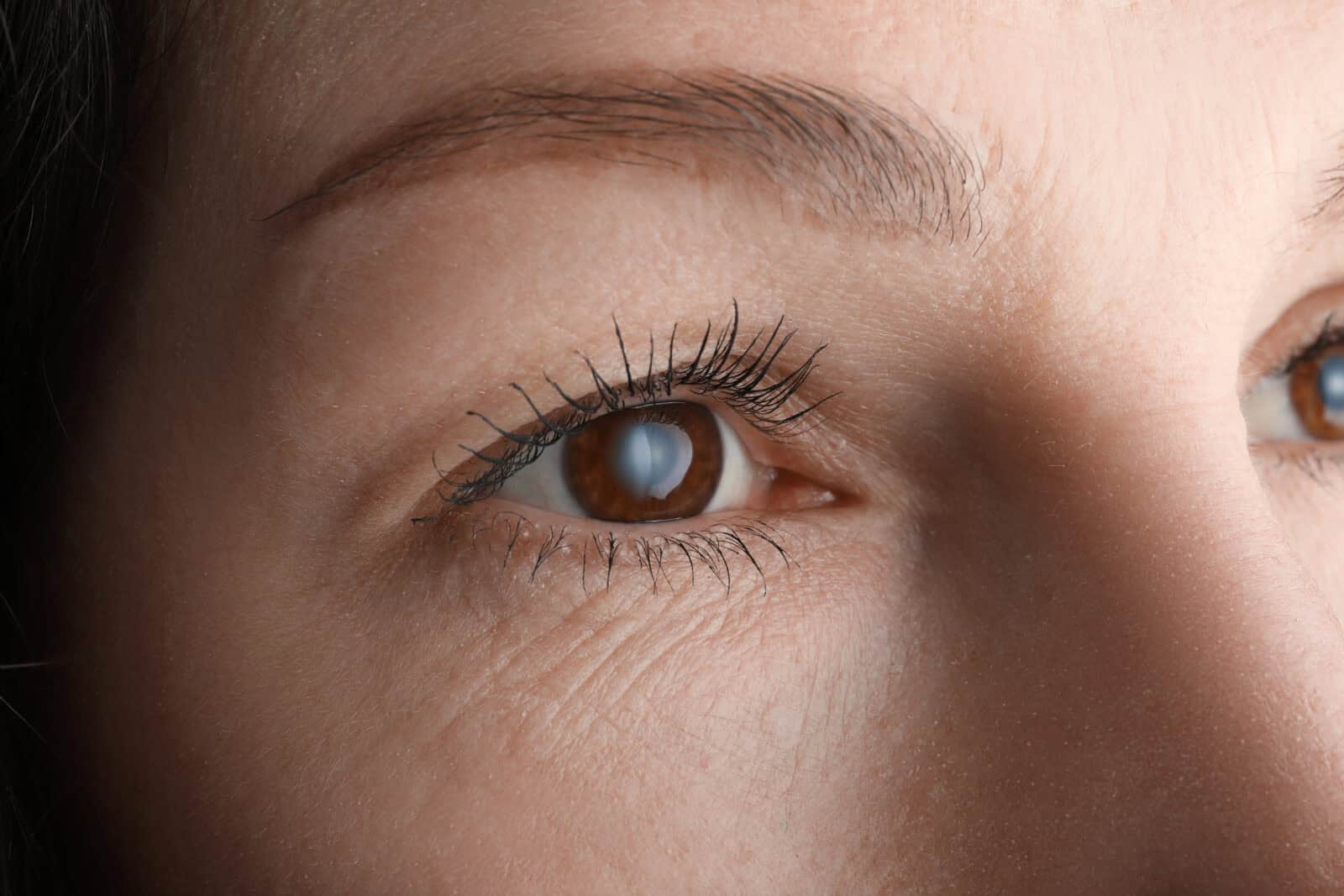
Cataracts can make the world look cloudy, dull, or washed in glare. They form when the eye’s natural lens becomes cloudy, often with age, sun exposure, diabetes, smoking, or family history. The National Eye Institute says more than half of Americans age 80 or older either have cataracts or have had cataract surgery. Many women first notice trouble reading in dim light, driving at night, or seeing colors as brightly as before.
A stronger glasses prescription may help for a while, but cataracts often continue to progress. Eye doctors can track clouding and discuss surgery once daily life starts to feel dimmer than it should.
Glaucoma
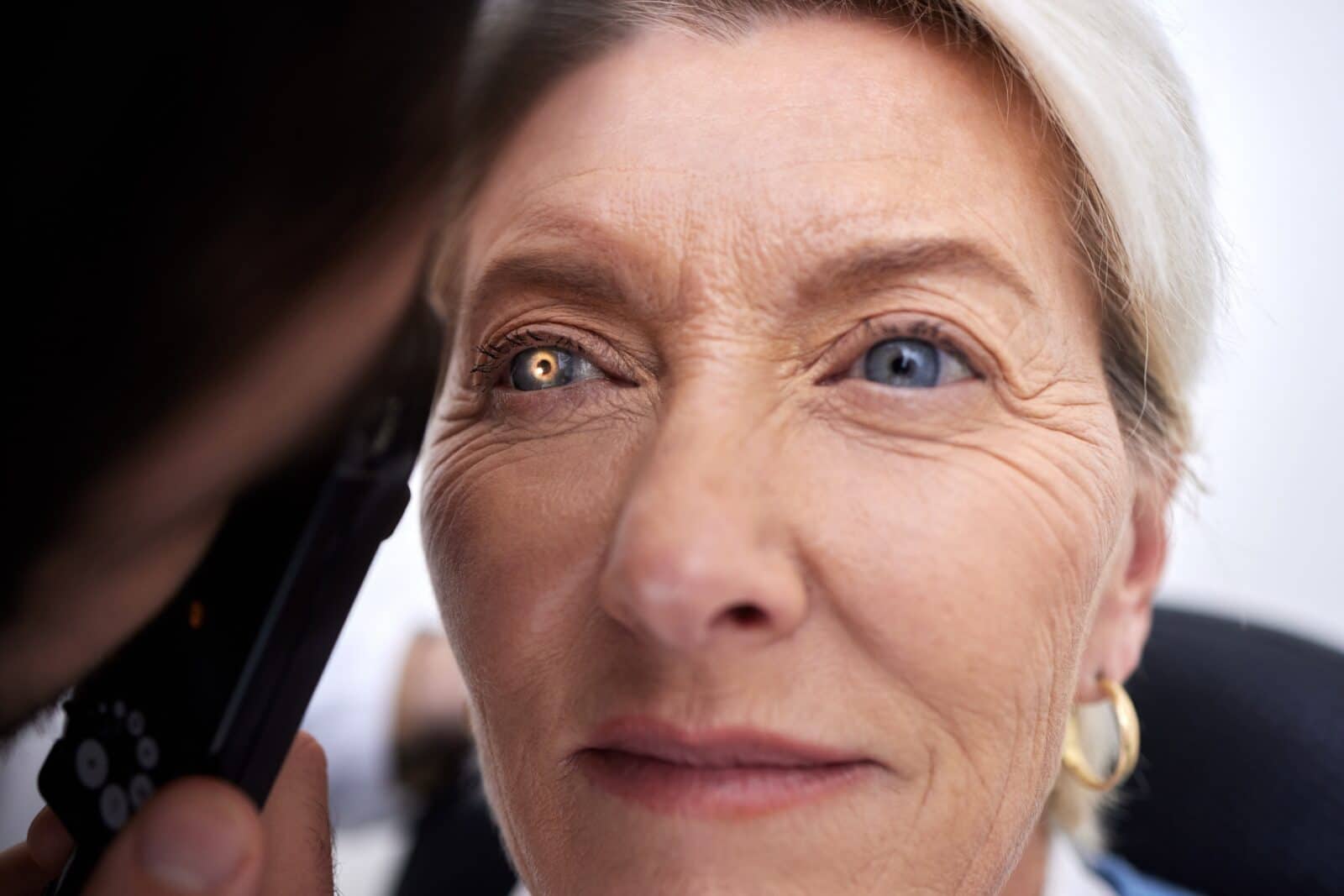
Glaucoma can blur or steal vision so quietly that people may miss the early signs. It damages the optic nerve, and in many cases, vision loss begins with peripheral vision before central vision changes. A 2024 JAMA Ophthalmology study estimated that about 4.22 million U.S. adults had glaucoma in 2022, with about 1.49 million living with vision-affecting glaucoma.
That makes routine pressure checks and optic nerve exams especially important for women with a family history, higher eye pressure, diabetes, or higher-risk ancestry. Treatment may include drops, laser care, or surgery. Early care can help preserve independence, driving confidence, and everyday clarity.
Macular degeneration

Macular degeneration affects the part of the retina that helps you read, recognize faces, and see fine details. It can make straight lines look wavy, leave a smudgy spot in the center of vision, or make close work feel strangely difficult. CDC vision data show that age-related macular degeneration prevalence varies widely across the U.S., with state crude prevalence ranging from 6.2% in the District of Columbia to 18.3% in Florida.
Since risk rises with age, women may face more years of monitoring and care. Smoking, family history, and certain eye findings can raise concern. Regular dilated exams can catch changes before central vision suffers more.
Diabetic retinopathy
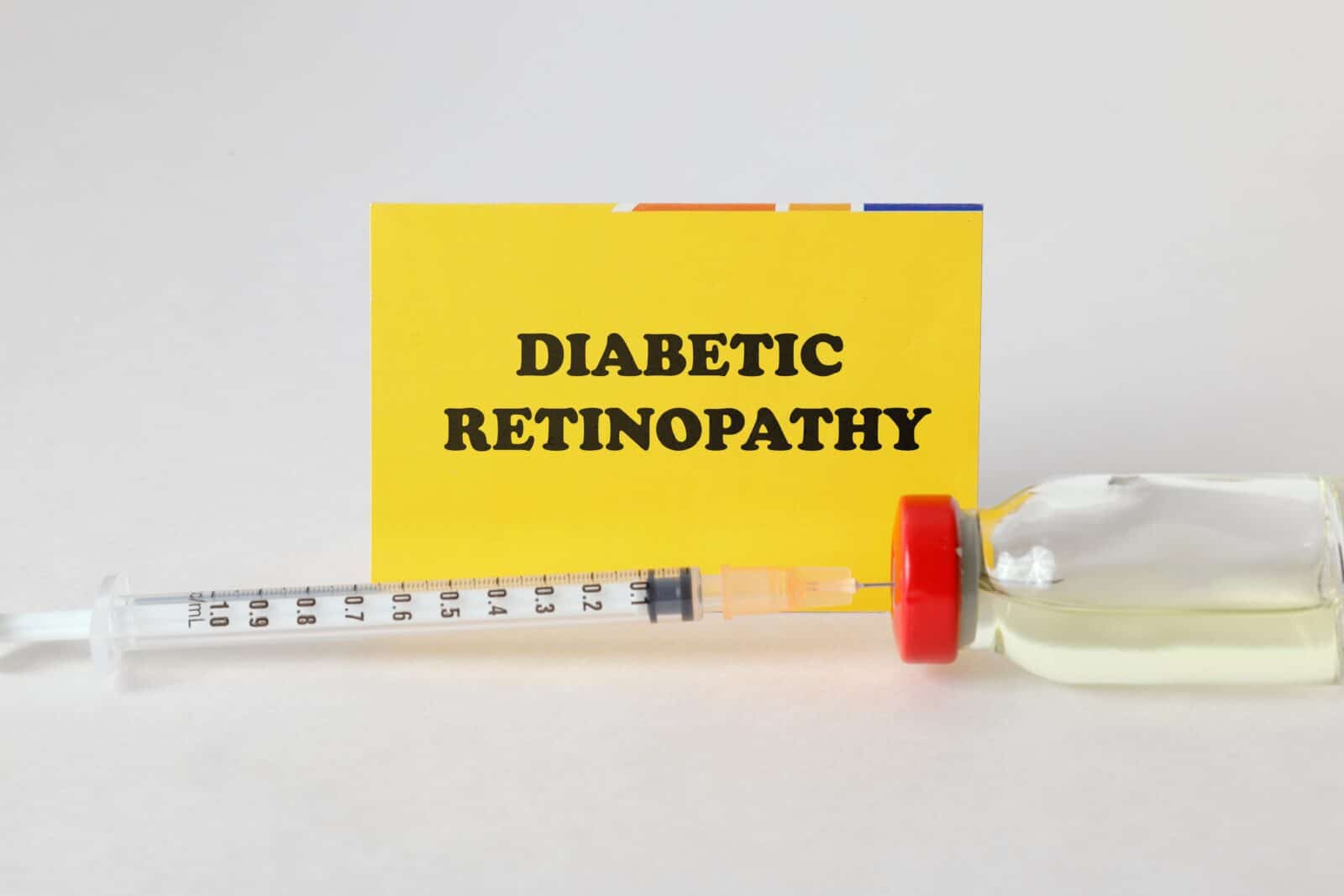
Diabetic retinopathy develops when high blood sugar damages tiny blood vessels in the retina. Vision may blur, fluctuate, or fill with dark floaters that look like specks, strings, or cobwebs.
Women managing diabetes may also deal with pregnancy, hormonal changes, stress, and medication routines that make eye care easy to postpone. That delay can cost too much. Yearly dilated eye exams, steady blood sugar control, and blood pressure management can help protect long-term sight.
High blood pressure

High blood pressure can harm the tiny blood vessels that feed the retina. Over time, that strain can lead to hypertensive retinopathy, swelling, bleeding, or blurry vision, which signal more widespread vascular problems in the body.
Women may notice no symptoms at first, which makes routine checks even more useful. Healthy habits, prescribed medication, and regular eye exams can help protect the heart, brain, kidneys, and eyes.
Eye infections

Eye infections can turn clear sight blurry fast. They may cause redness, discharge, swelling, light sensitivity, pain, or a gritty feeling as if something is trapped under the lid.
Contact lens wearers should take this seriously, as poor lens hygiene can irritate or infect the cornea. Sharing makeup, using old mascara, and sleeping in contacts can also invite trouble. Prompt treatment can prevent scarring and help vision return safely.
Migraine with aura

Migraine with aura can make vision shimmer, blur, flash, or break into zigzag patterns before a headache arrives. Some people also get blind spots, light sensitivity, nausea, or a pulsing pain that makes normal tasks feel impossible. StatPearls notes that about 25% of people with migraine experience aura symptoms before or during the headache.
Women experience migraine more often than men, and triggers may include hormones, sleep changes, stress, alcohol, skipped meals, or bright light. A visual aura usually fades, but a first-time aura deserves medical guidance. Sudden vision loss, weakness, confusion, or speech trouble needs emergency care.
Retinal detachment

Retinal detachment needs urgent attention because the retina pulls away from the back of the eye. It may cause flashes, a sudden burst of floaters, blurry vision, or a curtain-like shadow sliding across part of the field of vision. A 2024 systematic review estimated the annual international incidence of rhegmatogenous retinal detachment at 12.17 per 100,000 people.
The number may sound small, but the risk feels very real if it happens to your eye. Women with extreme nearsightedness, prior eye surgery, eye injury, or a history of retinal problems should treat sudden symptoms as an emergency. Fast treatment can help prevent permanent vision loss.
Stroke or TIA

A stroke or transient ischemic attack can cause sudden blurred vision, double vision, or trouble seeing from one or both eyes. Balance problems, facial drooping, arm weakness, speech difficulties, confusion, nausea, or unusual fatigue may accompany these changes. A TIA may pass quickly, but it still needs urgent care. Fast action can protect the brain and sight.
Medication side effects

Some medications can blur vision by drying the eyes, changing pupil size, increasing light sensitivity, or affecting eye pressure. Antihistamines, antidepressants, acne medications, steroids, diuretics, and some heart or blood pressure drugs may play a role for certain people. KFF reported in March 2026 that about 66% of U.S. adults currently take at least one prescription drug, so that medication-related vision changes can affect many households.
Women who take several prescriptions, supplements, or over-the-counter allergy products should keep an updated list. Do not stop a medication on your own. Ask a prescriber or eye doctor to review new blur, halos, dryness, or double vision.
Key takeaway

Blurry vision is common, but it should not become background noise in your day. Sometimes the fix is simple, like updated glasses, better tear support, or cleaner contact lens habits. Other times, the blurred points to diabetes, high blood pressure, migraine, glaucoma, cataracts, stroke warning signs, or a retinal emergency.
The smartest move is to notice the pattern, write down what changed, and book an eye exam or medical visit when symptoms persist. Sudden blur, flashes, floaters, vision loss, double vision, weakness, or speech trouble needs urgent care, not a “let me sleep on it” approach.
Disclaimer – This list is solely the author’s opinion based on research and publicly available information. It is not intended to be professional advice.
Like our content? Be sure to follow us.