10 signs you need glasses (even if your vision seems fine)
Our eyes can betray us in whispers—tiny habits—long before the world ever looks blurry.
Most people assume that if they aren’t bumping into walls or misreading street signs, their eyesight is perfectly adequate for daily life. However, vision deterioration is often a slow, subtle process that creeps up on you, masking itself as general fatigue or occasional clumsiness rather than a clear medical issue.
You might blame your tiredness on a lack of sleep or your headaches on a stressful week at work, never realizing your eyes are the actual culprits screaming for help. Recognizing these smaller, less obvious signals early can save you from years of unnecessary strain and help preserve your long-term eye health before things get blurry.
Frequent Squinting
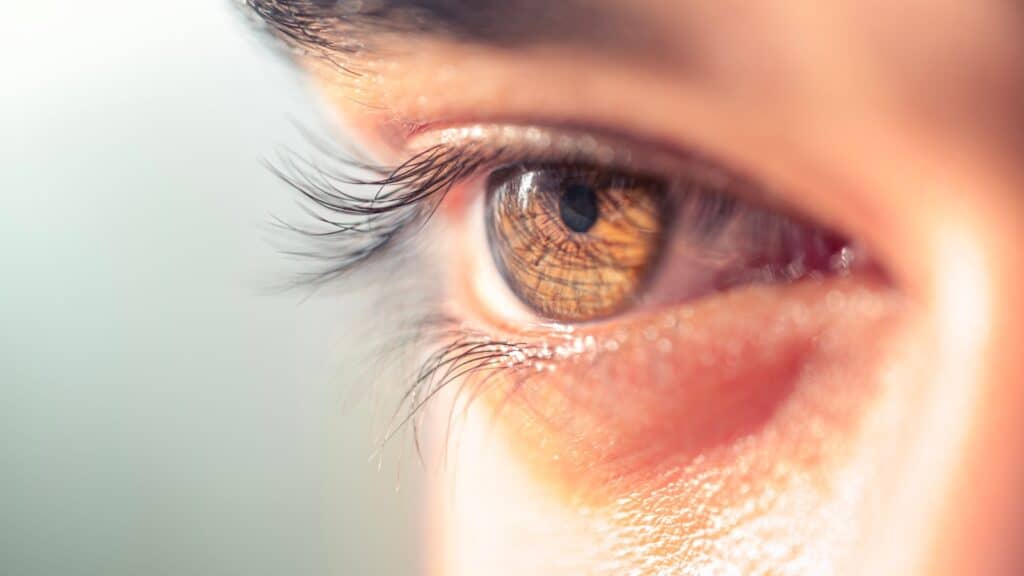
Squinting is the universal sign that your eyes are working overtime to compensate for a refractive error that prevents light from focusing properly on your retina. It works temporarily by slightly changing the shape of your eye and limiting the amount of light entering, which sharpens the image just enough to see. If you find yourself narrowing your eyes to read a menu or see a friend across the room, it is a major red flag.
This habit is often linked to myopia, or nearsightedness, a condition that is rapidly becoming a global concern due to lifestyle changes. A significant study reported by the BMJ Group that global myopia cases will likely exceed 740 million by 2050, highlighting the urgent need for correction.
Recurring Headaches

Waking up with a pounding head or developing one halfway through the day is often attributed to hydration or stress, but your eyes are frequently the silent trigger. When your visual system struggles to focus, the small muscles around the lens and in the forehead remain in a constant state of tension, leading to pain. This type of discomfort usually centers behind the eyes or manifests as a band of pressure across the forehead.
The connection between digital habits and physical discomfort is becoming undeniable as our reliance on technology deepens every year. According to a study by CooperVision, nearly seven in 10 adults reported experiencing symptoms like tired eyes or headaches specifically associated with their digital device use.
Trouble Seeing At Night
Many people feel confident driving during the day but find themselves gripping the steering wheel with white knuckles once the sun goes down. Night blindness, or nyctalopia, doesn’t mean you can’t see at all, but rather that your eyes struggle to adjust to low-light conditions or recover from oncoming headlight glare. This can make gauging distance and spotting hazards on the road incredibly difficult and dangerous.
The number of people operating vehicles with suboptimal eyesight is higher than most of us would like to believe. There are likely millions of drivers currently on the road with vision that falls below the minimum legal standard.
Eye Rubbing And Fatigue

If you constantly find yourself massaging your temples or rubbing your eyes by mid-afternoon, you are likely dealing with eye strain rather than general sleepiness. This physical reaction is your body’s instinctive way of trying to stimulate tear production and relieve the tension in the overworked muscles around your eyes. While it feels good in the moment, it is a clear symptom that your vision is not correcting itself naturally.
Our modern lifestyle demands that we stare at screens for extended periods, which exacerbates this type of exhaustion significantly. Findings from a 2024 CooperVision report reveal that over half of adults aged 18 to 44 now spend six or more hours every single day looking at digital devices.
Seeing Halos Around Lights

Noticing bright circles or diffusions of light around streetlamps and car headlights can be a mesmerizing but worrying visual distortion. This phenomenon occurs when light is scattered within the eye rather than focused directly on the retina, often indicating a problem with the lens or cornea. While sometimes caused by tiredness, it can also signal developing cataracts or significant refractive errors that require professional attention.
These visual disturbances are common precursors to conditions that affect a massive portion of the population as they age. Slade & Baker Vision reported that by 2028, it is expected that over 30 million people in the U.S. will have cataracts, a primary cause of glare and halos.
Holding Phones Far Away

There comes a moment when your arms just don’t seem long enough to hold a book or smartphone at a comfortable reading distance. This behavior is the classic symptom of presbyopia, a natural age-related loss of flexibility in the eye’s lens that makes focusing on close objects increasingly difficult. It usually starts in your early 40s, turning simple tasks like reading text messages into a frustrating physical challenge.
Ignoring this sign often leads to posture issues and neck pain as you physically recoil from what you are trying to read. Corrective lenses can instantly restore your ability to read comfortably at a normal distance, eliminating the need for these acrobatic adjustments.
Double Vision

Seeing two images of a single object is a disorienting and alarming experience that should never be ignored or brushed aside. Diplopia, as it is medically known, can result from a misalignment of the eyes or an irregularity in the cornea that splits the incoming light. It might happen only occasionally when you are tired, but even intermittent double vision suggests your eyes are not working together as a seamless team.
This symptom can sometimes indicate more serious underlying health issues, but often it is simply a refractive error that glasses can fix. Prism lenses are frequently prescribed to help align the images from both eyes, allowing your brain to process a single, clear picture without struggle.
Constant Need For Brighter Light

If you find yourself turning on every lamp in the room or using your phone’s flashlight to read a menu in a dimly lit restaurant, take note. As the eye ages or weakens, it requires more photons to produce a clear image on the retina, making standard ambient lighting feel insufficient. You might blame the restaurant for its “mood lighting,” but the reality is often your own diminishing contrast sensitivity.
This need for extra illumination is a subtle coping mechanism that masks the gradual decline in your visual acuity. Relying on “super-bright” environments to function is a crutch that glasses can replace, allowing you to see clearly even in softer, more relaxed lighting conditions.
Inability To Focus

Sometimes your vision isn’t exactly blurry, but it feels slow, as if your eyes are a camera lens taking too long to auto-focus. This lag often happens when shifting your gaze from a computer screen to a distant wall, leaving a few seconds of fuzziness before the image sharpens. It indicates that the focusing muscles inside your eye are fatigued and losing their elasticity or responsiveness.
This accommodation dysfunction is widespread, affecting millions of people who have never stepped foot in an optometrist’s office. Recent data from the CDC highlights that proper refractive correction could improve vision for 150 million Americans, many of whom have simply accepted this “focus lag” as normal.
Sitting Too Close To The TV
You might think sitting inches from the television is a habit you left behind in childhood, but many adults unconsciously drift closer to screens. Reducing the distance between you and the object you are viewing artificially increases its size on your retina, making it easier to process without true clarity. If you find yourself leaning forward at your desk or pulling your chair closer to the monitor, you are compensating for distance vision loss.
This behavior mimics the way children act when they have undiagnosed myopia, yet adults often rationalize it as “getting a better look” at the details. Glasses designed for your specific working distance can allow you to sit back in your chair, improving both your vision and your posture.
Like our content? Be sure to follow us.