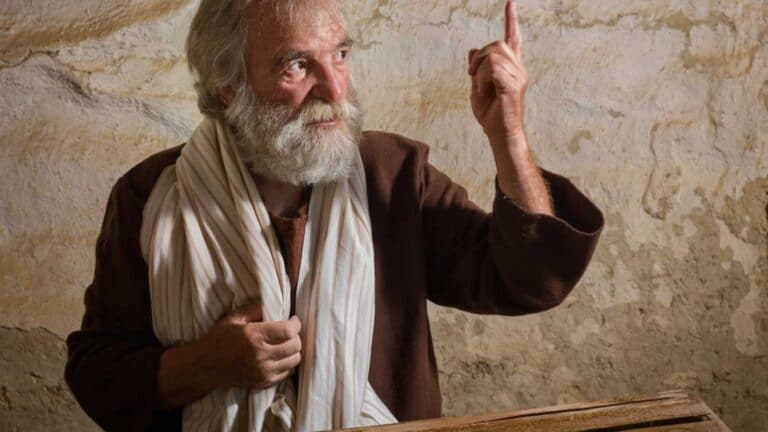
Real history proves that other religions existed long before Christianity
The timeline of human faith has a few surprises that might just shake up the average Sunday school lesson. Christianity is often treated as the default historical baseline, but it is actually a relatively new kid on the block.
A massive Pew Research Center survey shows that many Americans are profoundly fuzzy on world religions, with only 15% identifying the Vedas as Hindu. About 18% know the “truth of suffering” is Buddhist, and only 30% know the Jewish Sabbath starts on Friday. This widespread lack of religious literacy leaves many folks unaware of the massive spiritual history that came before.
Religion scholar Stephen Prothero points out that “Americans are both deeply religious and profoundly ignorant about religion.” Understanding this history is key: Christianity grew in a world already saturated with deep, ancient faiths.
Hinduism and the timeless Indus Valley
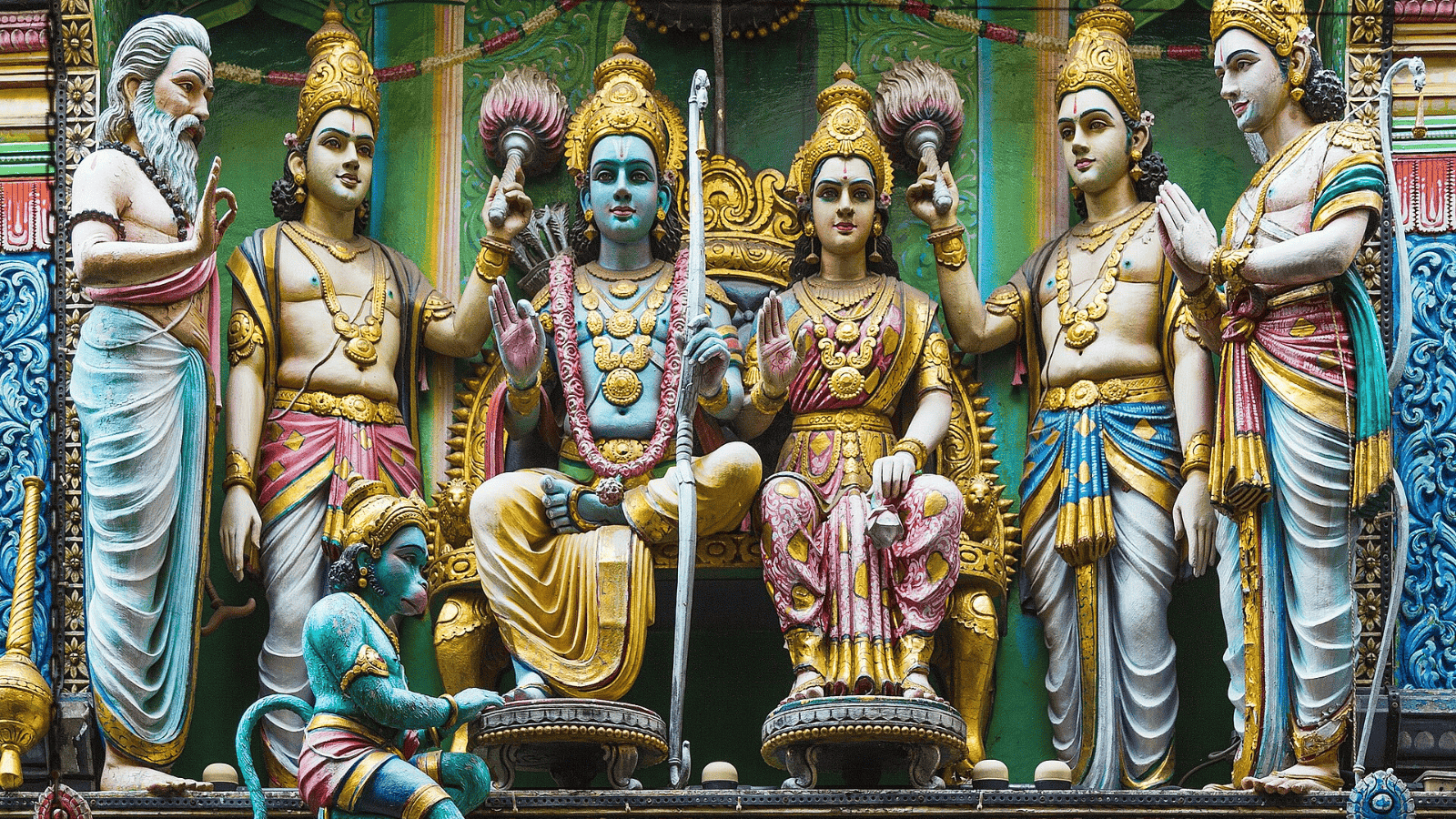
Long before the first century, the foundations of Hinduism were already thriving in the Indus Valley. This tradition goes back to at least 2300 BCE. It is widely considered the oldest living religion on Earth.
Its core scriptures, the Vedas, were composed between 1500 BCE and 1200 BCE as incredibly complex oral traditions. Famed scholar Max Müller admitted that “no power on earth will ever determine” their exact oldest date. By the time Christianity arrived, the concepts of karma and dharma were already ancient history.
Zoroastrianism and the ancient battle of good vs evil
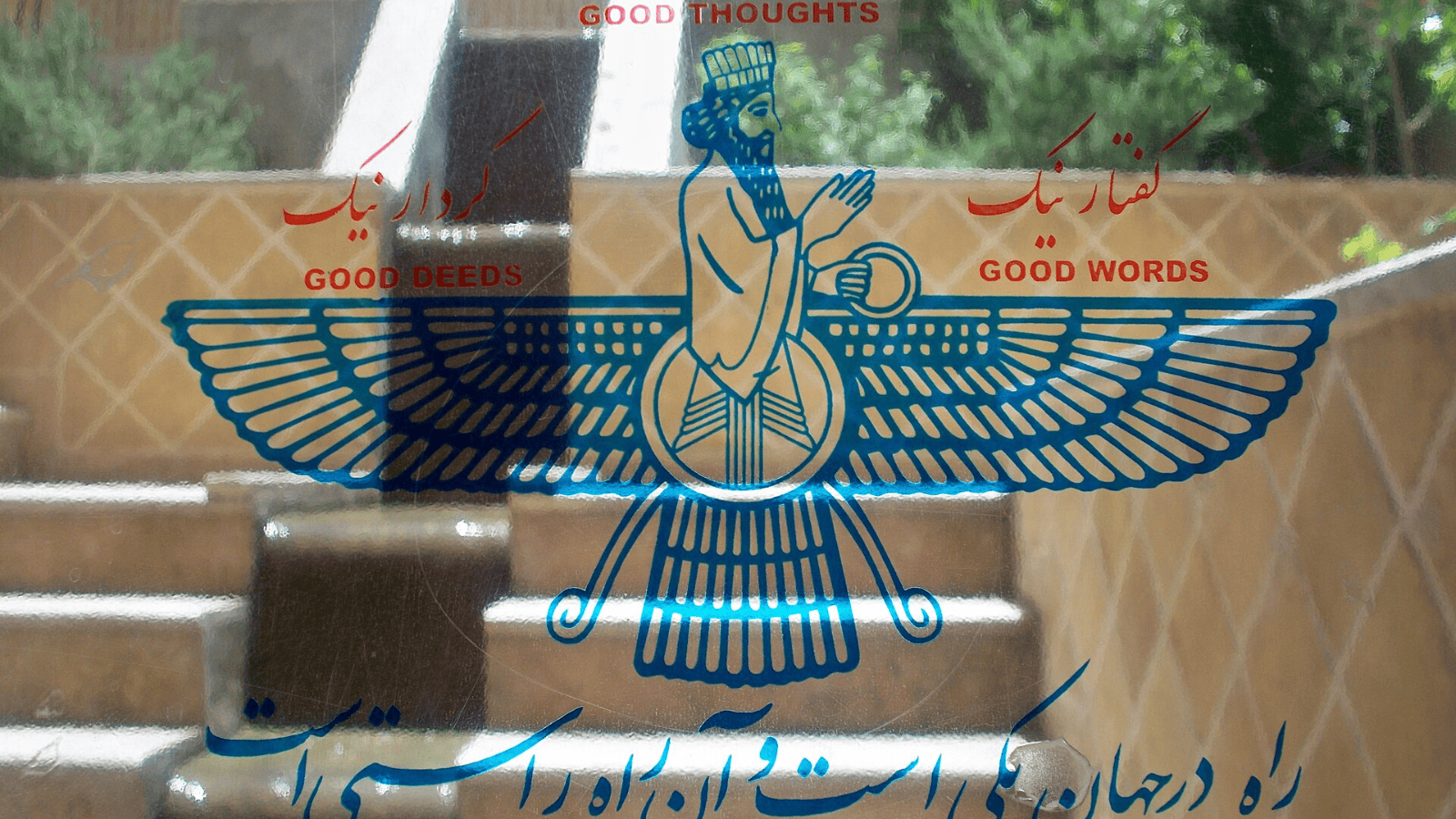
Zoroastrianism developed in ancient Persia from around 1500 BCE to 1000 BCE. Founded by the prophet Zoroaster, it is one of the world’s oldest monotheistic faiths. Its theology focused heavily on an epic struggle between a good god and an evil spirit.
This Persian faith is actually the source of many concepts later adopted by Judaism and Christianity. Concepts like heaven, hell, Satan, and a final resurrection did not exist in early Hebrew texts. They only popped up after the Jewish people spent time in Babylonian exile under Persian rule.
Judaism and the first covenants

Judaism is the ancient root from which Christianity eventually branched. Scholars generally date the covenant between God and Abraham to between 2100 and 1800 BCE. This ancient relationship established monotheism in the Near East long before the New Testament was written.
Fascinatingly, only 29% of Americans today know the Jewish Sabbath starts on Friday night. This shows how disconnected modern audiences are from the literal mother religion of their own faiths. Christianity did not replace this tradition but emerged directly from its centuries-old scriptures.
The mysterious rites of prehistoric Egypt

Before the pyramids even dotted the horizon, ancient Egyptians were practicing a complex, deeply ritualistic religion. Archaeological evidence of Egyptian religious practices dates back to 6000 BCE. This system was obsessed with the afterlife, developing early mummification by 2700 BCE.
Egypt’s rich mythology heavily influenced later Mediterranean cultures. Some scholars argue that several early Christian stories have deep echoes in Egyptian theology. It seems the pharaohs’ gods laid the groundwork for spiritual ideas that lasted for thousands of years.
Sumerian religion and the oldest written holy texts

The Sumerians of Mesopotamia were writing down their holy prayers on clay when most of the world was still illiterate. The Kesh Temple Hymn, dating to about 2600 BCE, stands as the oldest surviving religious literary text in the world. Scribes recorded this in cuneiform and praised the mother goddess Nintud.
Sumerian tablets also contain flood stories that closely resemble the biblical tale of Noah. Scribes carved these myths into clay long before Genesis was compiled. This historical reality proves that sacred literature was already thriving millennia before the Bible.
Buddhism and the path to inner peace
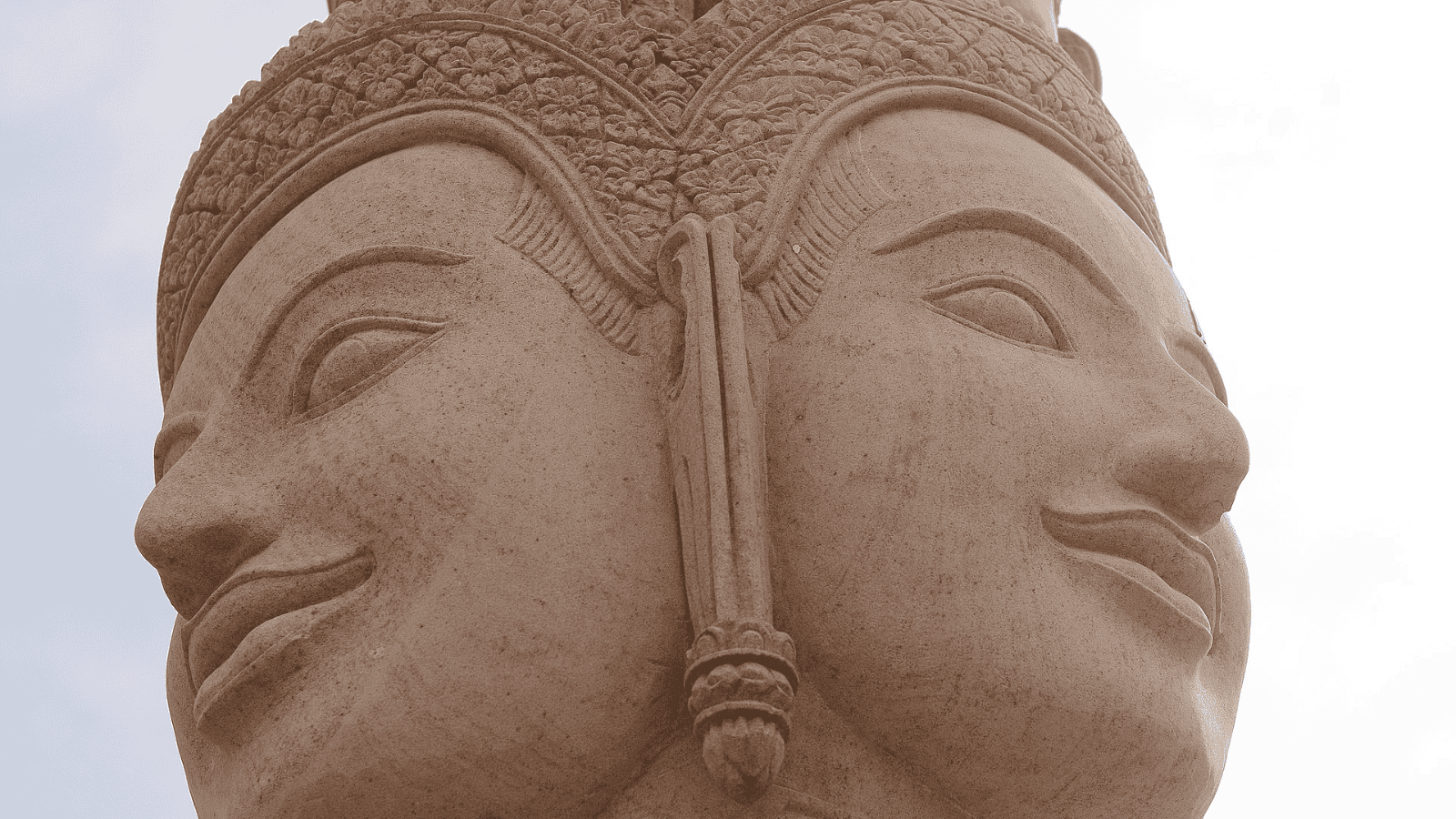
Buddhism originated in India in the fifth century BCE, centuries before Jesus was born. Siddhartha Gautama, a wealthy prince, gave up his riches to find a cure for human suffering. His teachings spread like wildfire across Asia, creating structured monastic networks.
Yet only 18% of U.S. adults can identify the “truth of suffering” as a core Buddhist teaching. The historical truth is that an entire continent was practicing mindfulness while Europe was still in the Iron Age. This proves that highly sophisticated systems of spiritual salvation existed long before the Gospels.
Key takeaway

The historical record proves that human spirituality was highly developed, written down, and globally widespread thousands of years before Christianity. From the clay tablets of Sumer to the philosophical depths of the Vedas, these ancient faiths paved the way for modern belief systems. Acknowledging this history doesn’t diminish anyone’s faith, but it sure makes the story of human belief a lot more fascinating.
Disclaimer – This list is solely the author’s opinion based on research and publicly available information. It is not intended to be professional advice.
Like our content? Be sure to follow us